
Internal Planetary Gear – Steel/POM/SS, M3-M12, DIN6-9
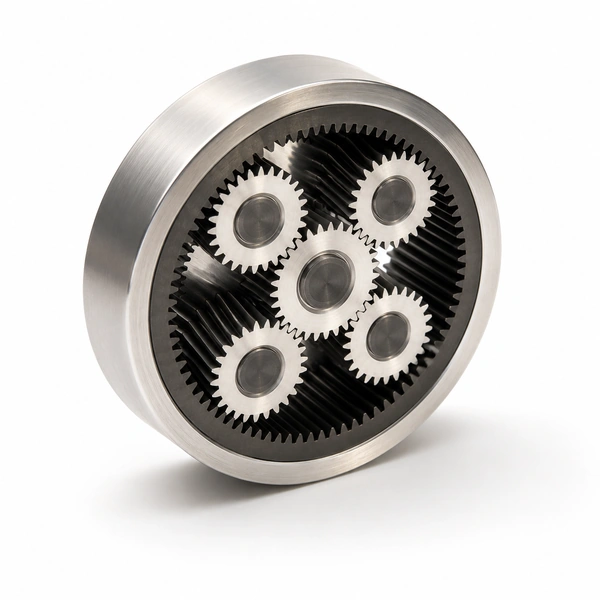
Korea Ever-Power internal planetary gears are precision ring-type internal gears for planetary gear transmissions. Module M3, M4, M5, M8, M12, and custom. Materials: quenched and tempered steel, hardened steel, carburised hardened steel, nitrided steel, cast steel, grey cast iron, nodular cast iron, plastic (POM), brass, C45 steel, stainless steel, copper, aluminium, alloy steel. Standards: ISO, DIN, ANSI, JIS, BS, non-standard. Precision: DIN 6–9. Tolerance: 0.001–0.1 mm. Sample 20 business days; bulk 25 days. T/T, L/C.
Product Overview
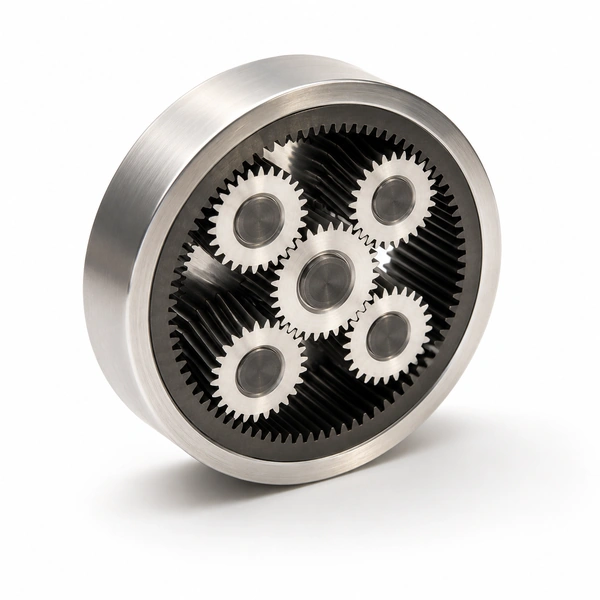
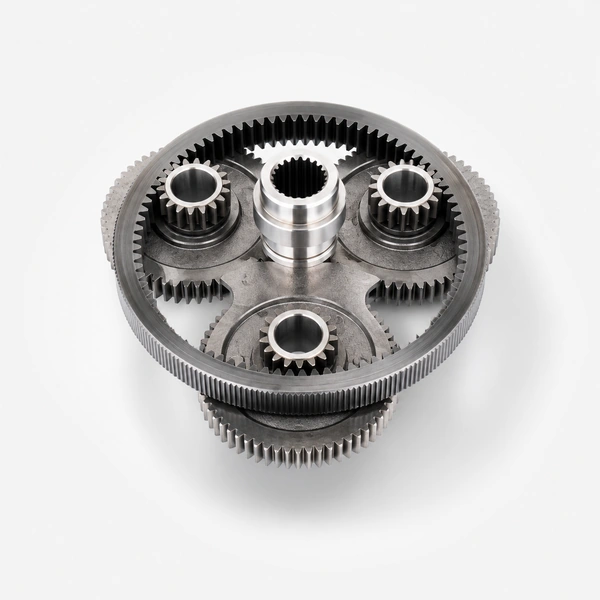
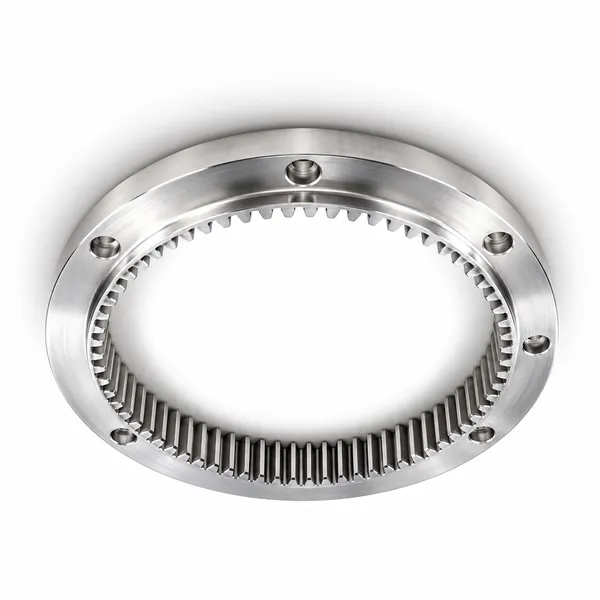
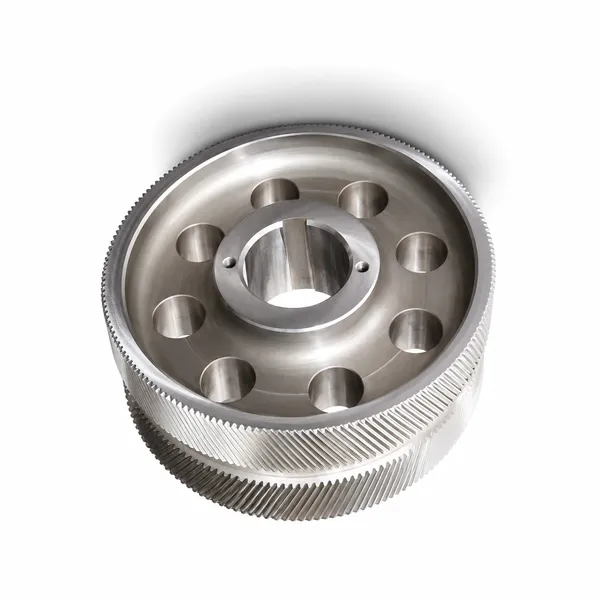
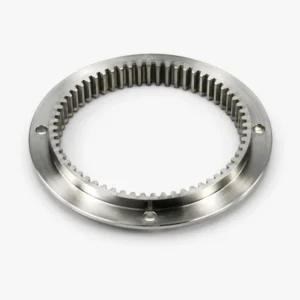
The internal planetary gear is the annular ring element of the planetary gear transmission — a large internal ring gear machined with involute teeth on its inner bore that meshes simultaneously with all planet gears in the assembly. In the standard planetary reduction configuration, the internal planetary gear is fixed to the gearbox housing while the sun gear drives the planet gears, which revolve around the sun and drive the output planet carrier. The internal gear's concave tooth contact with the convex planet gear tooth produces a larger, more conforming contact patch than an external gear pair at the same module — giving the internal planetary gear its high load capacity and long fatigue life relative to its size.
Korea Ever-Power's internal planetary gears are manufactured in the broadest available material range — from POM plastic for light-duty, low-noise applications through carburised alloy steel for heavy-duty, high-cycle industrial drives. All specifications per customer drawing. Gears are developing in the direction of heavy load, high speed, high precision, and high efficiency — and Korea Ever-Power's internal planetary gears are produced to meet the current state of this development direction.
Future gear development focuses on heavy load, high speed, high precision, and high efficiency while striving for small size, light weight, long life, and economic reliability. Korea Ever-Power actively participates in this development direction — studying gear tooth damage mechanisms to establish reliable strength calculation methods, researching new gear materials and manufacturing technologies, and modifying gear teeth to improve operational smoothness and increase contact area under full load. Friction, lubrication theory, and lubrication technology are essential elements of internal planetary gear research: promoting synthetic lubricating oils with extreme pressure additives improves tooth surface bearing capacity and transmission efficiency.
Technical Specifications
| Internal Planetary Gear — Product Specification | |
|---|---|
| Module | M3, M4, M5, M8, M12 — custom modules per drawing |
| Matériel | Brass, C45 steel, stainless steel, copper, POM, aluminium, alloy steel, cast steel, grey cast iron, nodular cast iron — as customer required |
| Surface Treatment | Zinc-plated, nickel-plated, passivation, oxidation, anodisation, Geomet, Dacromet, black oxide, phosphatising, powder coating, electrophoresis |
| Standard | ISO, DIN, ANSI, JIS, BS — and non-standard |
| Precision Grade | DIN 6, DIN 7, DIN 8, DIN 9 |
| Teeth Treatment | Hardened, milled, or ground |
| Tolerance | 0.001 mm – 0.01 mm – 0.1 mm |
| Finition | Shot/sandblast, heat treatment, annealing, tempering, polishing, anodising, zinc-plated |
| Conditionnement | Plastic bag + cartons or wooden packing |
| Payment Terms | T/T, L/C |
| Sample Lead Time | 20 business days |
| Bulk Lead Time | 25 business days |
Material Selection for Internal Planetary Gears
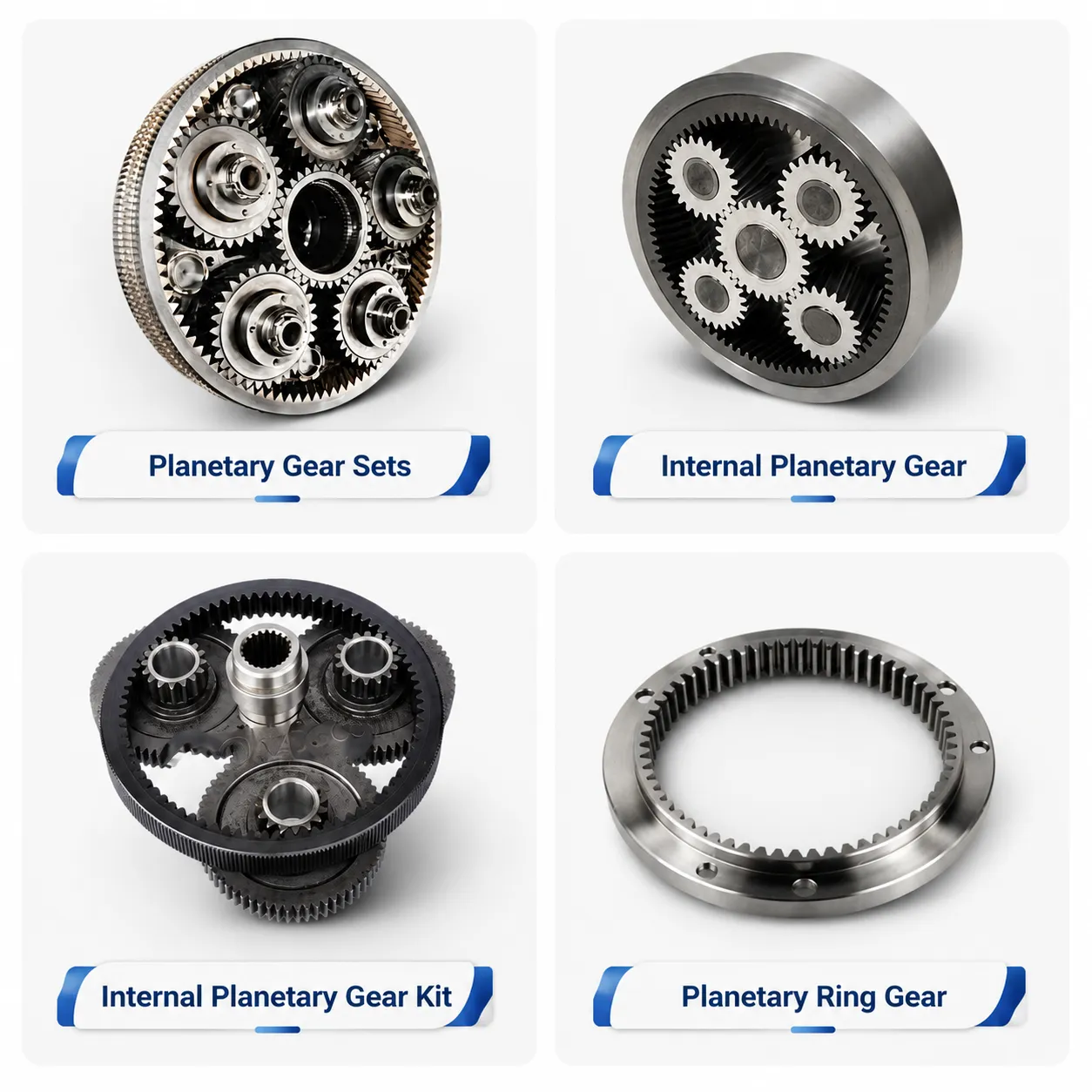
The material selection for an internal planetary gear is the most critical design decision affecting tooth surface life, tooth root bending strength, and operating noise. The commonly used materials span from engineering plastics through high-alloy case-hardened steels:
Quenched and Tempered Steel (Q&T)
C45, 40Cr, 42CrMo — through-hardened by oil quenching and tempering to 240–320 HB. Provides a good balance of surface hardness and core toughness for moderate-duty industrial planetary gears. The entire cross-section is hardened to the same hardness, which limits the maximum tooth surface hardness achievable (typically 30–36 HRC) compared with case-hardening processes. Best for: medium-duty industrial planetary gearboxes, conveyor drives, agricultural equipment.
Hardened Steel (Induction Hardened)
C45 or 40Cr selectively hardened on the tooth surfaces by induction heating and quenching. Tooth surface reaches 50–58 HRC while the core remains tough at 200–250 HB. The hard case resists pitting and abrasion; the tough core resists tooth root bending fracture under impact. Standard process for automotive ring gears. Best for: automotive planetary stages, tractor hub final drives, medium-to-high duty industrial ring gears.
Carburised Hardened Steel
20CrMnTi, 16MnCr5, 17CrNiMo5 — carburised at 920–940°C to build a 0.8–2.0 mm carbon-enriched case, then quenched and tempered. Tooth surface: 58–64 HRC; core: 30–45 HRC (tough). Highest contact fatigue life of all steel processes — the standard for highest-duty internal planetary gears in automotive AT, EV drives, and wind turbine planetary stages. Best for: EV motor reducers, robot joint planetary gearboxes, wind turbine gearboxes.
Nitrided Steel
38CrMoAl — nitrided at 500–570°C to produce a 0.2–0.6 mm nitrogen-enriched case at 900–1200 HV (≈ 68–72 HRC equivalent hardness). No quenching required — minimal distortion, no post-treatment grinding needed for many applications. Excellent wear resistance and scuffing resistance. Best for: precision servo planetary gearboxes, high-speed spindle drives, and applications where post-heat-treatment grinding is difficult due to bore geometry.
Cast Iron (Grey and Nodular)
Grey cast iron — poor mechanical properties but good damping and castability for complex ring gear shapes; used in light-loaded open-gear drives. Nodular (ductile) cast iron — can partially replace steel for medium-size ring gears where the casting route reduces manufacturing cost vs machining from solid bar, and adequate strength and toughness are achievable without heat treatment. Best for: large industrial ring gears, cement mixer drum drives, slewing ring gears.
Plastic (POM / PA / PEEK)
Plastic gears are used for light loads and low-noise requirements. The gear paired with a plastic internal planetary gear is generally a steel gear with good thermal conductivity — the steel gear conducts the frictional heat away from the plastic gear and prevents thermal softening. POM and PA are the standard materials; PEEK for high-temperature and medical applications. Best for: consumer product drives, automotive comfort actuators, medical device actuators, low-power servo stages.
Gear Failure Modes and Prevention
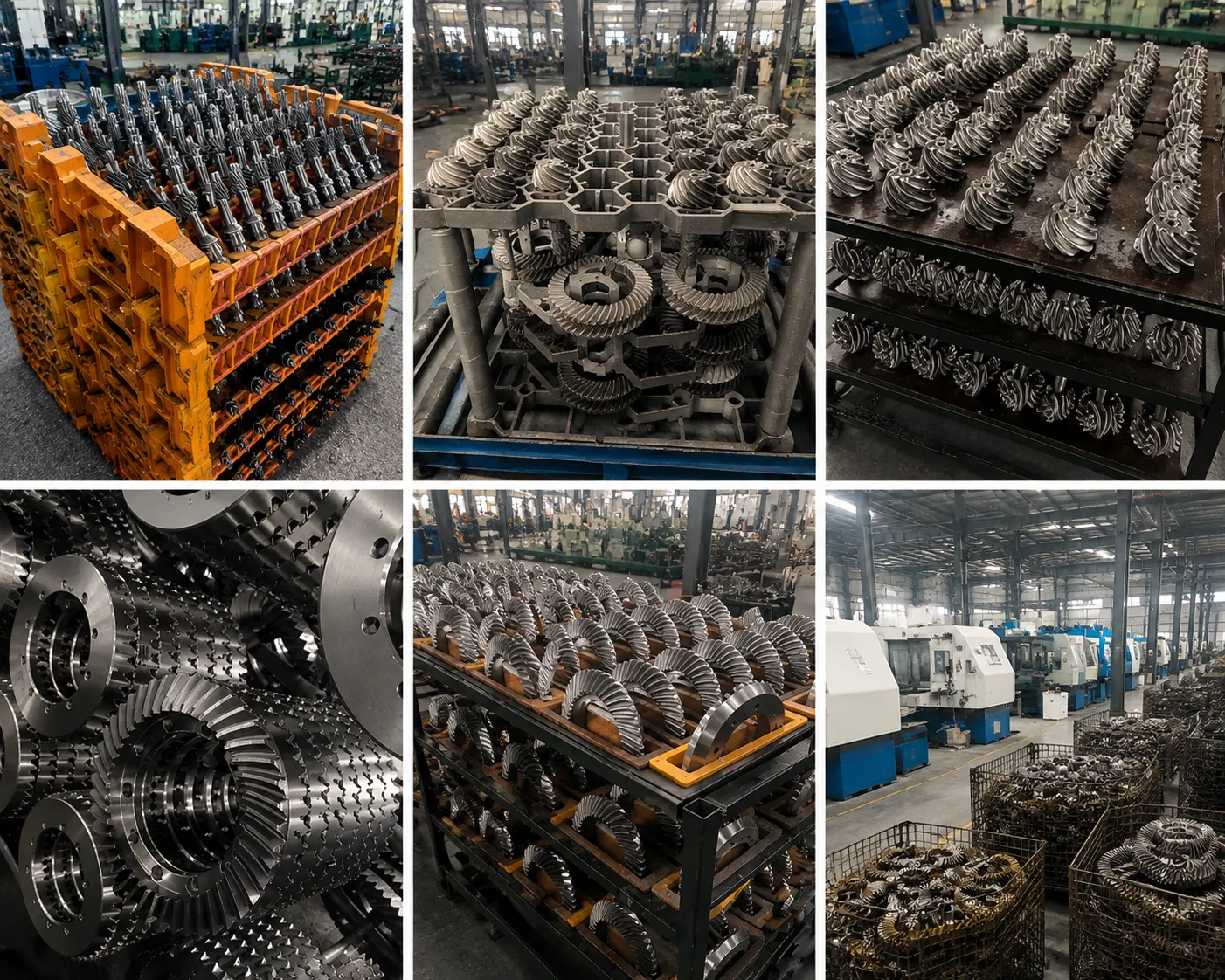
Understanding the failure modes of internal planetary gears allows the correct material, heat treatment, and accuracy grade to be specified for the application. Korea Ever-Power's engineering team analyses the operating conditions before recommending the specification:
① Tooth Surface Wear
In open gear transmissions or drives with unclean lubricant, hard abrasive particles enter the meshing zone and abrade the tooth flanks. The result is changed tooth profile, increased backlash, and eventually tooth fracture from excess thinning. Prevention: higher tooth surface hardness (≥ 50 HRC), filtered and replenished gear oil, sealed housing to exclude external abrasive contamination.
② Tooth Surface Scuffing
In high-speed, heavy-load planetary stages, high friction and relative tooth surface velocity cause the oil film to break down, resulting in metal-to-metal contact, local welding, and tearing of material in the sliding direction. Forms grooves on the softer tooth surface. Prevention: extreme-pressure (EP) gear oil, adequate oil flow rate to the mesh, ground tooth surfaces (Ra ≤ 0.8), and adequate lubricant viscosity for the operating speed and load.
③ Fatigue Pitting
The most common failure mode for well-lubricated, properly aligned planetary gears. Cyclic Hertzian contact stress initiates micro-cracks at machining marks on the tooth surface. Over time, cracks propagate laterally in the surface layer, and small flakes spall off — forming shallow pits. Pitting progresses until the tooth profile is too damaged to carry load. Prevention: higher surface hardness, finer tooth surface finish (Ra ≤ 0.6 by grinding), adequate case depth, correct profile modification.
④ Tooth Root Fracture
Gears under load act like cantilever beams at the tooth root. When periodic bending stress at the root exceeds the material's fatigue limit, cracks initiate and propagate. Once the remaining cross-section cannot carry the load, the tooth breaks off. Also caused by severe impact loads, unbalanced load distribution, and material defects. Prevention: adequate tooth root fillet radius, correct case depth to prevent sub-surface cracking, shot peening of tooth roots, and proper load balance across all planet gears.
⑤ Plastic Deformation
Under impact or heavy overload, the tooth surface yields plastically — the involute profile deforms beyond the elastic range, disturbing the conjugate action and generating vibration and noise. Occurs most frequently in gears of insufficient hardness subjected to abnormal overload events. Prevention: adequate tooth surface hardness for the maximum load (including shock), overload protection (torque limiter or shear pin) for applications with frequent impact loads.
Korea Ever-Power's Quality Assurance
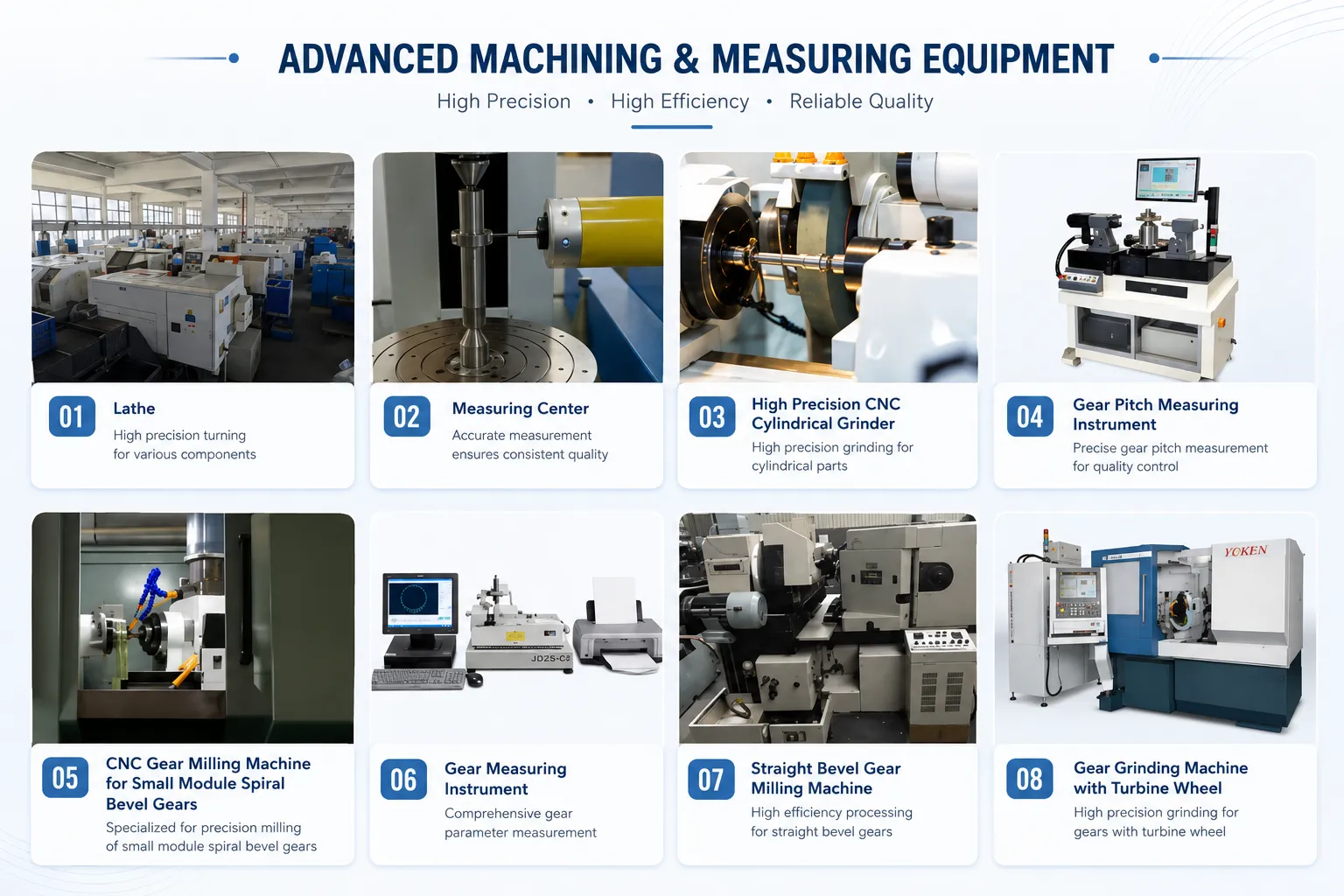
All internal planetary gears undergo: material certificate verification, in-process dimensional inspection at each operation, post-heat-treatment hardness check (surface and core), tooth profile and lead accuracy verification on the Gear Testing Centre, and tooth surface roughness measurement with a roughness measuring instrument. The full inspection record is available with each delivery batch.
Applications
Automotive Planetary Transmissions
Carburised alloy steel internal planetary gears M3–M5 in automatic transmission planetary stages, EV motor planetary reducers, electric power steering planetary drives, and electric parking brake actuators. The automotive internal planetary gear is the most common application worldwide — tens of millions produced annually.
Industrial Planetary Reducers
Q&T or induction hardened steel internal planetary gears M5–M12 in inline planetary gearbox reducers for conveyor systems, agitator drives, extruder drives, and cement plant kiln drives. The internal planetary gear's high load capacity per unit size enables compact reducers that fit within the motor shaft centre distance envelope without additional housing extension.
Robot Joints and Servo Drives
Nitrided or carburised internal planetary gears M3–M5 DIN 6 in servo motor planetary gearboxes for industrial robot joint drives, collaborative robot arm joints, and linear actuator planetary stages. Tooth surface grinding to DIN 6 minimises transmission error — directly improving joint positioning accuracy and servo bandwidth.
Medical Equipment
Stainless steel or POM internal planetary gears M3–M4 in surgical robot joint drives, infusion pump drives, rehabilitation device actuators, and diagnostic imaging positioning systems. The plastic internal planetary gear (POM, PEEK) is specified where non-magnetic, corrosion-free, and lubrication-free operation is required — particularly in MRI-compatible surgical systems.
Solar Tracker and Wind Turbine Drives
Alloy steel internal planetary gears in solar tracker azimuth/elevation drives and wind turbine yaw/pitch planetary gearboxes. Both applications demand 20–25 year service life with minimal maintenance — driving the selection of carburised alloy steel at the highest achievable surface hardness and the finest obtainable tooth surface finish.
Parking Systems and Machine Tools
C45 or alloy steel internal planetary gears in automated parking system lift drives and CNC machine tool spindle planetary gear ranges. Machine tool applications require DIN 6–7 accuracy to avoid generating vibration marks on workpiece surfaces at high spindle speeds — a unique requirement that drives precision tooth grinding rather than standard shaping for these applications.
Frequently Asked Questions
Can Korea Ever-Power manufacture metric internal planetary gears?
Yes — Korea Ever-Power has the tooling to manufacture internal planetary gears in any metric module size. All standard metric modules (M1, M1.5, M2, M2.5, M3, M4, M5, M6, M8, M10, M12, M16, M20) are covered by standard gear shaping cutters in stock. Non-standard modules are produced with custom tooling at additional tooling cost confirmed at the quotation stage. DP (diametral pitch) sizes for the North American market are also available.
Is stock available for internal planetary gears?
Everything Korea Ever-Power makes is made to order — all parts on our product range are pre-designed and manufactured at the time of ordering. Customers can request different sizes of face widths, bore diameters, number of teeth, materials, and surface treatments at the time of order. This made-to-order model means every internal planetary gear is manufactured to the customer's exact specification rather than adapted from a standard stock item. The large inventory of pre-cut blanks and tooling enables fast order turnaround despite the made-to-order model.
Can I use materials other than steel for internal planetary gears?
Yes — Korea Ever-Power produces internal planetary gears in brass, stainless steel, copper, aluminium, POM (Delrin), PA (nylon), PEEK, grey cast iron, nodular cast iron, and alloy steel, in addition to standard C45 steel. The price is not fixed but depends on the customer's required parameters: material, tooth type, module, bore diameter, face width, accuracy grade, helix angle, and specific customisation requirements. Send the full specification and Korea Ever-Power will provide a competitive quotation covering all material options.
What is the sample price and process?
Sample price ranges from USD 2 to USD 100 depending on the internal planetary gear's module, material, and complexity. The sample fee and express freight are paid by the customer. After the sample is confirmed (engineering approval, assembly fit check, and dimensional inspection), Korea Ever-Power will refund the sample fee when the bulk order is placed. The sample lead time is 20 business days. Send the drawing or specification to start the sample process. Contact our team for a quotation.
Customer Reviews
"We manufacture precision servo planetary gearboxes for robot joints and specified nitrided internal planetary gears M4 DIN 6 from Korea Ever-Power. Nitriding's minimal distortion meant we could meet DIN 6 without post-treatment grinding — saving lead time and cost. Transmission error measured at our test rig: ±0.45 arc-minutes, within our ±0.5 arc-minute target. Made-to-order model confirmed — bore diameter and face width were non-standard and were produced exactly to our drawing."
Kim Hyeon-tae | Servo Gearbox Design Engineer, Incheon Robot Drive Systems Co. · Q1 2026
"We supply EV motor e-axle assemblies and use carburised 20CrMnTi internal planetary gears M3.5 from Korea Ever-Power. Tooth surface hardness 60–63 HRC confirmed by incoming Rockwell test — within our 58–64 HRC carburised specification. Pitting fatigue test at our 1.5× rated torque, 10⁷ cycles: no pitting initiation detected. The material certificate and metallographic examination report are included with each batch for our EV drive unit traceability records."
Lee Sang-jun | EV Drivetrain Engineering Manager, Gyeonggi Electric Vehicle Systems Co. · Q4 2025
"We manufacture MRI-compatible surgical robot joints and required POM internal planetary gears M3 — non-metallic, non-magnetic, lubrication-free. Korea Ever-Power confirmed POM production in the sample. The POM ring gear's tooth profile accuracy (DIN 8 on our optical comparator) and surface finish (Ra 1.2 measured) were both within our medical device specification. Sample fee refunded on our bulk order as committed. Made-to-order to our non-standard bore and face width exactly."
Park Min-jun | Surgical Robot Mechanism Engineer, Busan Medical Robotics Co. · Q2 2026
"We distribute internal planetary gears in four materials (C45, stainless, aluminium, POM) across different market segments. Korea Ever-Power's quotation covered all four materials simultaneously with individual pricing for each — enabling us to set our distribution price list in one exchange rather than four separate RFQs. Delivery for all four materials within 25 business days confirmed. No mixed-batch quality issues in 16 months of supply."
Choi Byeong-jun | Precision Gear Distribution Director, Daejeon Industrial Parts Co. · Q3 2025
Related Products
Request a Quotation for Internal Planetary Gears
M3–M12 standard; all modules, materials, and heat treatments per drawing. Made-to-order. Sample 20 business days; bulk 25 days. T/T / L/C. Any metric size and any material accepted.
Informations complémentaires
| Editor |
|---|
 French
  English
  Italian
  Korean
  Japanese