
Metric Gear Rack | Spur and Helical, M1-M32, Steel and Plastic OEM Supply
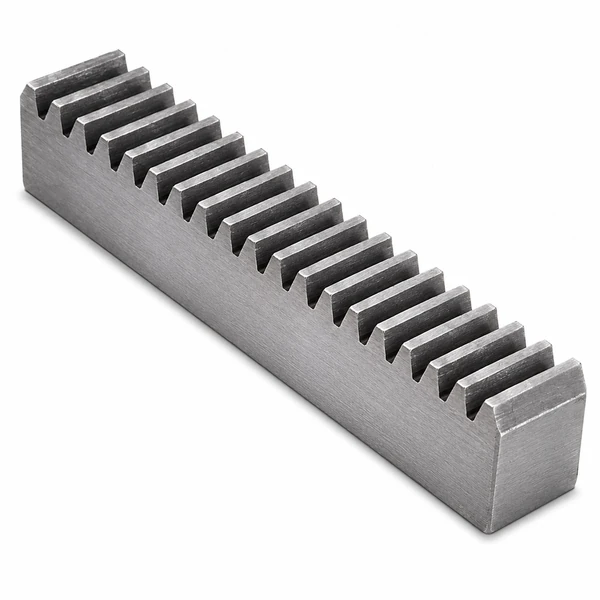
Ever-Power metric gear racks are linear motion components with teeth dimensioned in the metric module system — the internationally adopted standard for gear geometry outside North America. The module number defines the tooth size: module 1 (M1) gives a tooth pitch of 3.14159 mm; module 5 gives a pitch of 15.708 mm. This direct relationship between module and pitch makes metric gear racks fully interchangeable across manufacturers worldwide, provided module, pressure angle, and tooth form match — the key advantage of the metric system over inch diametral pitch (DP) racks.
Metric Gear Rack — Product Overview
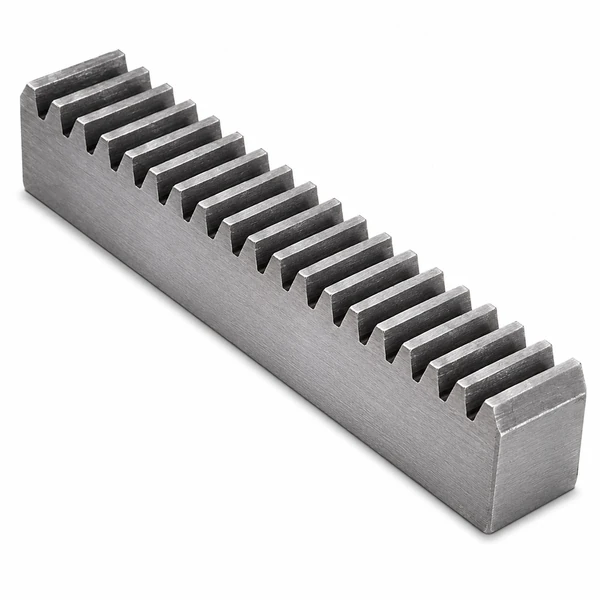
Ever-Power metric gear racks are linear motion components with teeth dimensioned in the metric module system — the internationally adopted standard for gear geometry outside North America. The module number defines the tooth size: module 1 (M1) gives a tooth pitch of 3.14159 mm; module 5 gives a pitch of 15.708 mm. This direct relationship between module and pitch makes metric gear racks fully interchangeable across manufacturers worldwide, provided module, pressure angle, and tooth form match — the key advantage of the metric system over inch diametral pitch (DP) racks.
Metric gear racks are available in spur (straight-tooth) and helical tooth profiles. Spur racks are the economical default for moderate-speed drives; helical racks are preferred for high-speed, low-noise, or high-load applications. Material options span the full range from light-duty engineering plastics through stainless steel to heavy-duty induction-hardened alloy steel. Precision grade from DIN9 (standard milled) to DIN5 (profile ground) covers applications from sliding gate drives to five-axis machining centre servo axes.
Technical Specifications
| Parameter | Range / Options |
|---|---|
| Module | M1, M1.5, M2, M2.5, M3, M4, M5, M6, M8, M10, M12, M16, M20, M25, M32 and non-standard per drawing |
| Tooth Profile | Spur (straight tooth, most common); helical (angled, quieter, higher load capacity) |
| Pressure Angle | 20° standard; 14.5° per drawing |
| Precision Grade | DIN9 (milled standard), DIN8, DIN7, DIN6, DIN5 (ground precision) |
| Length per Section | Up to 2,000 mm; half-tooth machined ends for butted unlimited-travel drives |
| Material — Steel | 45# carbon steel, 40Cr, 42CrMo, 20CrMnTi alloy steel |
| Material — Stainless | 304, 316, 316L stainless steel |
| Material — Light | Aluminium 6061, brass, bronze, POM acetal, nylon PA66, polycarbonate |
| Heat Treatment | Induction hardening (HRC 48-55), carburising and quenching (HRC 58-62), through-hardening, normalising, nitriding |
| Surface Treatment | Black oxide, zinc plating, hot-dip galvanizing, hard chrome, phosphating, powder coating, passivation, anodizing |
| Standards | DIN 867, ISO, JIS B 1702, GB/T; ANSI and BS per drawing |
| Certification | ISO 9001:2015; material certificate and dimensional report with every order |
Types of Metric Gear Rack
Metric Spur Gear Rack
Straight teeth parallel to the bar axis — the most common and economical type. Full-width instantaneous tooth contact gives a direct, stiff drive. Best for speeds below 3 m/s. Used in sliding gates, conveyors, machine tool tables, and general-purpose linear drives.
Metric Helical Gear Rack
Angled teeth give progressive engagement, lower noise, higher contact ratio, and greater load capacity at the same module. Requires matched helical pinion. Best for servo-driven CNC axes, robotics, and high-cycle automation where noise or surface finish quality matters.
Metric Precision Ground Rack
Tooth flanks CNC ground to DIN5-6 after heat treatment. Pitch deviation below 0.008 mm per 300 mm. Enables closed-loop positioning accuracy below 0.01 mm. Required for five-axis machining centres, laser cutters, semiconductor equipment, and precision gantry robots.
Metric Stainless Steel Rack
304 or 316 stainless steel for food processing, pharmaceutical, greenhouse, and marine environments. 316 provides superior chloride resistance. Not hardenable to the degree of carbon steel; tooth load rating is lower at the same module — compensate by upsizing module or face width.
Metric Aluminium Rack
Lightweight at one-third the density of steel; good corrosion resistance with anodized surface. Used in semiconductor equipment, overhead lightweight gantries, and weight-critical automation. Lower load rating than steel at the same module — best suited to forces below 2 kN.
Metric Plastic Rack (POM / Nylon)
Most economical option; self-lubricating; low noise; corrosion immune. POM gives tighter dimensional stability; nylon is tougher and absorbs shock better. Used in 3D printers, light-duty CNC routers, consumer automation, and food-contact conveyor drives. Forces below 200 N.
Applications
| Application | Typical Module and Material |
|---|---|
| Machine Tools (CNC mill, lathe, grinder) | M3-M6, 42CrMo induction hardened, DIN7-8; helical for servo axes |
| 3D Printers and Laser Cutters | M1-M2, aluminium or POM, DIN8-9; lightweight for fast-moving print head axes |
| Robotics (gantry, 7th axis, SCARA) | M3-M5, 20CrMnTi carburized, DIN5-6 ground; helical for high-speed low-noise operation |
| Packaging Machinery | M2-M4, C45 or stainless 304, DIN8; food-grade grease specification for direct food zone drives |
| Food Processing Equipment | M2-M4, stainless 316 or POM, DIN7-8; washdown-resistant finish, food-grade lubricant compatible |
| Greenhouse Automation | M3-M5, stainless 304 or galvanized C45; corrosion-resistant for humid environment drives |
| Sliding Gate Drives | M4-M6, zinc-plated C45 or POM; outdoor-rated surface treatment |
| Automated Storage (AS/RS) | M4-M8, 42CrMo hardened, DIN6-7; long continuous runs with precision half-tooth joints |
How to Choose the Right Metric Gear Rack
- Drive force: The required tangential force at the rack pitch circle, including peak dynamic and shock loads. Module and face width are sized from this value using standard gear bending stress calculations.
- Speed: Pitch-line velocity determines whether spur or helical profile is appropriate. Above 3 m/s, specify helical. Above 10 m/s, specify helical with ground tooth profile and consider automatic lubrication.
- Precision required: For open-loop limit-switch drives, DIN8-9 milled is adequate. For encoder-feedback servo drives requiring better than 0.1 mm repeatability, specify DIN6-7 or ground DIN5. For below 0.02 mm, specify ground DIN5 with linear encoder feedback.
- Environment: Indoor dry — C45 with black oxide is economical. Outdoor or wash-down — stainless 304/316 or hot-dip galvanized. Chemical exposure — 316 stainless or special alloy per media compatibility chart.
- Travel length: Sections up to 2,000 mm per piece; specify half-tooth machined ends and provide total travel length for section count calculation.
- Budget: POM or nylon racks are lowest cost for light duty. Milled C45 steel is the mid-range workhorse. Ground alloy steel is highest cost but provides longest life in demanding duty cycles.
How Metric Gear Racks Work
The metric gear rack is the linear counterpart of a metric spur gear. The pinion gear rotates; its teeth engage with the rack teeth; the force transferred between the teeth advances the rack linearly by exactly one pitch per tooth engagement. Clockwise rotation advances the rack in one direction; counter-clockwise rotation reverses the motion. The linear displacement per full pinion revolution equals the pitch-circle circumference of the pinion: pi multiplied by the module multiplied by the pinion tooth count. Finer module teeth give finer positional resolution per encoder count; coarser module teeth give higher force capacity per pinion size.
Manufacturing Process
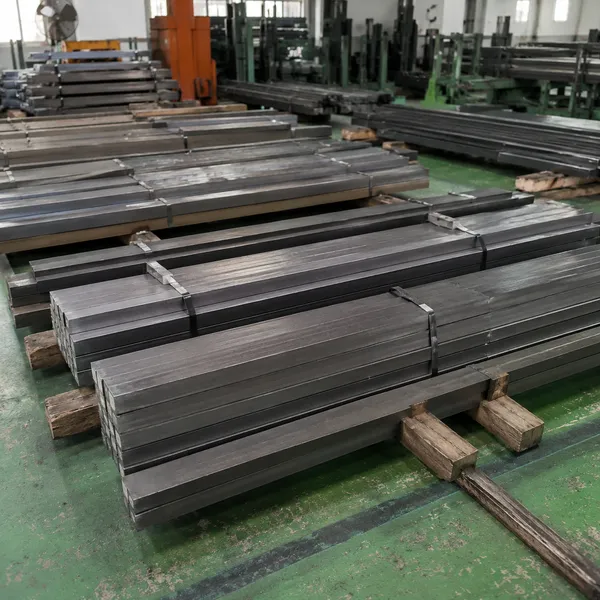
Step 1 — Raw Material
Raw material bar stock verified by spectrochemical analysis before production.
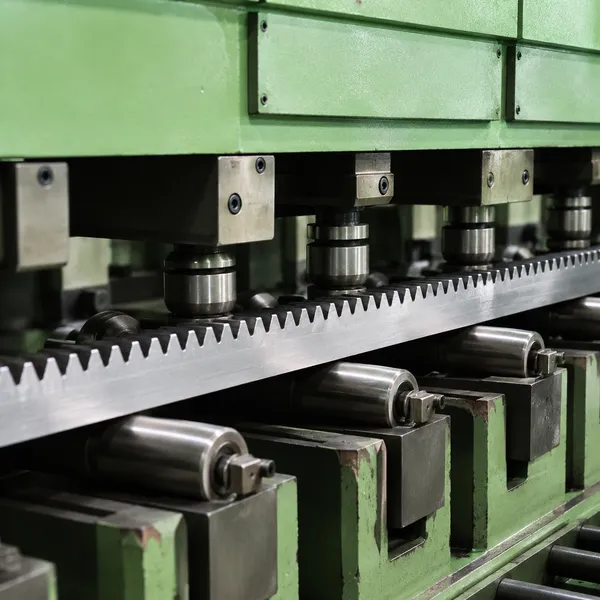
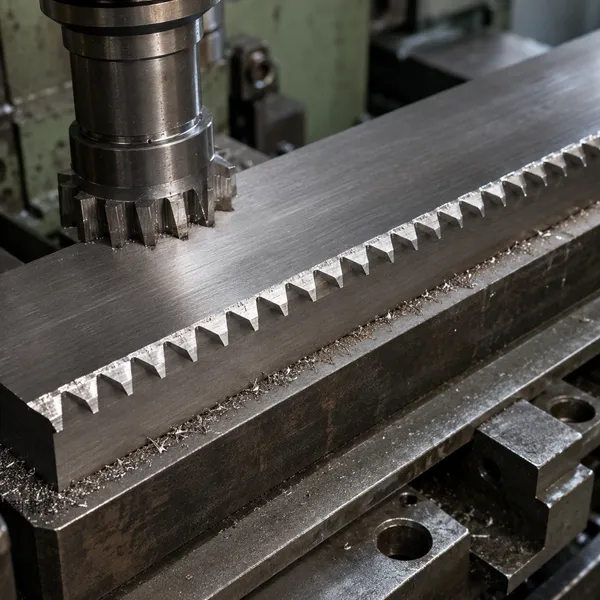
Step 2 — Tooth Cutting
Teeth cut on CNC rack milling or hobbing machine to specified module and pressure angle.
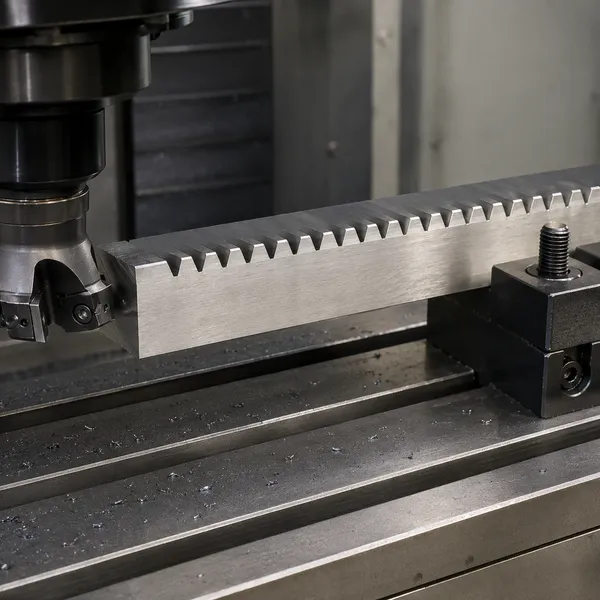
Step 3 — Deburring
Tooth-end burrs removed and edges chamfered to prevent handling damage and sharp corners.
Step 4 — Straightening / HT
Pressure straightening after tooth cutting; induction hardening or carburising where specified.
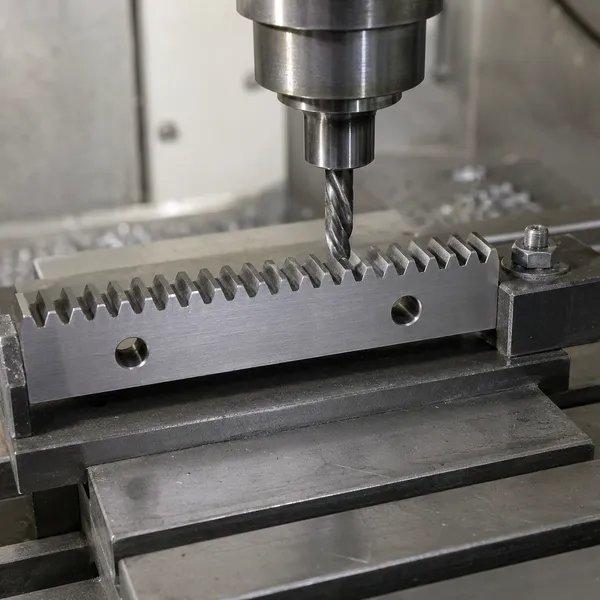
Step 5 — End Machining
End faces and mounting holes machined in CNC machining centre to drawing specification.
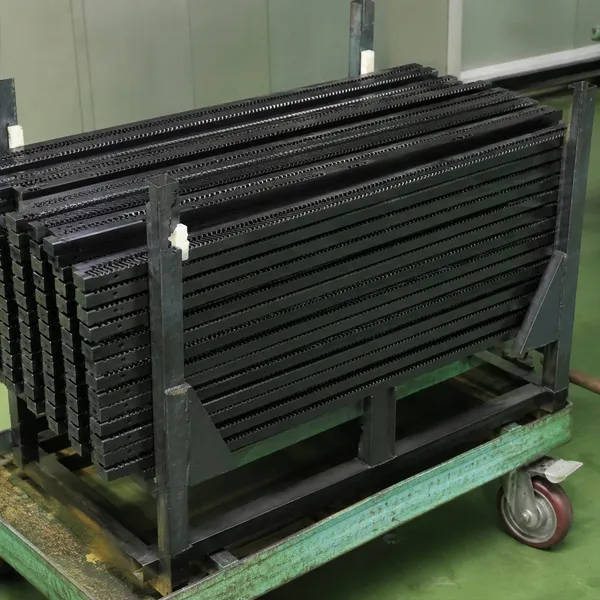
Step 6 — Surface Treatment
Black oxide, zinc plating, phosphating, or hard chrome applied per customer specification.
Key Production Equipment
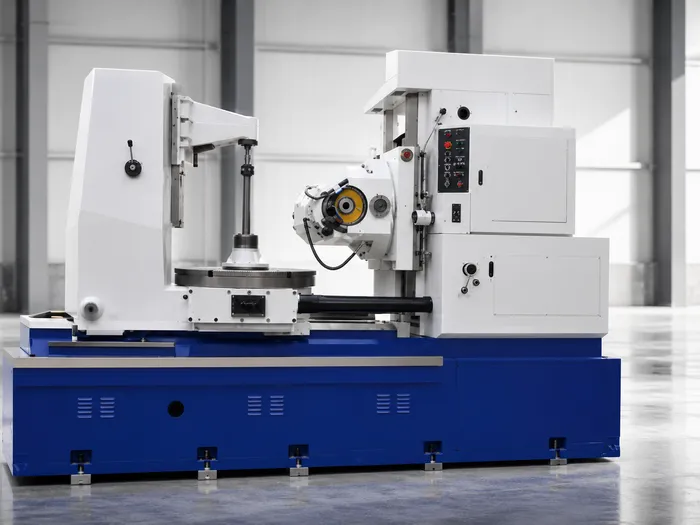
Gear Hobbing Machine
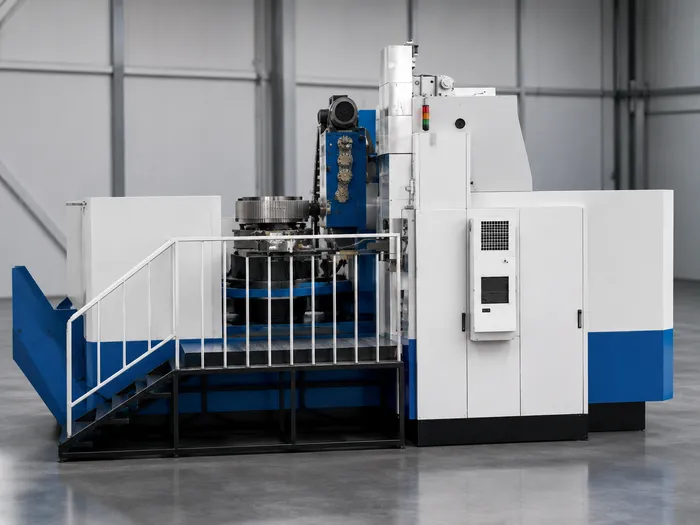
Gear Milling Machine
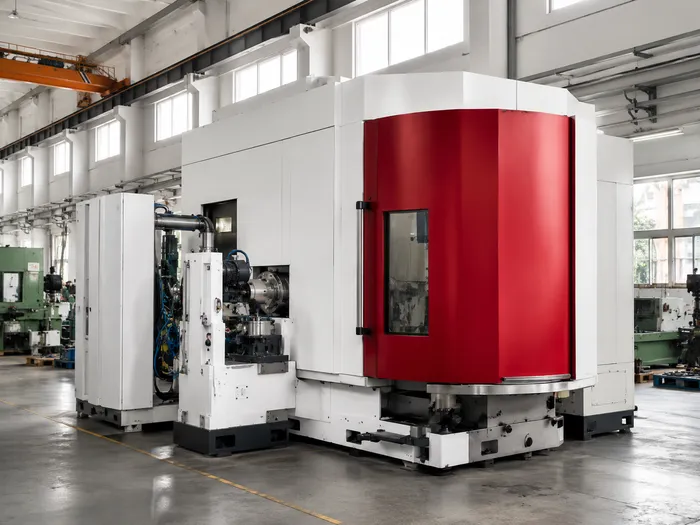
CNC Gear Grinding Machine
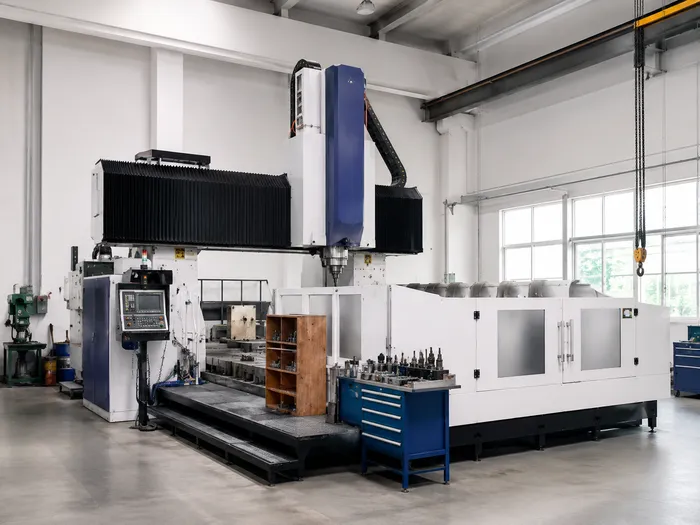
Gantry CNC Machining Centre
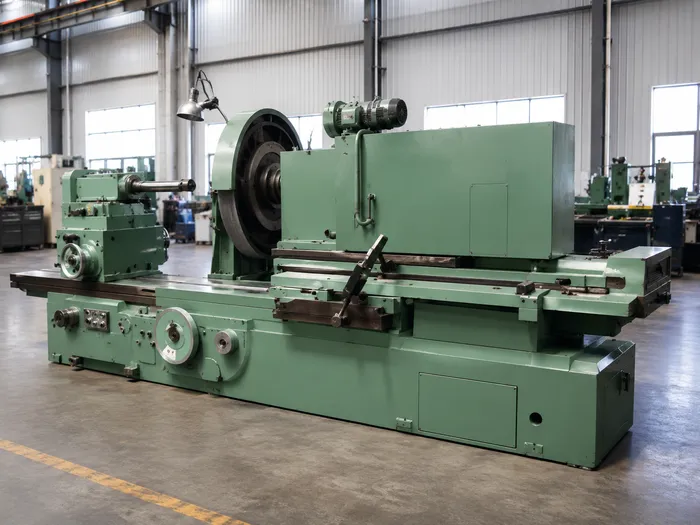
Internal Grinding Machine
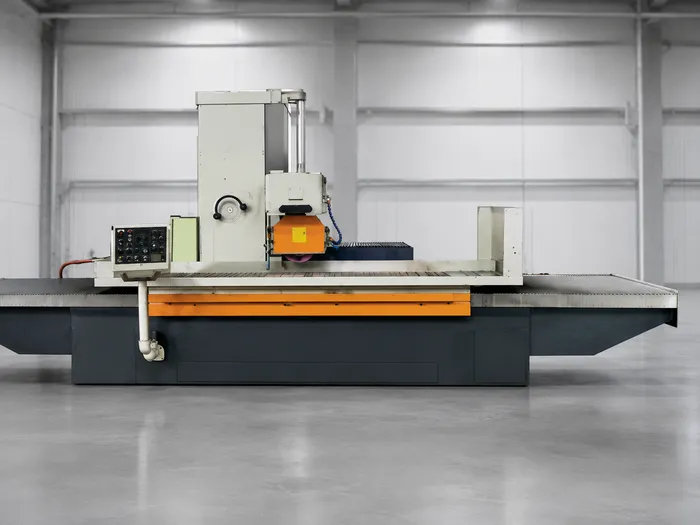
Planer Grinding and Turning
Applications by Industry

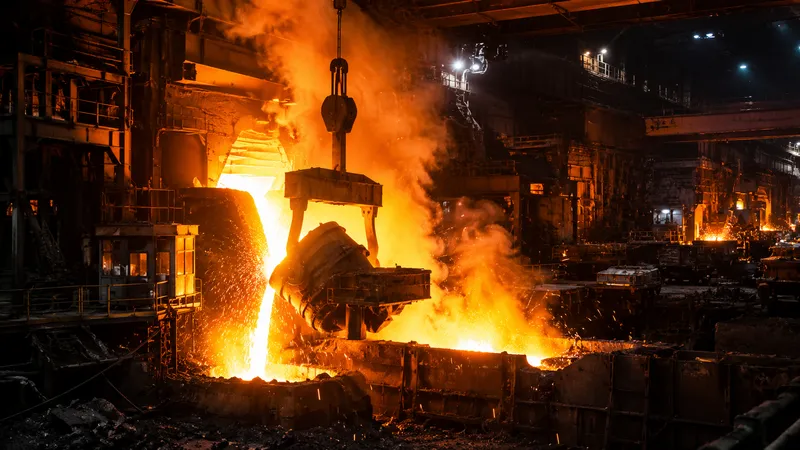






Quality Assurance and Manufacturing
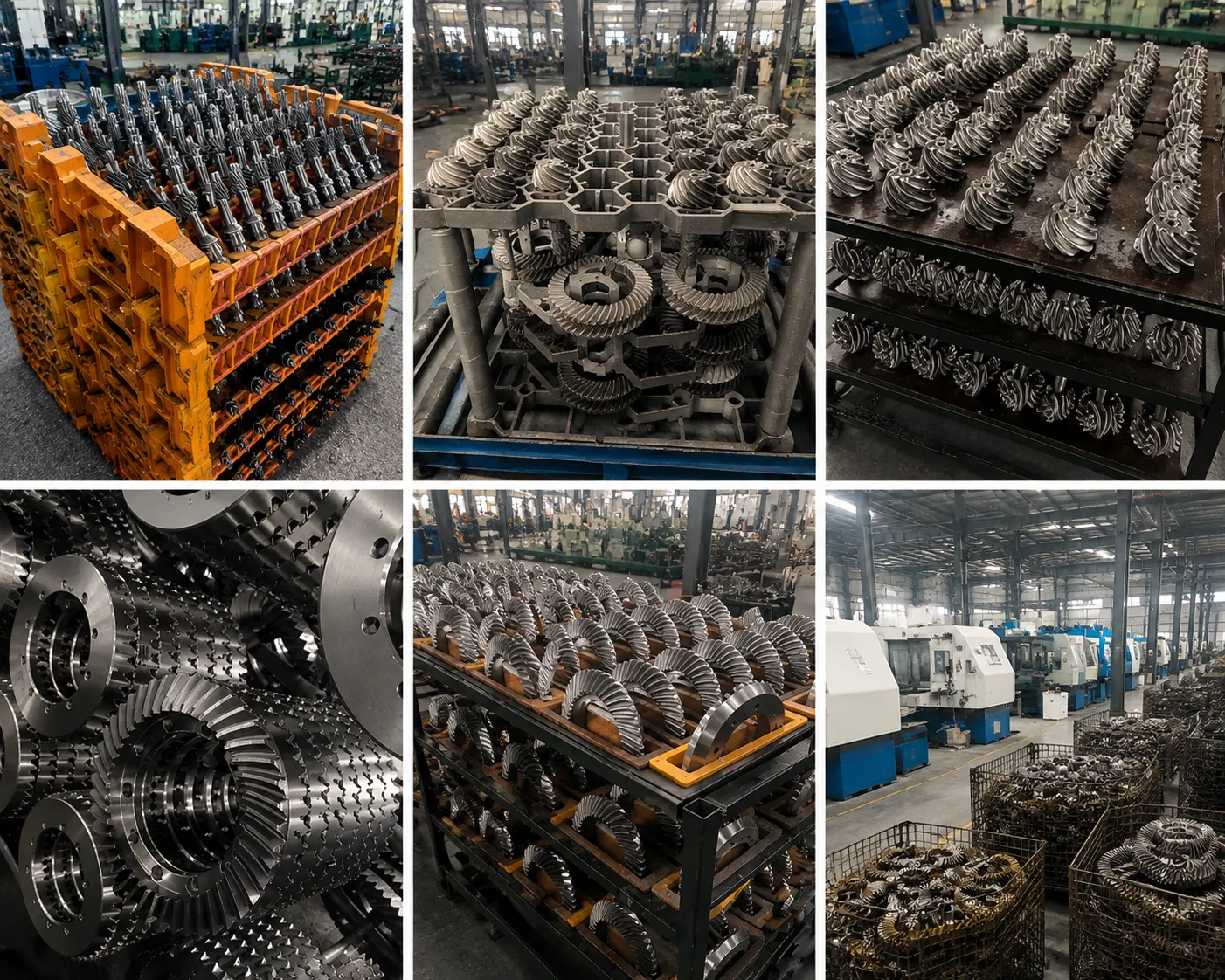
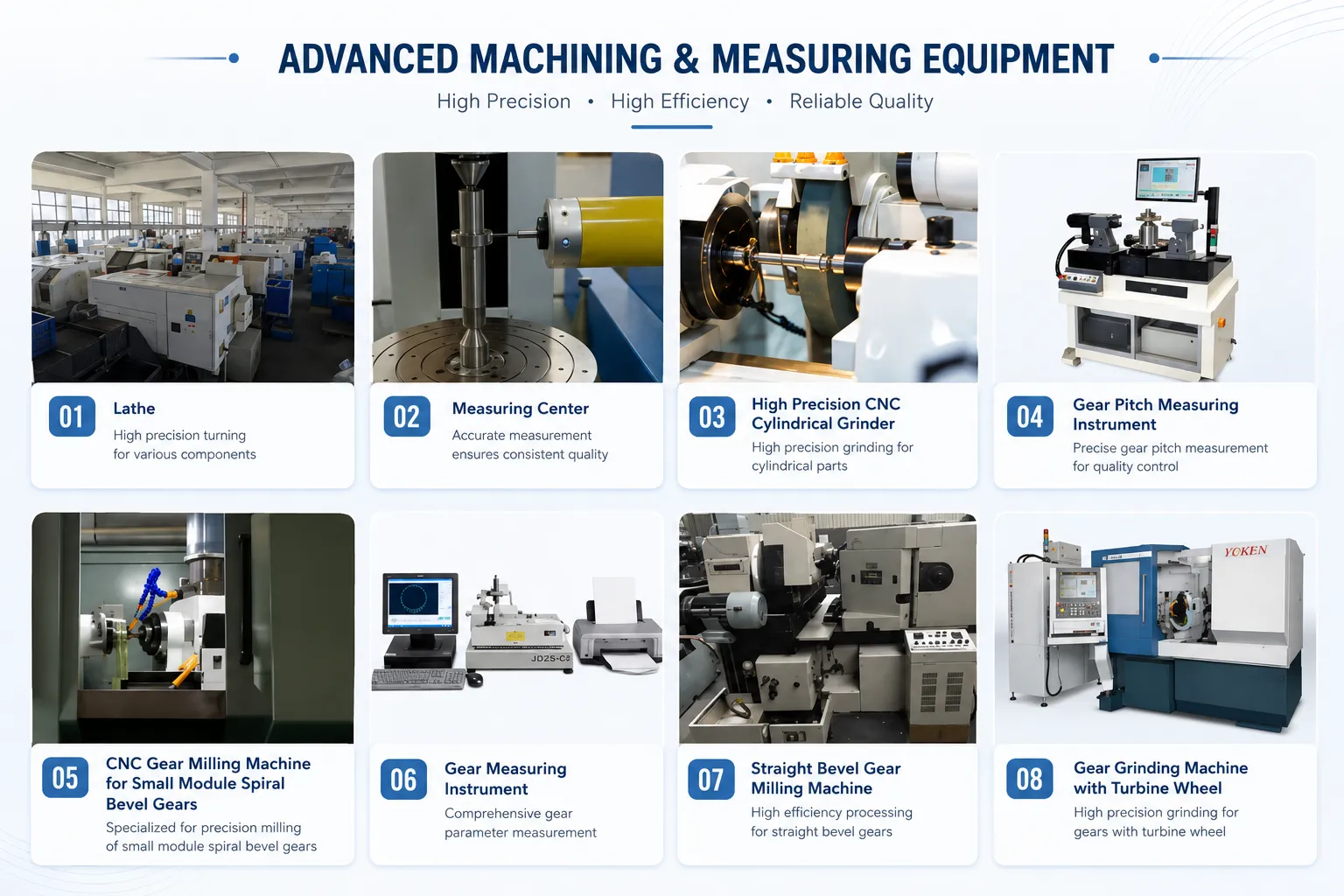
Precision Measurement Equipment
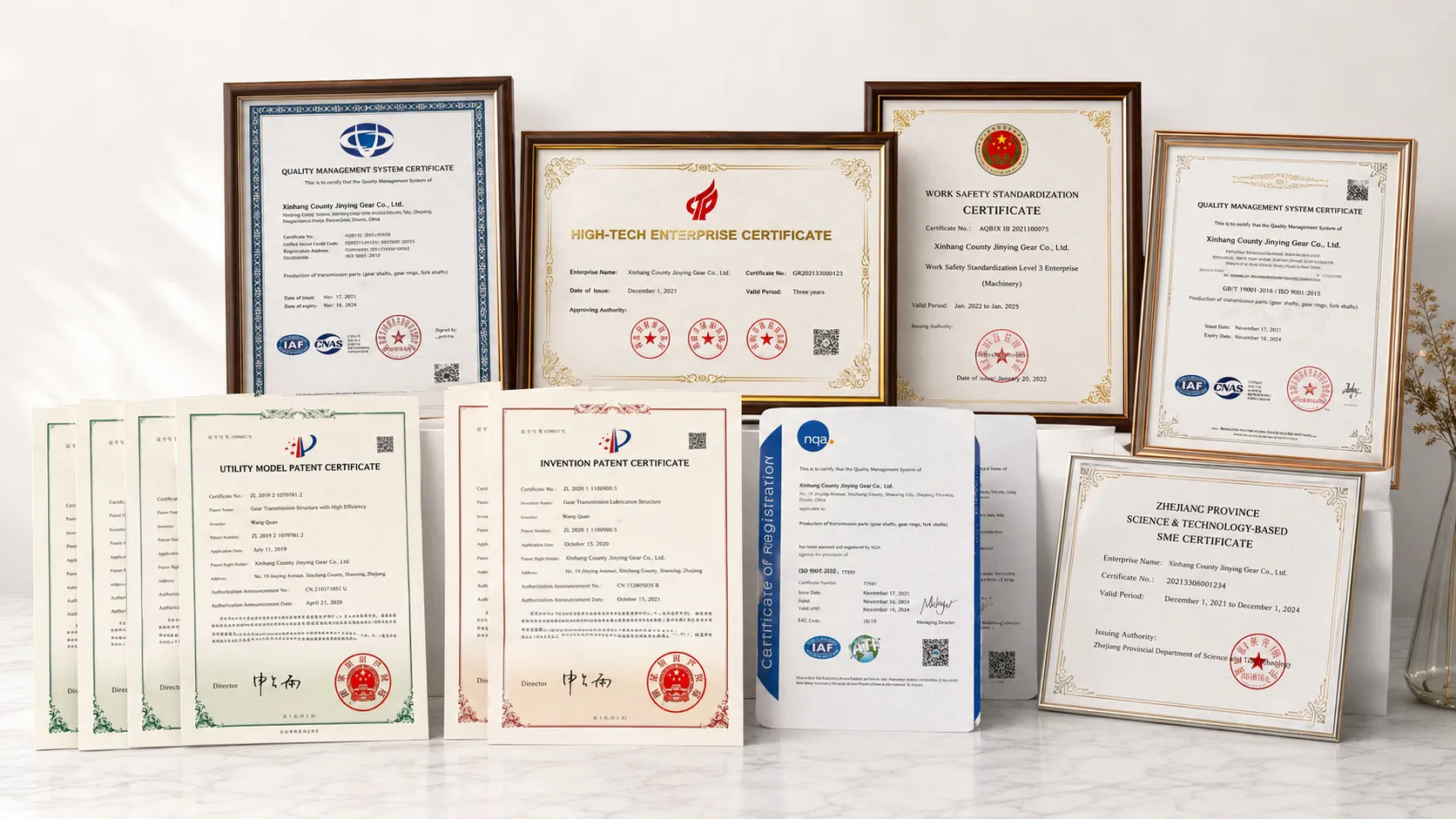
ISO 9001:2015 and Quality Certificates

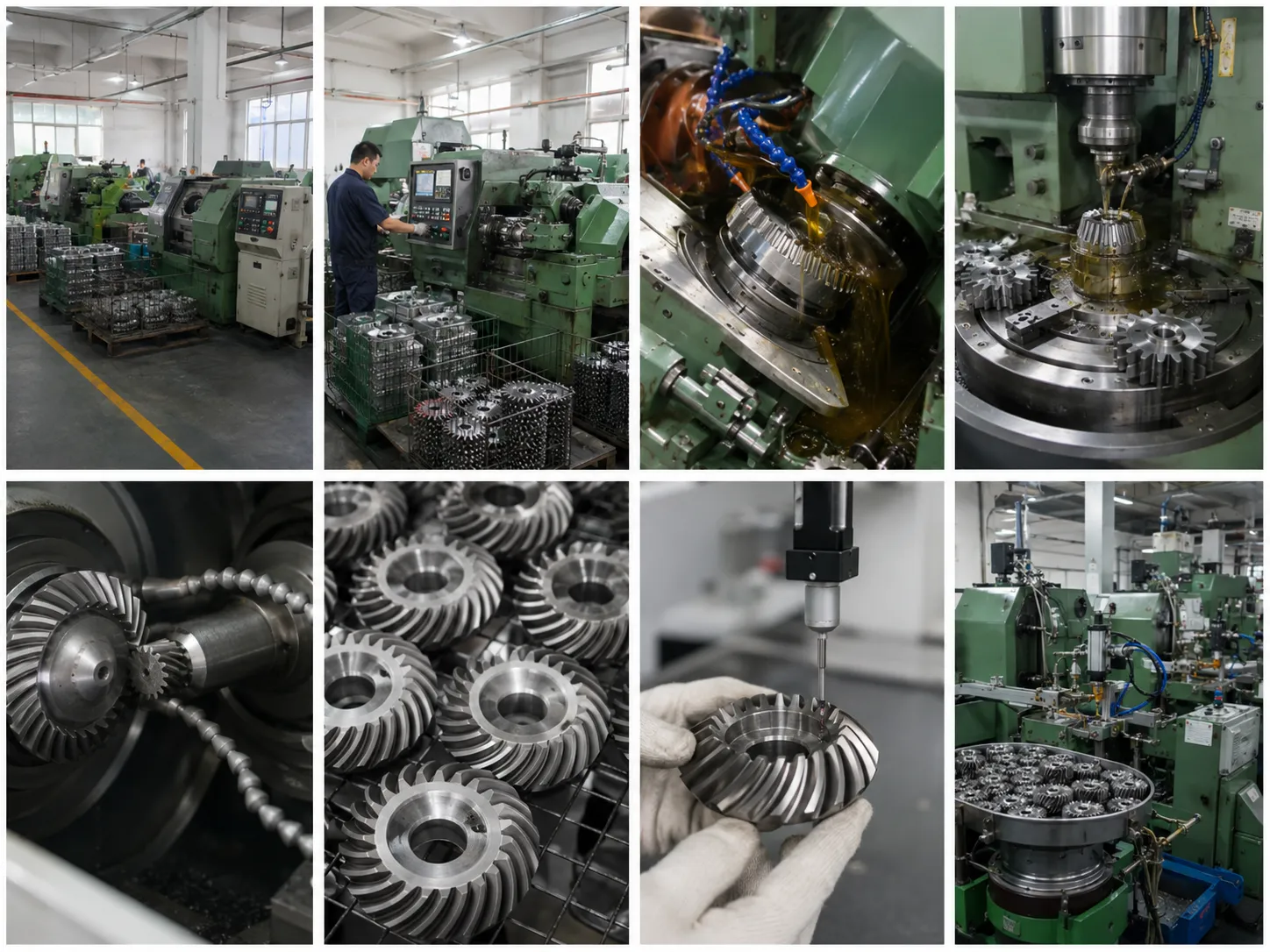
Ever-Power operates 30 fully automatic precision CNC rack milling lines producing metric gear racks from module M1 through M32 in spur and helical profiles. ISO 9001:2015 quality management covers incoming material verification, in-process tooth-cutting and heat treatment monitoring, and outgoing dimensional and hardness inspection. Every metric gear rack order ships with material certificate, heat treatment record, and dimensional inspection report covering pitch error, tooth form, and face width. Custom metric and non-standard module racks are our daily production — no order is too small or unusual.
Browse the full range on the Ever-Power main site: all gear racks, spur gears, helical gears, bevel gears, planetary gear sets, worm gear wheels, ring gears, and plastic gears.
Related Gear Products
Ever-Power manufactures the complete range of industrial gear types alongside gear racks. If your drive system requires matched pinions, reduction gears, or associated gear types, the following product families are available from the same source.
Spur Gears
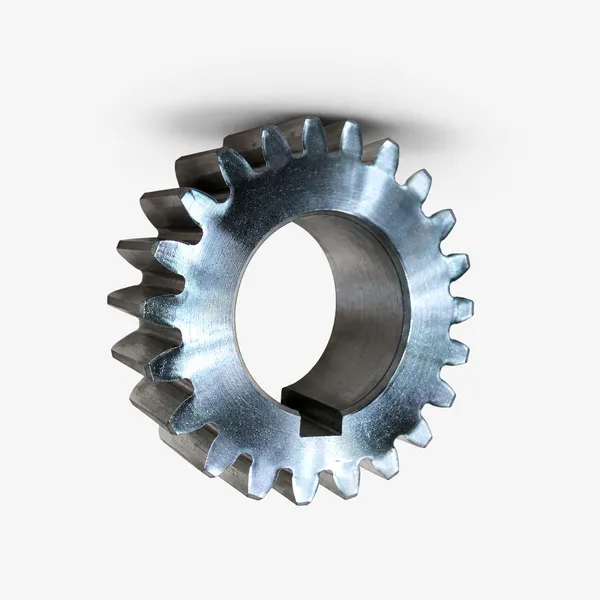
Pinion gears matching our spur gear rack range; standard modules m0.5 to m20.
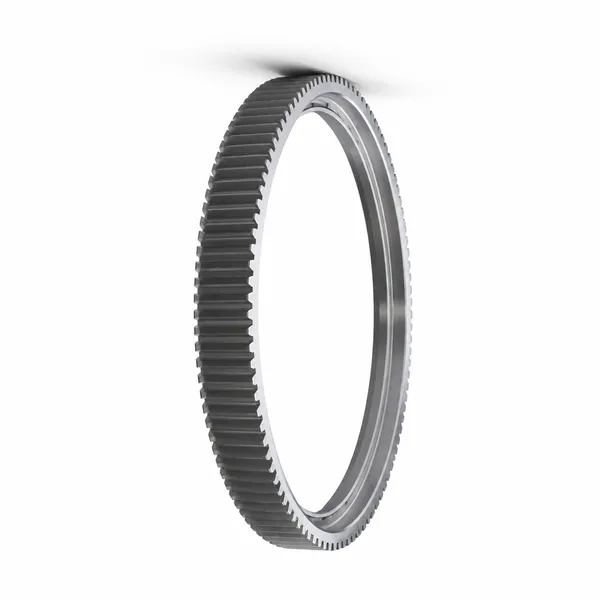
Ring Gears
Large-diameter internal or external ring gears for rotary and slewing drives.
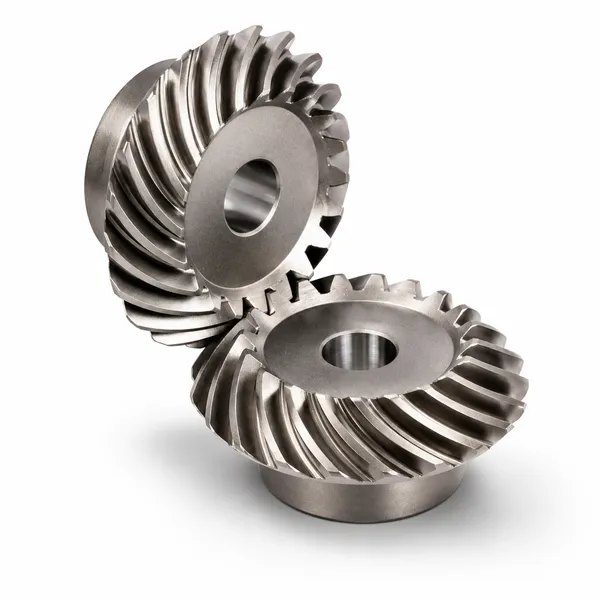
Engrenages coniques
Straight and spiral bevel gears for right-angle drives and gear motor input stages.
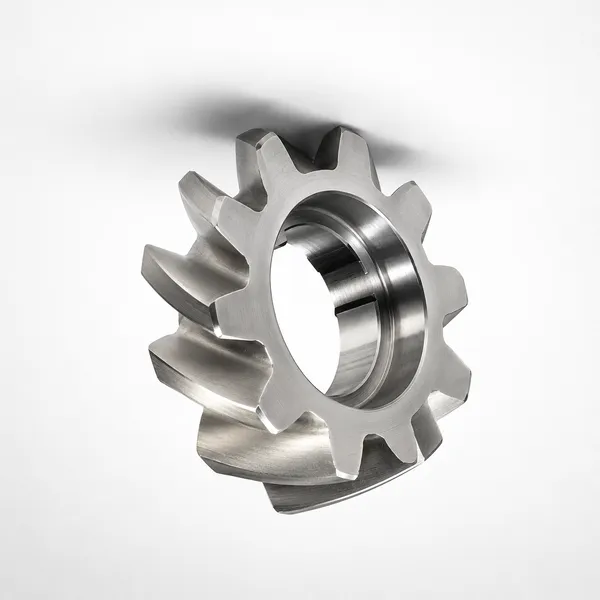
Helical Gears
Helical pinions for high-speed, low-noise rack drives and reduction stages.
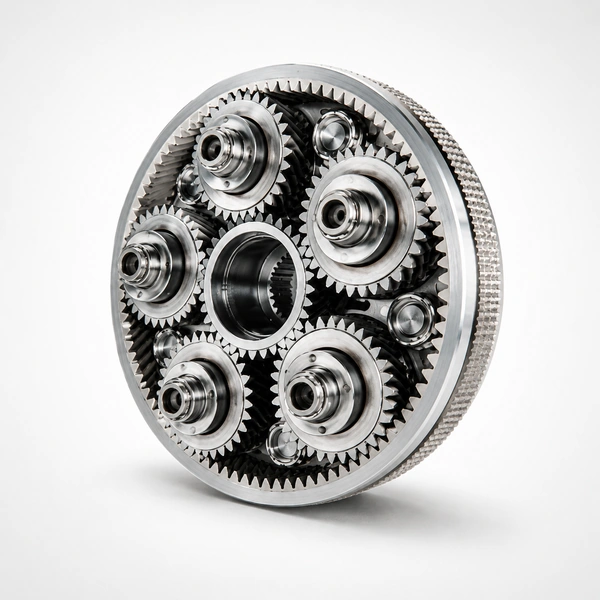
Planetary Gear Sets
Compact in-line reducers paired to servo motors; output shaft connects to the rack pinion.
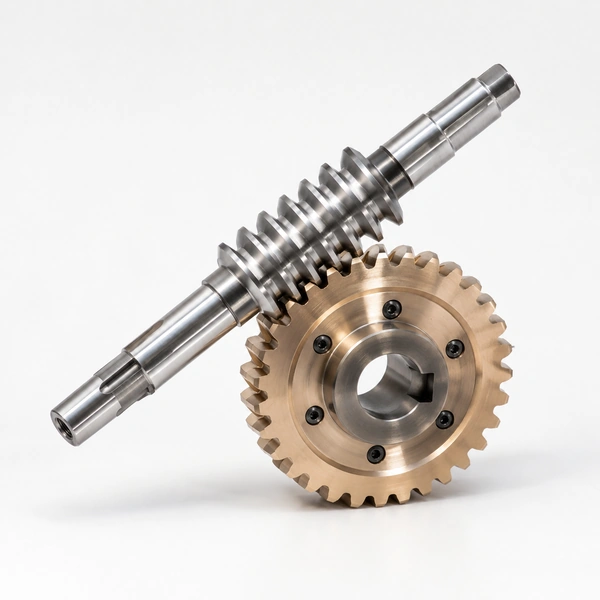
Worm Gear Wheels
Self-locking worm reducers for vertical rack axes holding position under gravity load.
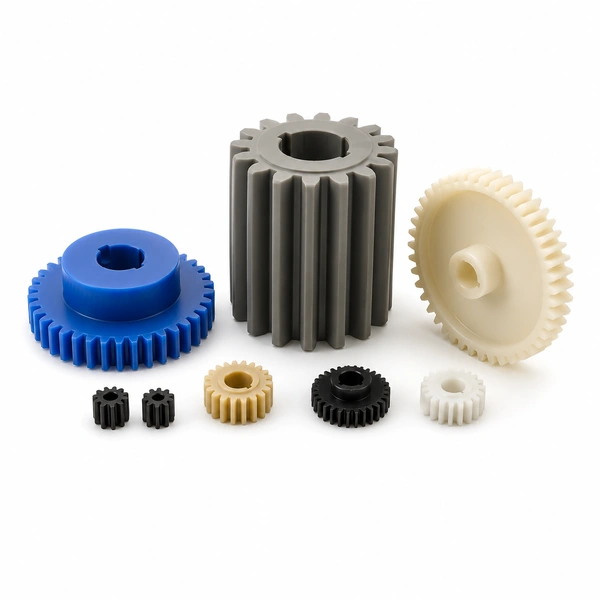
Plastic Gears
Nylon, POM, and polycarbonate pinion gears for light-duty, lubrication-free rack drives.
Frequently Asked Questions
What is a metric gear rack and how does it differ from an inch rack?
A metric gear rack specifies tooth pitch in module — a metric unit where module 1 gives tooth pitch of pi mm (3.14159 mm). An inch rack specifies tooth pitch in diametral pitch (DP) or circular pitch in inches. The two systems are not interchangeable — a metric pinion will not mesh correctly with an inch rack and vice versa. Most industrial equipment manufactured outside North America uses metric module racks. When replacing a rack in an existing machine, always measure the tooth pitch in mm and calculate module (pitch divided by pi) before ordering, to avoid specifying the wrong system.
How do I reduce backlash in a metric gear rack drive?
Backlash is the clearance between mating tooth flanks and is present in all standard rack drives. The primary reduction methods are: (1) use a DIN5-6 precision ground rack with a closely matched precision pinion and accurate centre distance control — this minimises backlash at zero cost in hardware; (2) twin-pinion preload arrangement — two pinions spring-loaded in opposing directions eliminate backlash at the cost of additional friction; (3) spring-loaded single pinion — pushes the pinion radially against the rack, effective for light loads only. The twin-pinion preload system is the industry standard for precision CNC servo axes.
What are the three key accuracy metrics for a metric gear rack?
The three metrics that most directly affect system performance are: (1) Pitch deviation — the difference between actual and theoretical tooth spacing, measured cumulatively over 300 mm; this drives positioning error in open-loop systems and is the primary driver of precision grade specification; (2) Tooth form error — deviation of the actual tooth flank from the theoretical involute; this affects load distribution and increases vibration and noise; (3) Backlash — the gap between tooth flanks in the direction of motion; this produces dead-band in positioning and is the primary accuracy concern in servo-driven closed-loop systems. Specify DIN grade requirements for all three metrics when ordering precision metric gear racks for automation applications.
Request a Quotation for Metric Gear Racks
Send your module, tooth profile, length, material, precision grade, and quantity. Price returned within 12 to 24 hours.
Informations complémentaires
| Editor |
|---|
Produits similaires
-
Gear Rack and Pinions | Custom Precision Carbon Steel, OEM Supply
-
Round Gear Rack | Cylindrical Bar Rack, M1 Steel, Custom OEM Supply
-
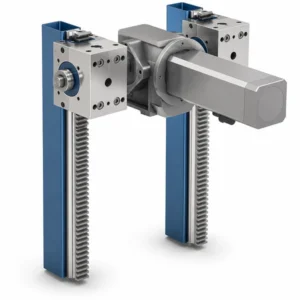
Gear Rack for Greenhouse | Ventilation, Irrigation and Shading Rack Systems
-
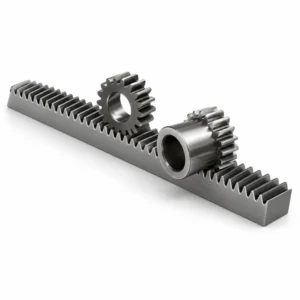
Helical Gear Rack | High-Speed Low-Noise Rack and Pinion, Custom OEM
-
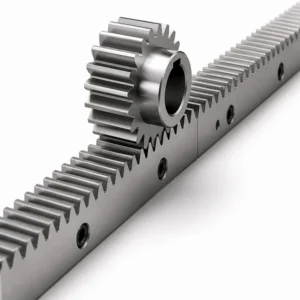
Gear Rack for Rack Actuator | Valve, Gate and Damper Control, OEM Supply
-
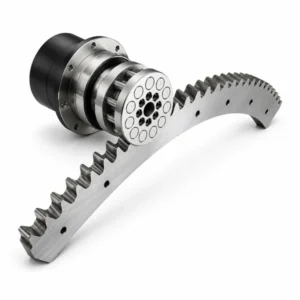
Rack and Pinion Steering Gear Rack | Automotive Steering Rack Supplier
-
Gear Rack for Automobiles | Steering Rack, EPAS, OEM Replacement Supply
-
Gear Rack and Pinion | Spur, Helical, Ground and Custom OEM Supply
 French
  English
  Italian
  Korean
  Japanese