
High Speed Train Hard Tooth Flank Helical Gear – 56-62 HRC
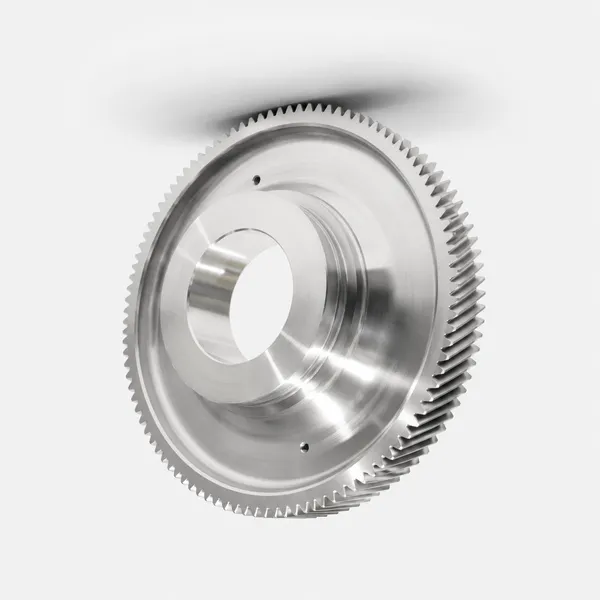
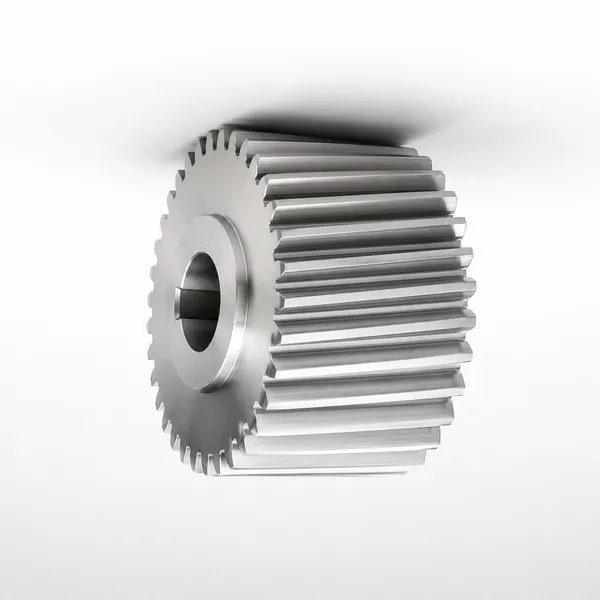
Korea Ever-Power high speed train locomotive hard tooth flank helical gears are produced in 17CrNiMo6 alloy steel through forging, turning, hobbing, carburising, external grinding, and tooth grinding to DIN 3962 Class 6 accuracy. The standard production example is Mn4, Z132, β18° — a large, high-tooth-count wheel typical of traction gearbox output stages in electric and diesel-electric locomotives and EMU sets. 17CrNiMo6 carburising steel provides the combination of 58–62 HRC case hardness and exceptional core toughness required for traction gear sets that must survive high continuous loads, acceleration torque peaks, and the vibration environment of rail operation.
Product Overview
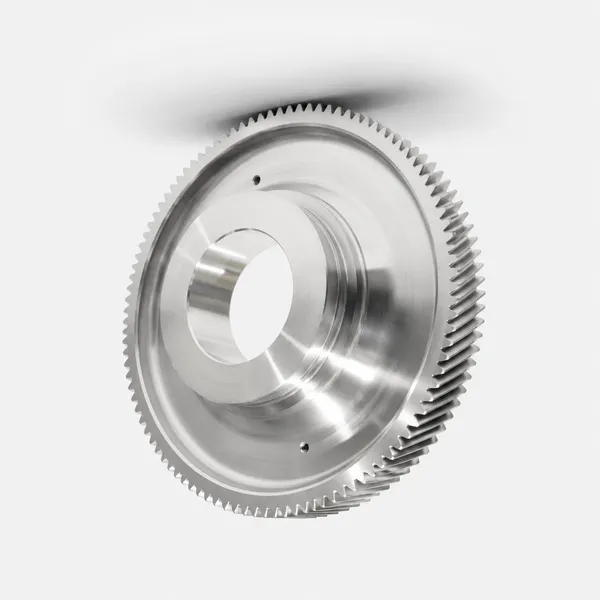
High speed train and locomotive hard tooth flank helical gears are the most performance-critical gear application in land transportation. The traction gearbox of a high-speed train or electric locomotive must transmit the full traction motor output continuously at high speed, absorb the vibration and shock of rail joints and wheel flats, and do so without maintenance access between scheduled wheelset overhauls that may be separated by hundreds of thousands of kilometres. No other gear application combines high continuous power, high pitch-line speed, and such extended maintenance intervals.
Korea Ever-Power produces these gears in 17CrNiMo6 — a nickel-chromium-molybdenum alloy specifically selected for railway traction gear applications where the nickel content enhances toughness at the tooth root core without sacrificing the case hardenability needed to achieve 58–62 HRC at the tooth flank. The production process: forging → turning → hobbing → carburising → external grinding → tooth grinding. The standard example (Mn=4, Z=132, β=18°) is a large, high-tooth-count helical gear wheel typical of a traction gearbox output stage driving the axle gear through the bull gear.
According to the failure modes of gear transmission, the basic requirements for gear materials in traction applications are that the tooth surface must be hard (to resist pitting and scuffing at high contact stress) while the tooth core must be tough (to absorb bending fatigue and the impact loading from rail irregularities). Forged steel in 17CrNiMo6 is the standard material for traction gear sets in this application: it provides the hardenability depth needed for large gear sections, the nickel-enhanced core toughness that resists tooth root fracture under shock loads, and the dimensional stability after carburising that allows reliable achievement of DIN 3962 Class 6 accuracy after post-hardening grinding.
Technical Specifications
| Gear Basic Data | |
|---|---|
| Gear Tooth Shape | Involute |
| Gear Material | 17CrNiMo6 (nickel-chromium-molybdenum case-hardening alloy for railway traction) |
| Gear Process | Forging → turning → hobbing → carburising → external grinding → tooth grinding |
| Pressure Angle | 20° |
| Quality Level | DIN 3962 Class 6 |
| Gear Type (Example) | Mn = 4, Z = 132, β = 18° |
| Tooth Hardness (Case) | 58–62 HRC after carburising, quenching, and tempering |
| Material Selection Basis | Tooth surface hard; tooth core tough — forged 17CrNiMo6 achieves both for traction applications |
| Structural Design Basis | Diameter-based structural form selection; empirical data-based structural completion |
| Flaw Detection | 100% fluorescent magnetic particle inspection on all grinding surfaces; grinding cracks verified absent |
| Traceability | Permanent traceability code — heat treatment furnace number and raw material batch |
| Grinding Equipment | Gear grinding machines; DIN 2–3 (small batch), DIN 5–6 (mass production) |
| OEM / Custom | PPAP files; design cooperation; reverse engineering from worn sample |
Production Capabilities — Internal Gears and Internal Splines
| Milling | Shaping | Tooth Grinding | |
|---|---|---|---|
| Maximum O.D. | 2,500 mm | 2,500 mm | 2,500 mm |
| Minimum I.D. | 650 mm | 50 mm | 100 mm |
| Maximum Face Width | 500 mm | 500 mm | 500 mm |
| Maximum Module | 26 mm | 26 mm | 45 mm |
| AGMA / DIN Level | DIN Class 8 | DIN Class 8 | DIN Class 4 |
| Tooth Surface Finish | Ra 3.2 | Ra 3.2 | Ra 0.6 |
| Maximum Helix Angle | ±22.5° | ±22.5° | ±45° |
Production Capabilities — External Gears and External Splines
| Hobbing | Milling | Tooth Grinding | |
|---|---|---|---|
| Maximum O.D. | 1,250 mm | 2,500 mm | 2,500 mm |
| Minimum O.D. | 20 mm | 200 mm | 20 mm |
| Maximum Face Width | 500 mm | 500 mm | 1,480 mm |
| Maximum Module | 26 mm | 26 mm | 45 mm |
| AGMA / DIN Level | DIN Class 8 | DIN Class 8 | DIN Class 4 |
| Tooth Surface Finish | Ra 3.2 | Ra 3.2 | Ra 0.6 |
| Maximum Helix Angle | ±45° | ±45° | ±45° |
Material Selection and Structural Design for Traction Gear Sets
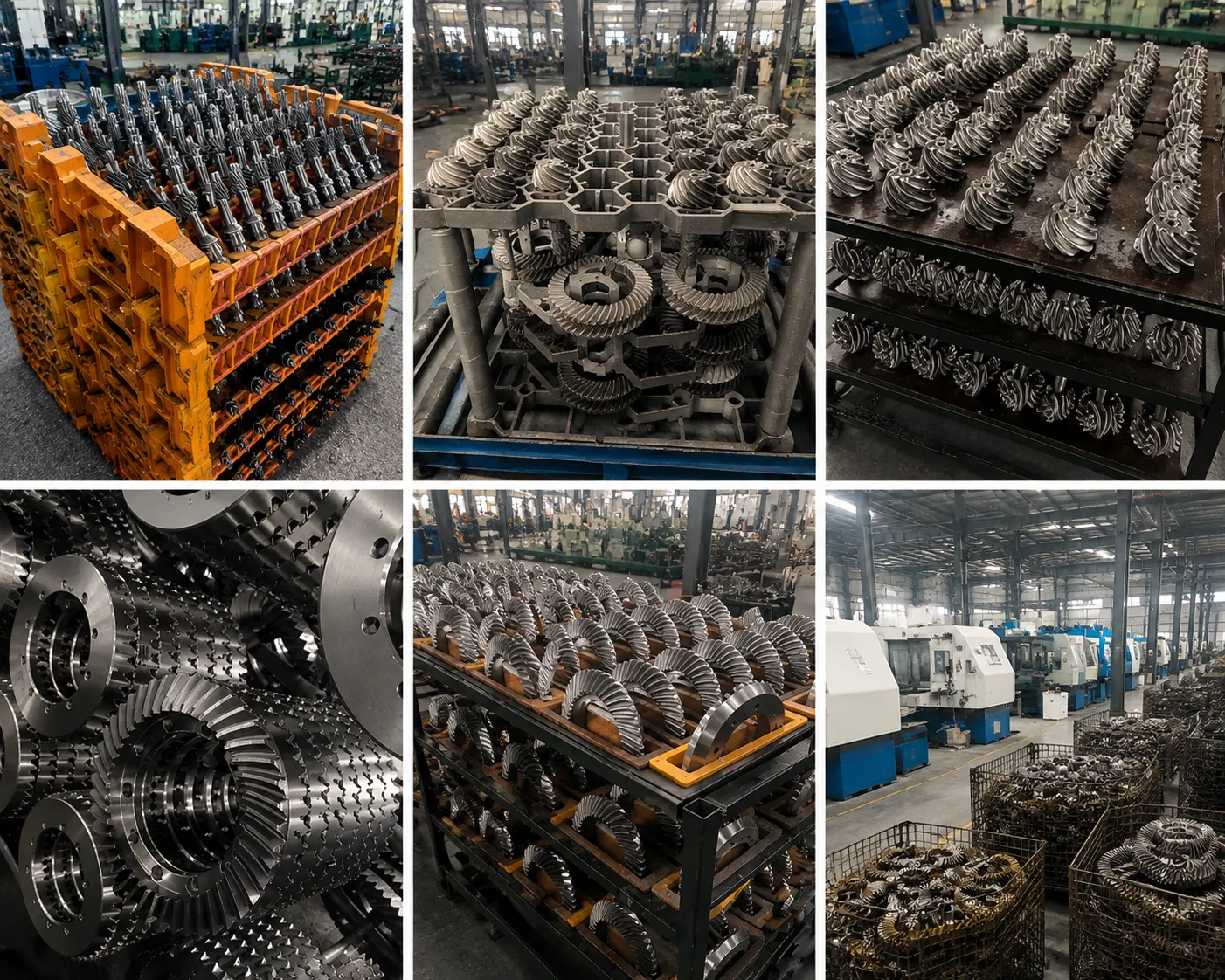
The failure modes of gear transmission determine the material property requirements. For traction gears, the primary failure modes are surface pitting (from the high Hertzian contact stress at the tooth flank) and tooth root bending fatigue (from the repeated cantilever bending stress at each tooth engagement cycle). Resistance to pitting requires a hard tooth surface; resistance to bending fatigue and impact fracture requires a tough tooth core. The two requirements point to different material properties, which is why case-hardening steels — with a hard carburised case over a tough alloy steel core — are the universal choice for traction gears.
Forged Steel — 17CrNiMo6
Forged steel is the most commonly used material in gear design for traction applications. 17CrNiMo6 is a high-purity case-hardening alloy steel with 1.4–1.7% nickel (for core toughness), 1.5–1.8% chromium (for hardenability), and 0.25–0.35% molybdenum (to prevent temper embrittlement and further improve hardenability). The forging process aligns the grain structure with the tooth profile geometry, improving fatigue resistance compared with bar-stock-machined gears of the same chemistry.
Cast Steel — for Giant Gears
Cast steel is frequently used for very large gears where forging capacity is the limiting constraint. Cast gear blanks can be produced in sizes that exceed the capacity of available forging presses, but at the cost of a less directionally aligned grain structure and potentially higher inclusion content. For traction gears at the sizes encountered in high-speed train applications, forged blanks remain the preferred choice where forging capacity is available.
Cast Iron — for Low-Load, Low-Speed Applications
Cast iron is used in situations where operation is stable, speed is low, and power is modest. It is not appropriate for traction gear applications. The distinction is noted here because the same gear classification system that includes traction gears also covers low-load drives where cast iron is a cost-effective choice — the material selection must always be driven by the specific application's load and speed requirements.
Structural Design — Diameter-Based Form Selection
The structural design of a traction gear — whether solid disc, spoked, or hub-and-rim — is selected based on the gear diameter, with empirical data from previous successful designs completing the detail design. Larger diameters favour spoked or webbed constructions for mass reduction; smaller diameters use solid disc construction. The structural form selected must also accommodate the differential thermal expansion between the gear bore and the axle, which is particularly important in railway traction applications where the gear operates across a wide ambient temperature range.
Why Korea Ever-Power for Railway Traction Helical Gears
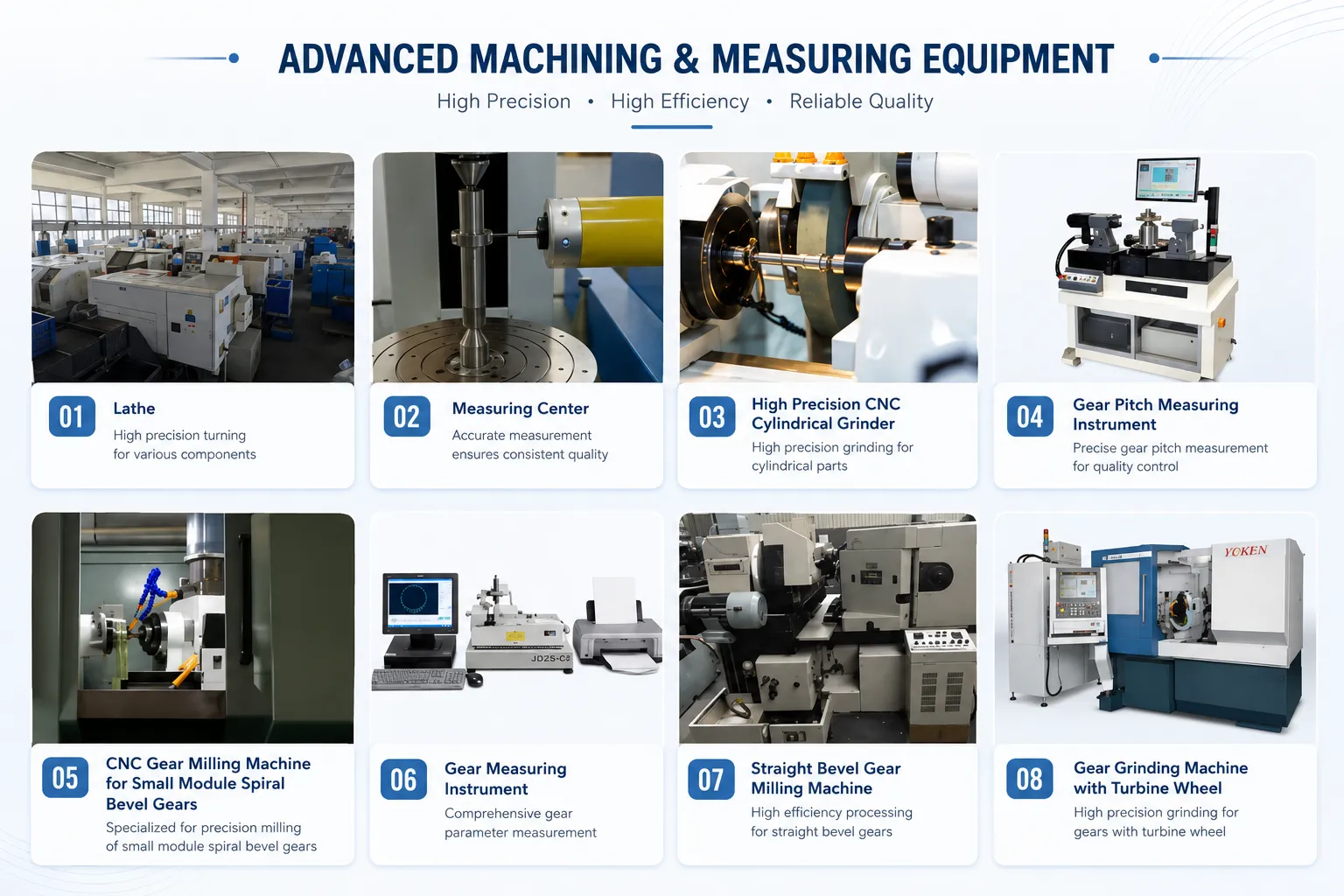
- R&D capability and world-class design software — Korea Ever-Power's R&D centre, established with leading national universities, uses world-leading gear design software. Our engineering team designs gear geometry optimised for the specific traction application, covering load distribution, contact ratio, tooth profile modification, and case depth specification.
- German HÖFLER gear grinding machines — the industry's reference equipment for precision gear grinding. Capable of spur, helical, herringbone, inner spur, and inner helical gears. DIN 2–3 precision in small batch for prototype and development gear sets; DIN 5–6 in production. The Mn=4, Z=132 traction wheel is within the HÖFLER's capacity for both size and face width.
- 100% fluorescent magnetic particle inspection — every ground surface on every traction gear is inspected by fluorescent magnetic particle flaw detection. Grinding cracks — which initiate bending fatigue fracture at the tooth root — are eliminated before shipment. In a traction gearbox, a tooth fracture at operating speed causes catastrophic damage to the gearbox and may cause wheelset derailment.
- Optimised logistics and packaging — unique transportation jig design and a complete logistics packaging plan ensure that precision-ground traction gears arrive without fretting damage to the tooth flanks. Large railway traction gears are particularly vulnerable to fretting during transport if the packaging does not prevent micromotion between the gear tooth flanks and any contact surfaces during vibration in transit.
- Full traceability to furnace and material batch — a permanent traceability code on each gear links to the complete production record. For railway traction gear sets subject to national rail authority documentation requirements, this traceability is not optional — it is a condition of approval for use in mainline service.
Applications
High Speed Train EMU Sets
Traction gearboxes on electric multiple unit (EMU) sets operating at 200–350 km/h. The combination of high pitch-line speed, continuous maximum power, and million-kilometre overhaul intervals demands the highest gear accuracy and the best available material quality. 17CrNiMo6 carburised to DIN 6 is the standard specification for these applications.
Electric Locomotives
AC and DC electric locomotive traction gearboxes where the gear set must transmit the full continuous traction motor power while absorbing wheel-rail vibration and occasional wheel flat impacts. The large Mn=4, Z=132 wheel example is typical of electric locomotive gear proportions at standard gauge.
Diesel-Electric Locomotives
Diesel-electric locomotive traction gearboxes and final drive stages. The power pulses of the diesel prime mover, transmitted through the alternator and traction motors, create additional dynamic loading on the traction gear set — further emphasising the importance of core toughness in 17CrNiMo6.
Metro and Light Rail
Urban metro and light rail traction gearboxes operating at higher cycle counts than intercity trains due to shorter station spacing. The accelerate-decelerate duty cycle imposes more frequent peak torque events on the gear set — the core toughness of 17CrNiMo6 is well matched to this cyclic torque profile.
Aviation Ground Support
Airport people-mover and baggage-handling system drives using high-accuracy carburised helical gears in 17CrNiMo6. The reliability requirements for airport ground systems are comparable to railway traction — unplanned downtime is unacceptable in a high-throughput terminal environment.
Industrial High-Speed Drives
Industrial gearboxes for compressors, centrifuges, and high-speed test stands where the pitch-line speed exceeds 25 m/s and the gear accuracy requirement is DIN 5–6. The same material, process sequence, and quality assurance applied to traction gears is transferred to these high-performance industrial drives.
Frequently Asked Questions
What is the difference between 17CrNiMo6 and 18CrNiMo6 used in mining gears?
17CrNiMo6 and 18CrNiMo6 are closely related nickel-chromium-molybdenum case-hardening steels with essentially identical nickel (1.4–1.7%), chromium (1.5–1.8%), and molybdenum (0.25–0.35%) contents. The minor difference is in the nominal carbon content: 17CrNiMo6 has 0.14–0.19% carbon versus 0.15–0.21% for 18CrNiMo6. This difference is within the normal chemistry variation band and does not produce a significant difference in mechanical properties in the finished gear. Both grades are used interchangeably in high-performance traction and mining gear applications; the choice is typically dictated by the OEM's material specification or by what is available in the required bar or forging blank size from the steel mill at the time of order.
Why does the traction gear example have 132 teeth at module 4?
The high tooth count (Z=132) at moderate module (Mn=4) reflects the design trade-off in traction gearboxes. A higher tooth count at the same module gives a larger pitch diameter and therefore a higher pitch-line speed at the gear mesh for a given wheel speed — which improves load sharing across more simultaneously meshing tooth pairs. The pitch diameter of this example is approximately Mn × Z = 4 × 132 = 528 mm, consistent with the bull gear in a typical standard-gauge locomotive traction gearbox. The moderate module of 4 keeps the tooth depth and fillet radius at values that balance bending fatigue strength with the grinding allowance needed to achieve DIN 6 accuracy after carburising.
What documentation is required for railway authority approval?
Railway traction gear sets supplied to rolling stock OEMs typically require: material certificate (chemical composition to the specified grade), mechanical test certificate (tensile, yield, elongation, impact energy from the same heat), heat treatment records (carburising cycle, quench and temper times and temperatures), case depth measurement (microhardness traverse across the tooth section), 100% FMPI certificate, and dimensional inspection report to DIN 3962 Class 6. Traceability code on each gear linking to all of the above. Korea Ever-Power provides all of these as the standard documentation package for traction gear orders. Classification society certification (for marine traction applications) is available as an additional service.
What should I do if I cannot identify a failed traction gear?
Send us the damaged gear. Korea Ever-Power specialises in reverse engineering of railway traction gears. Provide any available information — the vehicle type, wheelset diameter, gearbox manufacturer, and approximate gear ratio — alongside the physical sample. Our team will measure the module, tooth count, helix angle, bore, and hub dimensions, identify the closest standard geometry, and prepare a production drawing for approval before cutting begins. For traction gears where only the mating gear (pinion or wheel) is damaged and the other member is undamaged, we can measure the undamaged member to derive the damaged gear's geometry more precisely.
How is the lowest price achieved for traction gear orders?
The primary cost drivers are gear size (which determines forging blank cost and machine time), material specification, case depth requirement, and accuracy grade. For traction gear programmes with a defined annual quantity, the per-unit cost decreases as the order quantity increases — larger batch sizes allow the carburising furnace run and grinding setup to be amortised across more parts. Providing the complete drawing with all specifications at the enquiry stage gives the most accurate quotation and avoids scope growth during negotiation. Contact our team with your drawing and programme quantity for a detailed price structure.
Customer Reviews
"We overhaul electric locomotive traction gearboxes and needed Mn=4, Z=132 carburised helical wheels in 17CrNiMo6 at DIN 6. The OEM had a 32-week minimum lead time. Korea Ever-Power produced from our worn wheel sample — measured the geometry, prepared a drawing, submitted for our review within 7 working days, produced, and delivered within our planned overhaul window. Dimensional report confirmed DIN 6 on all tooth parameters."
Kim Jae-il | Traction Gearbox Overhaul Manager, Busan Rail Maintenance Depot · Q1 2026
"We supply replacement traction gear sets to metro operators and qualify our suppliers against EN 13260 documentation requirements. Korea Ever-Power's hard tooth flank helical gears passed our incoming inspection and documentation review at first delivery. The traceability code links correctly to the heat treatment and material records in the package. Two years of supply; no gear-related failures in field service."
Lee Sang-chul | Quality Assurance Lead, Seoul Metro Traction Equipment Co. · Q3 2025
"We design traction gearboxes for diesel-electric locomotives and engaged Korea Ever-Power for design cooperation on a new gear pair optimised for a revised traction motor. Their R&D team produced the gear geometry proposal including tooth profile modification recommendations for the dynamic loading profile. PPAP Level 3 package was completed and approved at first submission."
Park Sung-jin | Traction Gearbox Design Manager, Daejeon Rail Vehicle Systems · Q4 2025
"We operate a fleet of airport people-movers and needed 17CrNiMo6 carburised helical gears at DIN 6 with full traceability for our asset management system. Korea Ever-Power supplied with the traceability code format we specified — linked to our CMMS asset record. After 3 years of operation, the gear sets at planned inspection show wear within the expected range with no pitting initiation."
Choi Byeong-il | Asset Engineering Manager, Incheon Airport Ground Transport · Q2 2025
"We manufacture high-speed centrifugal compressors for industrial gas service and qualified 17CrNiMo6 carburised helical gears from Korea Ever-Power for our bull gear stage. HÖFLER-ground to DIN 5 accuracy confirmed by our incoming CMM check. Pitch-line speed at operating point exceeds 80 m/s — no vibration anomaly at the gear mesh frequency detected in the compressor's vibration monitoring system after 18 months of operation."
Ryu Hyeon-woo | Rotating Equipment Engineer, Ulsan Industrial Gas Co. · Q1 2026
Related Products
Request a Quotation for High Speed Train Hard Tooth Flank Helical Gears
Send drawing or worn gear sample. Specify vehicle type, module, tooth count, helix angle, case depth, and documentation requirements (EN standard, PPAP level). 8D quality support; full traceability documentation provided as standard.
Informazioni aggiuntive
| Editor |
|---|
Prodotti correlati
-
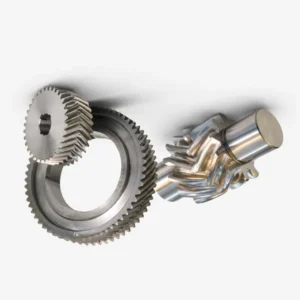
Customized Double Helical Gear – OD 100-5000mm, OEM Design
-
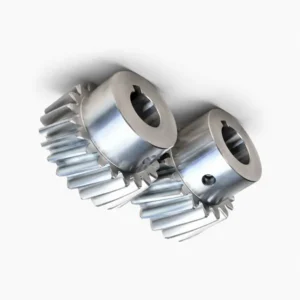
Parallel Axis Helical Gears – Steel, Custom Module & Ratio
-
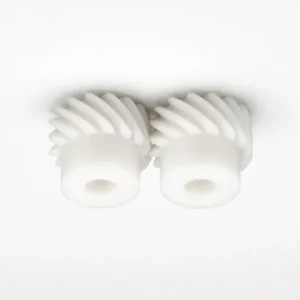
Plastic Helical Gear – POM, Nylon, M0.5-M3, Custom Moulded
-
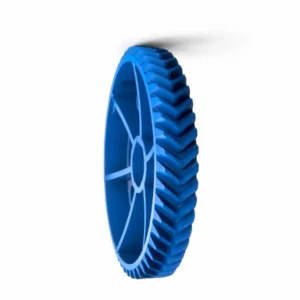
Automotive Double Helical Gear – POM, PA, PEEK, M0.15-M2.2
-
Heavy Machinery Double Helical Gear – 42CrMo, 50-55 HRC
-
Metallurgy Machinery Soft Tooth Flank Helical Gear – ≤350HB
-
Beverage Packing Machinery Helical Gear – SS, Food Grade
-
Industrial Alloy Steel Double Helical Gears – Custom OEM
 Italian
  English
  Korean
  French
  Japanese