
Plastics Injection Mold Wheel Plastic Gear
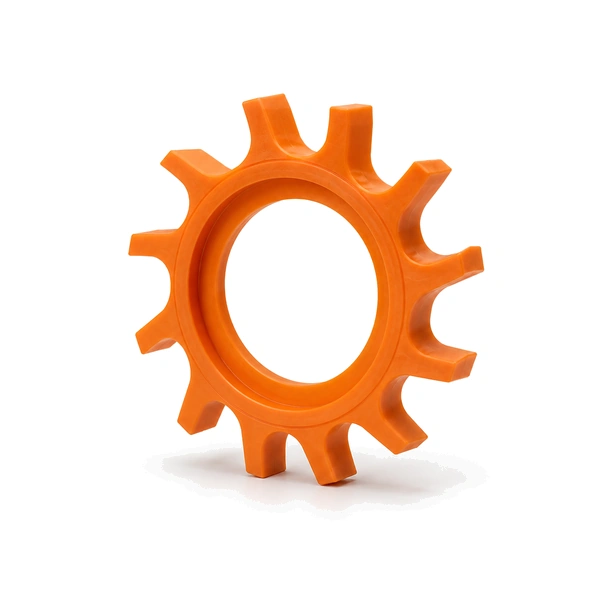
Custom Plastics Injection Mold Wheel Plastic Gear from Korea Ever-Power — Hangzhou plastic gear manufacturer. POM, MC Nylon, PA66, PEEK, UHMWPE. ISO9001, SGS, FDA, RoHS certified. Custom size, colour, material. 24hr quote.
Product Overview
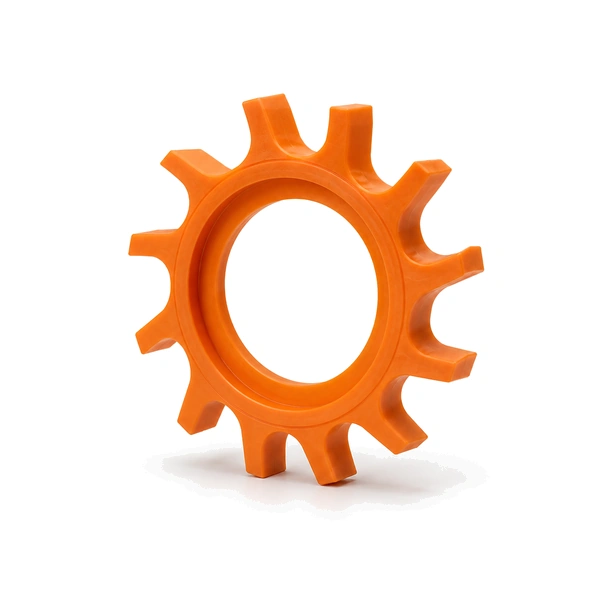
Plastics injection mould wheel plastic gears — Korea Ever-Power's injection moulding service produces custom plastic mould wheel gears in any thermoplastic material, at any quantity, to customer drawing or sample. Product name: plastic mould wheel. Mould materials: per customer request. Tolerance: −0.1 mm to +0.1 mm. Injection moulding is the lowest-cost production method for plastic gear wheels at volumes above 100–500 pieces: the mould investment is amortised over the production run, giving a lower per-piece cost than CNC machining at high volumes. Plastic mould wheel gears used in various applications are valued for their durability, wear resistance, and quiet rotation — and are 15–20% lighter than steel gears at significantly lower cost when mass-moulded.
Korea Ever-Power's injection mould wheel plastic gears serve a wide range of applications due to their durability, wear resistance, and quiet rotation — from low-load consumer applications to medium-load industrial applications where engineers have carefully considered the gear's torque, RPM, shock loads, clearance requirements, inertia, and chemical exposure to confirm plastic injection mould wheels are the correct solution. Quote 24 hours. Mould lead 25–35 days (15 days simple). Start from sample. Video QC before delivery.
Mould Wheel Gear
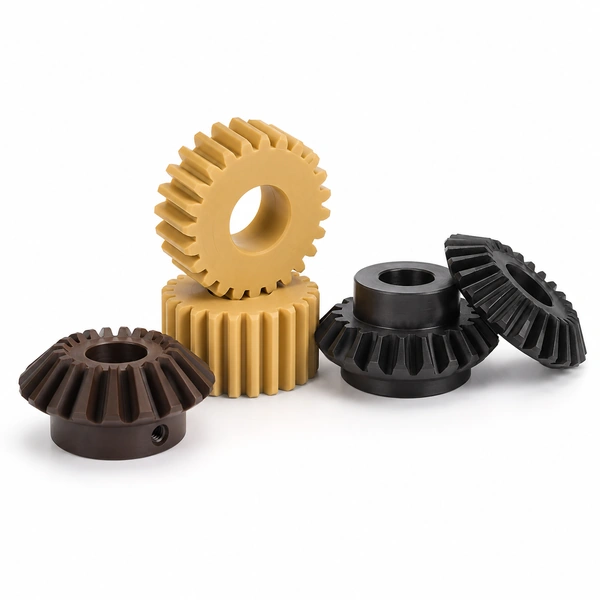
Custom Parts
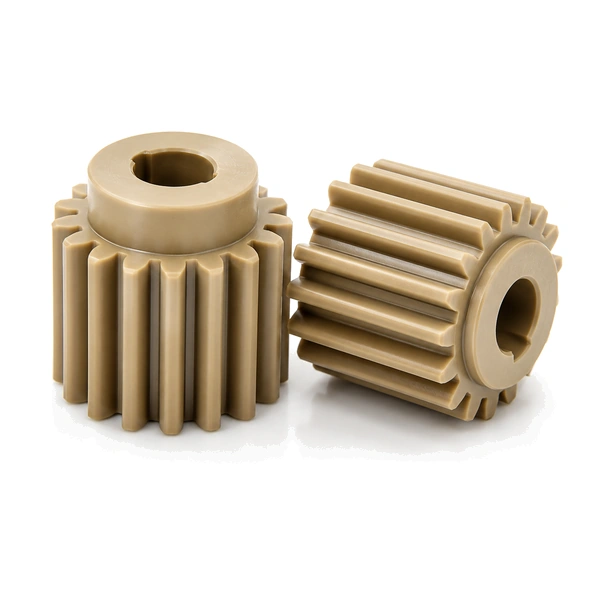
Customisation
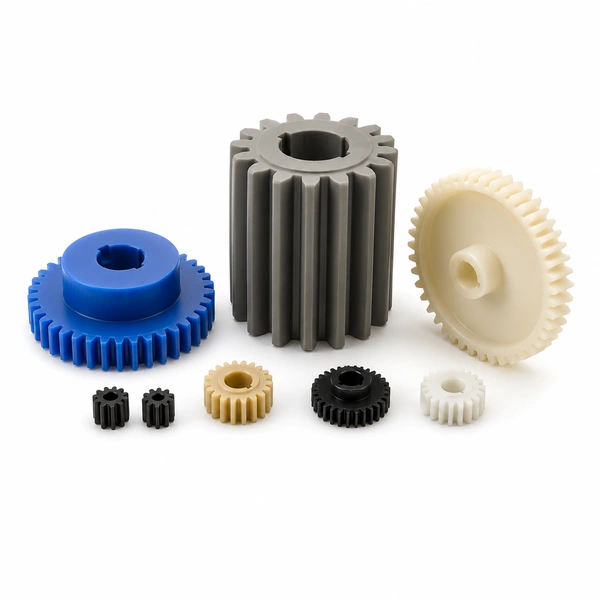
Full Range
Technical Specifications
| Parameter | Detail |
|---|---|
| Product Name | Plastic mould wheel (injection-moulded plastic gear) |
| Mould Materials | Per customer request — S136H, NAK80, 718H, SKD61, H13, 420 hot-hard |
| Tolerance | −0.1 mm to +0.1 mm (standard); ±0.05 mm for precision grades |
| Production Method | Injection moulding — lowest cost per piece at volume > 100–500 pcs |
| Weight vs Steel | 15–20% lighter than equivalent steel gears |
| Noise vs Metal | Quieter than metal gears — plastic teeth deform slightly to compensate for misalignment and tooth errors, reducing noise excitation |
| Design Factors Considered | Torque, RPM, shock loads, clearance requirements, inertia, chemical exposure, environment |
| Quote Response | Within 24 hours |
| Mould Lead Time | 25–35 days standard; 15 days simple moulds |
| QC Before Delivery | Video inspection — process, dimensions, surface, packaging |
Plastic Gear Price — Engineering Design and Cost Factors
Plastic mould wheel gears are less expensive than metal gears because they are mass-moulded at low cost — but choosing the right injection mould gear requires careful engineering consideration:
Torque, RPM, Shock Loads — Design Analysis
When designing plastic injection mould wheel gears, engineers consider torque (determines tooth bending stress — must stay below the material's fatigue endurance limit), RPM (determines tooth mesh frequency and surface speed — affects wear rate and heat generation), and shock loads (peak torques from motor start-up or jam conditions that may exceed steady-state torque by 3–10×). Korea Ever-Power's engineering team reviews all three parameters against the selected material's properties before confirming suitability. Providing Korea Ever-Power with torque-speed data at the inquiry stage allows accurate material selection and gear module recommendation before mould tooling begins.
Clearance, Inertia, and Performance
Engineers designing injection mould wheel gears also consider clearance requirements (the minimum backlash that can be tolerated in the gear pair — important for precision positioning applications) and inertia (the gear wheel's rotational inertia, which directly affects servo drive acceleration performance — plastic injection mould wheels are 15–20% lighter than metal, reducing inertia proportionally). Korea Ever-Power can supply gears with specific backlash specifications by controlling the mould cavity dimensions and shrinkage compensation to achieve the required tooth thickness and pitch diameter.
Chemical Exposure — Material Compatibility
Engineers design injection mould wheel gears with the device's environmental performance in mind, considering whether it will be exposed to chemicals. The chemical environment — oils, solvents, acids, alkalis, cleaning agents — determines which plastic material is acceptable. POM-C is excellent for oil, petrol, and dilute acid resistance. PA66 resists oils and greases but is sensitive to concentrated acids. PEEK is resistant to almost all chemicals except concentrated sulphuric acid and some fluorinated solvents. Korea Ever-Power confirms material chemical compatibility for each specific exposure before mould tooling.
Plastic Teeth Deform — Self-Correcting Noise
Injection-moulded plastic gear wheel teeth are quieter than metal gears because plastic gear teeth deform slightly to compensate for misalignment and tooth errors that normally cause gear noise. This elastic self-correction is uniquely available to plastic gears — the tooth surface deforms under contact load to match the mating tooth profile even when minor manufacturing errors exist, reducing the dynamic tooth load and associated noise excitation. This inherent noise self-correction of plastic mould wheel gears is why they are used in consumer electronics, appliances, and automotive interiors — environments where gear noise would be unacceptable to end users.
Low-Load vs Higher-Load Applications
Injection mould wheel plastic gears are not as strong as metal gears and should only be used in low-load applications — but the pros outweigh the cons if used correctly: plastic gears are a great option if you're looking for low-cost gears that can handle light loads. For higher-load applications, Korea Ever-Power designs injection mould wheel gears with reinforced materials (PA66+GF30, PA66+GF50) or larger modules to stay within the material's stress limits. The key principle is that plastic injection mould gears must never be used above their rated stress limit — which Korea Ever-Power calculates and confirms before committing to the mould tool investment.
Mould Material Selection — Quality and Life
Korea Ever-Power selects mould steel grade to match the production volume and plastic material: S136H or NAK80 for food-grade and optically clear POM gears (mirror-polish surface); 718H or H13 for PA66+GF30 high-volume automotive gears (maximum mould life); SKD61 or 420 hot-hard for PEEK gears (resist the elevated processing temperature of 370–400°C). Mould material selection directly affects tooth surface finish and dimensional accuracy of every gear produced from that mould — Korea Ever-Power specifies mould steel to match the gear's surface quality and tolerance requirements.
Applications
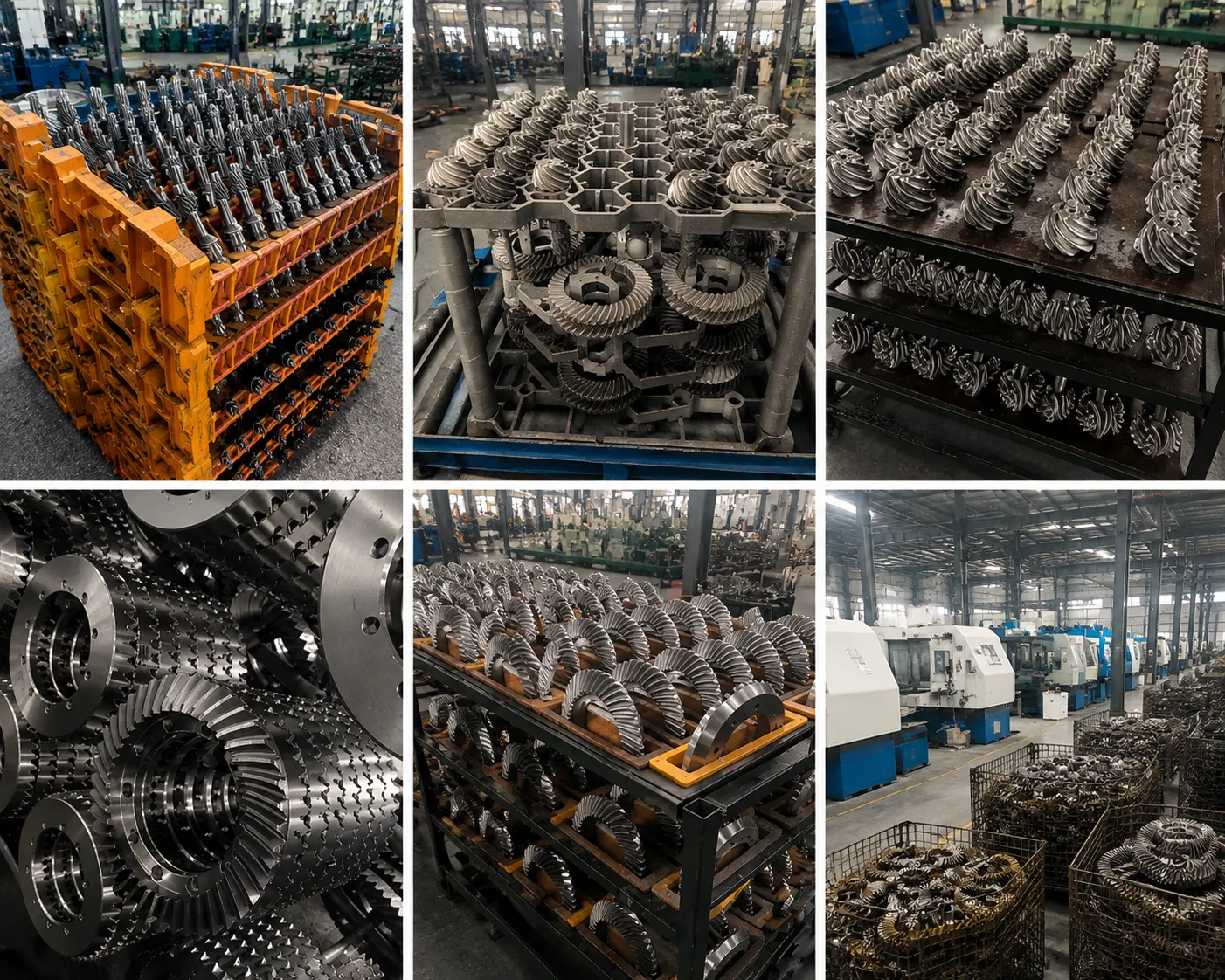
Consumer Products and Appliances
Injection-moulded POM and ABS plastic mould wheel gears in home appliances (coffee grinder gear trains, window blind motor drives, electric curtain drives), consumer electronics (printer carriage gears, camera module drives), and personal care devices (electric toothbrush, shaver motor gears). Consumer product gears need: low cost (mass moulding), quiet operation (plastic self-correction), compact size (small module), and long service life in sealed housings — injection mould wheel plastic gears satisfy all four requirements.
Automotive Interior Drives
PA66+GF30 injection mould wheel gears in automotive seat adjustment motors, sunroof drives, mirror adjustment mechanisms, and HVAC blend door actuators. Automotive interior gear mechanisms require injection moulded gears — the volumes (millions per year) and the packaging constraints (must fit within seat or door module space) make injection moulding the only practical production method. Korea Ever-Power's 718H mould steel tools for PA66+GF30 automotive gears achieve 500,000+ shot mould life with < 0.01 mm cavity dimension change.
Toys and Educational Equipment
ABS, PA6, and POM injection mould wheel gears in motorised toy vehicles, educational robot kits, battery-powered toy cranes, and hobby gear demonstration sets. Toy gear plastic mould wheels have the lowest per-piece cost of any gear production method at toy production volumes (10,000–1,000,000 per year) — and the full colour range available from injection moulding (any Pantone colour from masterbatch colourant) suits the aesthetic requirements of consumer toy products.
Light Industrial Machinery
PA66 and POM injection mould wheel gears in light industrial machinery: textile machine bobbin winder drives, label printing machine gear sets, packaging machine timing gear trains, and vending machine dispenser drives. For these light industrial applications, injection mould wheel gears provide the durability, quiet operation, and mass-production economics needed to compete with machine manufacturers' cost targets while outlasting the metal gear alternatives they replace in corrosive or lubrication-free service environments.
Medical Disposables and Devices
POM-C and PEEK injection mould wheel gears in medical device single-use drive mechanisms, infusion pump gear trains, and diagnostic device positioning gears. Medical injection mould wheel gears require: FDA-listed or biocompatible materials (POM-C, PEEK); complete material traceability (ISO9001 quality records); tight dimensional control (±0.05 mm for precision medical drives); and post-moulding cleaning/packaging processes compatible with medical device cleanliness standards — all provided by Korea Ever-Power's medical-grade injection mould gear service.
Packaging and Logistics Equipment
PA66 injection mould wheel gears in parcel sorting machine drive gear sets, conveyor timing gear trains, and automatic packing machine drive mechanisms. At packaging and logistics machine production volumes (1,000–50,000 units per year), injection mould wheel gears provide the most cost-effective production method for consistent-quality drive gears — significantly lower per-piece cost than CNC machining while maintaining the precision and material properties required for continuous-duty packaging line service.
Frequently Asked Questions
What is the price structure for injection mould wheel plastic gears — mould cost vs piece cost?
Injection mould wheel gear pricing has two components: (1) mould tooling cost (one-time investment, typically USD 800–5,000 depending on gear size, complexity, and mould steel grade); (2) piece-part cost (per-piece production cost, which decreases with increasing quantity due to fixed overheads spreading over more pieces). The mould investment is amortised over the production life — at 10,000 pieces, a USD 1,500 mould adds USD 0.15/piece to the total cost; at 100,000 pieces, only USD 0.015/piece. This economics structure makes injection mould wheel gears substantially cheaper than CNC-machined gears at volumes above approximately 500 pieces. Korea Ever-Power provides a full cost breakdown (mould + piece) at quotation stage.
What factors limit the use of injection mould wheel gears in high-load applications?
Injection mould wheel plastic gears are not as strong as metal gears and should only be used in low-to-medium-load applications. The limiting factors are: (1) tooth bending strength — the material's fatigue endurance limit in bending determines the maximum transmittable torque per tooth; (2) surface wear resistance under high Hertzian contact stress; (3) thermal resistance — high-duty-cycle drives generate frictional heat that raises the gear temperature above the material's service limit (POM: 90°C, PA66: 130°C, PEEK: 250°C). Korea Ever-Power engineers calculate tooth bending stress and surface stress for each application against the material's rated values before production — if plastic mould wheel gears are not suitable, CNC-machined higher-grade plastic or metal gears are recommended. Send your torque and duty cycle data to Korea Ever-Power for a free application assessment.
Customer Reviews
"We develop smart home blind motor systems and source PA66 injection mould wheel gears (M1.0, 30T, OD 32 mm) from Korea Ever-Power for our motor gearbox. Korea Ever-Power reviewed our torque specification (0.8 Nm peak, 30% duty cycle) and confirmed PA66 is adequate before mould tooling. Mould delivered in 26 days. First article inspection: all tooth dimensions within ±0.06 mm. Noise in our acoustic test chamber: 28 dB(A) at 100 RPM — 9 dB below the steel gears we used in the previous product generation. Annual volume now 85,000 units — piece cost from Korea Ever-Power injection moulding is 68% below our previous CNC-machined gears."
Kim Na-rae | Smart Home Product Engineer, Incheon IoT Devices Co. · Q2 2026
"We manufacture hospital-grade infusion pumps and needed FDA-listed POM-C injection mould wheel gears (M0.5, 40T) for our peristaltic pump head gear train. Korea Ever-Power provided POM-C FDA certificate, material batch traceability report, and biocompatibility test certificate with the first production batch — all accepted without modification by our regulatory team for our 510(k) submission. Dimensional Cpk on tooth pitch diameter: 1.84 across 20 consecutive production runs. Mould: NAK80 steel — surface finish Ra 0.4 μm (mirror grade) confirmed on first article. 3-year production relationship with zero quality escapes."
Lee Yong-jae | Medical Device Quality Engineer, Gyeonggi Medical Devices Co. · Q4 2025
Related Products
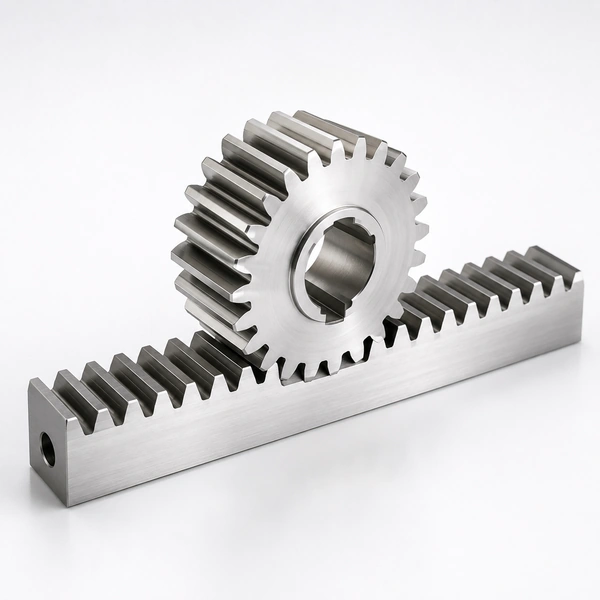
Request a Quotation — Plastics Injection Mould Wheel Plastic Gears
POM / PA66 / PA66+GF30 / ABS / PEEK — any plastic. Mould material per request. Tolerance −0.1/+0.1 mm standard. 15–20% lighter than steel. Low cost at volume. Quiet — self-correcting tooth deformation. Consumer, automotive, toy, industrial, medical. 24hr quote. 15–35 day mould lead.
Informazioni aggiuntive
| Editor |
|---|
Prodotti correlati
-
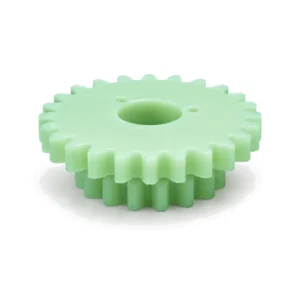
Customized High Precision Hobbing Nylon Gear Plastic Gears
-
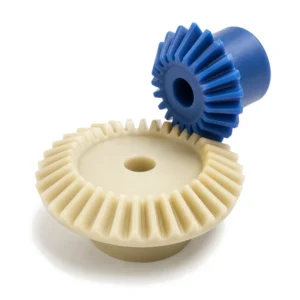
Plastic Bevel Gears
-
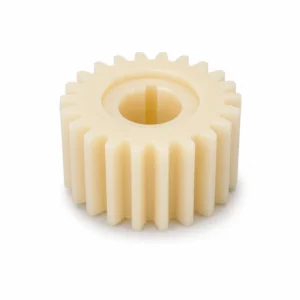
Nylon Spur Gears
-
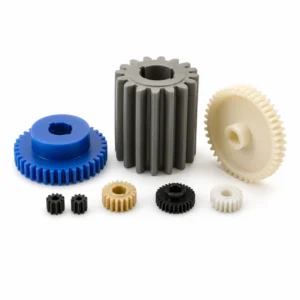
Plastic Gears
-
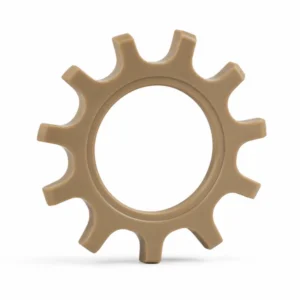
Plastic Components on Conveyors and Machinery Pom Black Star Wheel
-

Low Noise Oil Casting Mc Nylon Star Wheel CNC
-
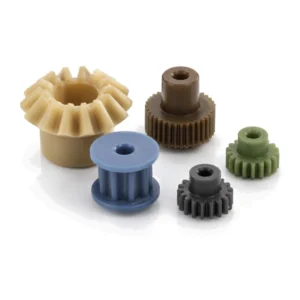
Gear Manufacturers Custom Nylon Gear Helical Gear
-
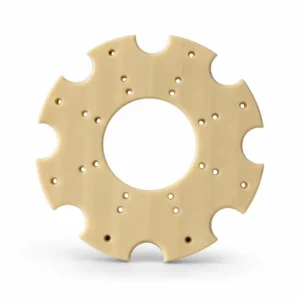
High Impact Resistance Derlin Gear Pom Plastic Star Wheel Plastic Gear
 Italian
  English
  Korean
  French
  Japanese