
Rack and Pinion Steering Gear Rack | Automotive Steering Rack Supplier
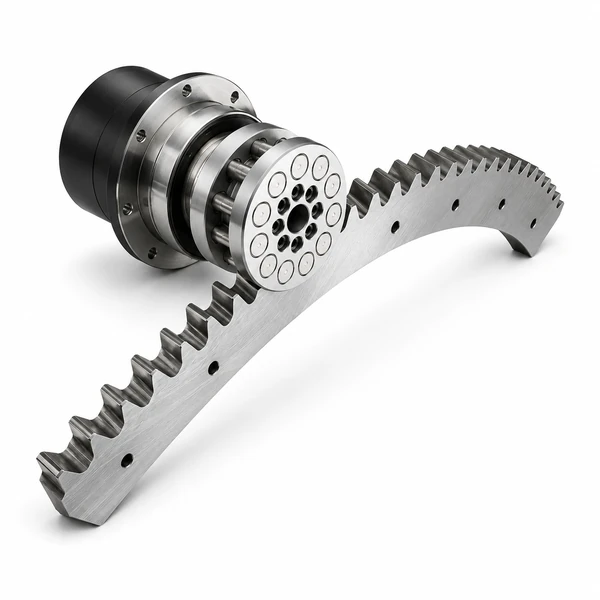
Ever-Power rack and pinion steering gear racks are precision-machined alloy steel bars engineered to convert steering wheel rotation into the precise lateral wheel movement that controls vehicle direction. Available for manual, hydraulic power, electric power, and variable-assist steering systems, in passenger cars, SUVs, light trucks, and performance vehicles. Custom OEM specifications are manufactured to drawing — module, rack length, tie-rod end geometry, pinion bore, and surface treatment all confirmed at the quotation stage. ISO 9001:2015 certified; material certificate and hardness report included with every order.
Rack and Pinion Steering Gear Rack — Overview
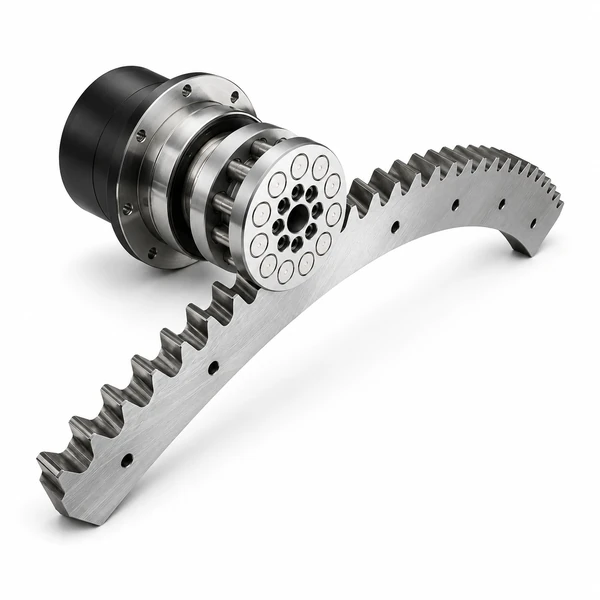
Ever-Power rack and pinion steering gear racks are the core linear component of the most widely used steering mechanism in modern vehicles. The steering rack is a long, straight bar with precision teeth cut along its length. It is positioned horizontally in the front of the vehicle and connected to the front wheels through tie rods at each end. The pinion gear — mounted on the lower end of the steering column — meshes with the rack teeth. When the driver turns the steering wheel, the column rotates the pinion, which drives the rack laterally, pushing or pulling the tie rods and pivoting the front wheels in the desired direction.
Rack and pinion steering is the dominant steering architecture in passenger cars, SUVs, light trucks, and sports cars because it combines a compact housing, low parts count, responsive direct feel, and straightforward integration with both hydraulic and electric power assistance. Compared with recirculating-ball steering gear, rack and pinion provides a more precise and communicative steering response — the driver feels road surface variations more directly, which is why virtually all modern performance vehicles use this configuration.
Ever-Power manufactures steering racks to OEM drawings in alloy steel, with induction-hardened or carburized tooth sections, precision-ground rack body to meet housing bore tolerances, and surface treatments chosen for the corrosive under-body environment. Custom rack lengths, gear ratios, and tie-rod end geometries are all supported.
How Rack and Pinion Steering Works
Step 1 — Steering Input: The driver turns the steering wheel, rotating the steering column shaft. The pinion gear at the base of the column rotates with it.
Step 2 — Rack Movement: The rotating pinion engages with the rack teeth. Depending on the direction of rotation, the rack moves laterally left or right within its housing bore.
Step 3 — Tie Rod Actuation: The ends of the rack connect to the tie rods. As the rack moves, the tie rods push or pull the steering knuckles, pivoting the front wheels left or right.
Step 4 — Steering Ratio: The number of rack teeth and the pinion tooth count determine the steering ratio — how many turns of the steering wheel correspond to full lock-to-lock rack travel. A lower ratio gives more direct, sportier steering; a higher ratio gives lighter effort but requires more wheel turns for a given wheel angle.
Step 5 — Returnability: When the driver releases the steering wheel after a turn, the front wheel caster angle and suspension geometry generate a self-centering torque that returns the wheels toward straight-ahead — the rack moves back toward centre and the steering wheel follows. This returnability is a design feature of the suspension geometry, not of the rack itself.
Types of Rack and Pinion Steering Systems
1. Manual Rack and Pinion Steering
No power assistance — the driver provides all the steering effort directly through the column and pinion. Simpler in design and lower in cost; commonly used in smaller, lighter vehicles and performance-oriented cars where direct road feedback is more important than steering effort reduction.
2. Hydraulic Power Rack and Pinion Steering
A hydraulic pump driven by the engine supplies pressurised fluid to a power cylinder integral with the rack housing. The fluid pressure assists the driver steering effort, reducing the force required particularly at low speeds and during parking. Widely used in larger vehicles and SUVs where the front axle load is significant.
3. Electric Power Rack and Pinion Steering (EPAS)
An electric motor replaces the hydraulic pump, applying torque directly to the pinion shaft or to the rack via a ball-screw assist mechanism. EPAS draws power only when assistance is needed, improving fuel economy. It also enables integration with advanced driver assistance systems — lane-keep assist, auto-park, and active safety systems all rely on electrically controllable steering.
4. Variable-Assist Rack and Pinion Steering
The level of power assistance varies with vehicle speed, steering angle, or driving mode. At low speed the system provides maximum assistance for easy parking; at highway speed it reduces assistance to give firmer, more communicative steering. Typically implemented with an electronically controlled hydraulic flow valve or a speed-sensitive EPAS calibration.
5. Active or Electronically Controlled Steering
Advanced systems with sensors and electronic control units actively modify the steering ratio or add corrective steering angle for vehicle stability. Found in high-end performance vehicles, luxury cars, and autonomous driving platforms. The rack geometry remains conventional; the intelligence is in the control system overlaid on the rack and pinion mechanism.
Advantages of Rack and Pinion Steering
| Advantage | Detail |
|---|---|
| Compact and lightweight | The rack housing integrates the entire steering translation mechanism in one compact unit, saving packaging space in the engine bay and reducing unsprung mass contribution. |
| Precise steering control | Direct pinion-to-rack engagement gives more responsive and accurate steering feel than recirculating-ball systems. Drivers experience better control and road feedback. |
| Efficient power assistance | Both hydraulic and electric assist variants integrate cleanly with the rack housing. EPAS in particular is highly efficient — power is consumed only when assistance is actually applied. |
| Low parts count | Fewer moving parts than recirculating-ball or worm-and-sector steering reduces the number of wear points, simplifies maintenance, and lowers the probability of component failure over the vehicle service life. |
| Enhanced handling and stability | The precise, low-friction nature of rack and pinion steering improves cornering response and straight-line stability compared with higher-friction alternatives. This is particularly evident during lane changes and emergency manoeuvres. |
| ADAS integration | Electric power rack and pinion systems accept electronic torque overlay from lane-keep assist, auto-park, and autonomous driving systems. The rack is the physical actuator for all such software-driven steering inputs. |
Common Problems and Solutions
| Problem | Likely Cause | Recommended Action |
|---|---|---|
| Excessive play or loose steering | Worn tie rod ends, rack mounting bushings, or rack-and-pinion preload lost | Inspect tie rod ends and rack mount bushings; replace worn components; adjust pinion preload if adjustable; replace rack assembly if rack teeth are worn |
| Fluid leaks (hydraulic systems) | Worn rack seals or damaged power steering hoses | Inspect seals, O-rings, and hose connections; replace faulty seals or hoses; maintain correct power steering fluid level and use the manufacturer-specified fluid grade |
| Heavy or stiff steering | Low hydraulic fluid; faulty power steering pump; EPAS motor or sensor fault | Check fluid level and pump operation for hydraulic systems; check EPAS torque sensor and motor for electric systems; inspect for any rack binding caused by misalignment |
| Clunking or knocking noise | Loose rack mounting; worn rack bushings or rack-end ball joints | Tighten rack mounting bolts to specification; inspect and replace worn bushings or ball joints; check for loose heat shields or adjacent components that may contact the rack |
| Uneven tyre wear | Toe setting disturbed by worn tie rods or incorrect rack centring | Check tie rod length and condition; inspect rack for centre position; perform full wheel alignment after any rack or tie rod work |
| Steering wheel vibration | Wheel imbalance; worn suspension components; rack looseness | Balance and align wheels; inspect and replace worn suspension components; check rack mounting for looseness; verify tyre condition |
Manufacturing Process
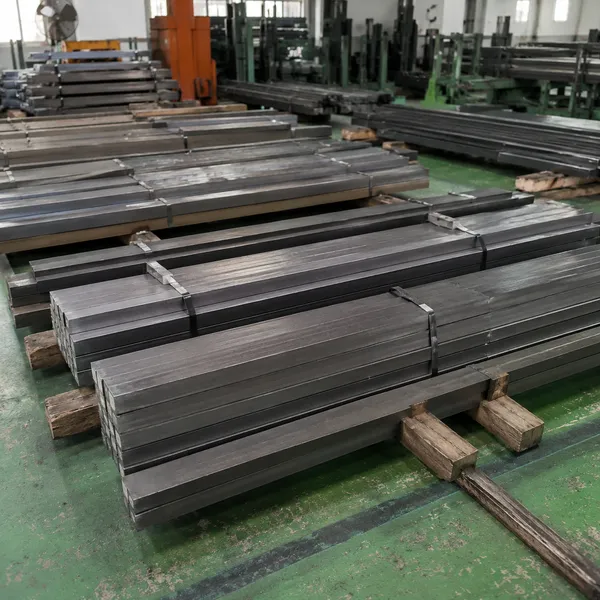
Step 1 — Raw Material
Raw material bar stock verified by spectrochemical analysis before production.
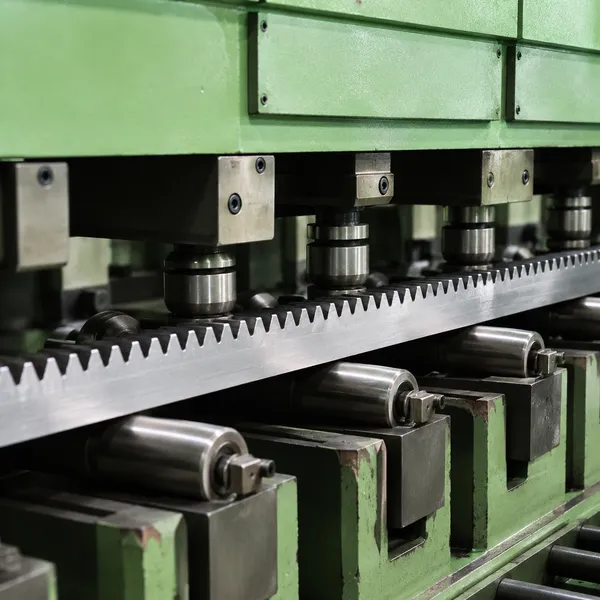
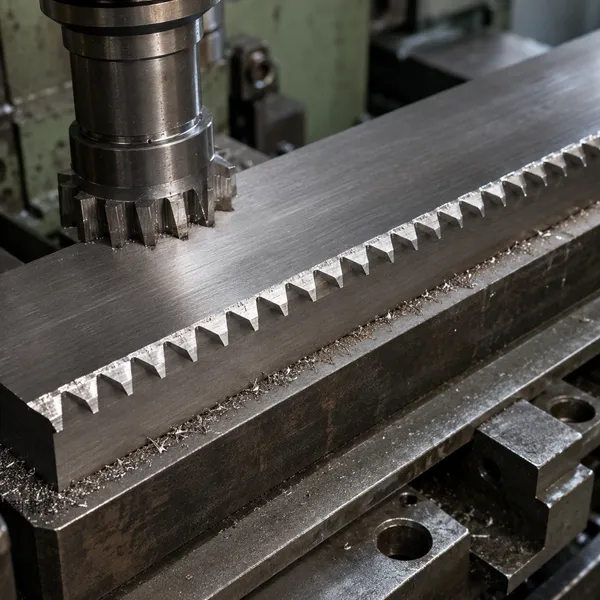
Step 2 — Tooth Cutting
Teeth cut on CNC rack milling or hobbing machine to specified module and pressure angle.
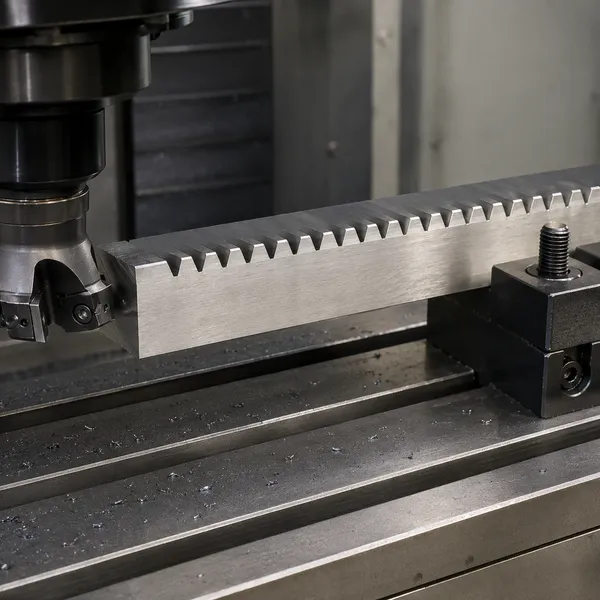
Step 3 — Deburring
Tooth-end burrs removed and edges chamfered to prevent handling damage and sharp corners.
Step 4 — Straightening / HT
Pressure straightening after tooth cutting; induction hardening or carburising where specified.
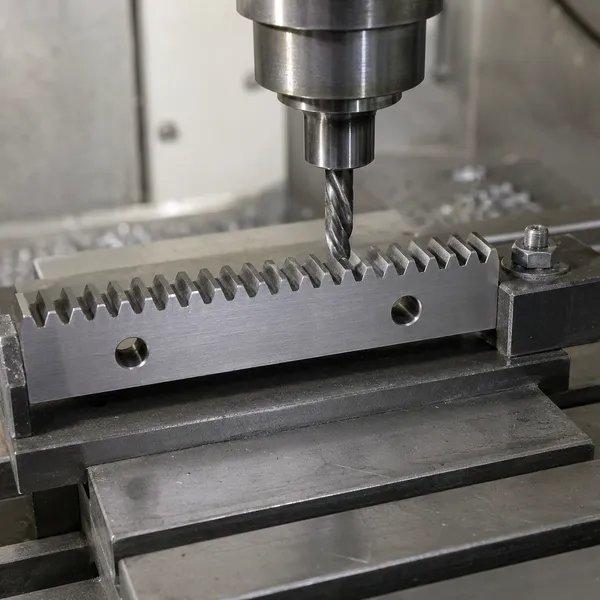
Step 5 — End Machining
End faces and mounting holes machined in CNC machining centre to drawing specification.
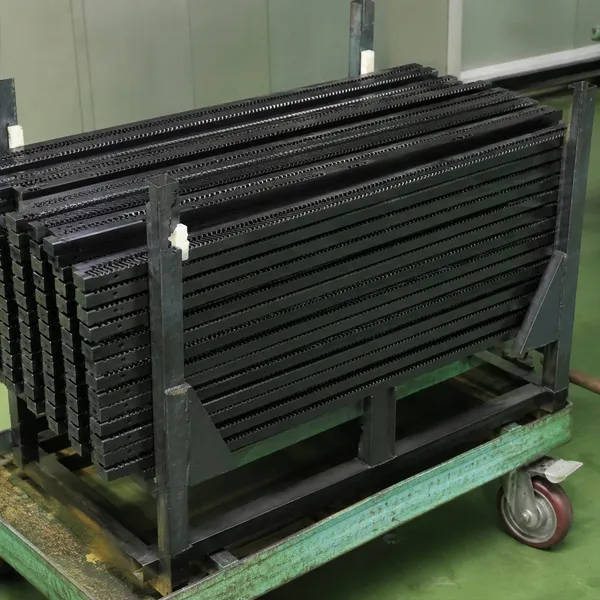
Step 6 — Surface Treatment
Black oxide, zinc plating, phosphating, or hard chrome applied per customer specification.
Key Production Equipment
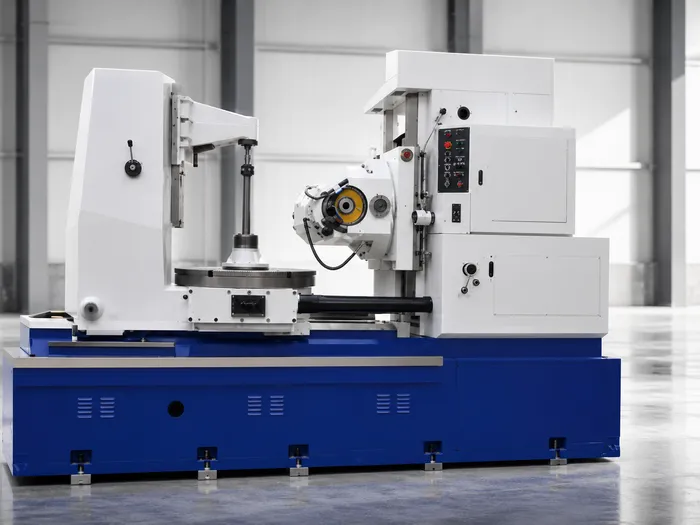
Gear Hobbing Machine
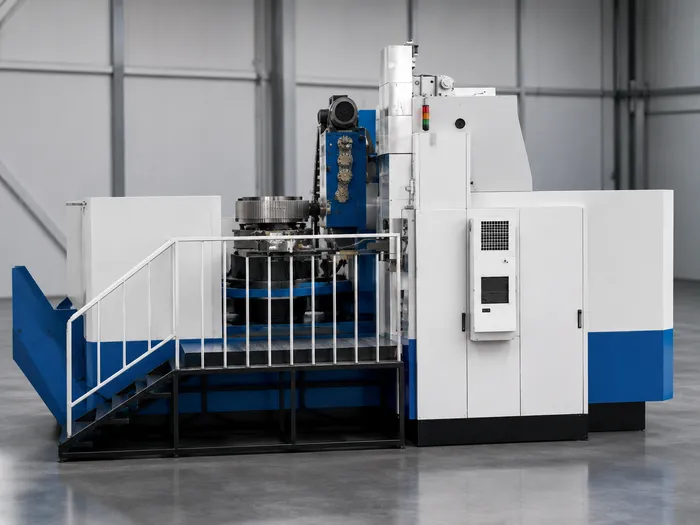
Gear Milling Machine
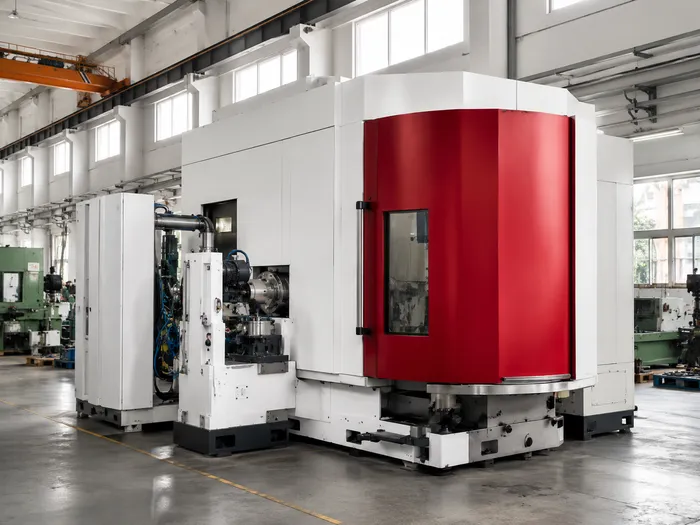
CNC Gear Grinding Machine
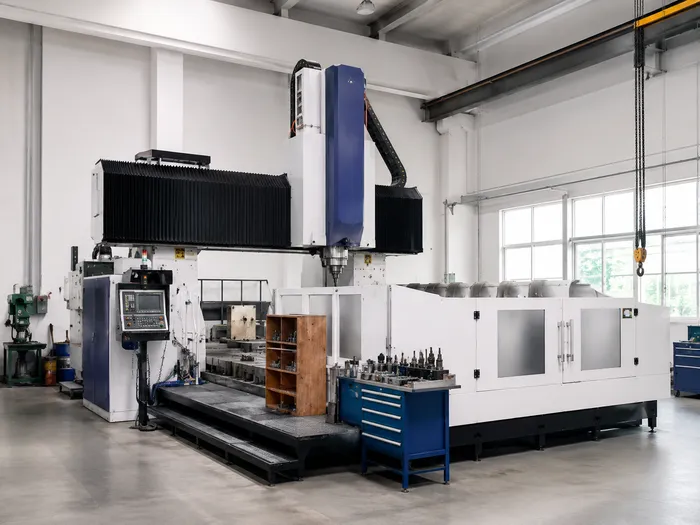
Gantry CNC Machining Centre
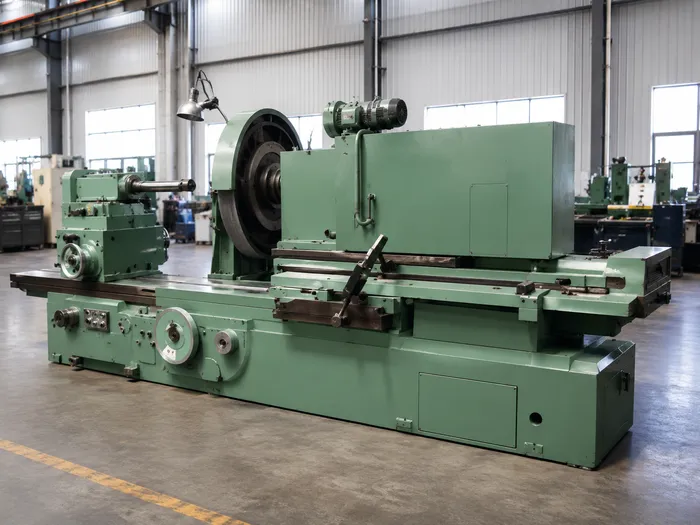
Internal Grinding Machine
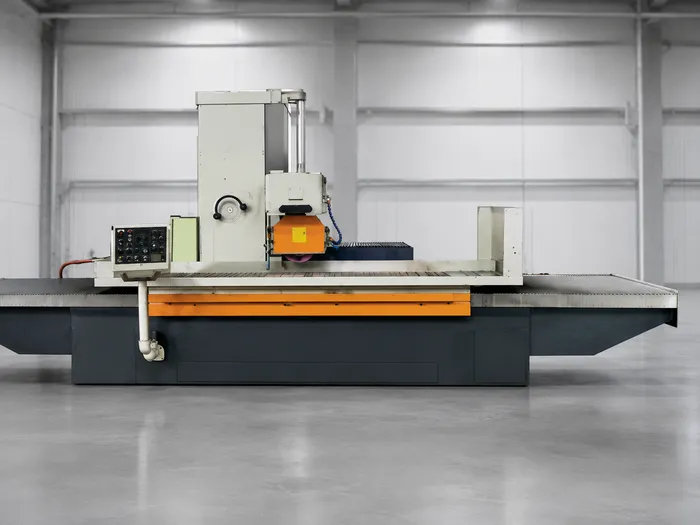
Planer Grinding and Turning
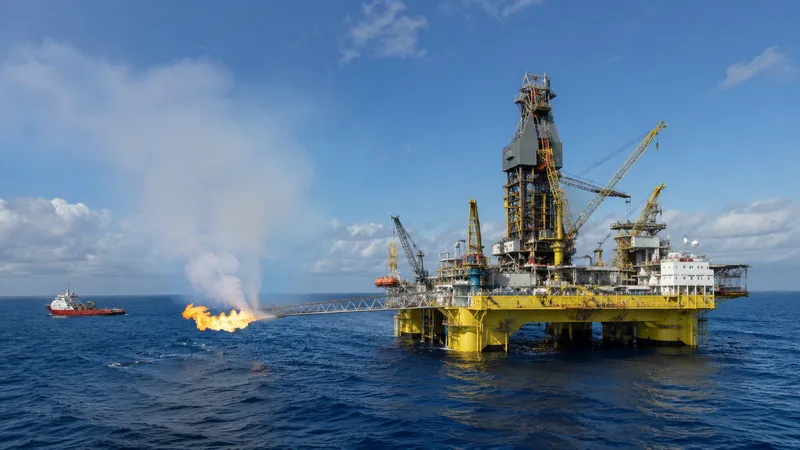
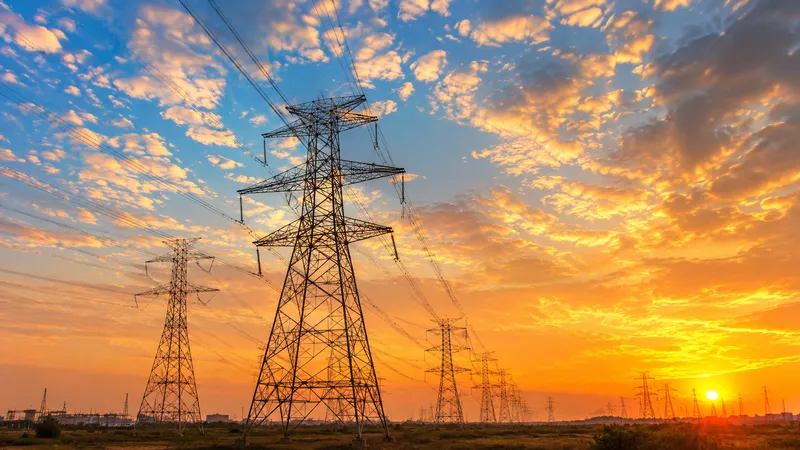
Applications by Industry

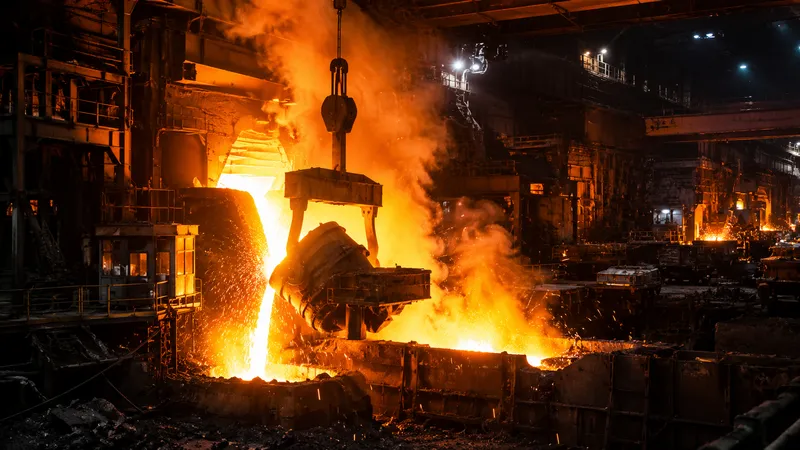


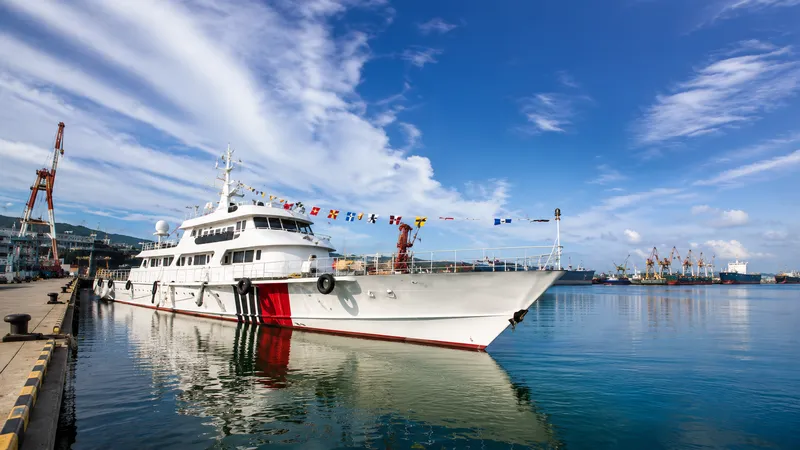

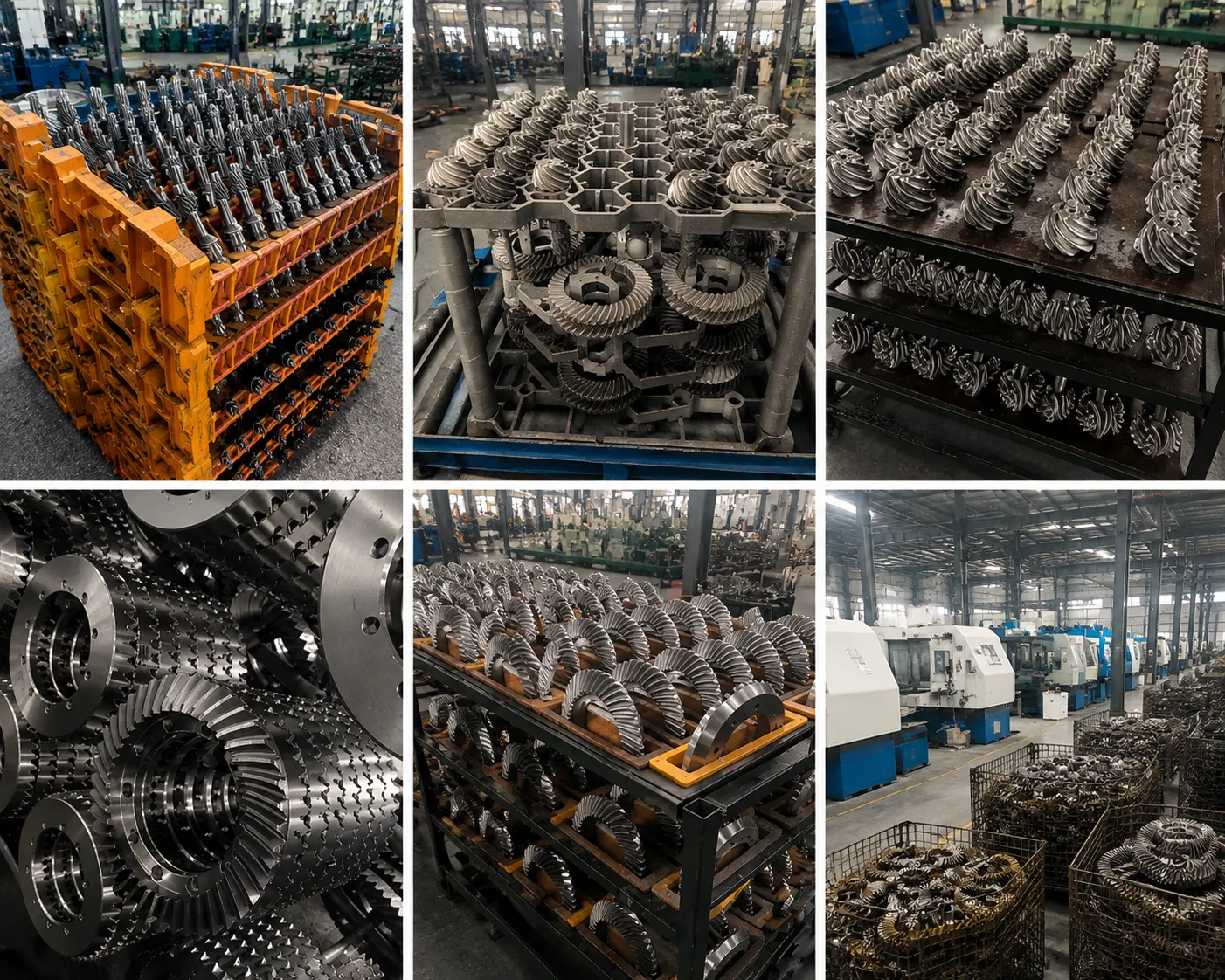
Quality Assurance and Manufacturing
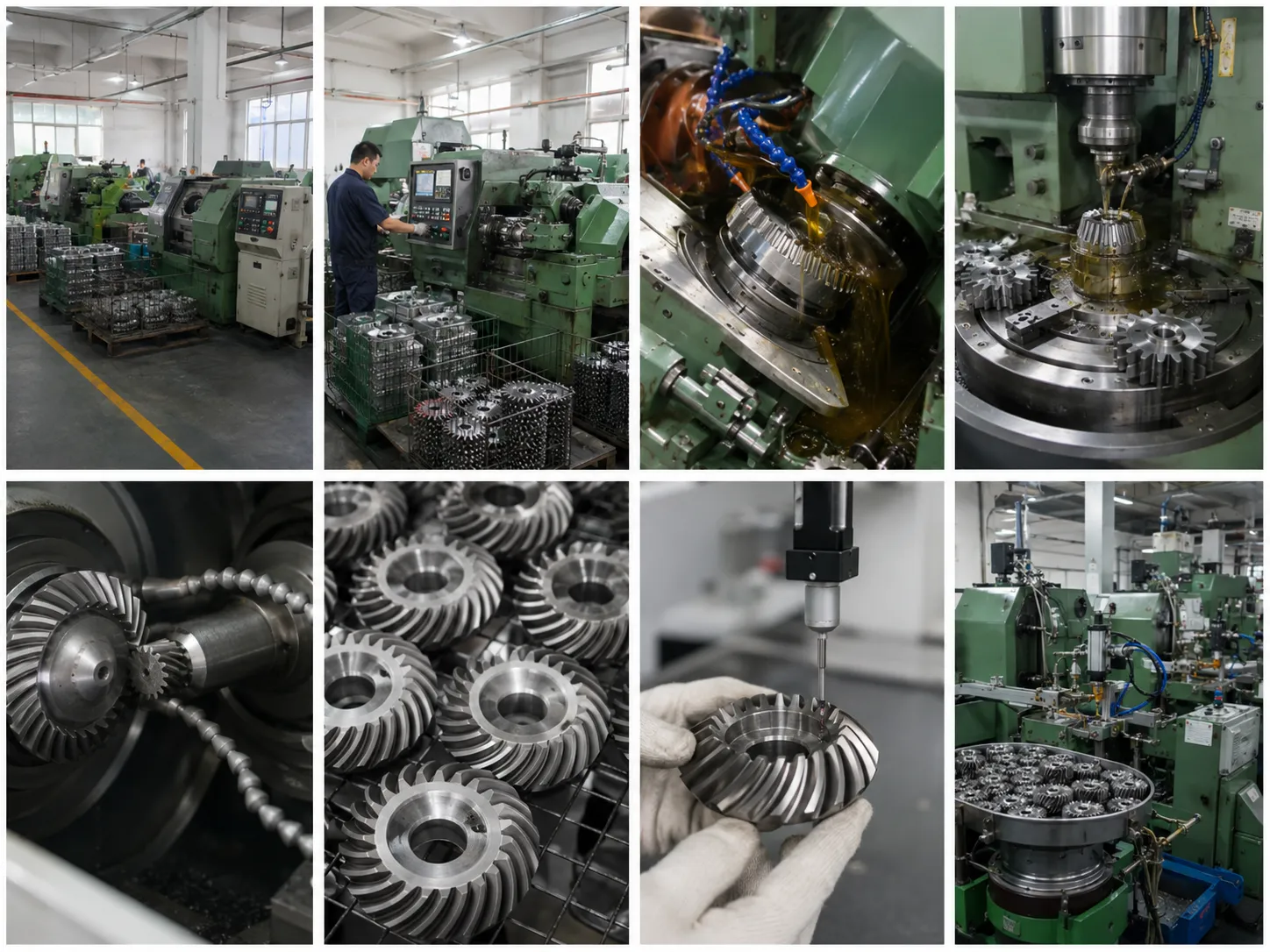
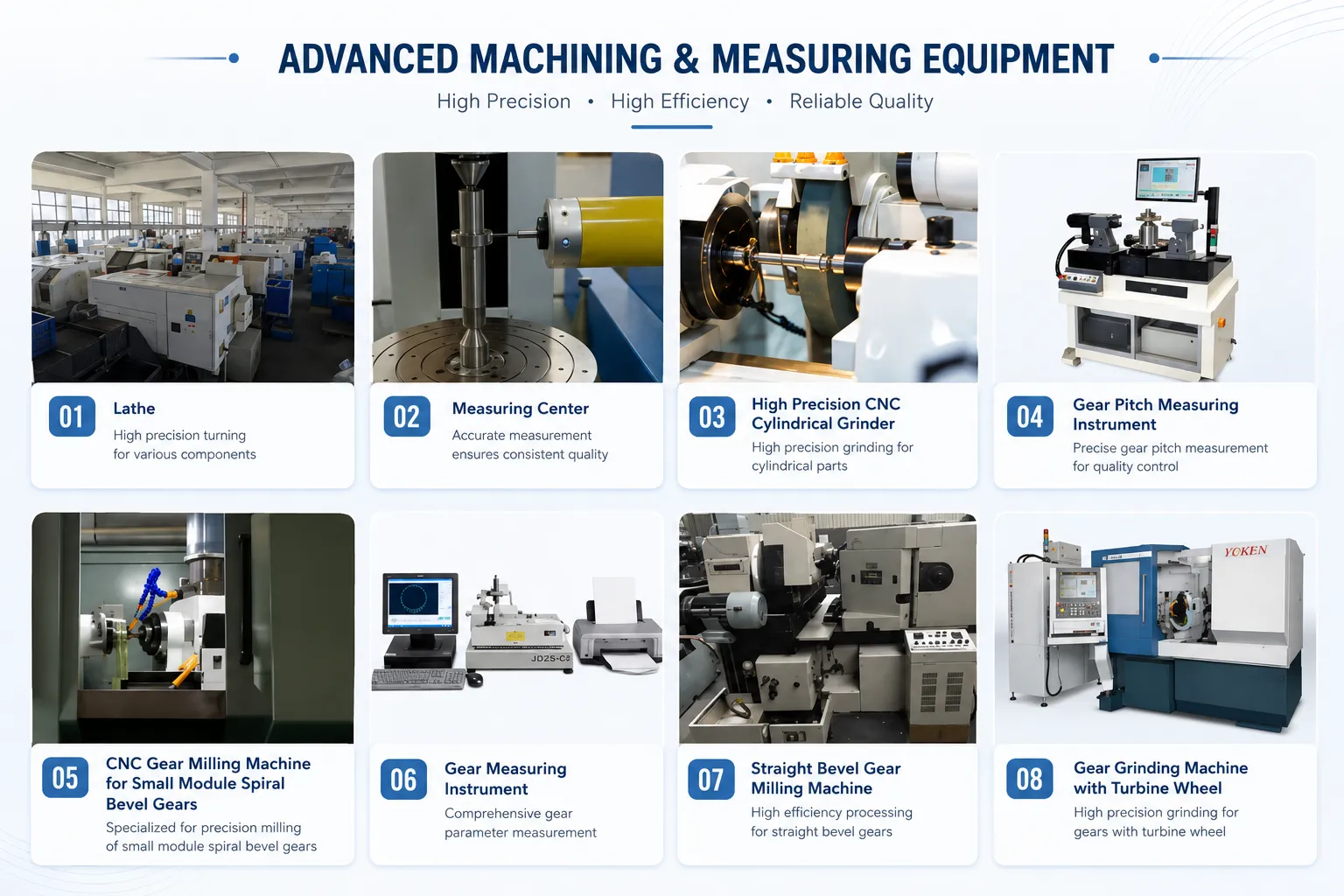
Precision Measurement Equipment
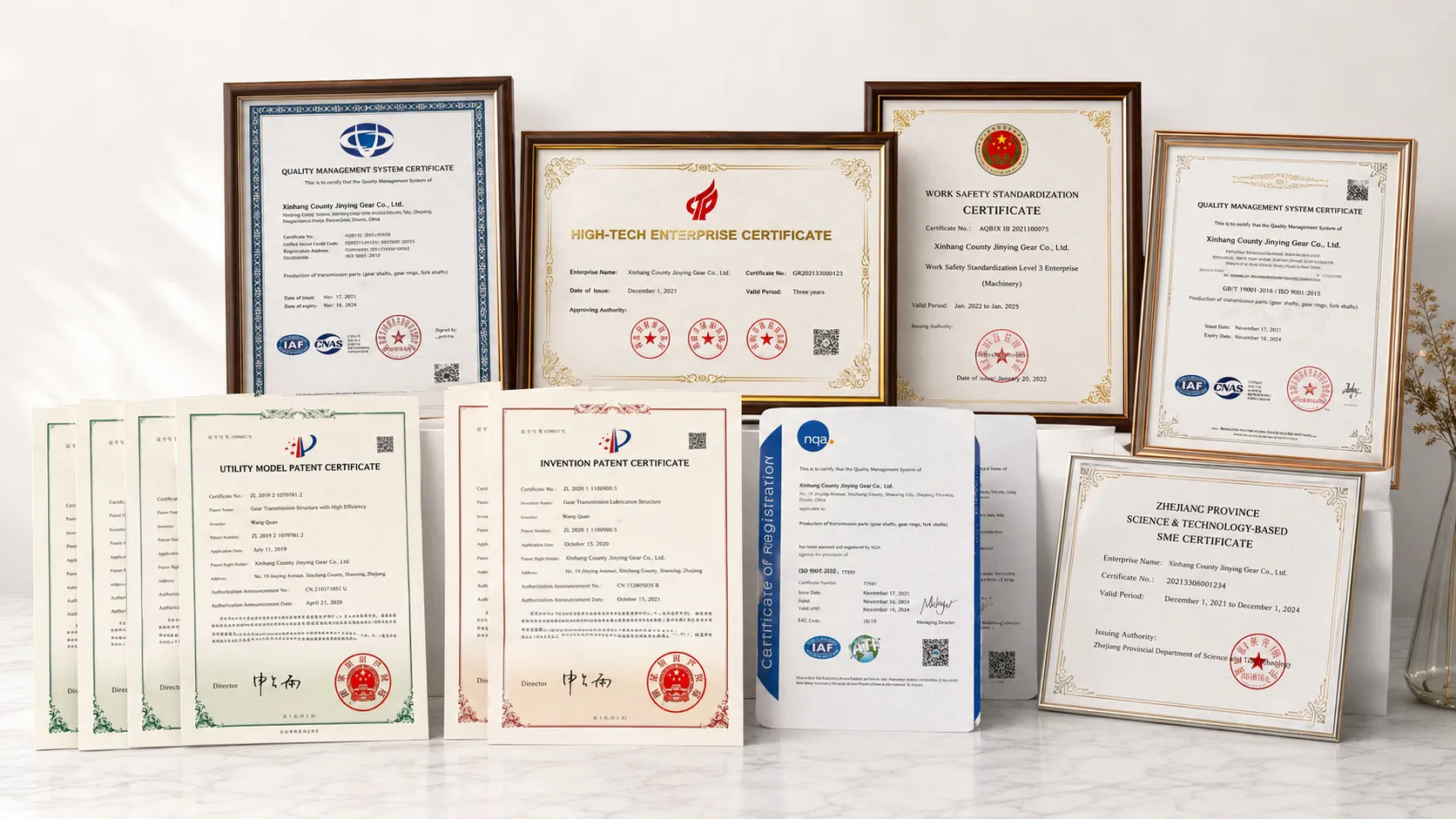
ISO 9001:2015 and Quality Certificates
Ever-Power steering gear racks are manufactured under ISO 9001:2015 and are supplied with material certificates, heat treatment records, dimensional inspection reports for tooth pitch, rack straightness, and housing bore tolerance, and surface hardness test results. Straightness of the rack body after heat treatment is verified on a surface plate; any distortion beyond tolerance is corrected by controlled press straightening before final machining. Products have been exported to customers in the USA, Canada, Australia, UAE, Saudi Arabia, Vietnam, Singapore, and over 30 other countries.
Related Gear Products
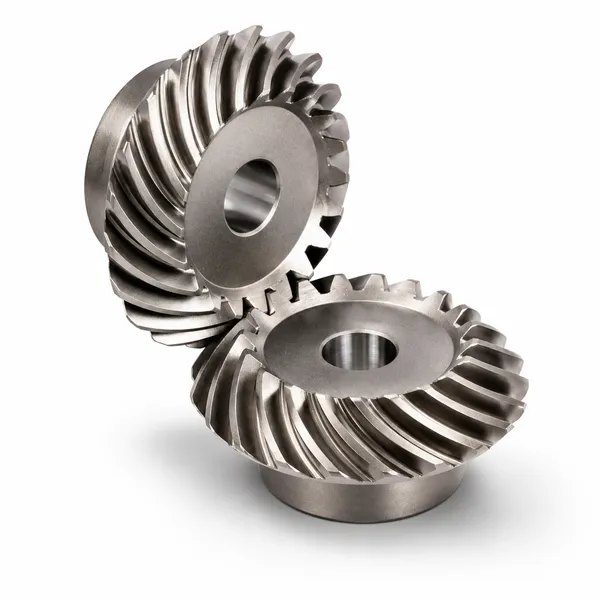
Ingranaggi conici
Universal joint and bevel gear stages in steering column intermediate shafts.
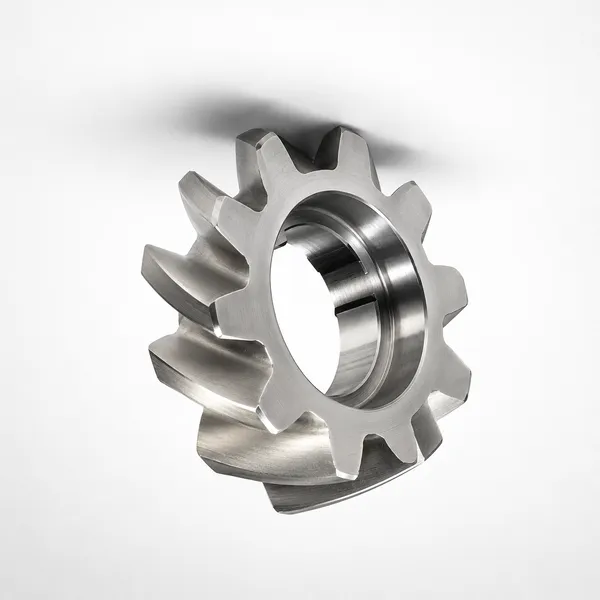
Ingranaggi elicoidali
Helical gear stages in EPAS motor-to-pinion reduction drives for quiet assist operation.
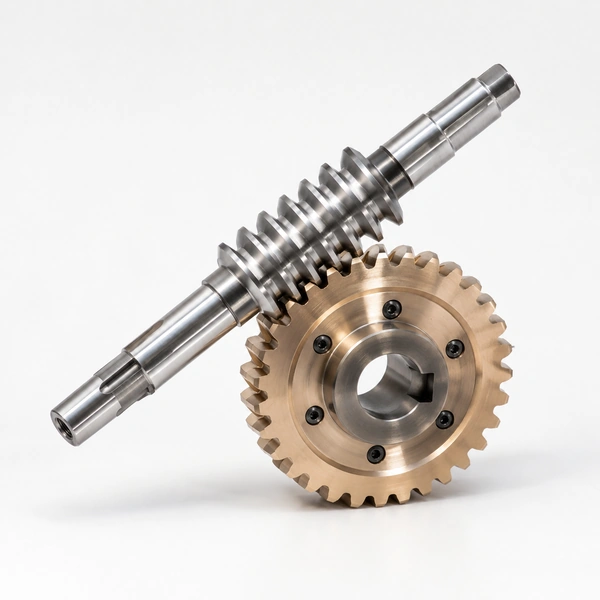
Worm Gear Wheels
Self-locking worm stages for parking brake actuators and seat adjustment drives.
Browse the complete gear rack range on the Ever-Power main site. Also available: plastic gears for light-duty instrument and control panel drives within the vehicle interior.
Related Gear Products
Ever-Power manufactures the complete range of industrial gear types alongside gear racks. If your drive system requires matched pinions, reduction gears, or associated gear types, the following product families are available from the same source.
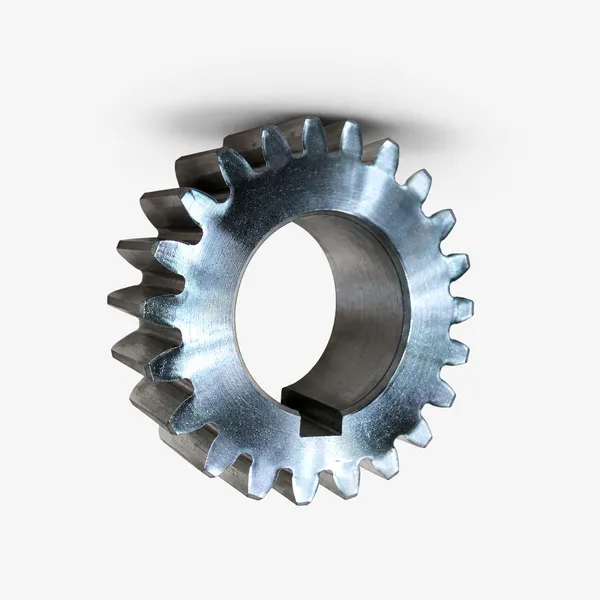
Ingranaggi cilindrici
Pinion gears matching our spur gear rack range; standard modules m0.5 to m20.
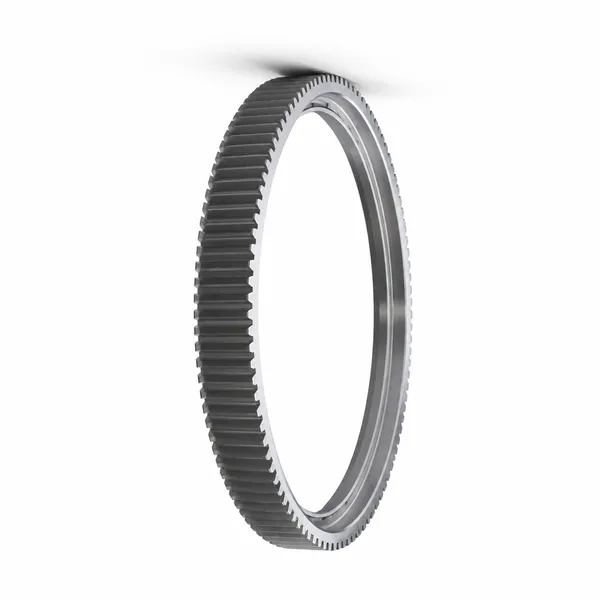
Corone dentate
Large-diameter internal or external ring gears for rotary and slewing drives.
Ingranaggi conici
Straight and spiral bevel gears for right-angle drives and gear motor input stages.
Ingranaggi elicoidali
Helical pinions for high-speed, low-noise rack drives and reduction stages.
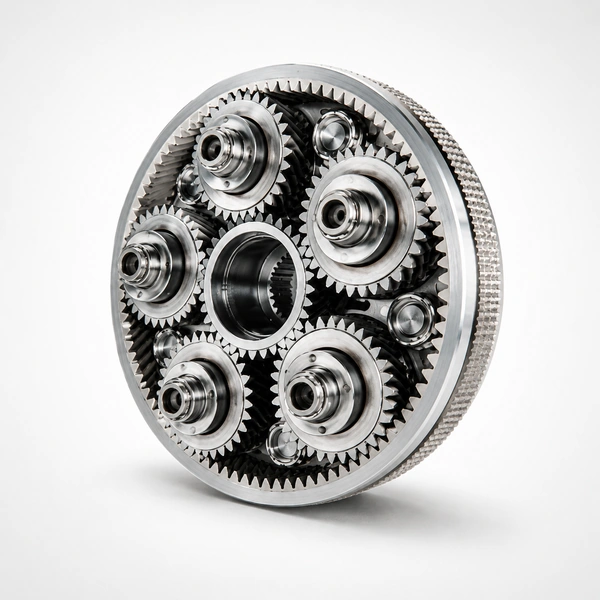
Planetary Gear Sets
Compact in-line reducers paired to servo motors; output shaft connects to the rack pinion.
Worm Gear Wheels
Self-locking worm reducers for vertical rack axes holding position under gravity load.
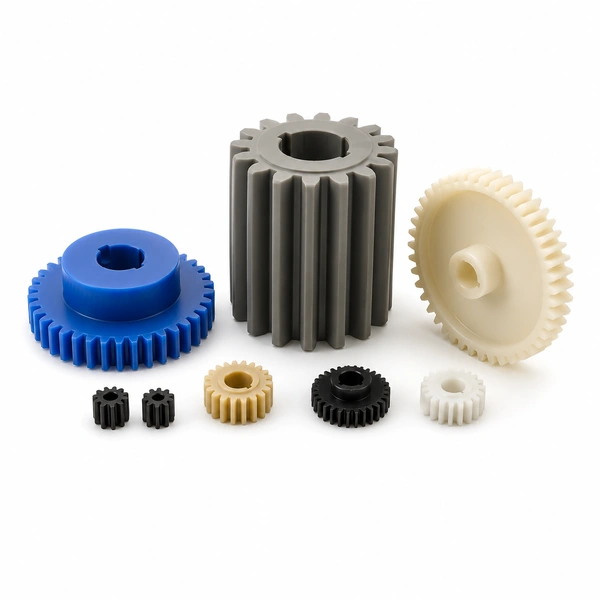
Plastic Gears
Nylon, POM, and polycarbonate pinion gears for light-duty, lubrication-free rack drives.
Domande frequenti
Can you provide drawings and technical data for custom steering racks?
Yes. Our professional technical team designs and provides engineering drawings and technical data sheets for all OEM custom steering rack programmes. Send us your vehicle platform specification, steering ratio requirement, tie-rod geometry, and rack travel, and we will propose a rack design and return a drawing for approval before production commences.
Have your products been exported internationally?
Yes. Ever-Power gear racks and steering components have been exported to customers in the USA, Canada, Australia, Russia, Chile, UAE, Saudi Arabia, Egypt, Sri Lanka, Nigeria, Vietnam, Indonesia, Singapore, Greece, Netherlands, India, Thailand, Pakistan, Philippines, and over 30 additional countries. Our export packaging uses VCI anti-corrosion film plus plywood or carton crating to ensure products arrive undamaged after sea freight transit.
Can the specifications be customised for our vehicle platform?
Yes. The specifications shown are our standard production range. We design and manufacture to customer requirements including non-standard rack length, steering ratio, module, tie-rod attachment geometry, housing bore diameter, and surface treatment. Please send your OEM drawing or vehicle platform specification and we will propose a suitable rack design.
Is factory visiting allowed?
Yes. We welcome customers visiting our production facility in Hangzhou City, Zhejiang Province, China. Factory audits and quality assessments are supported. Please contact us in advance to arrange a visit so we can prepare relevant production and quality documentation for review during your visit.
How are equipment problems during use resolved?
Email us a description of the problem with photographs or a short video â visual evidence speeds diagnosis significantly. Our technical team will identify the cause and advise a solution, typically within one business day. Where a manufacturing defect is identified within the warranty period, replacement parts are dispatched at no cost. We maintain a dedicated after-sales support team to ensure issues are resolved promptly regardless of the customer location.
Request a Quotation for Steering Gear Racks
Send your vehicle platform specification, OEM drawing, or rack dimensions. Our technical team returns a design proposal and price within 24 hours.
Informazioni aggiuntive
| Redattore |
|---|
Prodotti correlati
-
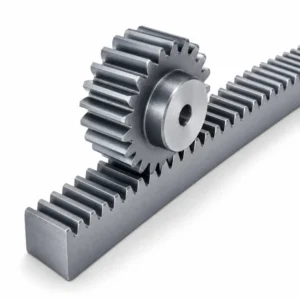
Ground Gear Rack | Precision Ground Spur Rack, DIN5-7, OEM Supply
-
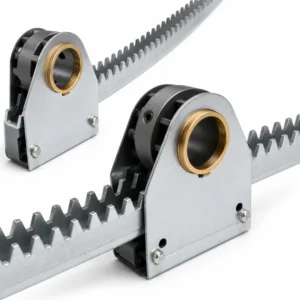
Curved Rack and Pinion Gear | Arc Segment Rack, Stainless Steel, Custom OEM
-
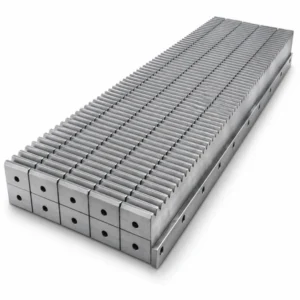
Ground Helical Gear Rack | DIN5-6 Precision, CNC Ground, OEM Supply
-
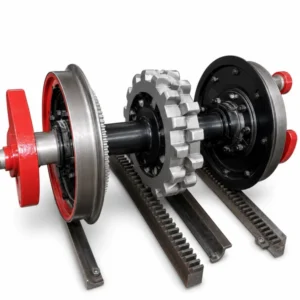
Gear Rack for Railway Axles | High-Load Precision Rack, OEM Supply
-
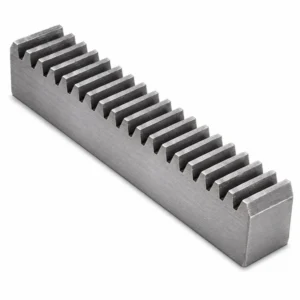
Metric Gear Rack | Spur and Helical, M1-M32, Steel and Plastic OEM Supply
-
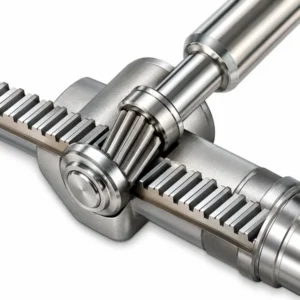
Gear Rack and Pinions | Custom Precision Carbon Steel, OEM Supply
-
Gear Rack for Greenhouse | Ventilation, Irrigation and Shading Rack Systems
-
Gear Rack and Pinion | Spur, Helical, Ground and Custom OEM Supply
 Italian
  English
  Korean
  French
  Japanese