
Ground Gear Rack | Precision Ground Spur Rack, DIN5-7, OEM Supply
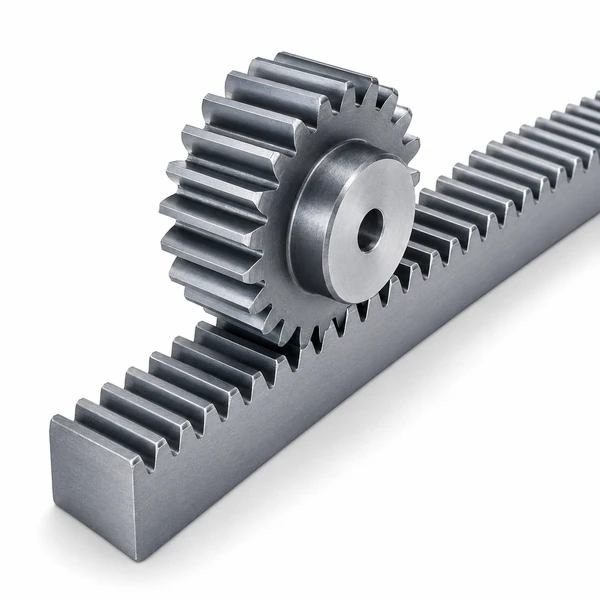
Ground gear racks are the standard specification for five-axis machining centres, laser cutting gantries, automated storage and retrieval stacker cranes, and precision robotic seventh-axis tracks. They are also the correct choice for any application where positioning accuracy better than 0.05 mm per axis is required and where the machine has no linear scale feedback to compensate for drive-train inaccuracy. The additional cost of a ground rack over a milled rack is typically recovered within the first months of operation through reduced scrap rate, shorter part cycle times, and elimination of the manual compensation routines that milled-rack machines require.
Ground Gear Rack — Product Overview
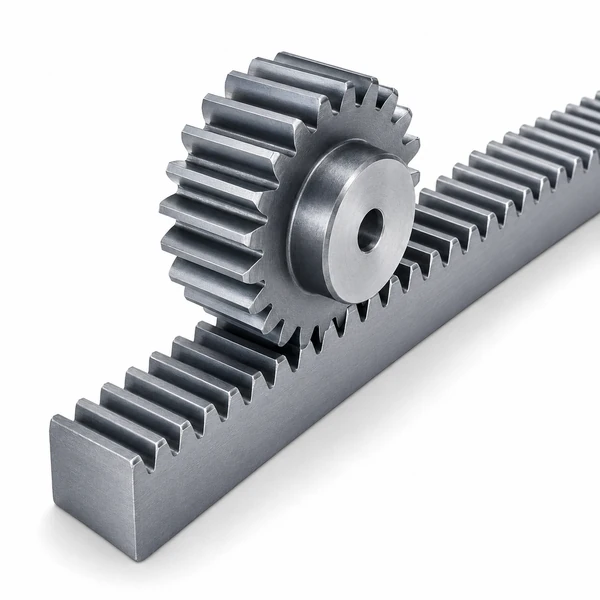
Ever-Power ground gear racks are the precision tier of the Ever-Power rack range — straight or helical racks whose tooth flanks are CNC profile ground after heat treatment to achieve accuracy levels that milling alone cannot reach. Heat treatment distorts the tooth geometry from the milled condition by up to 0.05 mm on a typical M3 rack. Milled racks accept this distortion; ground racks have it removed. The profile grinding operation re-establishes the theoretical involute tooth form to within 0.005-0.008 mm, and sets the pitch between consecutive teeth to within 0.008-0.015 mm per 300 mm of travel — the level of accuracy required for closed-loop servo positioning systems, precision machine tool feed axes, and robotics applications where encoder-only compensation cannot eliminate drive-train mechanical errors.
Ground gear racks are the standard specification for five-axis machining centres, laser cutting gantries, automated storage and retrieval stacker cranes, and precision robotic seventh-axis tracks. They are also the correct choice for any application where positioning accuracy better than 0.05 mm per axis is required and where the machine has no linear scale feedback to compensate for drive-train inaccuracy. The additional cost of a ground rack over a milled rack is typically recovered within the first months of operation through reduced scrap rate, shorter part cycle times, and elimination of the manual compensation routines that milled-rack machines require.
Technical Specifications
| Parameter | Value / Range |
|---|---|
| Tooth Form | Spur (straight); helical — CNC profile ground after heat treatment |
| Module | M1 through M12 standard; larger modules per drawing |
| Precision Grade | DIN5, DIN6, DIN7 (CNC profile ground) |
| Pitch Deviation per 300 mm | Below 0.008 mm (DIN5); below 0.012 mm (DIN6); below 0.015 mm (DIN7) |
| Tooth Form Error | Below 0.005 mm (DIN5); below 0.008 mm (DIN6) |
| Surface Finish (tooth flank) | Ra 0.4 µm or better |
| Material — Standard | 42CrMo induction hardened (HRC 50-55 flank); 20CrMnTi carburized (HRC 58-62 flank) |
| Material — Stainless | 304, 316 stainless steel ground to DIN6-7 for corrosion-resistant precision applications |
| Section Length | 1,000 mm standard; custom lengths per drawing; precision half-tooth machined ends |
| Side Ground | Yes — side reference faces ground flat for accurate machine base mounting |
| Pressure Angle | 20° standard; 14.5° per drawing |
| Surface Treatment | Phosphating plus oil; VCI anti-corrosion packaging for transit |
| Standards | DIN 867, JIS B 1702, AGMA 2000, GB/T; ISO 9001:2015 |
| Documentation | CMM pitch deviation printout, material certificate, heat treatment record, hardness report |
Ground Rack vs Milled Rack — Key Differences
| Criterion | Ground Gear Rack | Milled Gear Rack |
|---|---|---|
| Pitch deviation /300mm | Below 0.008-0.015 mm | 0.020-0.052 mm |
| Effect of heat treatment | Removed by grinding — final geometry is ground | Retained — up to 0.05 mm distortion per tooth |
| Tooth surface finish | Ra 0.4 µm — smooth, low friction | Ra 1.6-3.2 µm — milled finish |
| Maximum tooth hardness | HRC 58-62 (carburized, then ground) | HRC 42-55 (induction hardened) |
| Positioning accuracy achievable | Below 0.01 mm (closed-loop servo) | 0.05-0.15 mm |
| Noise and vibration | Significantly lower | Higher |
| Typical applications | 5-axis CNC, laser cutters, robotics, AS/RS | Sliding gates, hoists, conveyors, medium CNC |
| Cost | Higher — additional grinding operation | Lower |
Applications
🔨 CNC Machine Tools
Five-axis machining centres, large-bed milling machines, and precision grinding machines use ground racks on their travel axes to achieve sub-0.01 mm positioning repeatability. The low transmission error of a ground rack prevents feed-rate ripple that would appear as surface finish defects in the machined part at high feed rates.
🤖 Robotics and Automation
Gantry robots, seventh-axis tracks, and high-speed pick-and-place systems use ground racks to achieve fast, accurate positioning at servo speeds above 3 m/s. The smooth tooth flanks reduce mesh-cycle excitation, keeping end-effector settling time short and preventing oscillation on stop.
🚑 Automated Storage and Retrieval (AS/RS)
Stacker crane horizontal travel axes in high-bay automated warehouses require ground racks to maintain pitch accuracy across all butt joints in runs exceeding 100 m at speeds up to 6 m/s. Any pitch error at a joint would cause vibration and weight sensor error as the crane passes.
🔌 Laser Cutting Gantries
Large-format laser and plasma cutting machines require ground racks to maintain cutting path accuracy at the high traverse speeds (up to 100 m/min) used during positioning between cuts. Path inaccuracy from drive-train error at these speeds translates directly into dimensional error on the cut part.
Selection, Installation and Maintenance
Choosing the Right Grade
DIN7 is the starting point for servo CNC axes with encoder feedback; DIN6 for axes needing better than 0.02 mm repeatability; DIN5 for the most demanding semiconductor, aerospace, and optical equipment applications. If a linear scale is fitted to the axis, DIN7 ground is often adequate since the scale compensates for any residual rack error.
Installation
Mount the rack with the ground side faces against precision reference surfaces. Verify rack-to-machine-axis parallelism with a dial gauge before final bolt torque — target within 0.01 mm over the full rack length. Centre distance between rack pitch circle and pinion shaft must be within 0.01 mm of nominal; use precision shims at the pinion bearing housing.
Lubrication
ISO VG 68 way oil via automatic lubrication injector (0.1-0.2 ml per cycle) is the standard for ground rack drives. Avoid grease on ground racks — grease traps abrasive particles that scratch the precision ground flank surface. Never use EP-additive gear oils; the sulphur compounds attack the ground surface over time.
Manufacturing Process
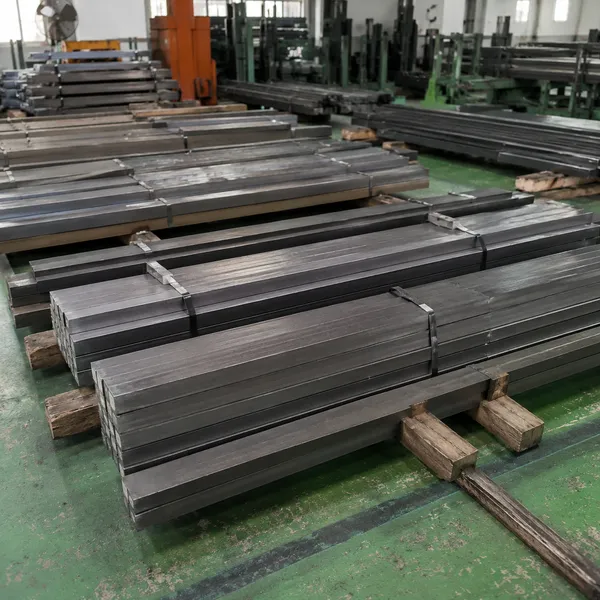
Step 1 — Raw Material
Raw material bar stock verified by spectrochemical analysis before production.
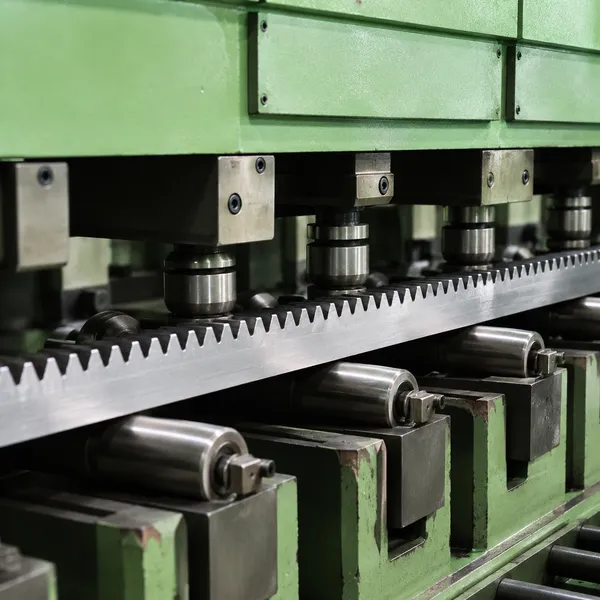
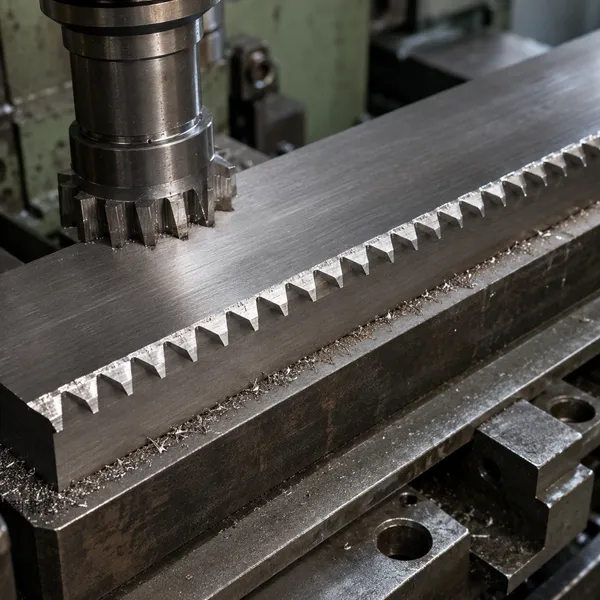
Step 2 — Tooth Cutting
Teeth cut on CNC rack milling or hobbing machine to specified module and pressure angle.
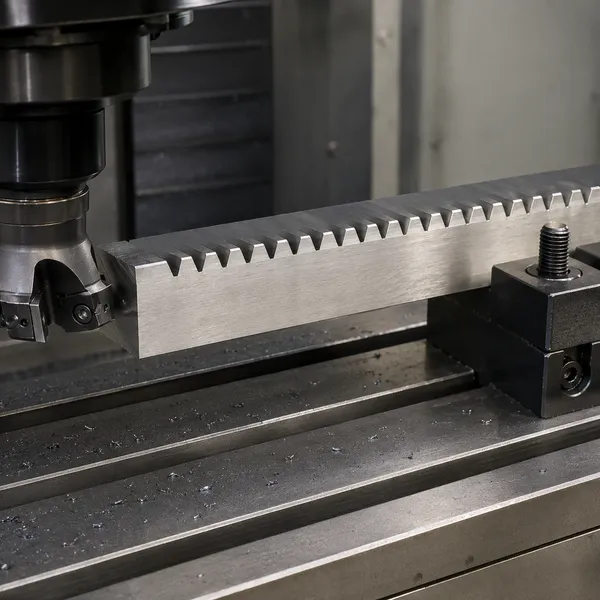
Step 3 — Deburring
Tooth-end burrs removed and edges chamfered to prevent handling damage and sharp corners.
Step 4 — Straightening / HT
Pressure straightening after tooth cutting; induction hardening or carburising where specified.
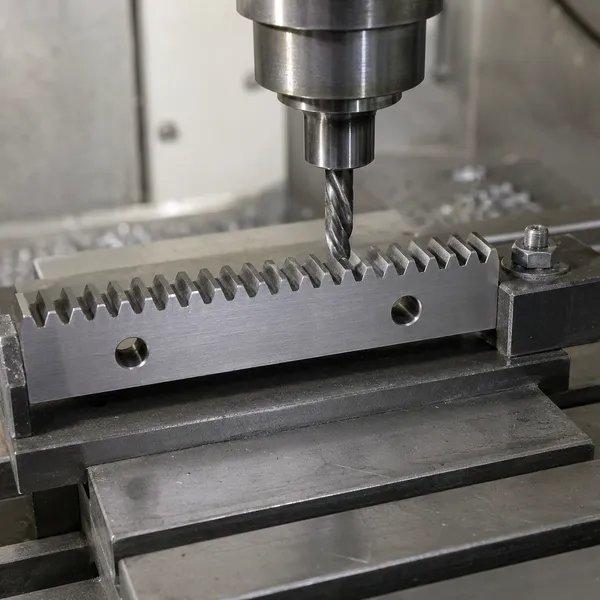
Step 5 — End Machining
End faces and mounting holes machined in CNC machining centre to drawing specification.
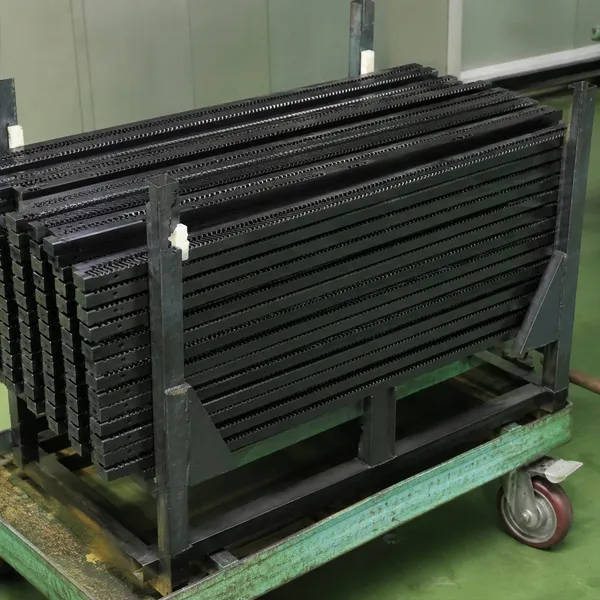
Step 6 — Surface Treatment
Black oxide, zinc plating, phosphating, or hard chrome applied per customer specification.
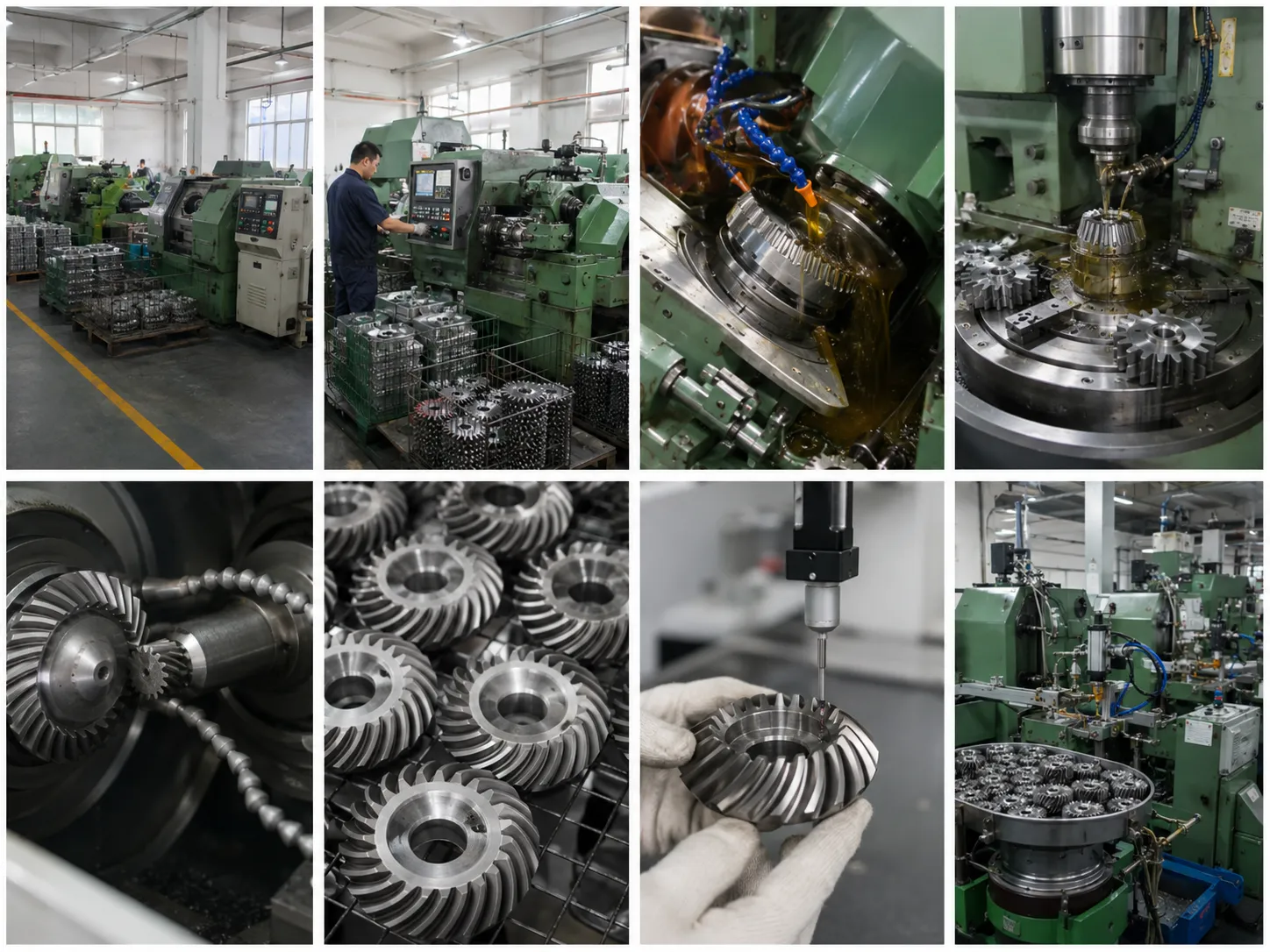
Key Production Equipment
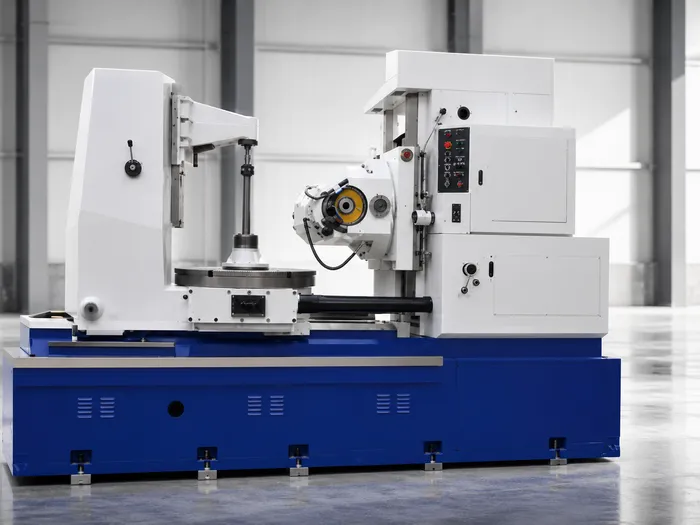
Gear Hobbing Machine
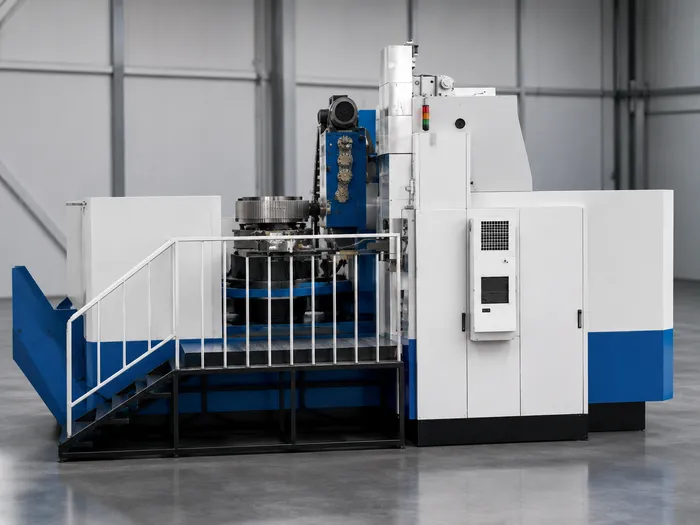
Gear Milling Machine
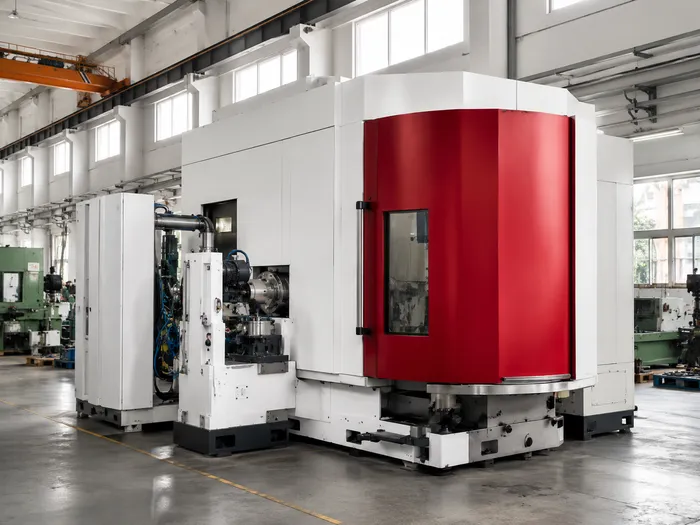
CNC Gear Grinding Machine
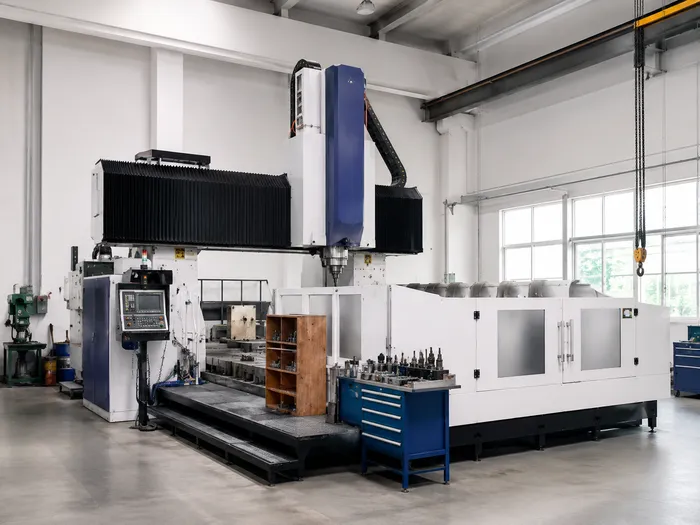
Gantry CNC Machining Centre
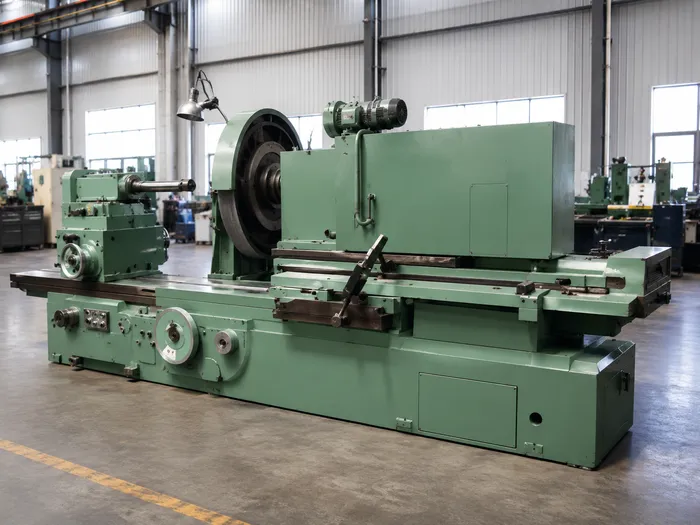
Internal Grinding Machine
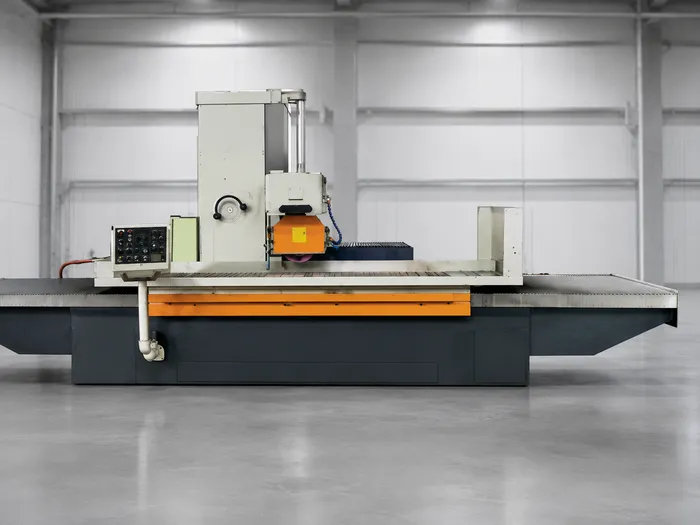
Planer Grinding and Turning
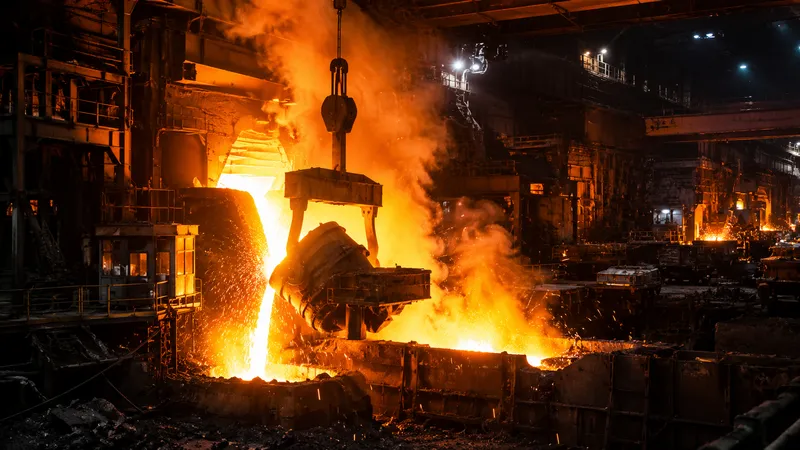
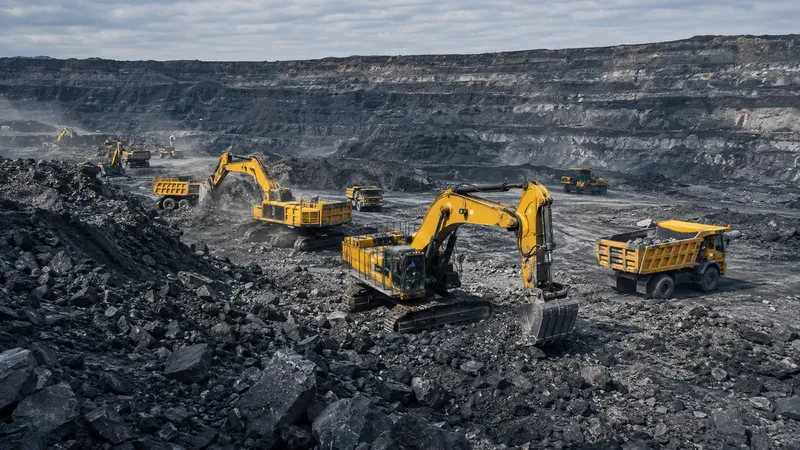
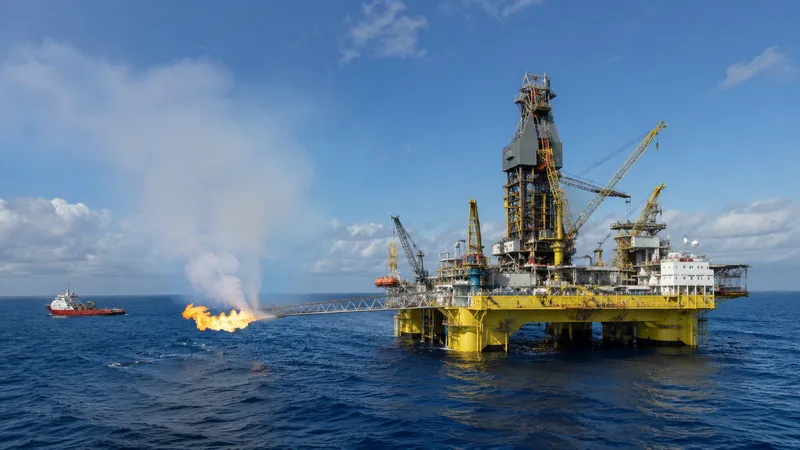
Applications by Industry





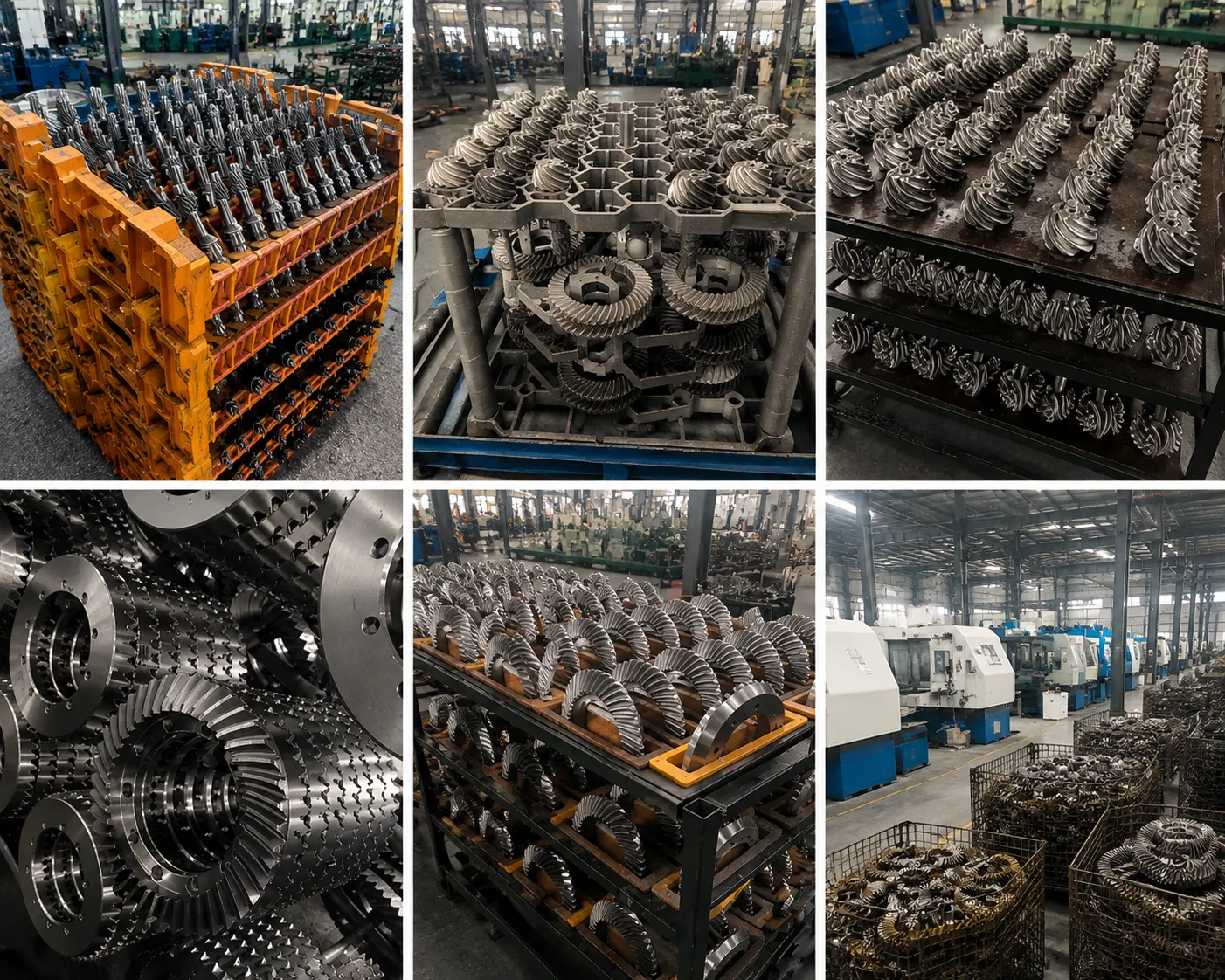
Quality Assurance and Manufacturing
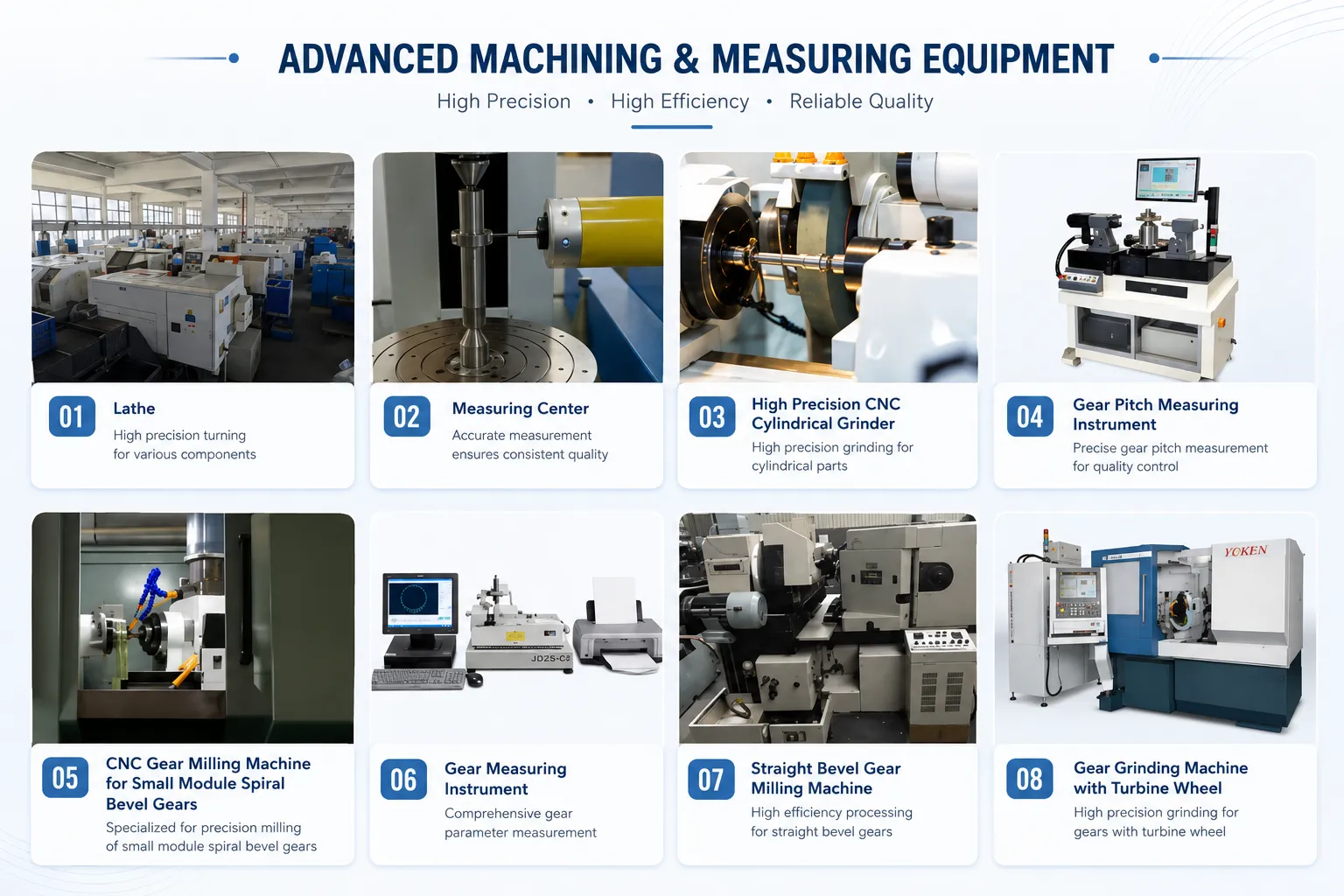
Precision Measurement Equipment
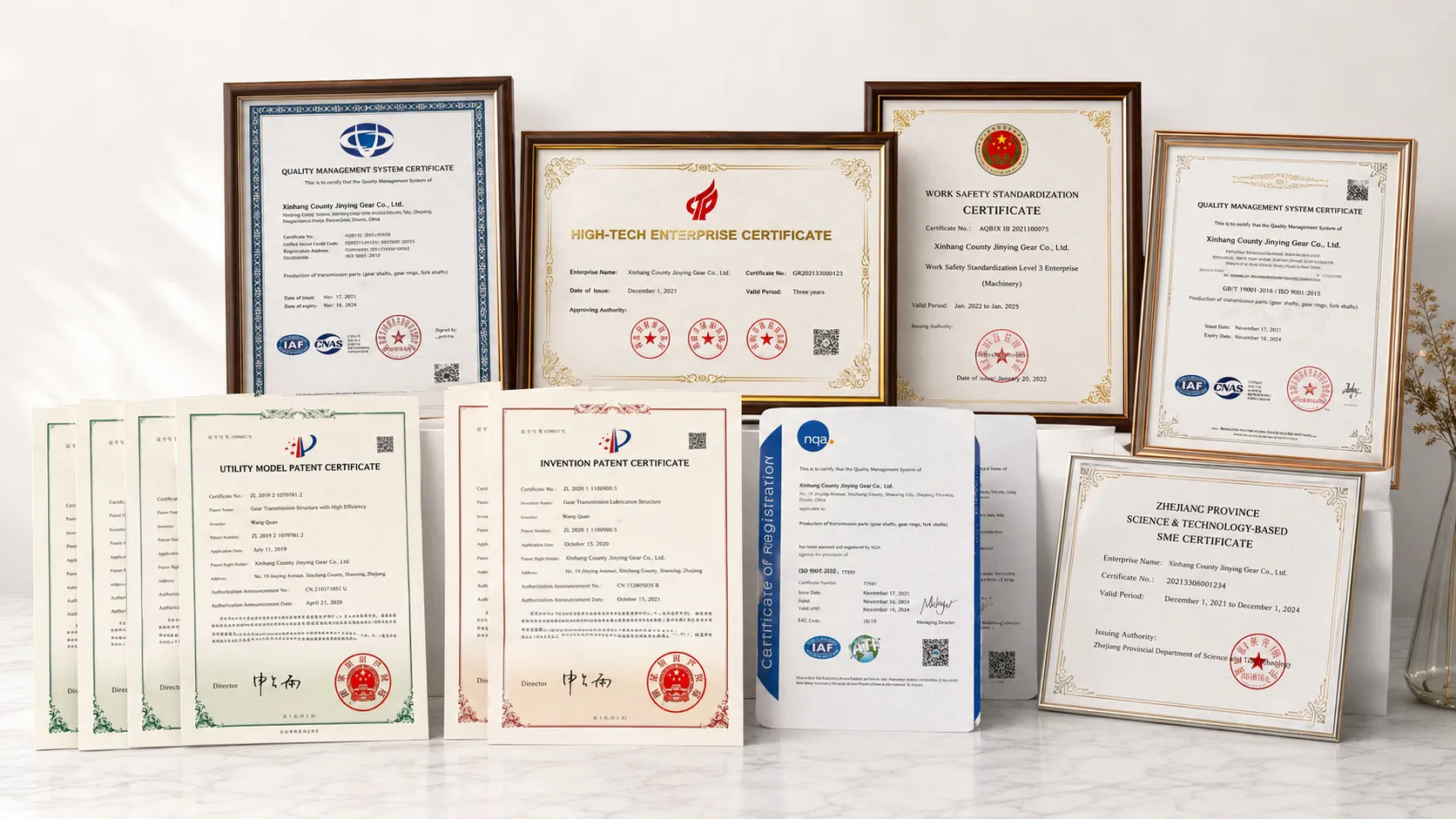
ISO 9001:2015 and Quality Certificates
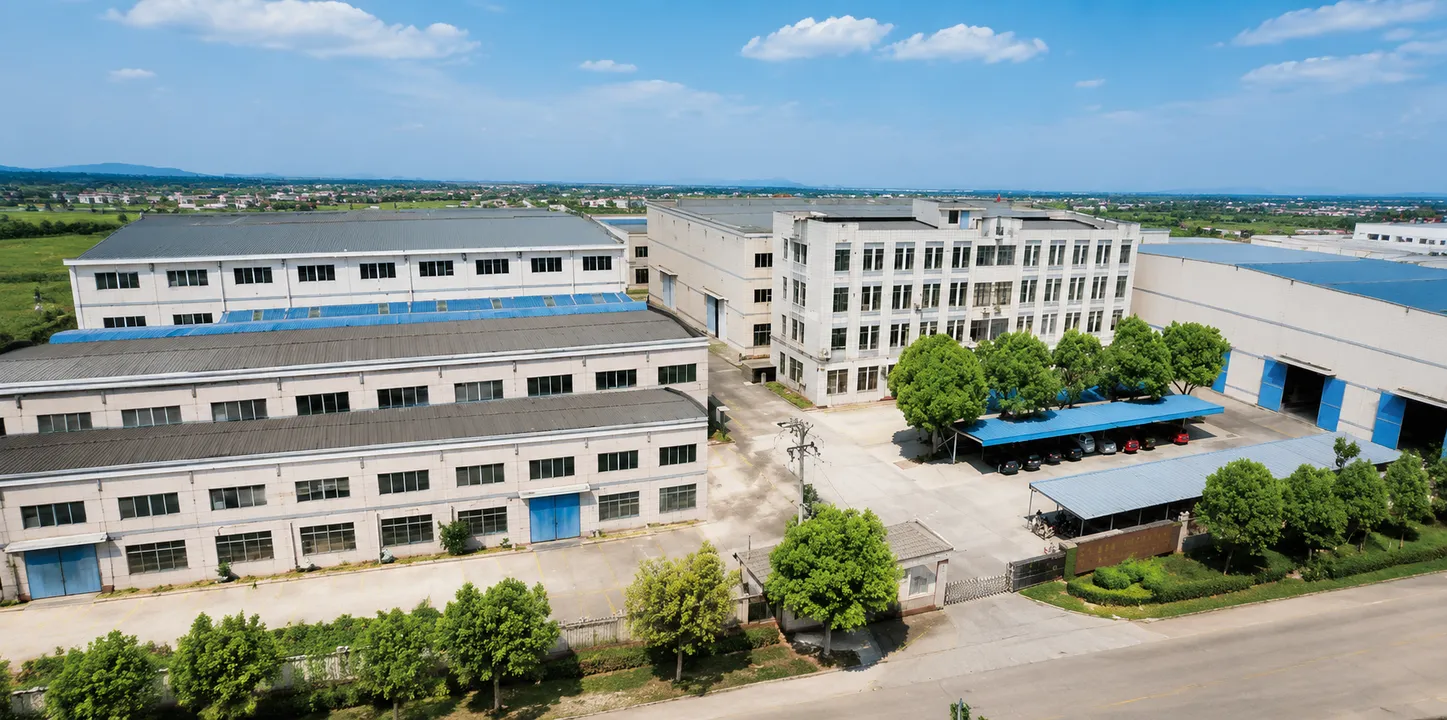
CNC Gear Grinding Machine
CMM Pitch Deviation Verification
Ever-Power ground gear racks are produced on CNC gear grinding machines after carburizing or induction hardening, achieving the final tooth geometry independently of the pre-hardening milling. ISO 9001:2015 quality management covers every stage. Every ground rack order ships with a CMM pitch deviation printout, material certificate, heat treatment record, and hardness traverse report. Full traceability is maintained from raw material batch through to dispatch lot number.
Browse the full range on the Ever-Power main site: all gear racks, spur gears, helical gears, bevel gears, planetary gear sets, worm gear wheels, ring gears, and plastic gears.
Related Gear Products
Ever-Power manufactures the complete range of industrial gear types alongside gear racks. If your drive system requires matched pinions, reduction gears, or associated gear types, the following product families are available from the same source.
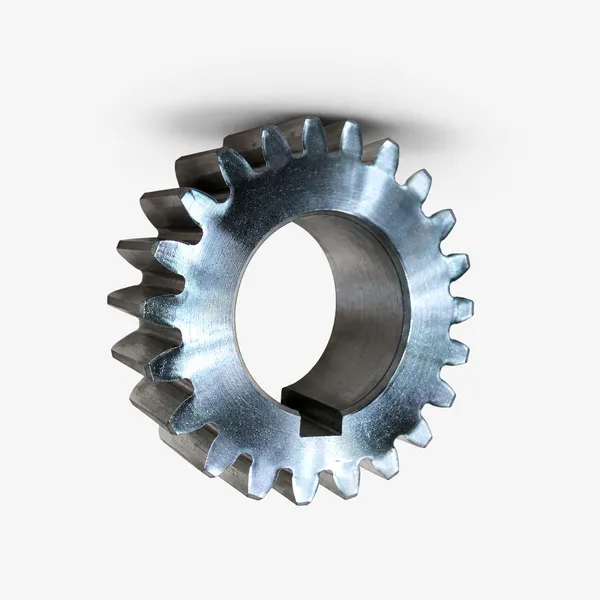
Spur Gears
Pinion gears matching our spur gear rack range; standard modules m0.5 to m20.
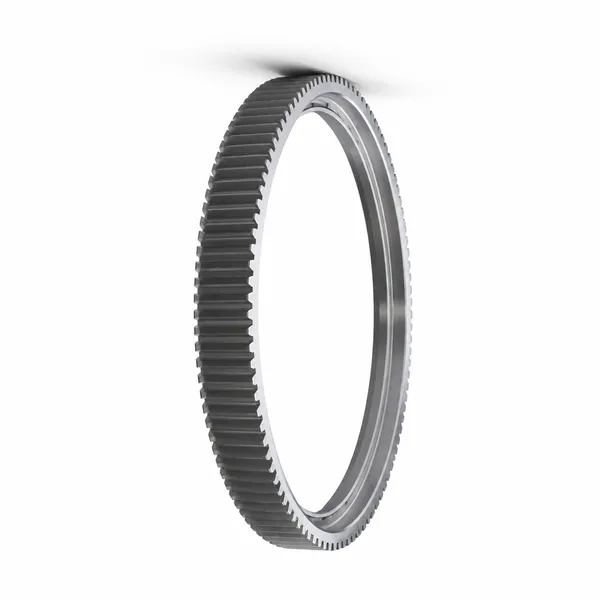
Ring Gears
Large-diameter internal or external ring gears for rotary and slewing drives.
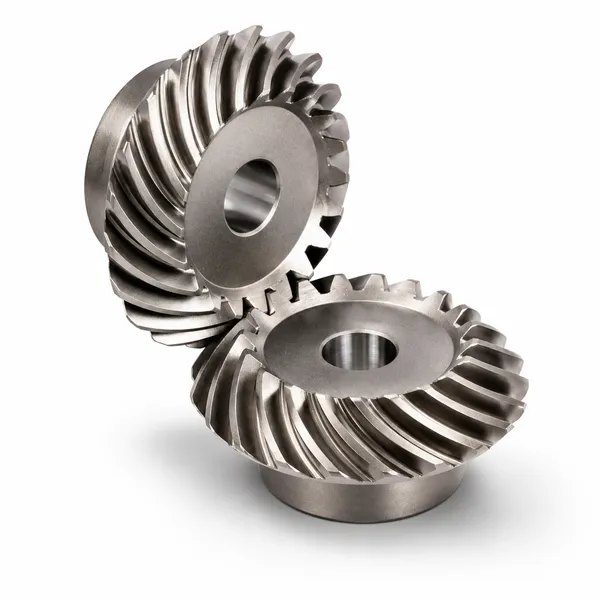
ベベルギア
Straight and spiral bevel gears for right-angle drives and gear motor input stages.
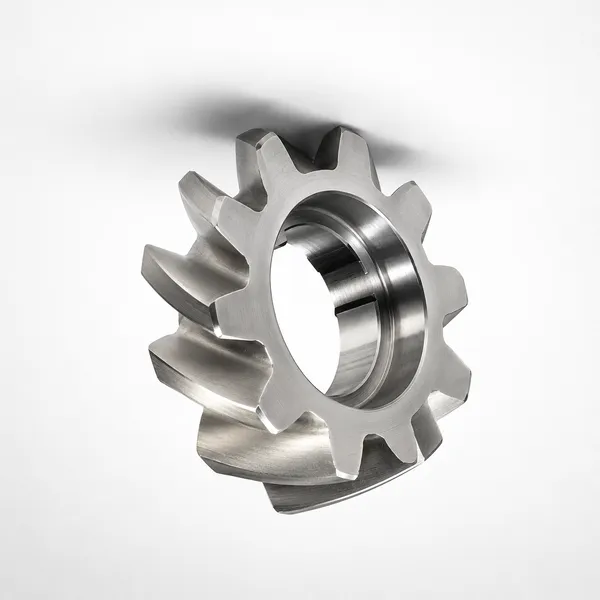
Helical Gears
Helical pinions for high-speed, low-noise rack drives and reduction stages.
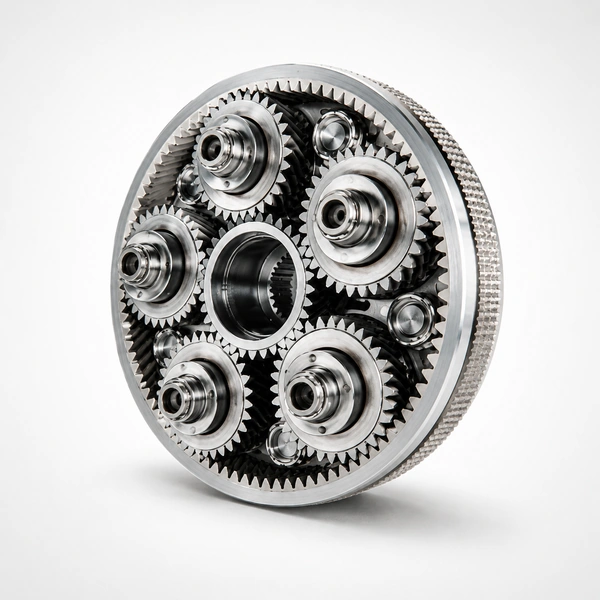
Planetary Gear Sets
Compact in-line reducers paired to servo motors; output shaft connects to the rack pinion.
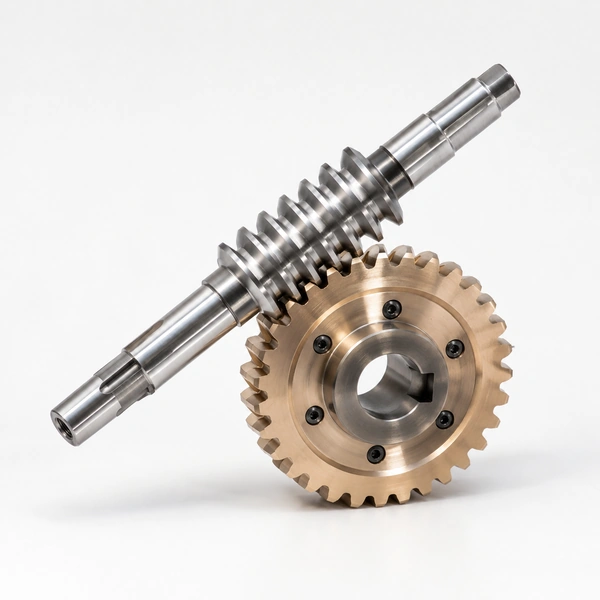
Worm Gear Wheels
Self-locking worm reducers for vertical rack axes holding position under gravity load.
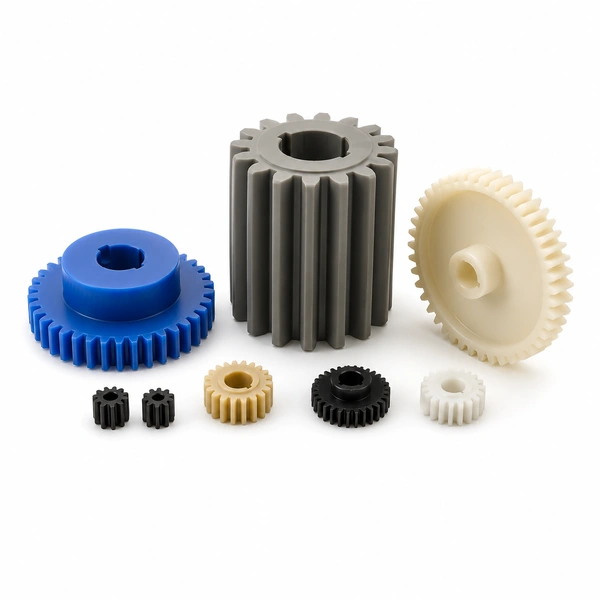
Plastic Gears
Nylon, POM, and polycarbonate pinion gears for light-duty, lubrication-free rack drives.
Frequently Asked Questions
What is the difference between a ground rack and a milled rack?
A milled rack has its teeth cut before heat treatment and accepts the geometric distortion that hardening introduces — pitch deviation is typically 0.02-0.05 mm per 300 mm. A ground rack has its tooth flanks CNC profile ground after heat treatment, removing the distortion and achieving pitch deviation below 0.008-0.015 mm per 300 mm. Ground racks also have a finer tooth surface finish (Ra 0.4 µm vs 1.6-3.2 µm), which reduces friction, wear rate, and noise at mesh frequency. The price premium of a ground rack is typically 2-4x a milled rack of the same module and material, which is justified in any application where positioning accuracy better than 0.05 mm is required.
Which DIN grade should I specify — DIN5, DIN6, or DIN7?
DIN7 is the standard entry level for servo CNC axes using rotary encoder feedback — it provides pitch accuracy sufficient for most machining centre feed axes and gantry robots. DIN6 is required when positioning repeatability better than 0.02 mm is needed without a linear scale, or when a linear scale is fitted but the residual drive-train error from DIN7 is too large for the closed-loop system to compensate at the required speed. DIN5 is used in semiconductor wafer handling, aerospace measurement tooling, and optical instrument manufacturing where sub-micrometre positioning error budgets are required.
What documentation is supplied with a ground gear rack order?
Every ground gear rack order from Ever-Power ships with: a CMM pitch deviation printout showing measured pitch error at every 25 mm interval along the rack length, verified against the specified DIN tolerance band; a material certificate with spectrochemical composition; a heat treatment record with carburizing or induction hardening time-temperature curve; a hardness traverse showing case depth and core hardness; and a dimensional inspection report covering tooth thickness, face width, section length, and side face parallelism. These documents satisfy the quality and traceability requirements of aerospace, medical device, semiconductor, and automotive Tier 1 OEM supplier audits.
Request a Quotation for Ground Gear Racks
Send your module, tooth profile, DIN grade required, length, material, and quantity. CMM pitch deviation printout included with every order.
追加情報
| Editor |
|---|
関連商品
-
Gear Rack for Greenhouse | Ventilation, Irrigation and Shading Rack Systems
-
Gear Rack for Rack Actuator | Valve, Gate and Damper Control, OEM Supply
-
Gear Rack and Pinions | Custom Precision Carbon Steel, OEM Supply
-
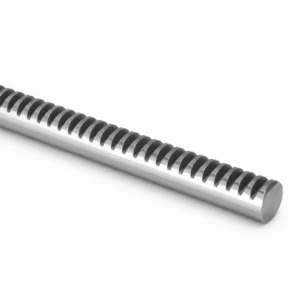
Round Gear Rack | Cylindrical Bar Rack, M1 Steel, Custom OEM Supply
-
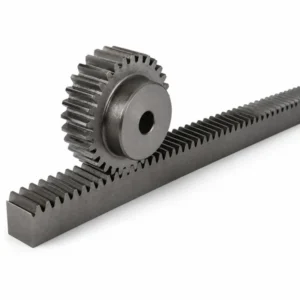
Spur Gear Rack | Straight Tooth Rack and Pinion, M1-M32, OEM Supply
-
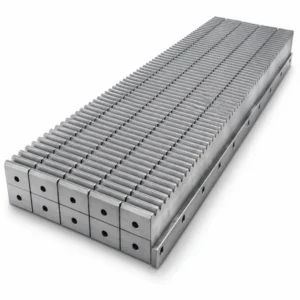
Gear Rack for Machine Tool Industry | CNC, Milling, Grinding, OEM Supply
-
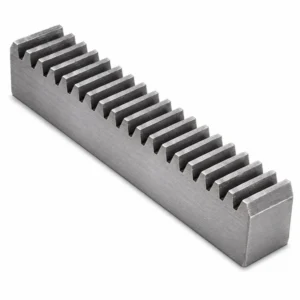
Metric Gear Rack | Spur and Helical, M1-M32, Steel and Plastic OEM Supply
-
Gear Rack for Railway Axles | High-Load Precision Rack, OEM Supply
 Japanese
  English
  Italian
  Korean
  French