
Gear Rack for Automobiles | Steering Rack, EPAS, OEM Replacement Supply
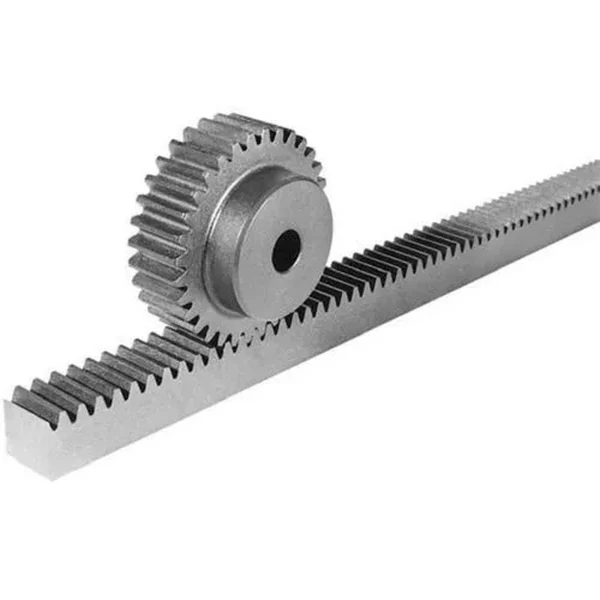
Ever-Power gear racks for automobiles are the precision-machined bar components at the heart of every rack-and-pinion steering system. The steering rack is a straight or variable-pitch bar with teeth along part of its length, sitting inside the steering housing and held in mesh with the steering column pinion by a spring-loaded rack guide. When the driver turns the steering wheel, the pinion rotates and the rack translates laterally inside its housing; tie rods attached to each end push and pull the wheel knuckles, steering the front wheels.
Gear Rack for Automobiles — Product Overview
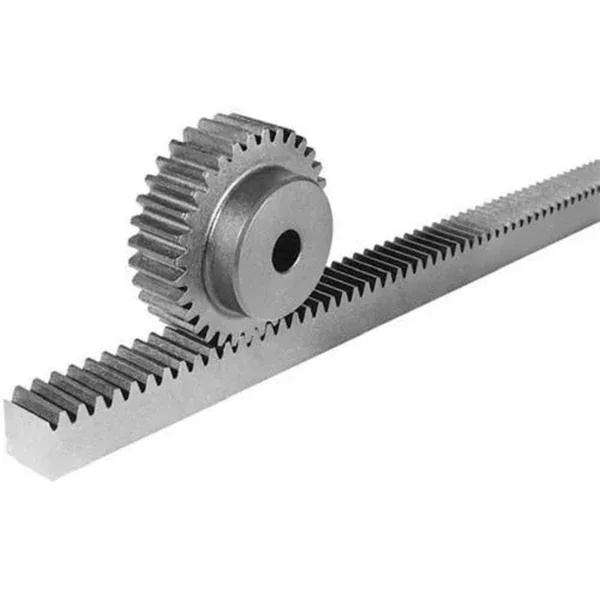
Ever-Power gear racks for automobiles are the precision-machined bar components at the heart of every rack-and-pinion steering system. The steering rack is a straight or variable-pitch bar with teeth along part of its length, sitting inside the steering housing and held in mesh with the steering column pinion by a spring-loaded rack guide. When the driver turns the steering wheel, the pinion rotates and the rack translates laterally inside its housing; tie rods attached to each end push and pull the wheel knuckles, steering the front wheels.
Rack-and-pinion steering replaced recirculating ball steering on virtually all passenger cars after the early 1980s because of its direct response, low weight, compact packaging, and consistent feel across the full lock-to-lock range. The automotive steering rack is one of the most highly loaded precision components in the vehicle — it must resist lateral forces from the road surface transmitted through the tie rods, resist torsional loads from the pinion, and maintain its dimensional accuracy over hundreds of thousands of steering cycles in the presence of water, road salt, heat, and mechanical shock from road impacts.
Ever-Power manufactures automotive steering racks in alloy steel 20CrMnTi or 42CrMo with induction-hardened tooth flanks, compatible with manual, hydraulic power-assisted (HPAS), column-electric (C-EPAS), and pinion-electric (P-EPAS) steering systems. Variable-ratio profiles, OEM-dimension replacements, and volume production programmes for Tier 1 steering system suppliers are all available. ISO 9001:2015 certified with material certificate, heat treatment record, and dimensional report on every order.
Technical Specifications
| Parameter | Standard Range / Options |
|---|---|
| Rack Profile | Constant-ratio (standard); variable-ratio (progressive, finer near lock) per OEM drawing |
| Cross-Section | Round bar (passenger car standard); rectangular (truck and commercial vehicle) |
| Rack Diameter (round) | 24 mm to 40 mm; custom per OEM drawing |
| Toothed Section Length | Per vehicle steering lock specification; OEM part number or measured drawing accepted |
| Rack Stroke (lock-to-lock) | Typically 120 mm to 160 mm; per OEM specification |
| Material | 20CrMnTi case-hardening steel; 42CrMo alloy steel |
| Heat Treatment | Induction hardening — toothed section and rack guide zone HRC 50-58; core HRC 28-35 |
| Tooth Accuracy | Milled and ground to OEM tolerance; straightness within 0.05 mm over full length after hardening |
| Tie-Rod Threads | Per OEM specification; metric and UNF available |
| Surface Treatment | Zinc phosphate plus wax or black oxide on external surfaces before gaiter fitting |
| Compatible Systems | Manual, HPAS, C-EPAS, P-EPAS, R-EPAS |
| 認証 | ISO 9001:2015; material certificate, heat treatment record, hardness report, dimensional report |
How the Automotive Steering Rack Works
1. Steering Input
The driver rotates the steering wheel. In manual steering, this rotation passes directly through the steering column to the pinion. In HPAS, a rotary valve on the pinion shaft directs hydraulic pressure to assist pinion torque. In EPAS, a torque sensor triggers an electric motor adding assist torque at the pinion or rack.
2. Rack Translation
Pinion teeth engage the rack teeth. As the pinion rotates, the rack bar translates laterally inside its housing — right for clockwise rotation, left for counter-clockwise. The rack guide spring maintains constant mesh across the full lock-to-lock travel range, preventing rattling on rough roads.
3. Wheel Pivoting
Tie rods connect each end of the rack bar to the front wheel knuckle. As the rack translates, the tie rods push and pull the knuckles, pivoting the front wheels about their steering axes. The rack stroke from lock to lock is typically 120-160 mm, producing 30-45° steering lock at each front wheel.
Types of Automotive Steering Rack
⚙ Manual Steering Rack
No power assistance. Used in light vehicles with low mass over the front axle — small city cars, go-karts, and lightweight sports cars. The driver provides all the steering torque. Rack teeth are standard constant-ratio profile; lightest and most mechanically simple variant.
⚙ Hydraulic Power Steering (HPAS) Rack
Engine-driven hydraulic pump delivers pressurised fluid to a servo cylinder on the steering housing. A rotary valve on the pinion controls fluid direction. Most passenger cars produced before 2010 and many commercial vehicles use HPAS. Higher tooth load rating required due to hydraulic assist forces acting on the rack.
⚙ Electric Power Steering (EPAS) Rack
Column-mounted (C-EPAS) or pinion-mounted (P-EPAS) electric motor adds assist torque measured by a steering torque sensor. Standard on virtually all new passenger cars since 2015 for fuel economy benefits. Rack geometry unchanged from HPAS; the assist mechanism differs.
⚙ Variable-Ratio Steering Rack
Tooth pitch varies along the rack length — coarser near centre for motorway stability, finer near lock for sharp low-speed manoeuvres. Requires variable-pitch tooth cutting and is available to OEM drawing for progressive steering systems. First-article samples available for dimensional and functional verification.
⚙ Rack-Assist EPAS (R-EPAS)
Electric motor acts directly on the rack bar via a ball-nut or additional pinion, rather than on the steering column. Provides more assist force and is used in larger and heavier vehicles where column-mounted motors are insufficient. Rack must accommodate the ball-nut or assist-pinion interface per OEM design.
Manufacturing Process
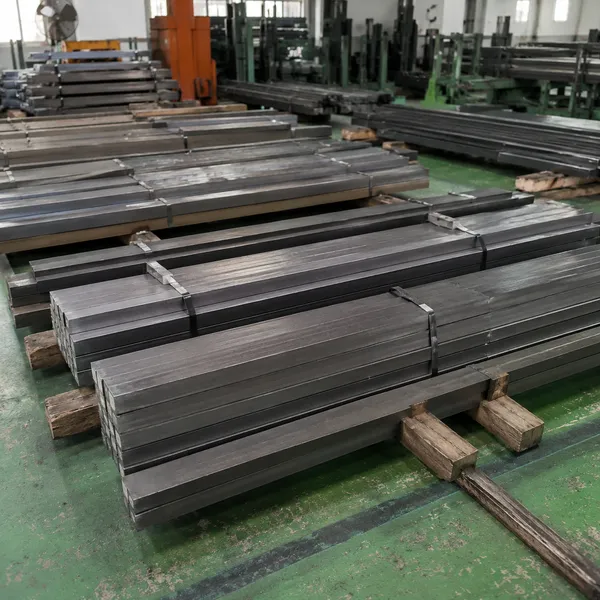
Step 1 — Raw Material
20CrMnTi or 42CrMo alloy steel round bar verified by spectrochemical analysis before production.
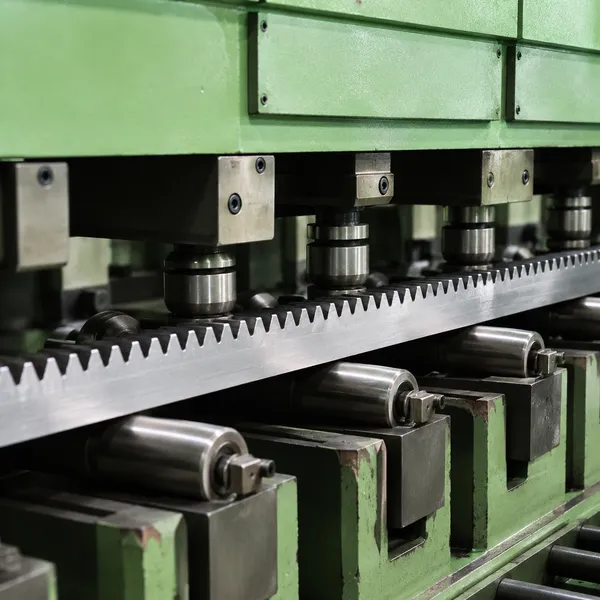
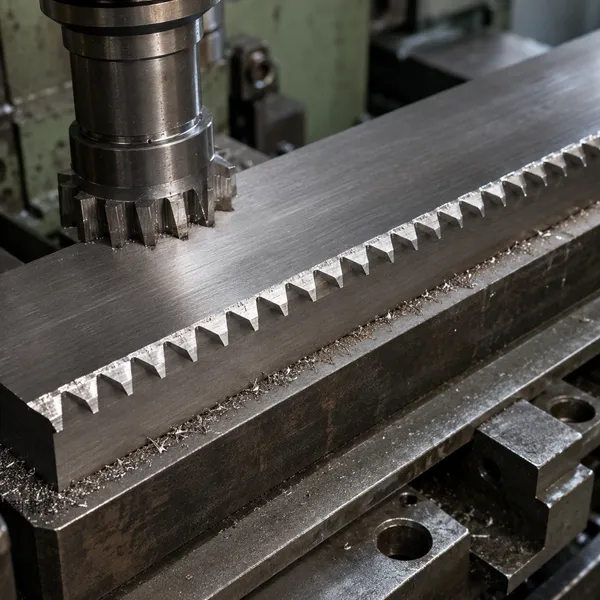
Step 2 — Tooth Cutting
Rack teeth cut on CNC rack milling machine to the OEM tooth profile and pitch specification.
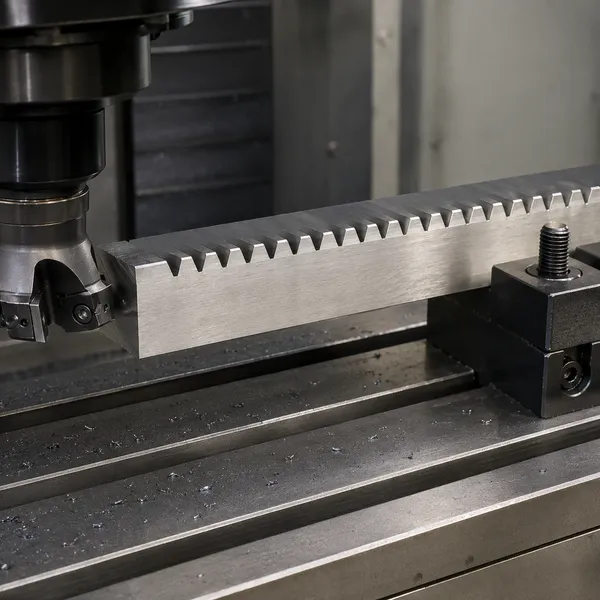
Step 3 — Deburring
Tooth-end burrs removed; edges chamfered to prevent handling damage and improve gaiter sealing.
Step 4 — Heat Treatment
Toothed section and guide zone induction hardened to HRC 50-58; time-temperature curve recorded per batch.
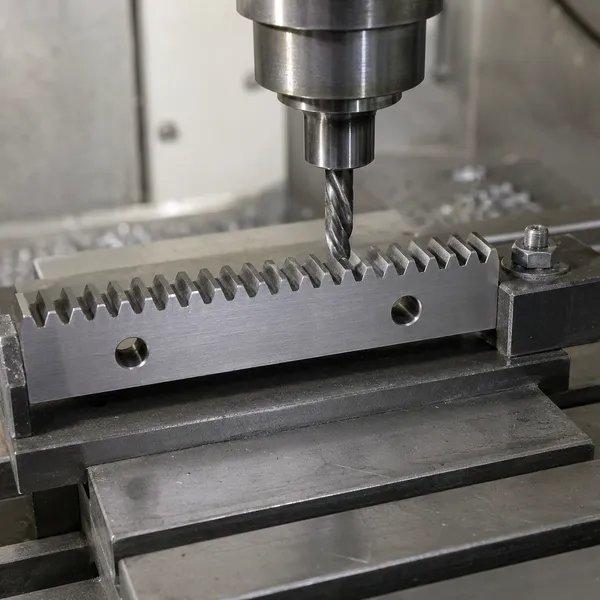
Step 5 — End Machining
Tie-rod threads, stroke-stop grooves, and guide contact zone machined to OEM specification after hardening.
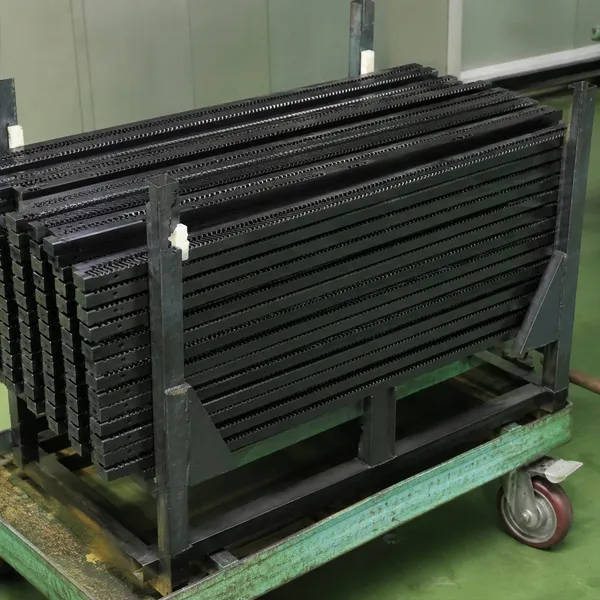
Step 6 — Surface Treatment
Zinc phosphate plus wax or black oxide applied to external surfaces. Rack is grease-packed in toothed zone at assembly.
Key Production Equipment
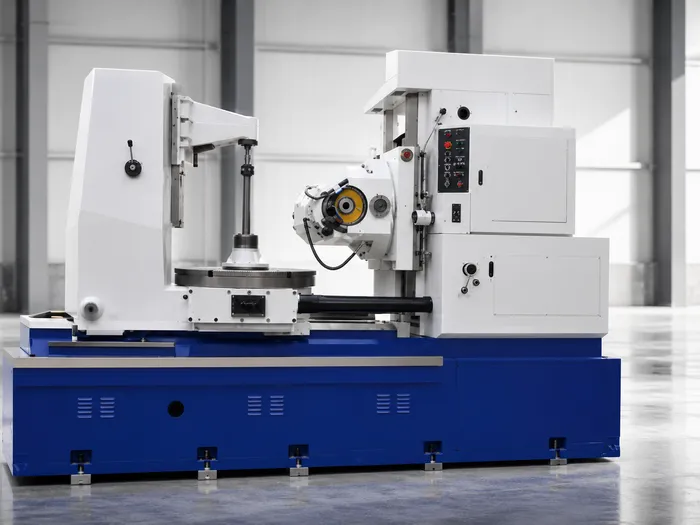
Gear Hobbing Machine
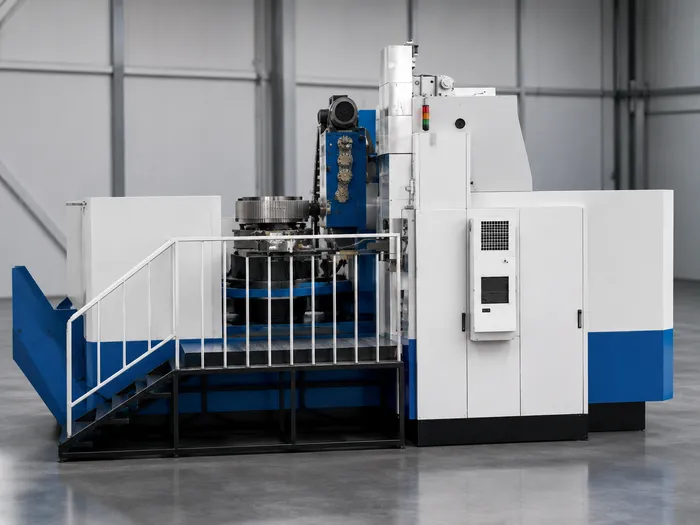
Gear Milling Machine
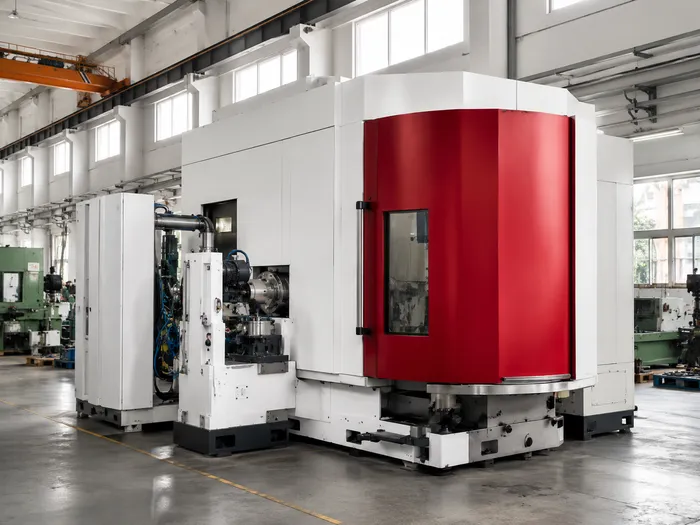
CNC Gear Grinding Machine
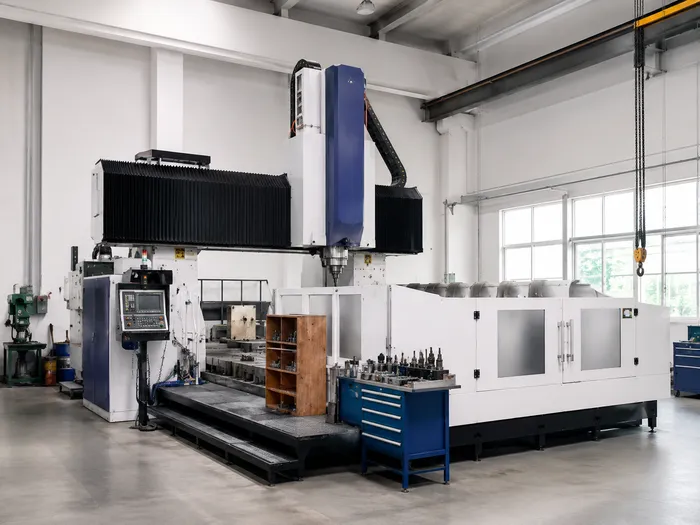
Gantry CNC Machining Centre
Applications by Vehicle Type

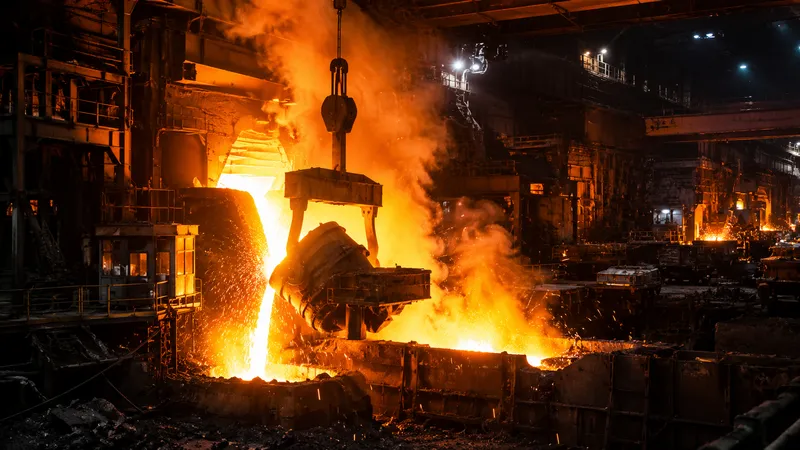






🚛 Passenger Car Steering
Passenger cars from small city vehicles to large executive saloons use rack-and-pinion steering with EPAS as standard since 2015. Rack diameter typically 24-30 mm; constant-ratio profile standard; variable-ratio available on performance and premium platforms. OEM replacement racks for all major brands manufactured to original geometry.
🚘 Commercial and Heavy Vehicles
Light commercial vans and medium trucks use HPAS or R-EPAS steering racks in 32-40 mm diameter with higher tooth load ratings to handle increased front axle mass. Rack-assist EPAS systems require racks with the ball-nut or assist-pinion interface machined to vehicle OEM specification.
🚌 OEM and Tier 1 Production
Ever-Power supplies steering racks on volume production programmes directly to steering system integrators and vehicle manufacturers. First-article approval documentation, PPAP-compatible quality records, and continuous production with batch traceability are standard. Minimum order quantities and lead times confirmed per OEM programme schedule.
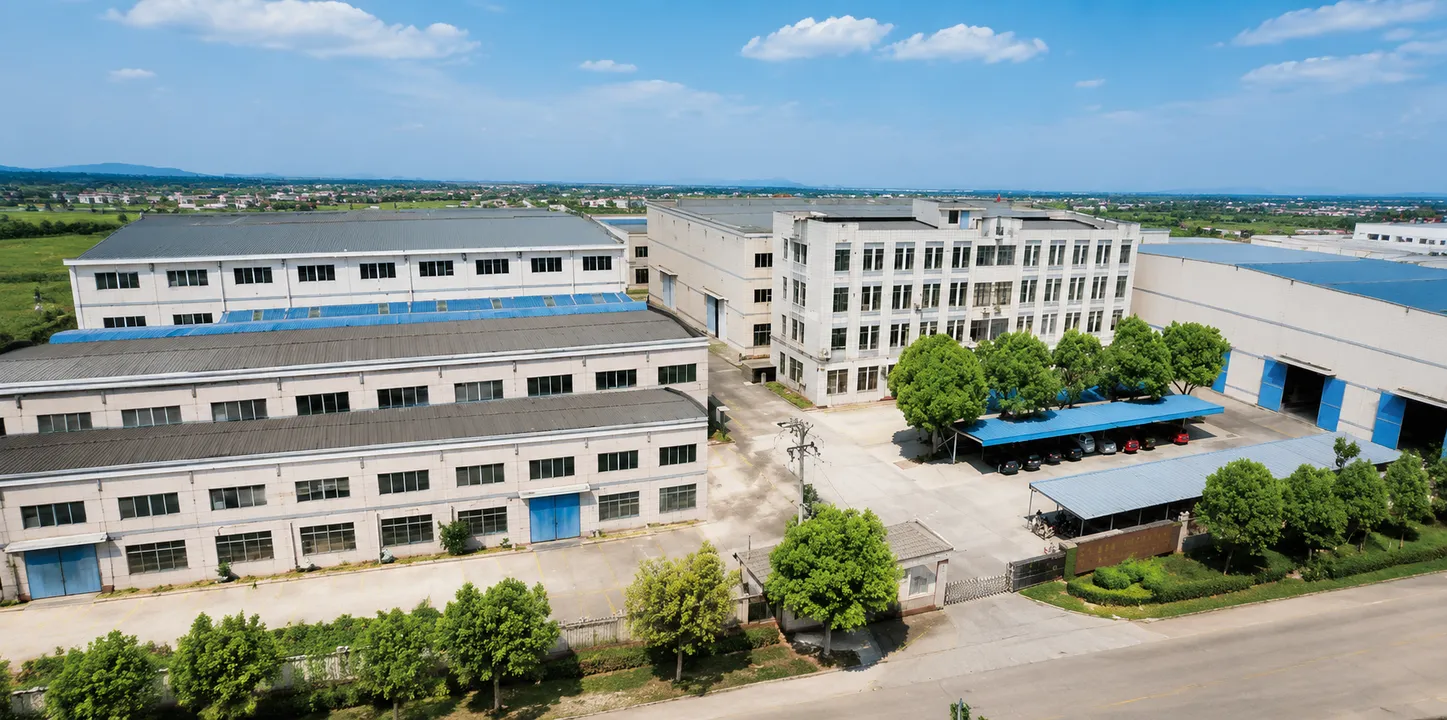
Quality Assurance and Manufacturing Facility
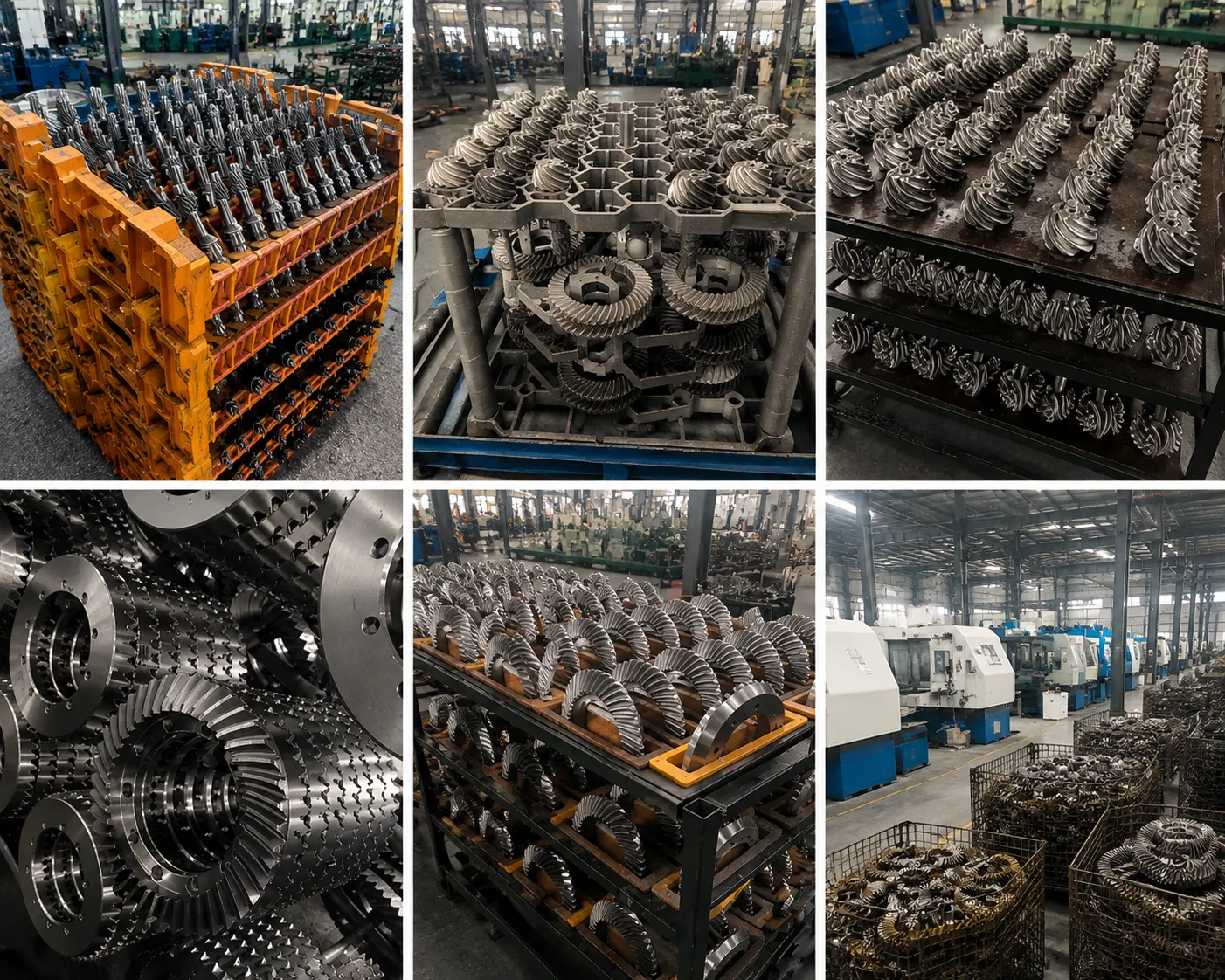
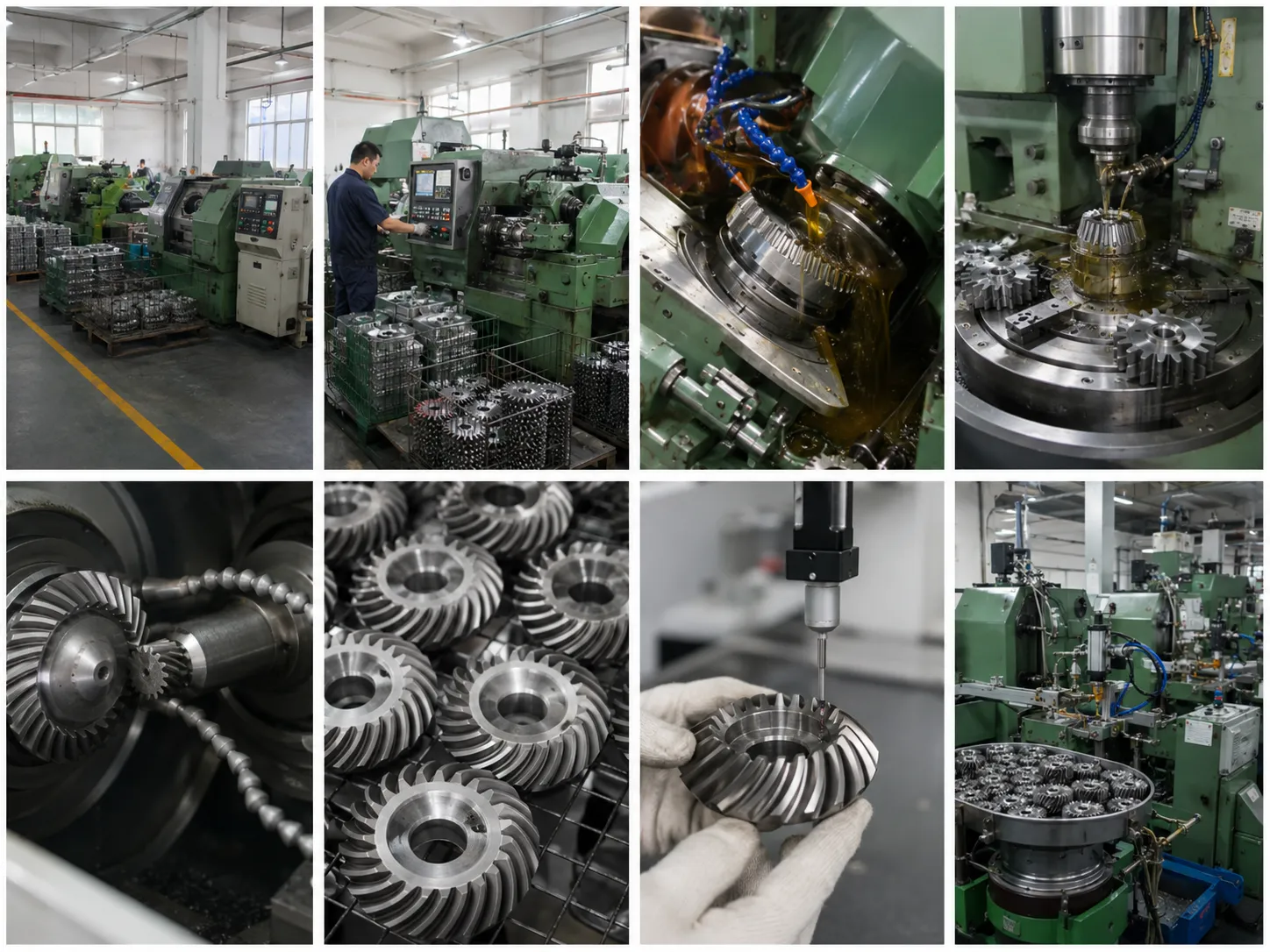
Ever-Power automotive steering racks are manufactured under ISO 9001:2015 quality management from OEM-grade alloy steel bar stock verified by spectrochemical analysis before entering production. Tooth cutting is performed on CNC rack milling machines with in-process pitch monitoring; heat treatment parameters are recorded for every batch. Final inspection covers tooth form, rack diameter, toothed length, stroke stops, tie-rod thread dimensions, and surface hardness. Material certificate, heat treatment record, and dimensional inspection report accompany every order.
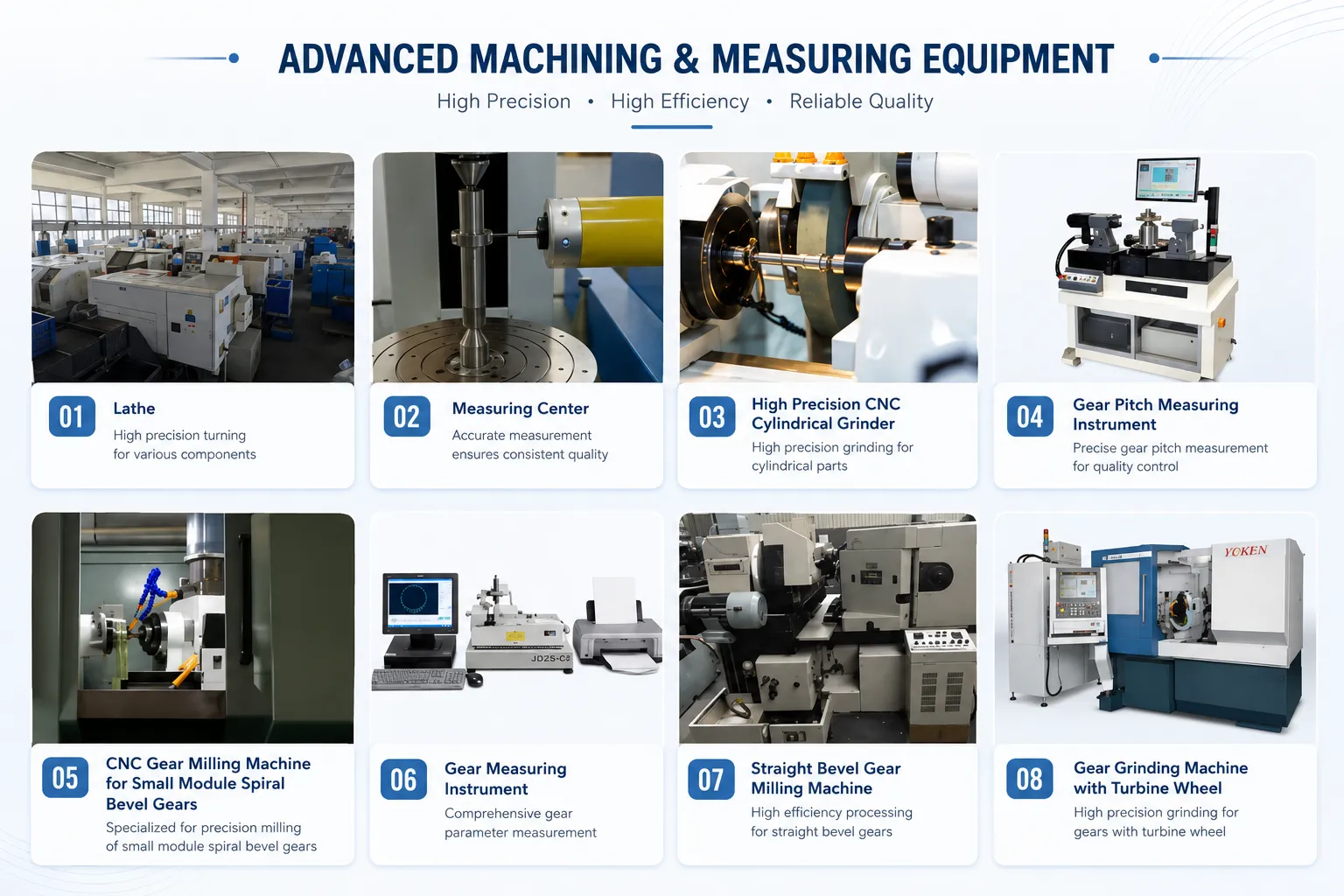
Precision Measurement Equipment
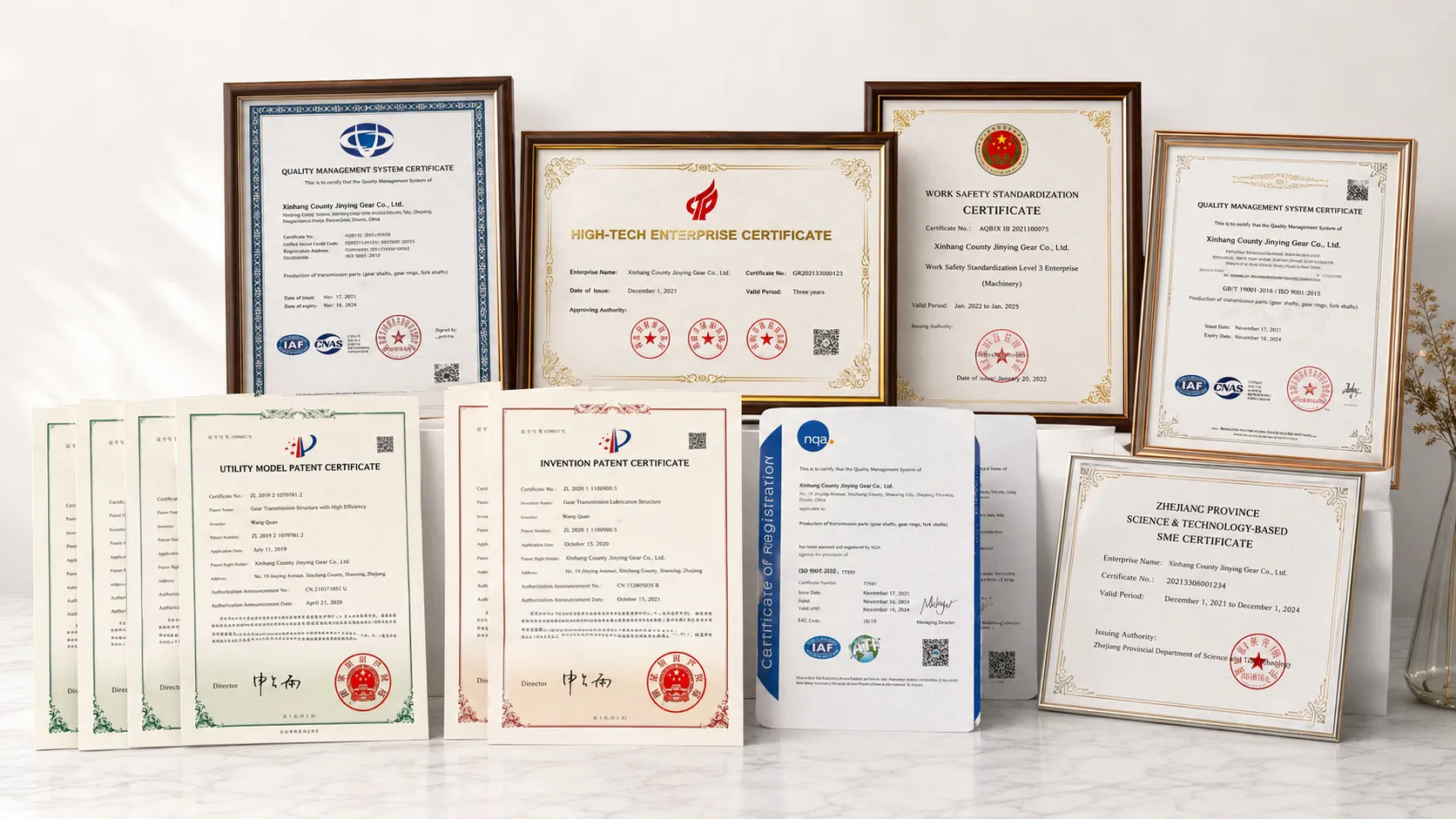
ISO 9001:2015 and Quality Certificates
Selection and Maintenance Guide
| Criterion | Guidance |
|---|---|
| OEM Replacement | Provide vehicle make, model, year, and steering system type, or the OEM part number. We match the rack geometry exactly for drop-in replacement with no housing modification required. |
| New Design | Provide front axle load, lock-to-lock stroke, housing bore diameter, tie-rod thread specification, and steering system type. We design the rack specification and provide first-article samples. |
| Installation | Position the rack aligned with housing mounting points. Fasten to specified torque. Re-connect tie rods at correct thread engagement. Verify lock-to-lock operation before road test. Always perform four-wheel alignment after rack replacement — the toe setting may shift. |
| Maintenance | Inspect rack gaiter at every service for cracks, splits, or loose clamps — a failed gaiter exposes rack teeth to water and road salt. Rack itself needs no lubrication if gaiter is intact; teeth are grease-packed at assembly for component life. |
| Replacement Indicators | Replace when steering play exceeds the vehicle specification limit; clonking noise on full lock; power steering fluid leakage; or uneven front tyre wear indicating rack-induced toe asymmetry. |
Related Gear Products
Ever-Power manufactures the complete range of industrial gear types alongside gear racks. If your drive system requires matched pinions, reduction gears, or associated gear types, the following product families are available from the same source.
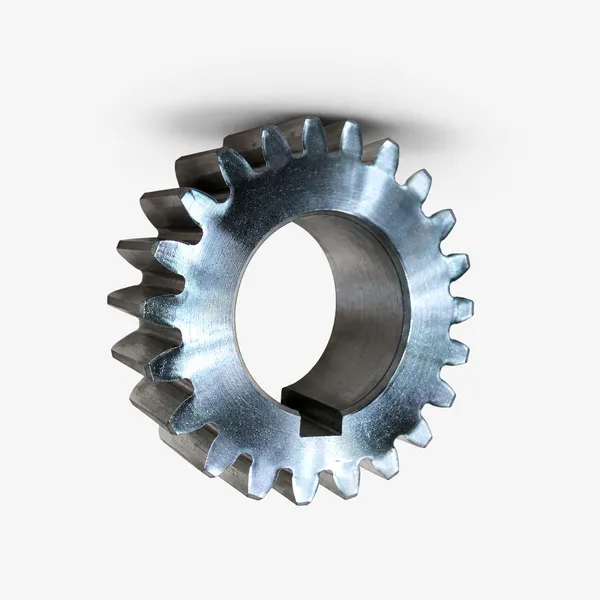
Spur Gears
Pinion gears matching our spur gear rack range; standard modules m0.5 to m20. Used as the driven element in all spur rack and pinion drives.
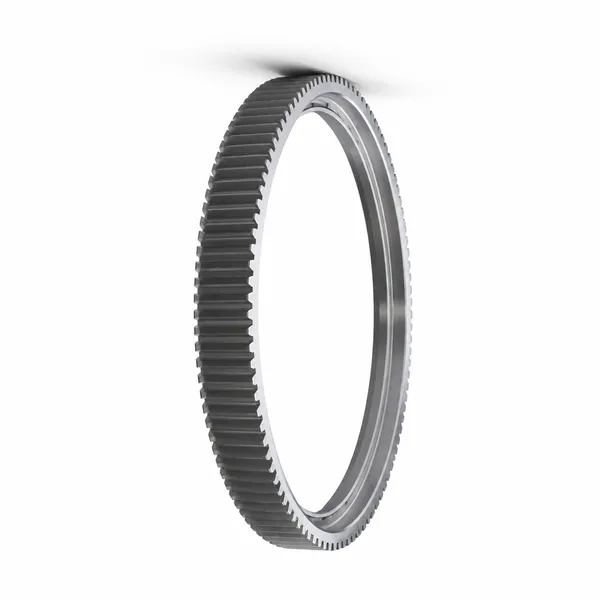
Ring Gears
Large-diameter internal or external ring gears for rotary drives paired with rack-driven positioning systems.
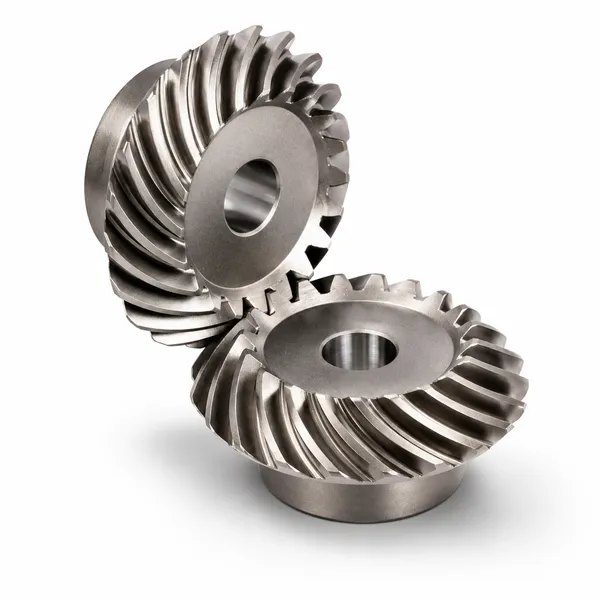
ベベルギア
Straight and spiral bevel gears for right-angle drives; often used in gear motors driving the rack pinion shaft.
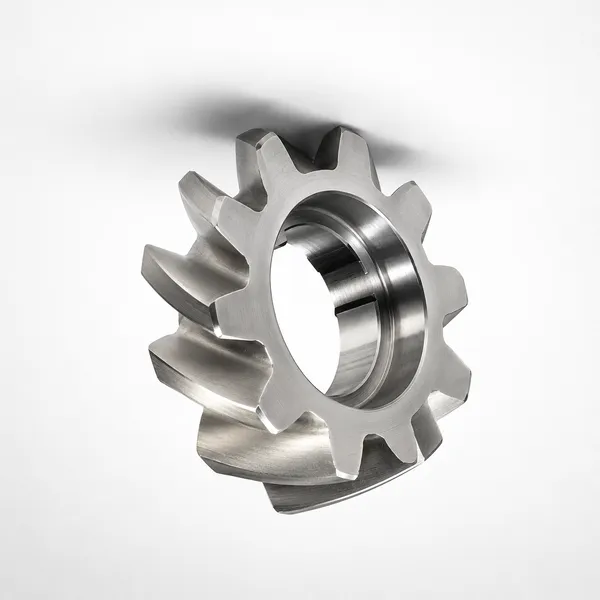
Helical Gears
Helical pinions paired with helical racks for high-speed, low-noise linear drives and reduction stages.
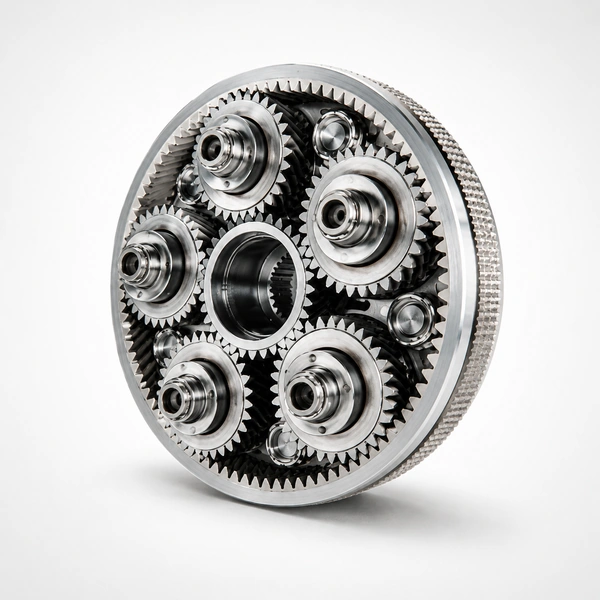
Planetary Gear Sets
Compact in-line reducers paired directly to servo motors; the output shaft connects to the rack pinion.
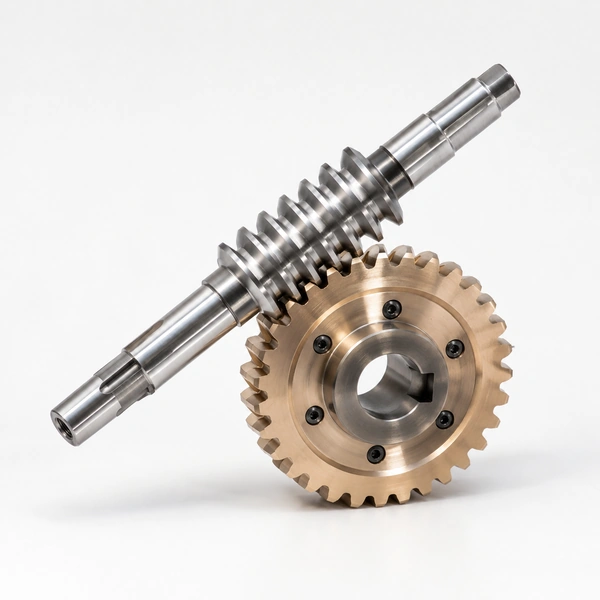
Worm Gear Wheels
Self-locking worm reducers for vertical rack axes holding position under gravity load without a motor brake.
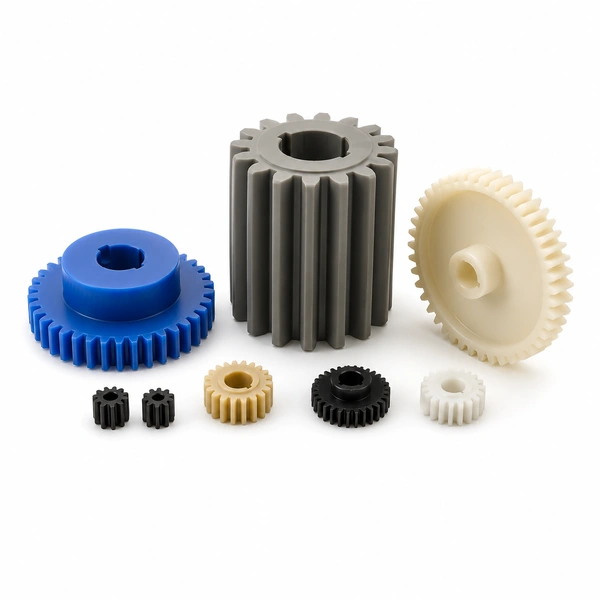
Plastic Gears
Nylon, POM, and polycarbonate pinion gears for light-duty rack drives requiring low noise and lubrication-free operation.
Frequently Asked Questions
What are the signs that an automotive steering rack needs replacing?
The most reliable indicators are: excessive steering play — the wheel can be turned several degrees before the wheels respond, indicating worn rack-to-pinion mesh; clonking or thudding noise on full lock, indicating worn rack guide spring or a loose rack mounting; power steering fluid leakage from the rack housing, indicating a failed seal; and uneven tyre wear on one front wheel, indicating a bent or worn rack causing asymmetric toe. Any of these symptoms warrants immediate professional inspection, as a failing steering rack is a direct safety concern.
Can you supply variable-ratio steering racks for EPAS systems?
Yes. Variable-ratio steering racks have a tooth pitch that changes progressively from the centre of the rack toward the ends — giving a less sensitive ratio near-centre for motorway driving stability and a more direct ratio near full lock for parking manoeuvres. Send us the OEM drawing with the pitch variation profile and total rack stroke, and we will provide a first-article sample for your dimensional and functional verification before volume production.
What material and heat treatment are used for automotive steering racks?
OEM-standard automotive steering racks are manufactured from medium-carbon alloy steel — typically 20CrMnTi or 42CrMo. The toothed section is induction hardened after machining: surface hardness HRC 50-58 on the tooth flanks and rack guide contact zone, with a tough core hardness of HRC 28-35 that absorbs impact without fracture. Surface protection — zinc phosphate plus wax or black oxide — is applied to external surfaces before the rubber gaiter is fitted during steering housing assembly.
Request a Quotation for Automotive Steering Gear Racks
Send your vehicle specification, OEM part number, or rack drawing. We return a price and lead time within 24 hours. Volume OEM programmes welcome.
追加情報
| Editor |
|---|
関連商品
-
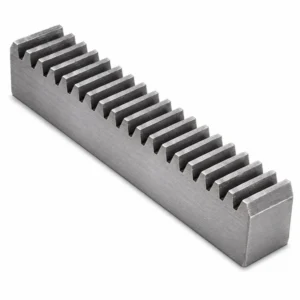
Metric Gear Rack | Spur and Helical, M1-M32, Steel and Plastic OEM Supply
-
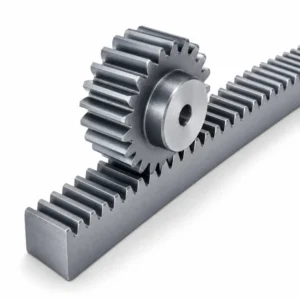
Ground Gear Rack | Precision Ground Spur Rack, DIN5-7, OEM Supply
-
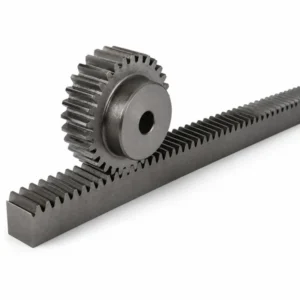
Spur Gear Rack | Straight Tooth Rack and Pinion, M1-M32, OEM Supply
-
Ground Helical Gear Rack | DIN5-6 Precision, CNC Ground, OEM Supply
-
Gear Rack for Greenhouse | Ventilation, Irrigation and Shading Rack Systems
-
Gear Rack for Machine Tool Industry | CNC, Milling, Grinding, OEM Supply
-
Gear Rack and Pinions | Custom Precision Carbon Steel, OEM Supply
-
Gear Rack and Pinion | Spur, Helical, Ground and Custom OEM Supply
 Japanese
  English
  Italian
  Korean
  French