
Gear Rack for Rack Actuator | Valve, Gate and Damper Control, OEM Supply
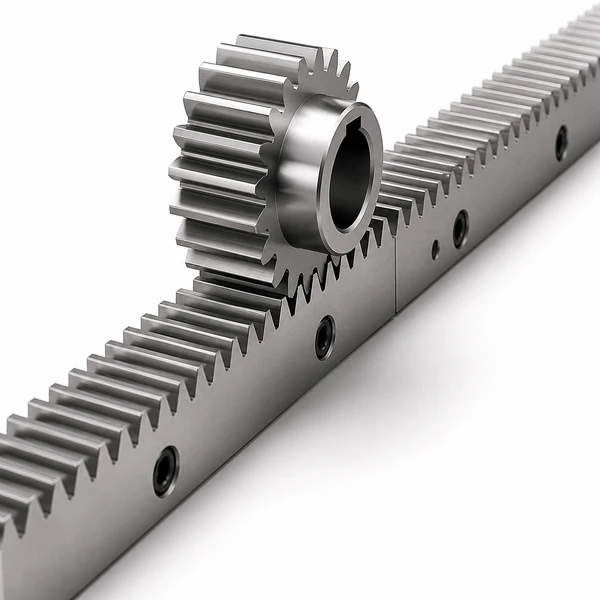
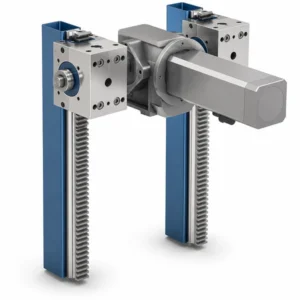
Ever-Power gear racks for rack actuators are the linear drive component inside every rack-and-pinion actuator that controls a quarter-turn valve, gate, or damper. The rack translates pneumatic or hydraulic piston force into precise rotary output at the actuator shaft — a simple, high-efficiency mechanism with no wear-prone linkages or cams. Available in modules M1 through M32 in C45 carbon steel, 40Cr and 42CrMo alloy steel, and stainless steel 316 for corrosive media service; stroke length, rack width, and tooth profile are all manufactured to your actuator drawing. ISO 9001:2015 certified with material certificate and dimensional report on every order.
Gear Rack for Rack Actuator — Product Overview
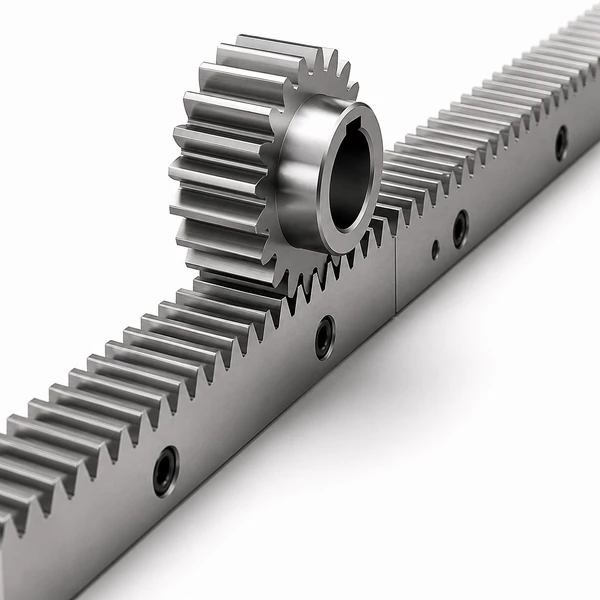
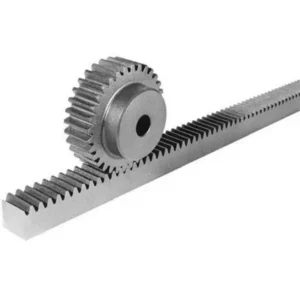
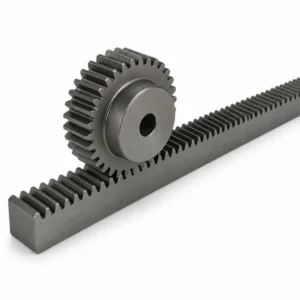
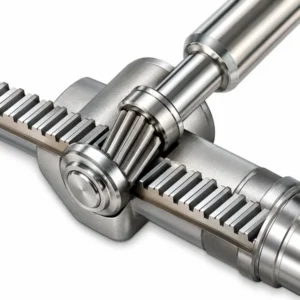
Ever-Power gear racks for rack actuators are precision-machined linear bars that form the core motion-conversion element in rack and pinion actuators. In a rack-and-pinion actuator, a pneumatic or hydraulic piston pushes the rack linearly; the rack teeth engage a pinion shaft, which rotates the actuator output shaft. This converts the straight-line piston force into 90° rotary motion in one clean mechanical step — no cams, no linkages, no friction-heavy worm stages. The result is high transmission efficiency, backlash-free position control, and fail-safe spring-return capability that makes rack actuators the dominant choice for quarter-turn valve and damper control in the process industry.
The gear rack inside the actuator carries the full piston force in bending and shear across a small number of tooth contacts at any instant. Material selection and tooth geometry are therefore critical to actuator service life. Ever-Power manufactures actuator racks in C45 medium carbon steel with induction-hardened tooth flanks for standard industrial duty, and in 42CrMo alloy steel or stainless steel 316 for high-cycle or corrosive-service applications. All racks are produced to module and stroke dimensions confirmed from your actuator drawing, ensuring drop-in fit without on-site machining.
Features and Advantages
⚙ Simple Structure
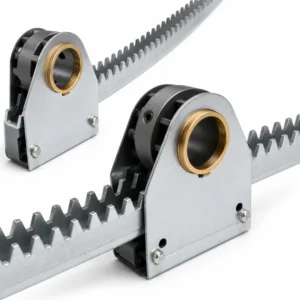
A straight metal bar with precision teeth along its length — no cams, eccentric pins, or worm stages. The simple geometry makes actuator racks easy to inspect, replace, and maintain in service. A worn rack is a direct swap with no adjustment required if the replacement is machined to the same module and stroke specification.
⚡ High Transmission Efficiency
Direct tooth engagement between rack and pinion gives mechanical efficiency above 95%, meaning nearly all the piston force reaches the output shaft as torque. This allows actuator designers to specify a smaller, lighter cylinder for the same output torque requirement compared with worm-driven or scotch-yoke alternatives with their higher friction losses.
💪 Strong Load Bearing Capacity
Alloy steel actuator racks in 42CrMo with induction-hardened teeth at HRC 50-55 withstand the high bending moment at the tooth root generated by large-bore cylinder thrust forces. Ever-Power manufactures actuator racks for operating torques from a few Newton-metres in instrument valve actuators to several thousand Newton-metres in large pipeline isolation valves.
⌛ Long Service Life
High-quality materials, controlled heat treatment, and precision tooth geometry give Ever-Power actuator racks a long operating life at rated cycle count. For quarter-turn valve actuators operating 100 or fewer cycles per day, a correctly specified steel rack routinely achieves 500,000 to 1,000,000 cycles before measurable tooth wear.
🌏 Wide Application Range
Suitable for pneumatic, hydraulic, and electro-mechanical rack actuators of all sizes. The same tooth geometry applies across valve actuators, gate operators, damper drives, robotics end-effectors, and machine tool clamping mechanisms. Changing only the module and face width scales the same rack design from an instrument-size valve to a 48-inch pipeline butterfly valve actuator.
Technical Specifications
| Parameter | Standard Range / Options |
|---|---|
| Module | M1 through M32; non-standard modules per actuator drawing |
| Tooth Form | Spur (straight tooth) standard; helical available for high-speed electro-mechanical actuators |
| Pressure Angle | 20° standard; 14.5° and other angles per drawing |
| Stroke Length | Per actuator drawing; any length from 50 mm to 2,000 mm per section |
| Face Width | Per actuator body bore and torque requirement; confirmed at quotation |
| Material — Standard | C45 carbon steel; 40Cr alloy steel; 42CrMo alloy steel |
| Material — Corrosive Service | Stainless steel 304, 316, 316L for aggressive media or offshore environments |
| Heat Treatment | Induction hardening (HRC 48-55 tooth surface); through-hardening; carburising and quenching; nitriding |
| Surface Treatment | Black oxide, zinc plating, nickel plating, passivation, phosphating, hard chrome, as-machined |
| Cross-Section | Rectangular; round; T-slot; custom profile per actuator housing |
| End Features | End chamfer, piston rod thread, connecting rod bore, or blank end per drawing |
| Standards | ISO, DIN, ANSI, JIS, BS; non-standard per customer drawing |
| 인증 | ISO 9001:2015; material certificate, heat treatment record, dimensional inspection report |
응용 프로그램
🔌 Valve Control
Ball valves, butterfly valves, and plug valves in pipeline and process plant use rack-and-pinion actuators for quarter-turn open/close or modulating control. The rack translates pneumatic cylinder stroke into shaft rotation; spring-return springs in double-rack designs provide fail-safe closure on air supply loss. Stainless steel racks are specified for corrosive fluid service such as chemical plant, offshore platform, and wastewater treatment installations.
🔌 Gate Control
Sluice gates, floodgates, lock gates, and irrigation control gates use heavy-module rack actuators where large gate panels must be lifted or rotated against significant water pressure. The high mechanical efficiency of the rack drive minimises the required actuator cylinder bore, reducing the capital cost of large gate installations.
🔌 Damper Control
HVAC air handling units, boiler air inlet dampers, flue gas recirculation dampers, and industrial ventilation systems use rack actuators for proportional damper position control. The precise, low-backlash engagement of a well-made rack allows the damper to hold any modulating position reliably without hunting or drift under varying air pressure loads.
🤖 Robotics and Machine Tools
Compact rack actuator mechanisms are used in robotic gripper rotation, CNC tool turret indexing, and machine tool clamping and unclamping. The high stiffness of the rack-pinion interface gives low angular error under the torsional loads applied during clamping, making rack actuators preferable to cam or linkage mechanisms in high-precision machine tool applications.
Selection, Installation and Maintenance
Selection Factors
Specify actuator type (pneumatic, hydraulic, or electric), required output torque, piston bore and stroke, rotation angle (typically 90°), cycle count per day, and operating environment (temperature, media corrosivity). The rack module is then calculated from torque and piston force; face width from the bending stress limit of the chosen material. Send us your actuator housing drawing and duty parameters for a full engineering review.
Installation
Position the rack in the actuator cylinder bore with the piston rod connection correctly engaged. Fasten the rack to the piston rod using the specified thread or clevis connection — ensure fastener torque meets specification to prevent loosening under reversal loading. Verify that the rack teeth are free of galling marks before installation; any surface damage must be resolved before commissioning to prevent accelerated pinion wear.
Maintenance
Inspect the rack at each actuator service interval for tooth flank wear, pitting, or scoring. Clean the rack tooth faces and apply a light film of grease rated for the operating temperature range. Replace the rack and pinion together when tooth wear exceeds 20% of original tooth thickness — replacing only the rack against a worn pinion accelerates re-wear of the new rack. Check the actuator body seals when replacing racks; internal contamination is the most common cause of premature rack wear.
Manufacturing Process
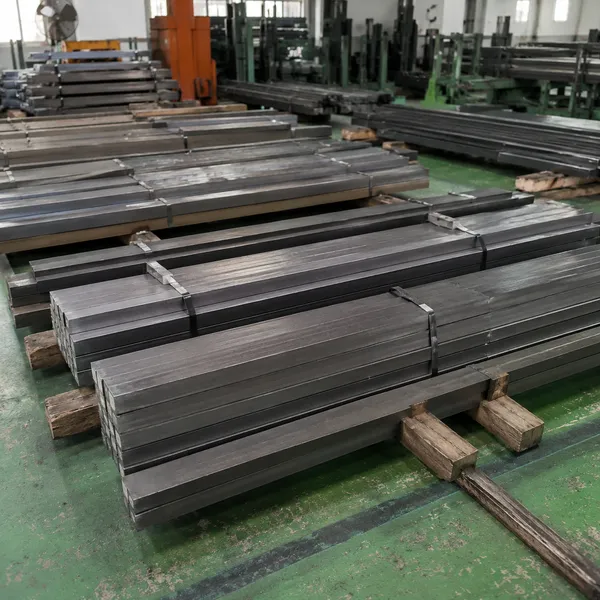
Step 1 — Raw Material
Raw material bar stock verified by spectrochemical analysis before production.
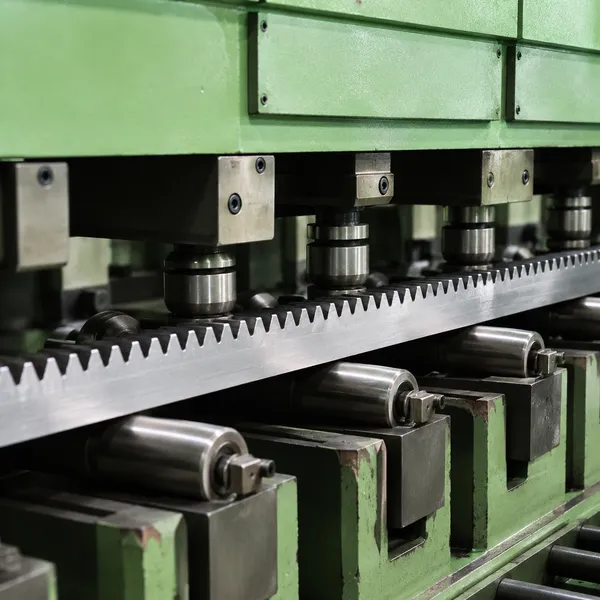
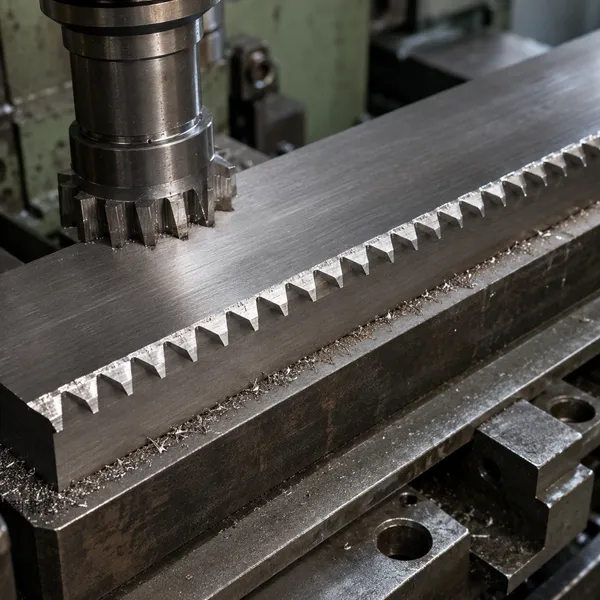
Step 2 — Tooth Cutting
Teeth cut on CNC rack milling or hobbing machine to specified module and pressure angle.
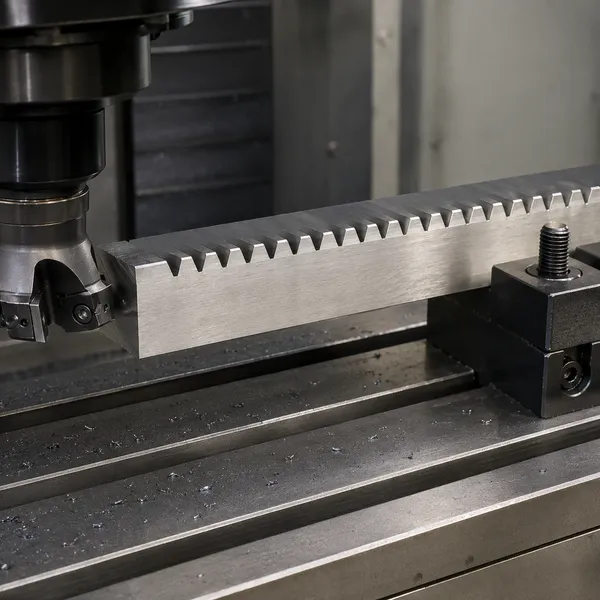
Step 3 — Deburring
Tooth-end burrs removed and edges chamfered to prevent handling damage and sharp corners.
Step 4 — Straightening / HT
Pressure straightening after tooth cutting; induction hardening or carburising where specified.
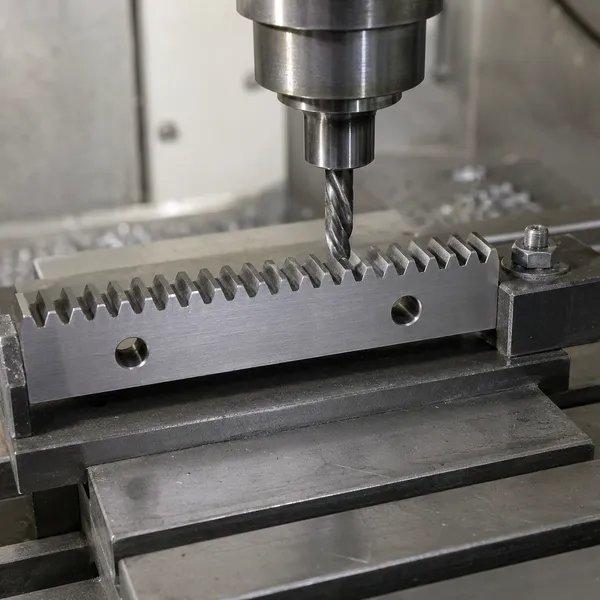
Step 5 — End Machining
End faces and mounting holes machined in CNC machining centre to drawing specification.
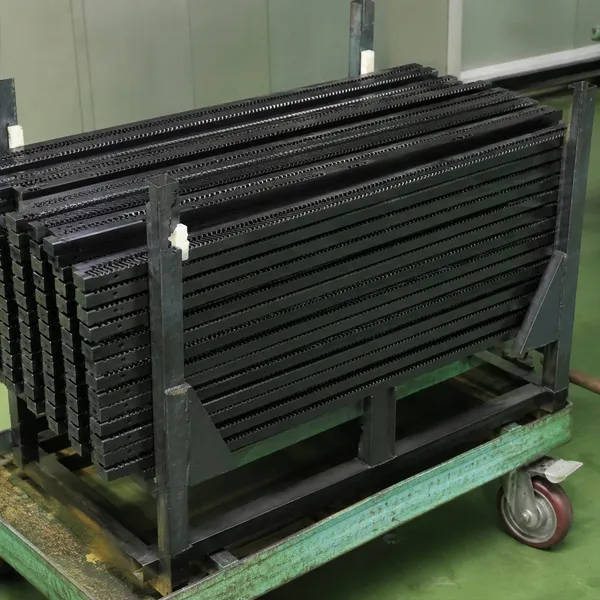
Step 6 — Surface Treatment
Black oxide, zinc plating, phosphating, or hard chrome applied per customer specification.
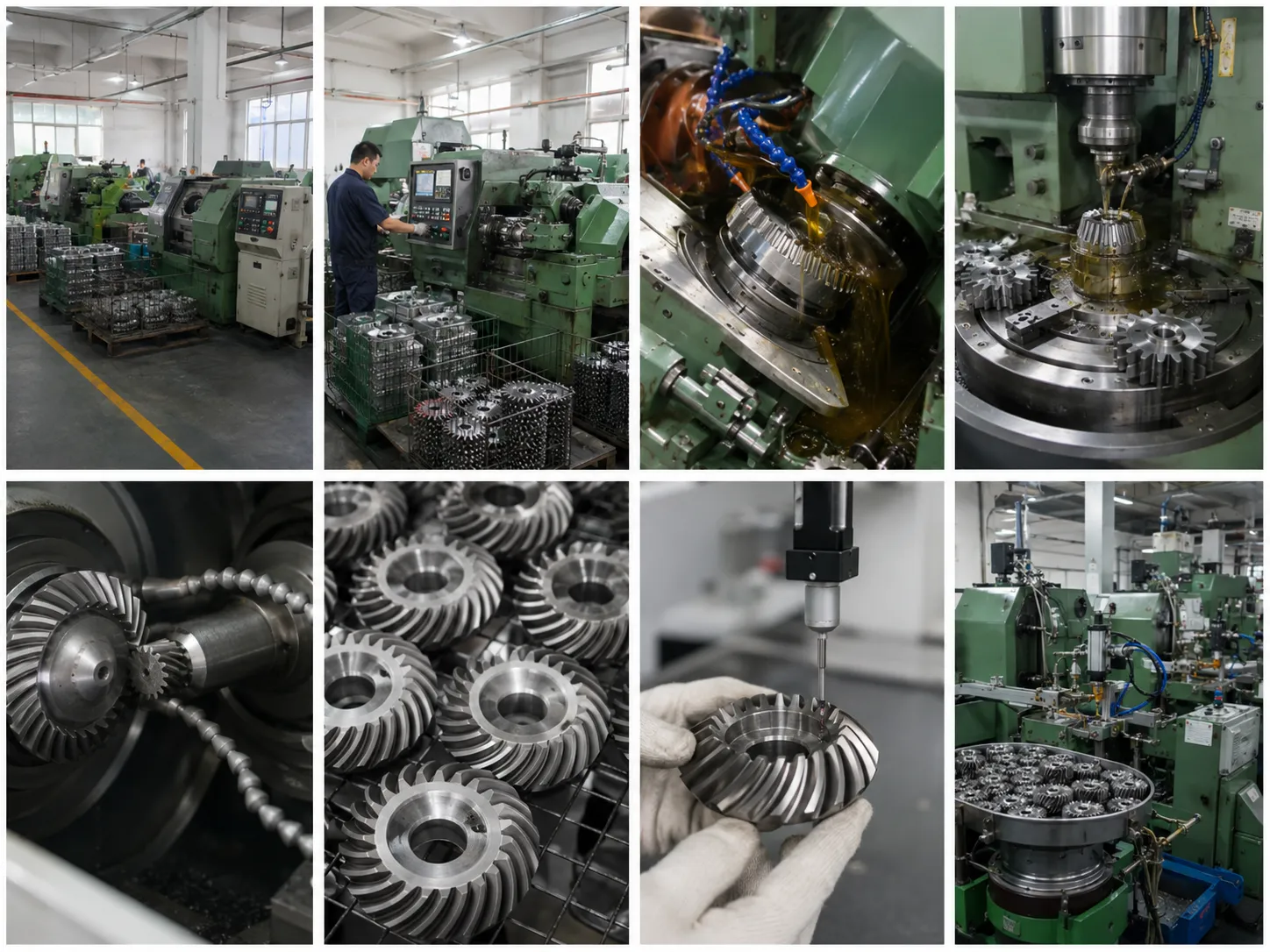
Key Production Equipment
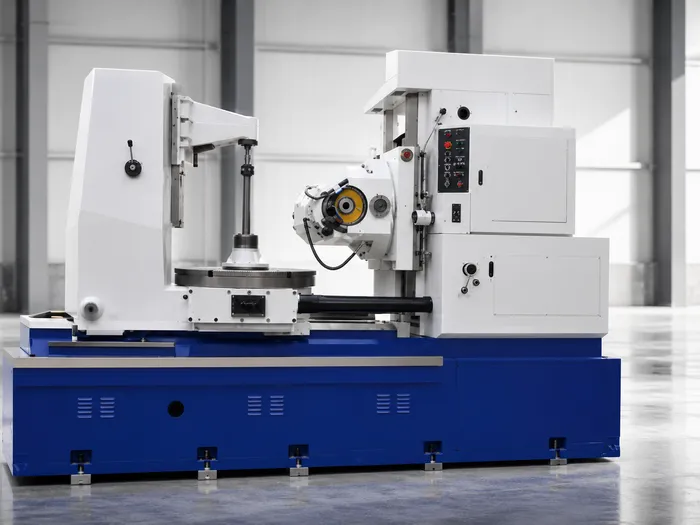
Gear Hobbing Machine
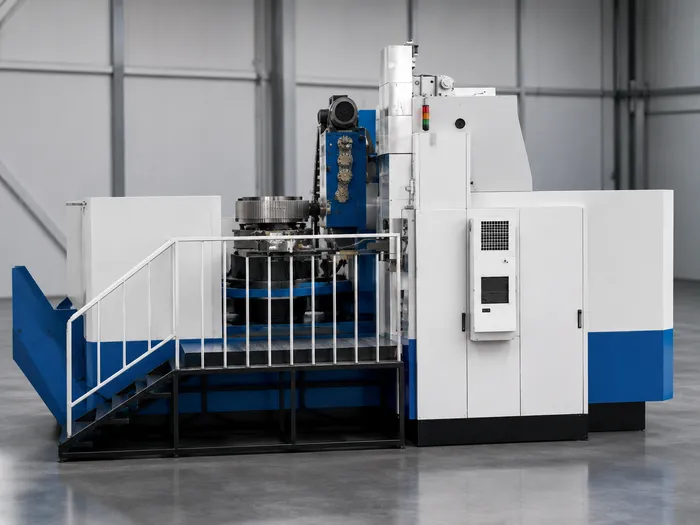
Gear Milling Machine
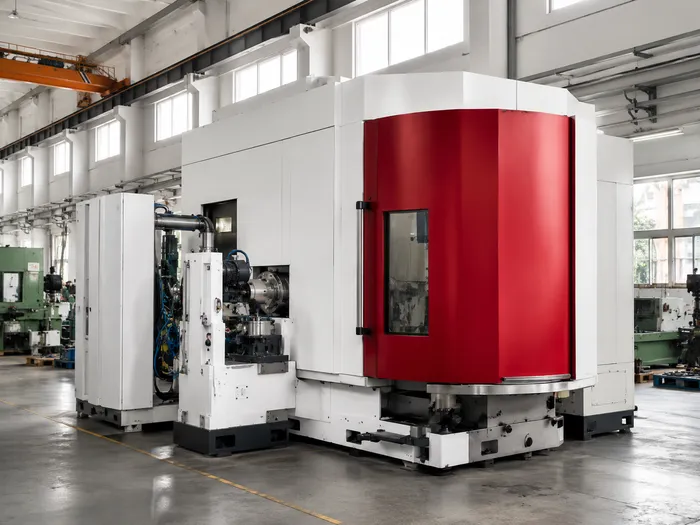
CNC Gear Grinding Machine
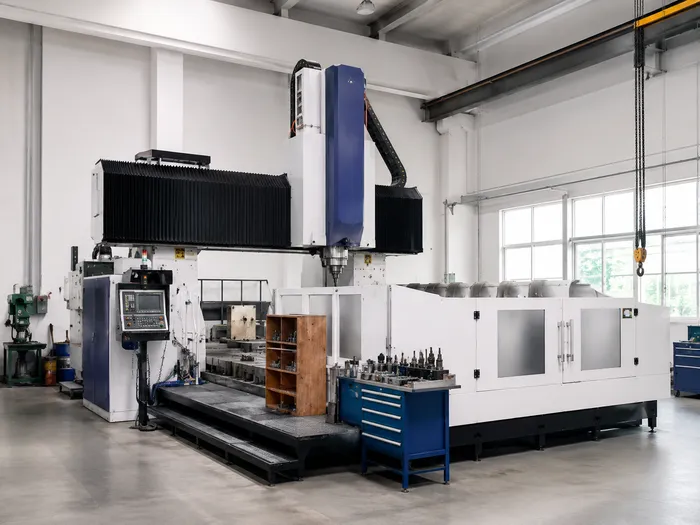
Gantry CNC Machining Centre
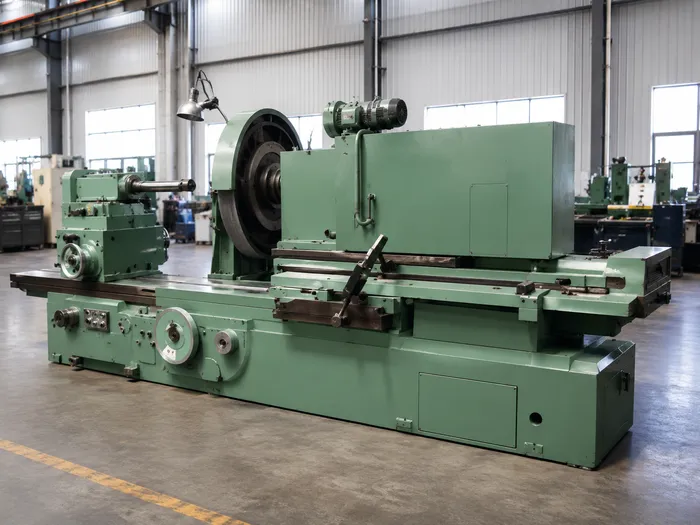
Internal Grinding Machine
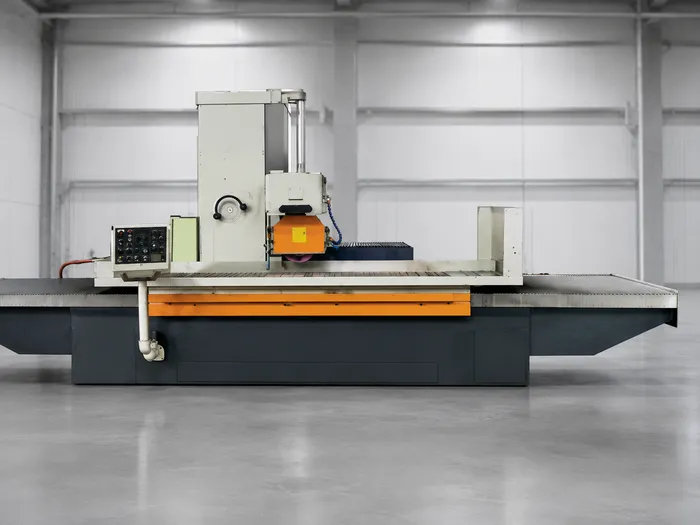
Planer Grinding and Turning
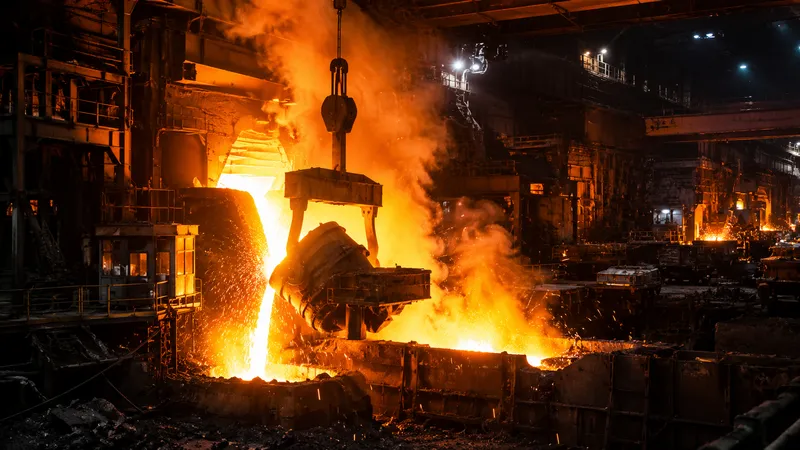
Applications by Industry







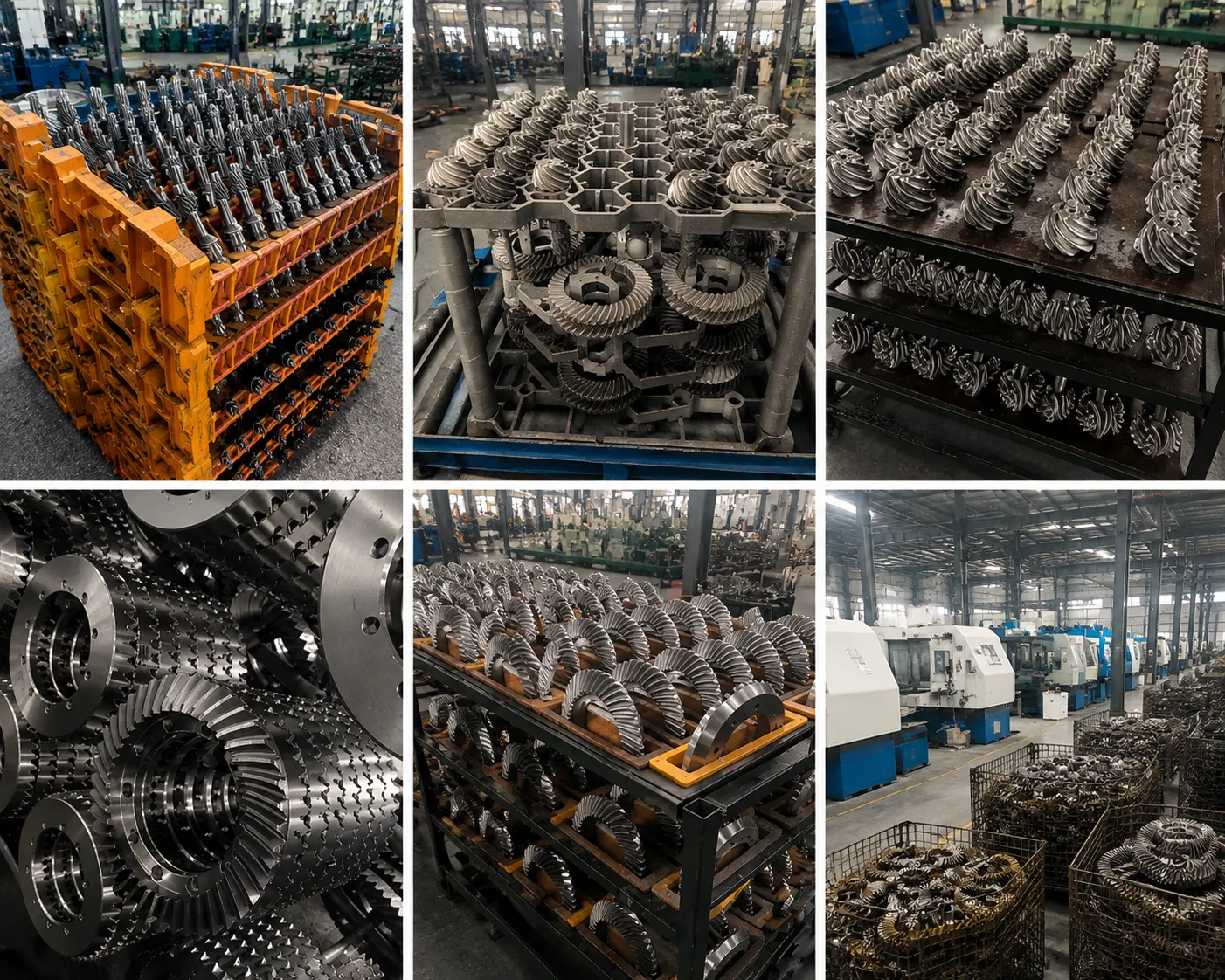
Quality Assurance and Manufacturing
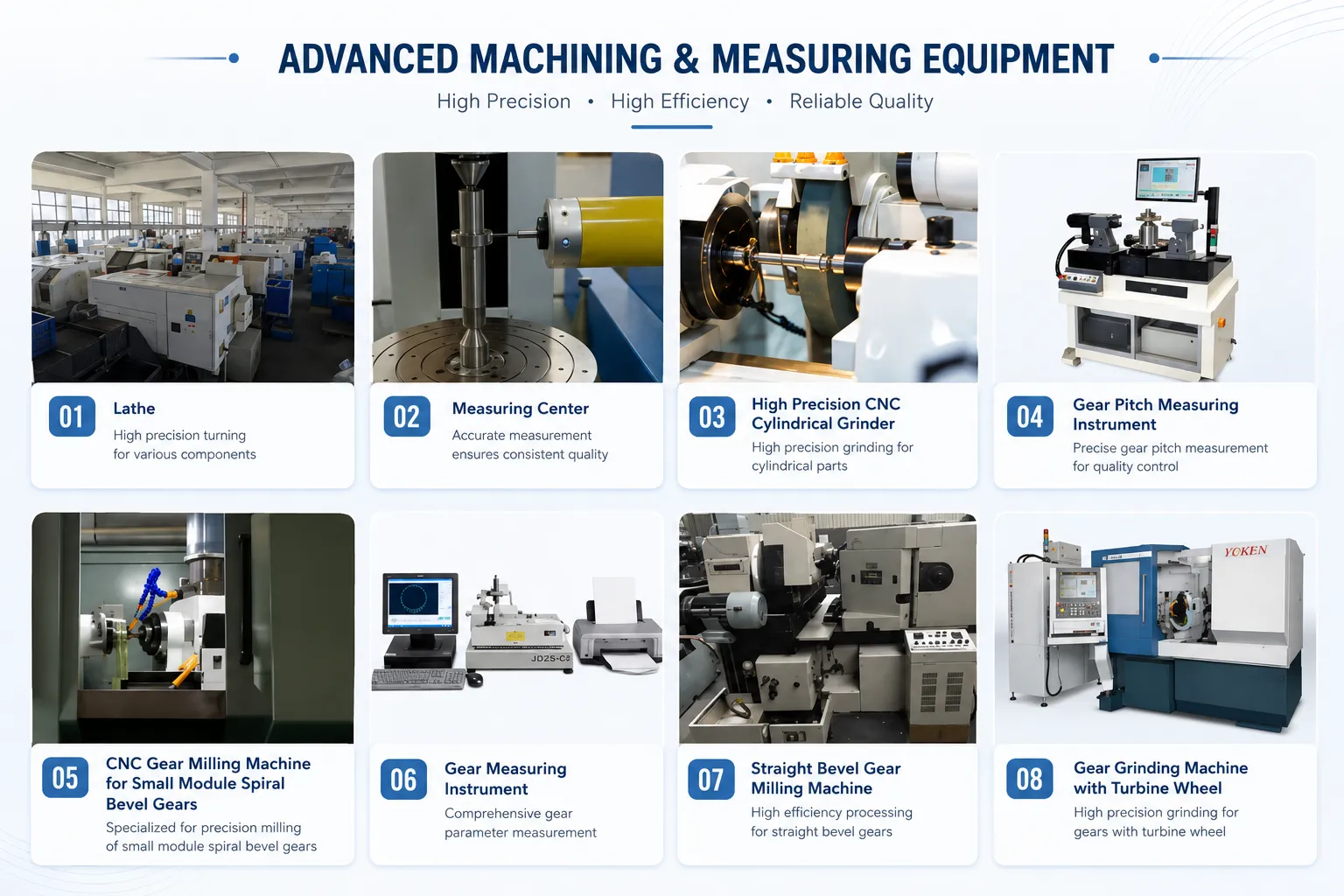
Precision Measurement Equipment
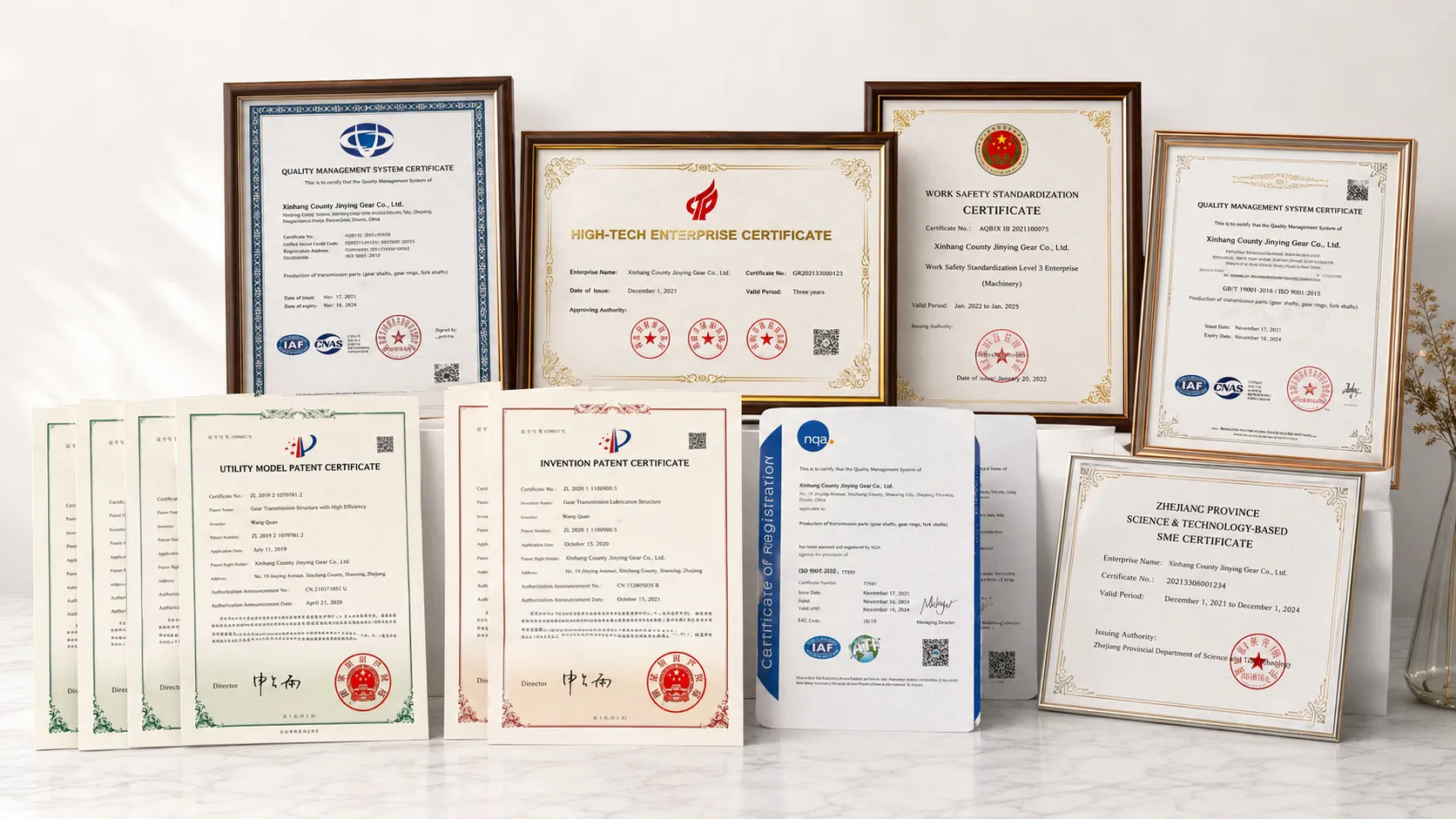
ISO 9001:2015 and Quality Certificates

Ever-Power is a professional rack manufacturer with a full production chain from raw material to finished, inspected, and packed actuator rack. ISO 9001:2015 quality management covers incoming material verification, in-process tooth-cutting and heat treatment monitoring, and outgoing dimensional and hardness inspection. Every actuator rack order ships with a material certificate, heat treatment record, and dimensional report. The 30-machine CNC rack milling line supports production of modules M1 through M32 in any required stroke length.
Browse the complete gear rack range on the Ever-Power main site, including spur gears, helical gears, bevel gears, planetary gear sets, worm gear wheels, ring gears, and plastic gears for actuator drive stages.
Related Gear Products
Ever-Power manufactures the complete range of industrial gear types alongside gear racks. If your drive system requires matched pinions, reduction gears, or associated gear types, the following product families are available from the same source.
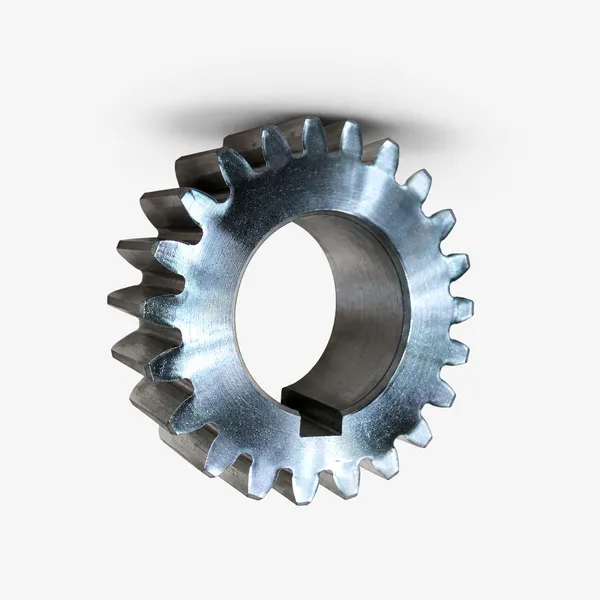
Spur Gears
Pinion gears matching our spur gear rack range; standard modules m0.5 to m20.
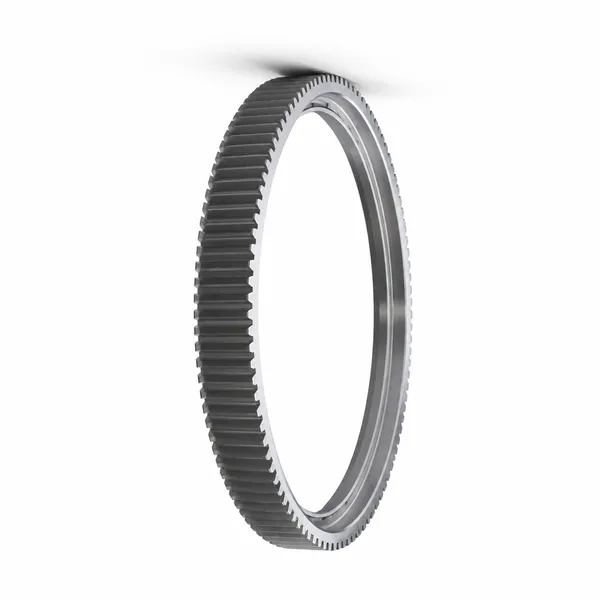
Ring Gears
Large-diameter internal or external ring gears for rotary and slewing drives.
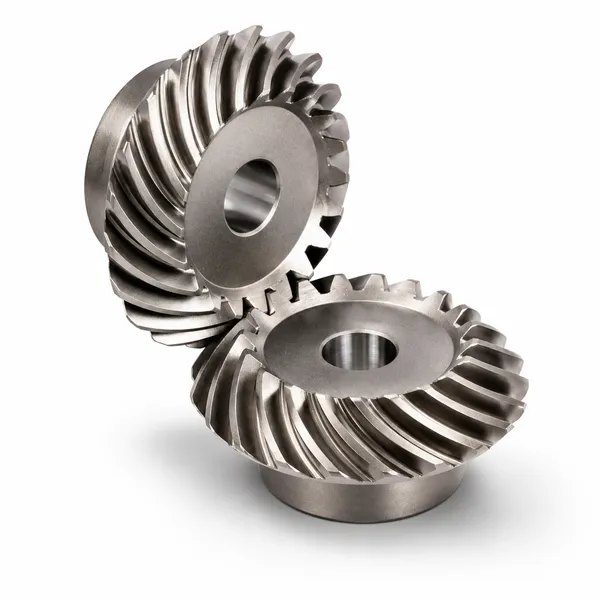
베벨 기어
Straight and spiral bevel gears for right-angle drives and gear motor input stages.
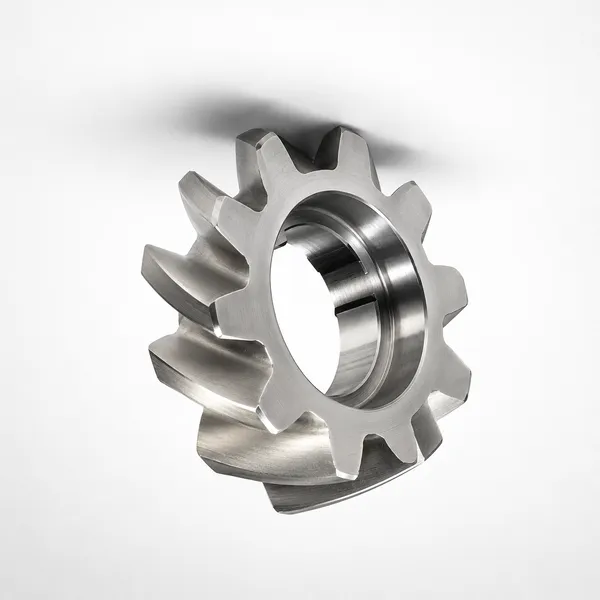
Helical Gears
Helical pinions for high-speed, low-noise rack drives and reduction stages.
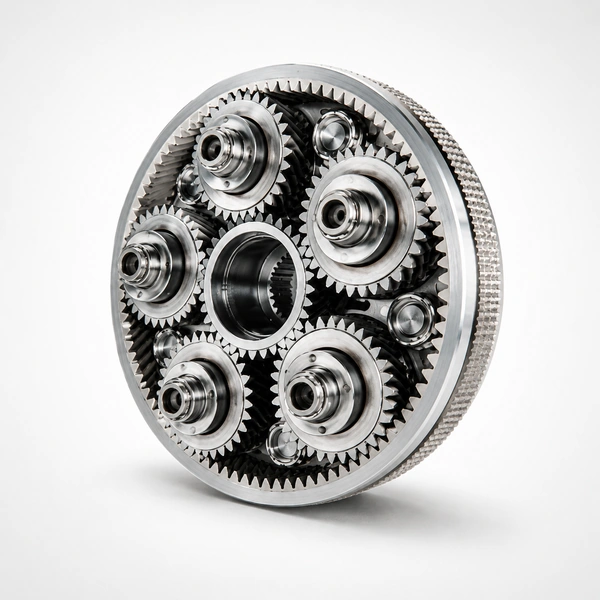
Planetary Gear Sets
Compact in-line reducers paired to servo motors; output shaft connects to the rack pinion.
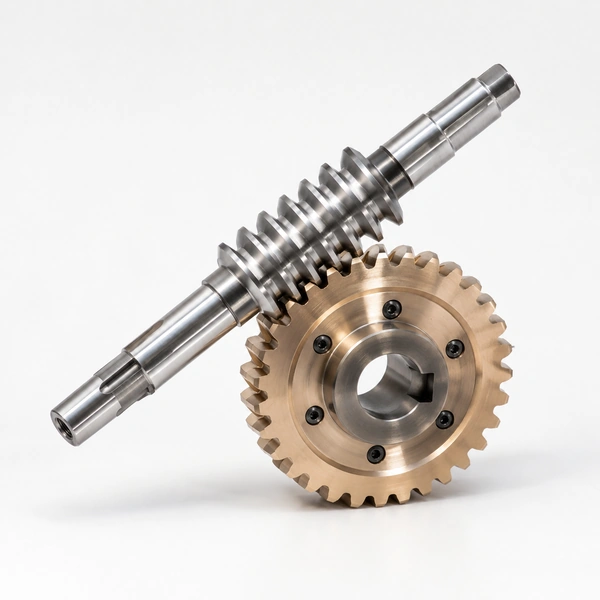
Worm Gear Wheels
Self-locking worm reducers for vertical rack axes holding position under gravity load.
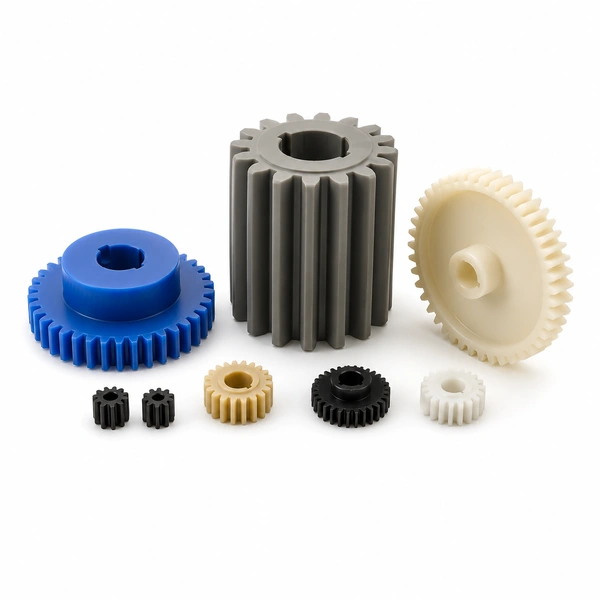
Plastic Gears
Nylon, POM, and polycarbonate pinion gears for light-duty, lubrication-free rack drives.
Frequently Asked Questions
What information is needed to order a replacement actuator rack?
The minimum information required is: rack module (or tooth pitch if module is unknown), total rack length, face width, cross-section profile (rectangular or round), material, and end connection details (piston thread, clevis bore, or plain end). If the module is unknown, send us the worn rack or a photograph showing the tooth profile alongside a ruler — our engineering team can measure the module from the image. A drawing or sample part is the most reliable basis for an exact replacement order.
Can you supply actuator racks in stainless steel for offshore or chemical plant service?
Yes. Stainless steel 316 actuator racks are a standard product for corrosive service environments including offshore platforms, chemical and petrochemical plant, wastewater treatment, and food processing facilities where cleaning agents attack standard carbon steel. 316L low-carbon grade is available for welded end connections where intergranular corrosion resistance is required at welds. Passivation is applied as standard to all stainless racks after final machining.
Should the rack and pinion be replaced together or individually?
Always replace rack and pinion together as a matched pair. A new rack running against a worn pinion will wear the new rack rapidly because the worn pinion teeth have a reduced and uneven contact area — the contact pressure on the new rack tooth flanks is therefore far higher than the design value. Replacing both at the same time restores the designed contact geometry and avoids the cost of a second replacement cycle within a short time.
What causes premature rack wear in pneumatic rack actuators?
The four most common causes are: insufficient lubrication (the most frequent — actuator racks in pneumatic service require grease at the rack-pinion interface because compressed air provides no lubrication); contaminated air supply introducing abrasive particles into the cylinder bore; incorrect actuator sizing causing the rack to operate at above its rated load; and seal failure allowing moisture into the cylinder, causing corrosion pitting on the rack tooth flanks. Fitting an air filter-regulator-lubricator unit on the compressed air supply eliminates the first two causes simultaneously.
Request a Quotation for Actuator Gear Racks
Send your actuator drawing, module, stroke length, material requirement, and annual volume. We return a price and lead time within 24 hours.
추가 정보
| Editor |
|---|
연관 상품
-
Helical Gear Rack | High-Speed Low-Noise Rack and Pinion, Custom OEM
-
Metric Gear Rack | Spur and Helical, M1-M32, Steel and Plastic OEM Supply
-
Gear Rack for Automobiles | Steering Rack, EPAS, OEM Replacement Supply
-
Gear Rack for Construction Elevator | Hoist Rack, M6-M10, OEM Supply
-
Gear Rack and Pinions | Custom Precision Carbon Steel, OEM Supply
-
Curved Rack and Pinion Gear | Arc Segment Rack, Stainless Steel, Custom OEM
-
Gear Rack for Greenhouse | Ventilation, Irrigation and Shading Rack Systems
-
Gear Rack for Machine Tool Industry | CNC, Milling, Grinding, OEM Supply
 Korean
  English
  Italian
  French
  Japanese