
Gear Rack for Railway Axles | High-Load Precision Rack, OEM Supply
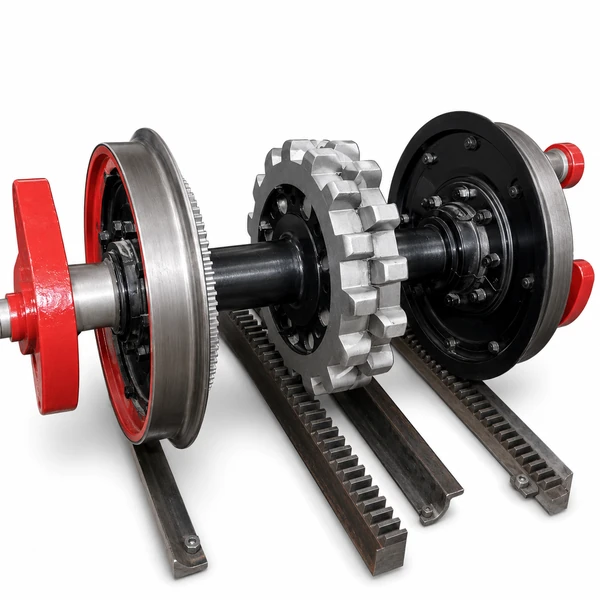
Ever-Power gear racks for railway axles are the heavy-duty linear drive element in rack-and-pinion rail traction systems. In rack railways and mountain cog railways, a toothed central rail — the rack — runs between or alongside the running rails. A pinion on the locomotive axle engages the rack; as the axle rotates, the pinion rolls along the rack, converting axle rotational force into longitudinal traction force that propels the train up gradients far steeper than friction-drive wheels can manage. In conventional railway axle transmission systems, rack elements also appear in secondary positioning and braking mechanisms where precise linear actuation is required.
Gear Rack for Railway Axles — Product Overview
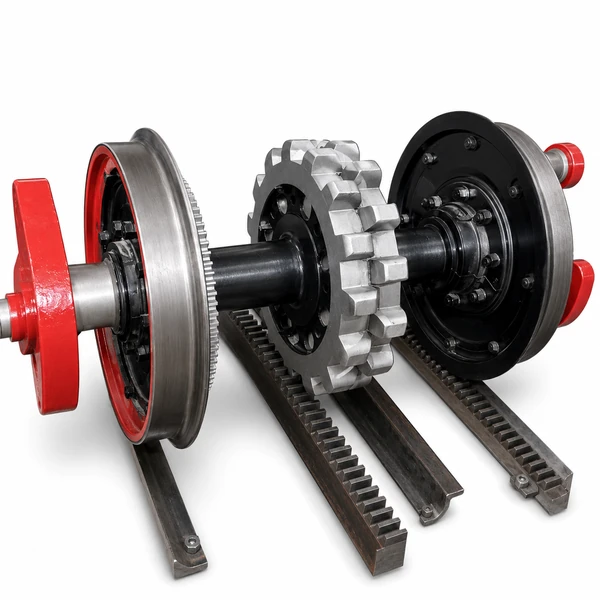
Ever-Power gear racks for railway axles are the heavy-duty linear drive element in rack-and-pinion rail traction systems. In rack railways and mountain cog railways, a toothed central rail — the rack — runs between or alongside the running rails. A pinion on the locomotive axle engages the rack; as the axle rotates, the pinion rolls along the rack, converting axle rotational force into longitudinal traction force that propels the train up gradients far steeper than friction-drive wheels can manage. In conventional railway axle transmission systems, rack elements also appear in secondary positioning and braking mechanisms where precise linear actuation is required.
Ever-Power manufactures railway axle gear racks in 42CrMo alloy steel with induction-hardened tooth flanks at HRC 50-55 — the material and heat treatment combination that balances surface wear resistance with the core toughness needed to absorb the shock loads generated by rail joints and varying gradients. Manufacturing tolerances are controlled to ensure correct pitch across the full rack length and at every butt joint between sections, so that the traction pinion maintains uniform engagement as the locomotive traverses the complete rack installation.
Key Features
💪 High Load Capacity
Designed to withstand the heavy static and dynamic loads generated by rail vehicle weight and traction forces. Heavy-module 42CrMo alloy steel racks with induction-hardened tooth flanks deliver the tooth root bending strength and surface contact endurance needed for continuous service in demanding railway traction applications.
🎯 Precision and Accuracy
Manufactured with tight pitch tolerances and precision tooth profiles to ensure smooth engagement with the axle pinion throughout the operating speed range. Precision machined half-tooth ends maintain correct pitch at every section joint, preventing the pitch spike that would otherwise cause vibration and noise as the pinion crosses each joint.
⌛ Durability and Long Service Life
High-quality 42CrMo steel with induction-hardened tooth flanks delivers measured service lives exceeding 10 million axle passes on well-maintained installations. The dense induction-hardened surface layer resists abrasive wear from contaminated lubricant and impact damage from debris on the rail corridor.
🔈 Noise Reduction
Precision tooth profile geometry and smooth flank finish minimise the transmission error that generates mesh frequency noise. Helical rack variants further reduce noise through progressive tooth engagement — the preferred choice for passenger rail lines where interior noise levels are a service quality criterion.
Importance of Gear Racks in Railway Axle Transmission
Power Transfer: Rack and pinion converts axle rotation directly into longitudinal traction force, transmitting engine power efficiently to propel the train without relying on wheel-rail friction. On gradients steeper than approximately 7%, friction drive becomes unreliable — rack drive is the only viable traction method.
Load Distribution: The rack teeth distribute the traction load across multiple tooth contacts at every instant, preventing stress concentration at any single point on the rail structure. This is especially important where the rack is anchored to a concrete or timber sleeper system with defined stiffness.
Safety and Reliability: Rack engagement provides positive traction that prevents the runaway rollback risk present in friction-only systems on steep grades. Many mountain rack railways also use the rack-pinion engagement for braking, providing a fail-safe retardation mechanism independent of wheel-rail friction.
Efficiency: Modern rack railways operating in tourist, heritage, and urban transit applications benefit from the high mechanical efficiency of rack-and-pinion traction — above 95% — compared with cable or atmospheric-pressure alternatives, reducing energy consumption per passenger-kilometre.
응용 프로그램
| 애플리케이션 | Detail |
|---|---|
| Mountain / Cog Railways | Central rack rail systems on gradients up to 48% (Swiss Abt, Riggenbach, Strub systems). Rack sections bolt between or alongside standard running rails; locomotive pinion engages rack for ascent and braking on descent. |
| High-Speed Train Auxiliary Systems | Rack actuators in high-speed train door mechanisms, pantograph positioning systems, and underframe equipment access panels require precise rack-and-pinion drives that must function reliably at speed in outdoor conditions. |
| Passenger Trains | Rack drives in passenger train boarding aids (step and gangway mechanisms), vestibule door systems, and onboard wheelchair lift platforms where smooth, precise linear motion is required at low actuation force. |
| Freight Train Systems | Rack-driven wagon tippler positioning systems, heavy-duty freight door mechanisms, and automatic freight locking systems in intermodal terminals use heavy-module gear racks rated for peak loads well above vehicle weight. |
| Metro Systems | Rack-and-pinion drives in metro platform screen door systems, emergency evacuation mechanisms, and station maintenance access equipment where frequent start-stop cycles and precise positioning are both required. |
| Light Rail and Tram Systems | Low-floor tram boarding ramps, level crossing barrier drives, and tram depot maintenance jacks use rack drives for their combination of precision positioning, high load capacity, and compact housing. |
Technical Specifications
| Parameter | Range / Options |
|---|---|
| Module | M6 through M20 standard; higher modules per OEM specification |
| Tooth Form | Spur (straight) standard; helical for passenger and high-speed applications |
| 재료 | 42CrMo alloy steel standard; 40Cr; stainless steel for corrosive environments |
| Heat Treatment | Induction hardening HRC 50-55 tooth surface; through-hardened core HRC 28-35 |
| Surface Treatment | Phosphating plus oil; hot-dip galvanizing; black oxide; per OEM specification |
| Section Length | Per railway system sleeper spacing; half-tooth machined ends for accurate joints |
| Standards | ISO, DIN, EN, GB/T; OEM drawings accepted |
| 인증 | ISO 9001:2015; material certificate, heat treatment record, hardness report, dimensional inspection report |
Installation and Maintenance
Installation
Ensure rack sections and axle components are clean and free from debris. Align the rack precisely with the pinion gear using the OEM-specified alignment procedure — even small angular errors cause uneven tooth loading across the face width. Secure rack sections with the specified fastener torque and verify that all half-tooth joints are correctly seated before commissioning. Apply the recommended lubricant to tooth flanks before first operation.
Routine Maintenance
Inspect rack tooth faces at every scheduled maintenance visit for wear depth, pitting, or chipped teeth. Check alignment between rack and pinion; any lateral or angular shift causes the mesh to migrate to one edge of the tooth face, greatly accelerating local wear. Lubricate tooth flanks with the specified open-gear grease at every maintenance interval. Clean debris and abrasive contamination from between rack sections and from the tooth root spaces before lubricating.
Replacement
Replace worn rack sections when tooth thickness falls below the OEM minimum limit. Replace rack and pinion together — a worn pinion against a new rack section quickly transfers wear to the new rack, negating the replacement. Follow the section joint alignment procedure on reassembly. Document replacement date, section position, and mileage at replacement for fleet maintenance records.
Manufacturing Process
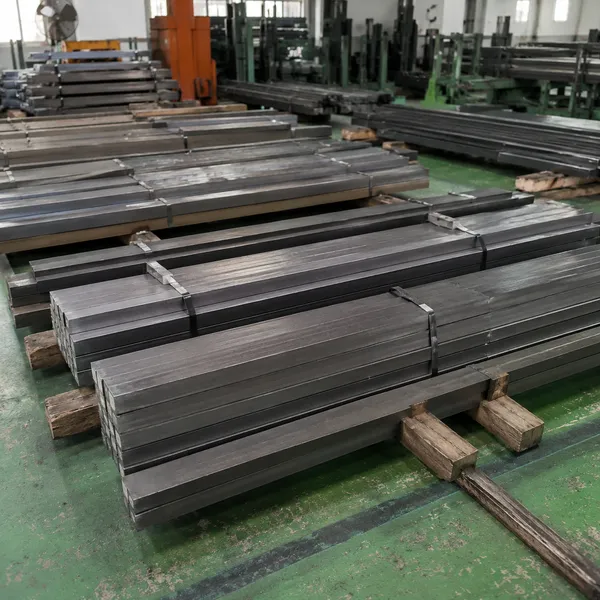
Step 1 — Raw Material
Raw material bar stock verified by spectrochemical analysis before production.
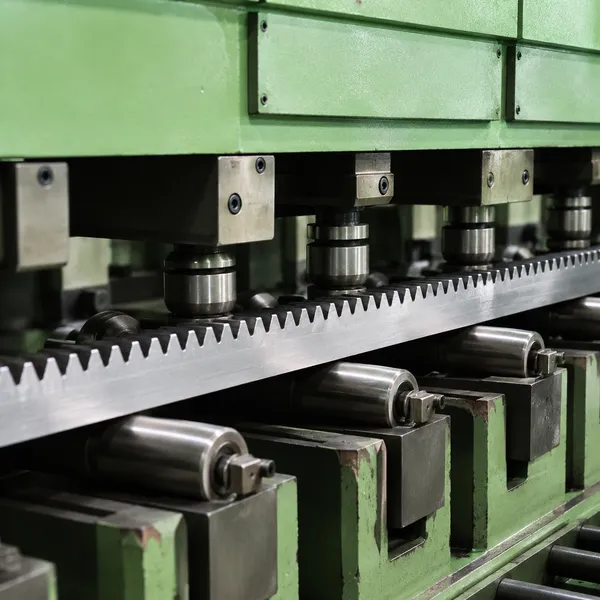
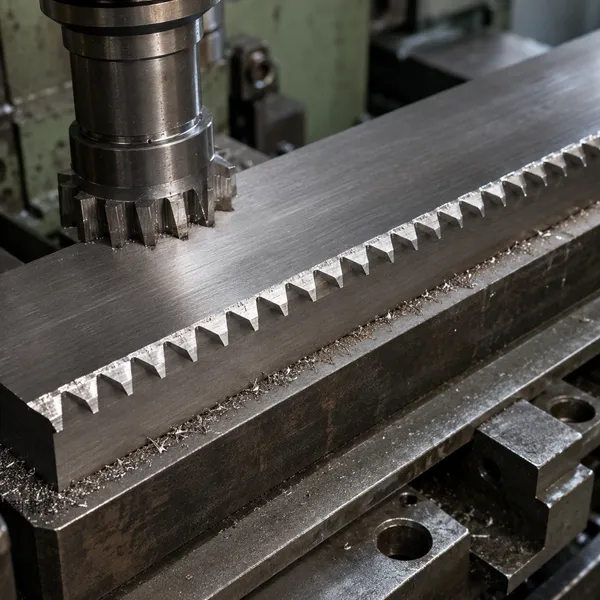
Step 2 — Tooth Cutting
Teeth cut on CNC rack milling or hobbing machine to specified module and pressure angle.
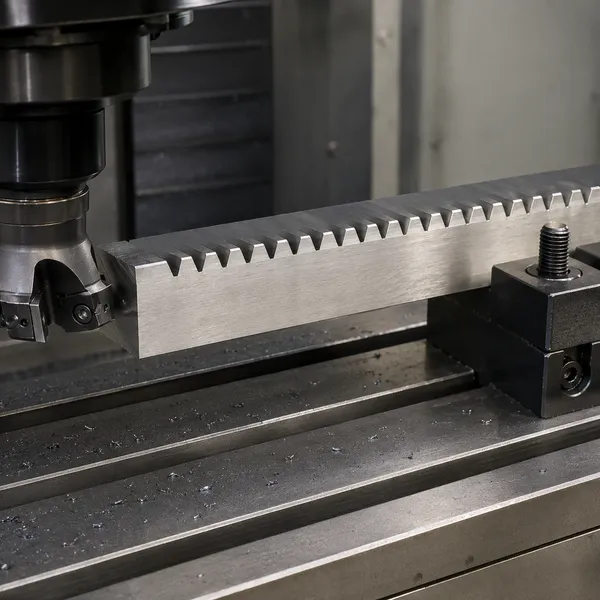
Step 3 — Deburring
Tooth-end burrs removed and edges chamfered to prevent handling damage and sharp corners.
Step 4 — Straightening / HT
Pressure straightening after tooth cutting; induction hardening or carburising where specified.
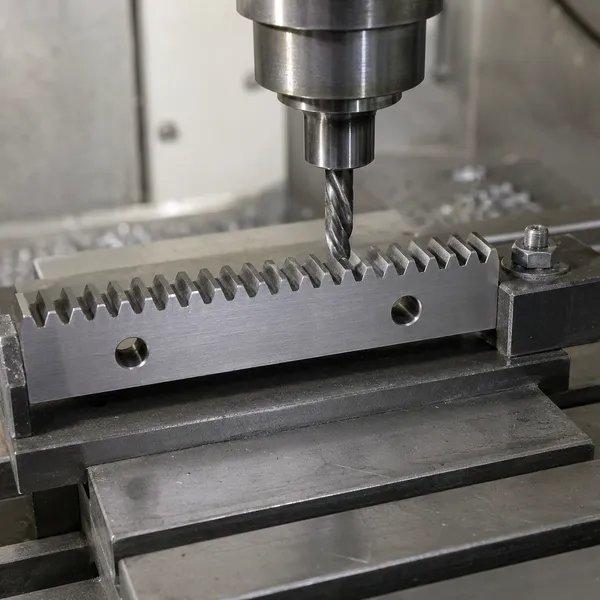
Step 5 — End Machining
End faces and mounting holes machined in CNC machining centre to drawing specification.
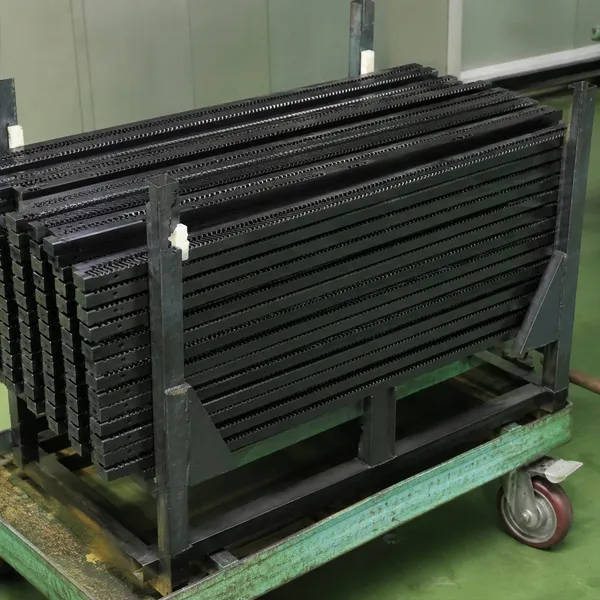
Step 6 — Surface Treatment
Black oxide, zinc plating, phosphating, or hard chrome applied per customer specification.
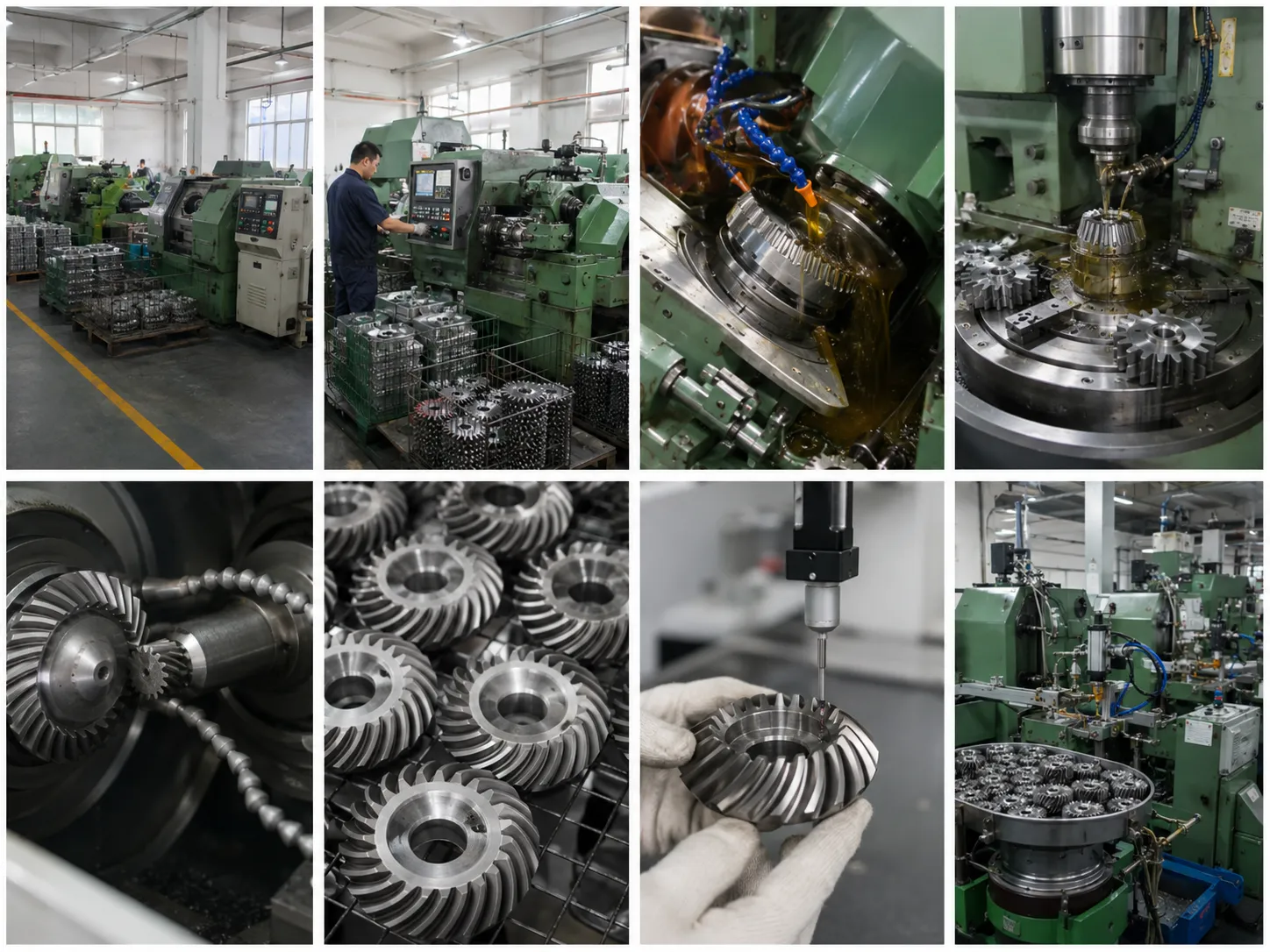
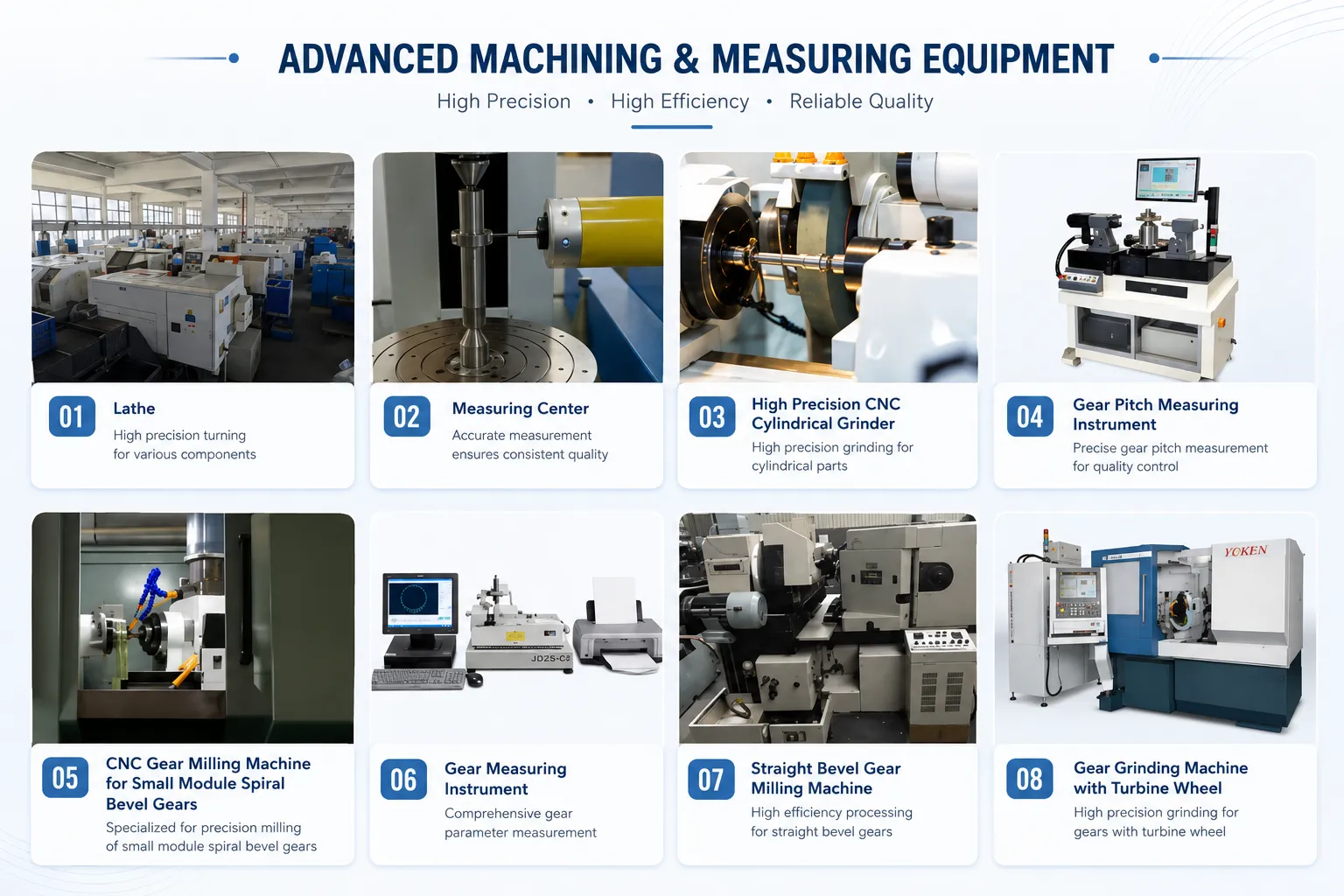
Key Production Equipment
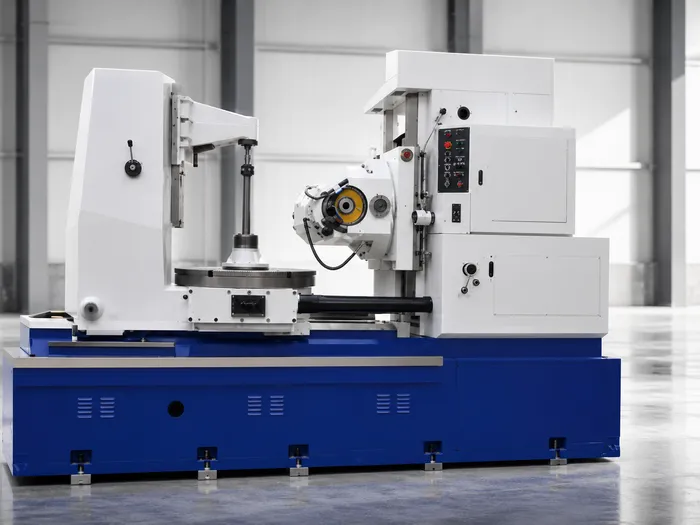
Gear Hobbing Machine
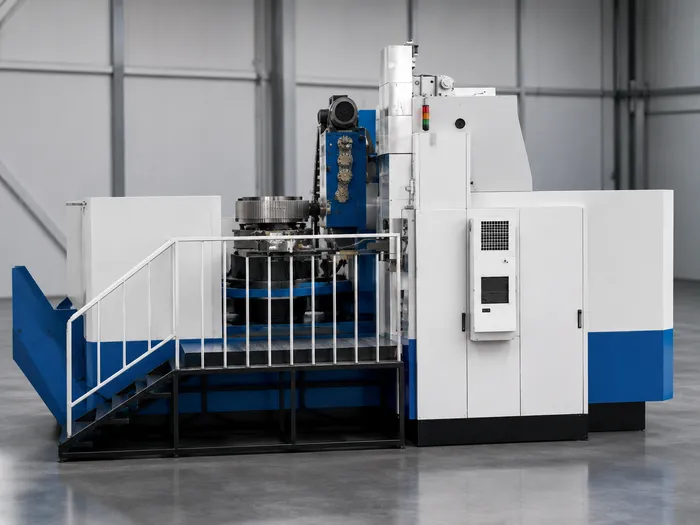
Gear Milling Machine
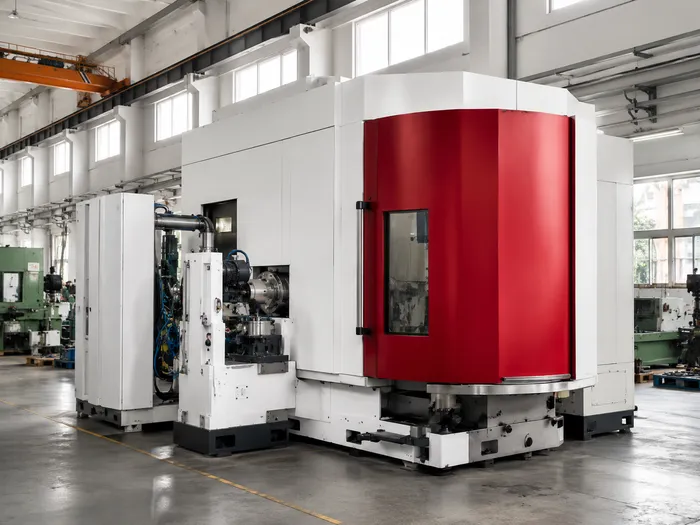
CNC Gear Grinding Machine
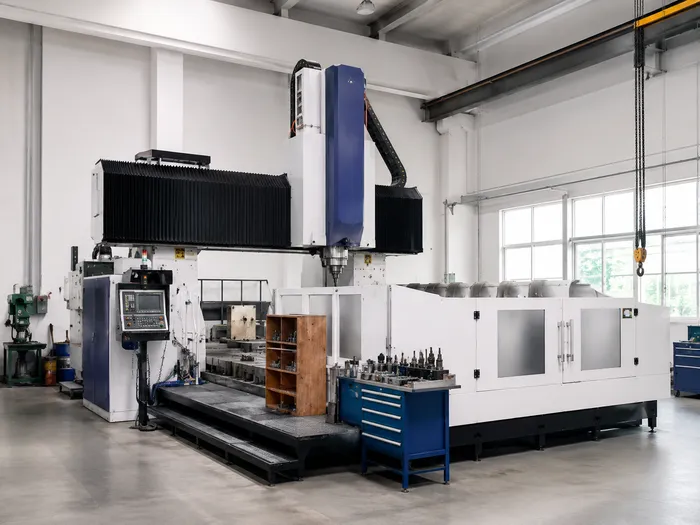
Gantry CNC Machining Centre
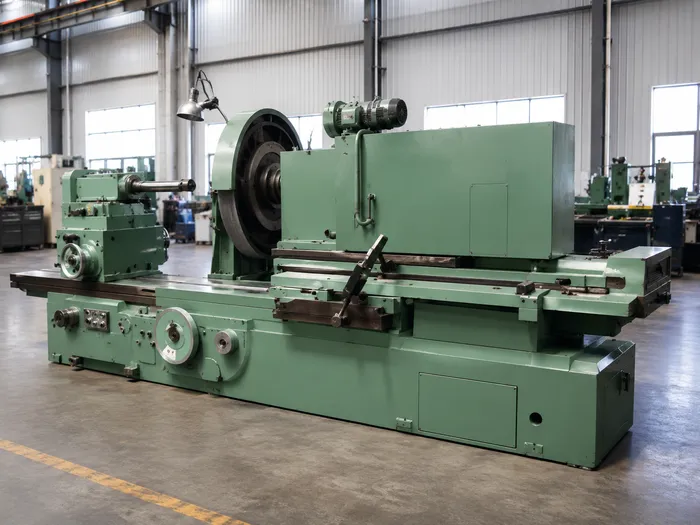
Internal Grinding Machine
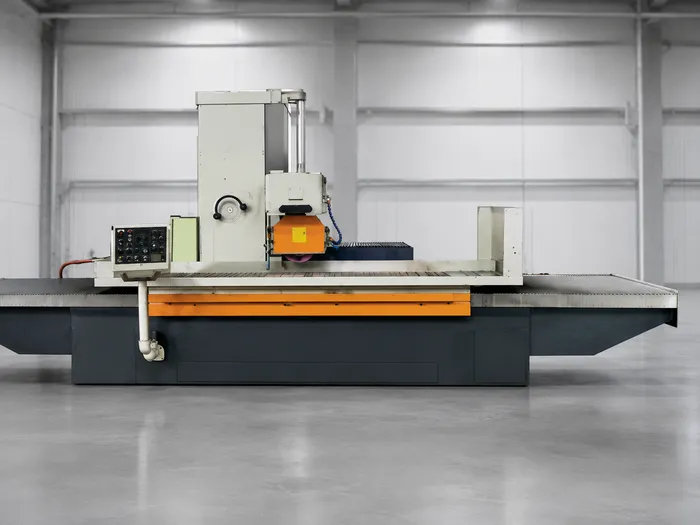
Planer Grinding and Turning
Applications by Industry

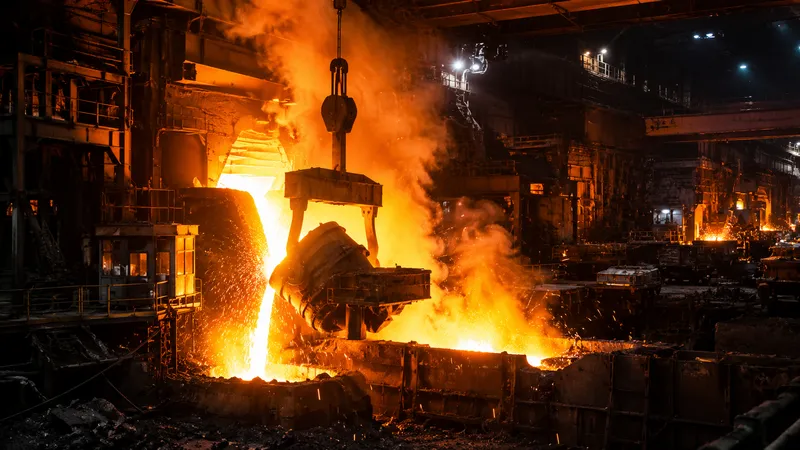
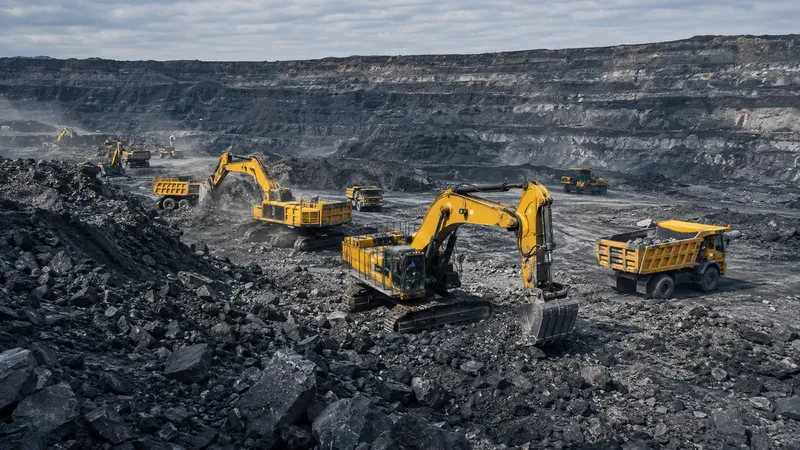

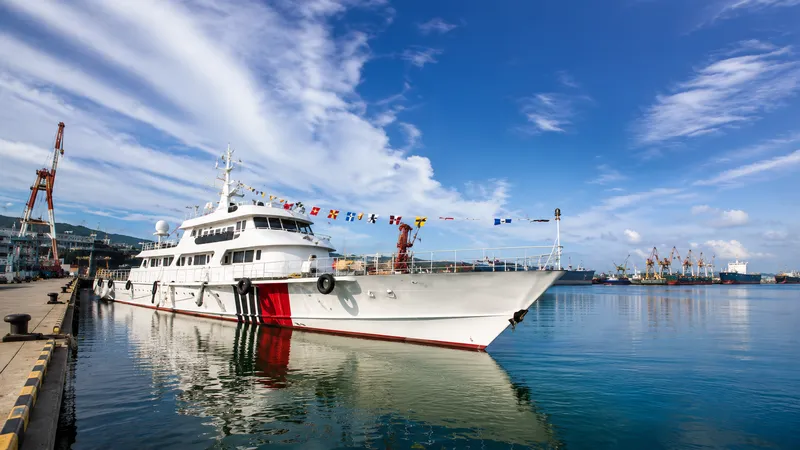
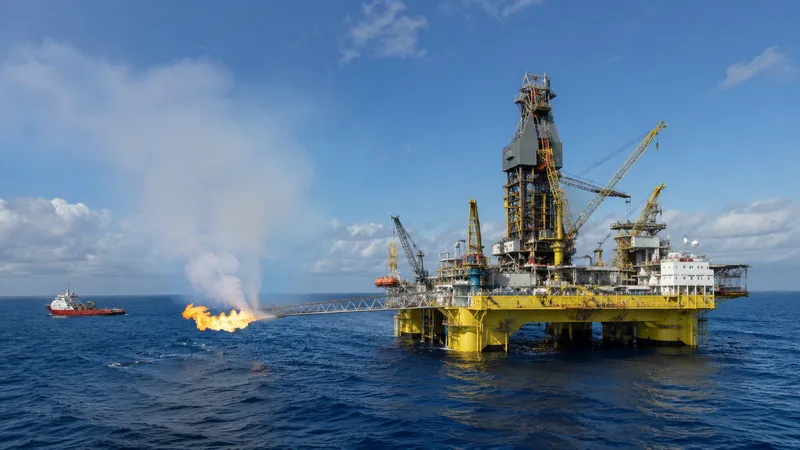

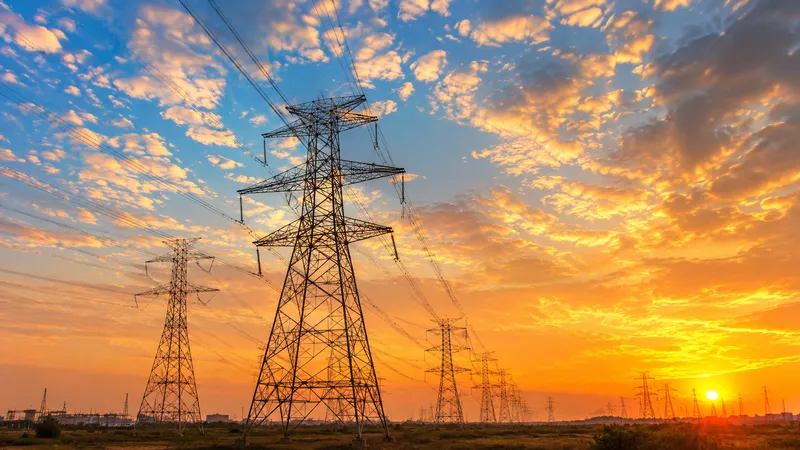
Quality Assurance and Manufacturing
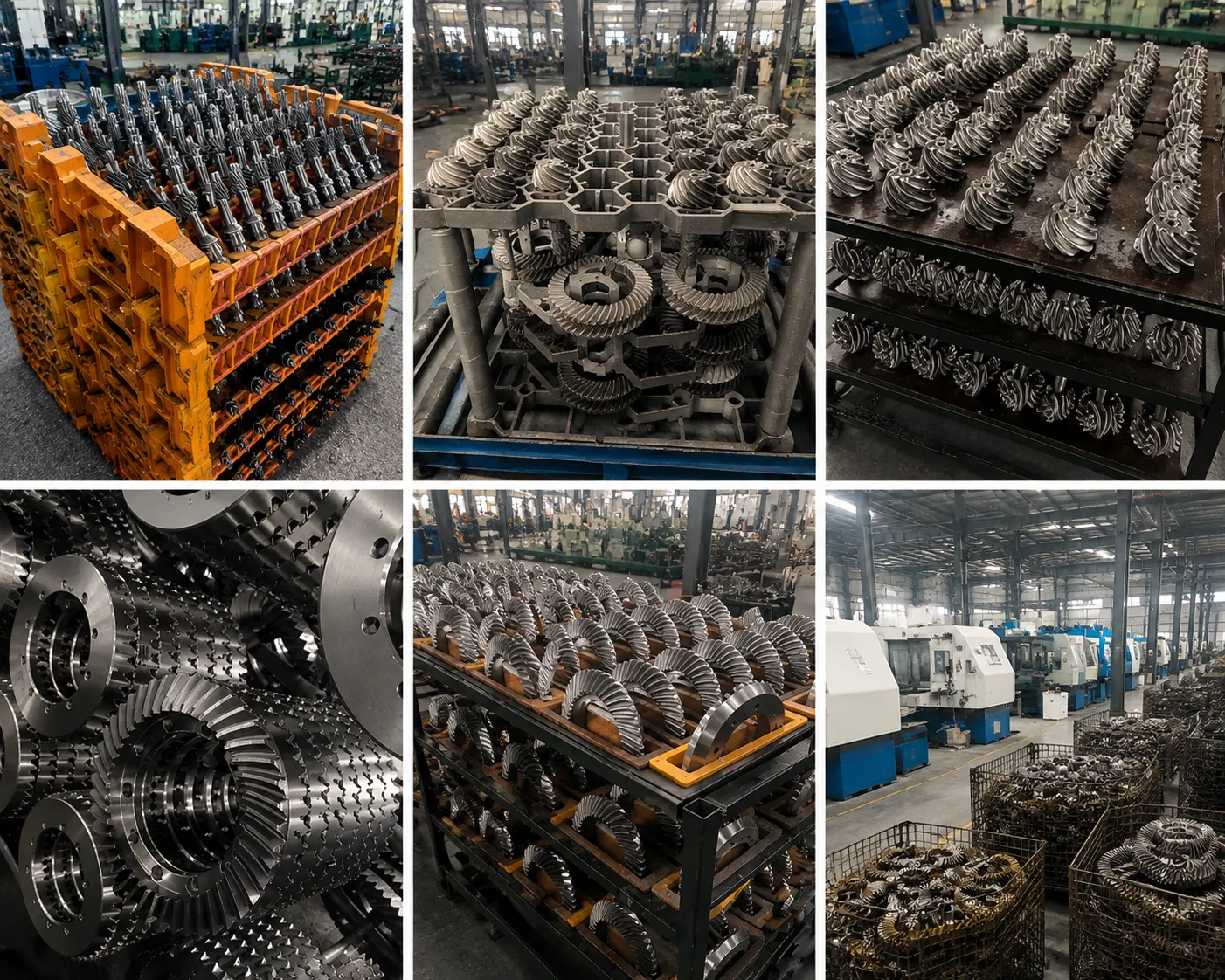
Precision Measurement Equipment
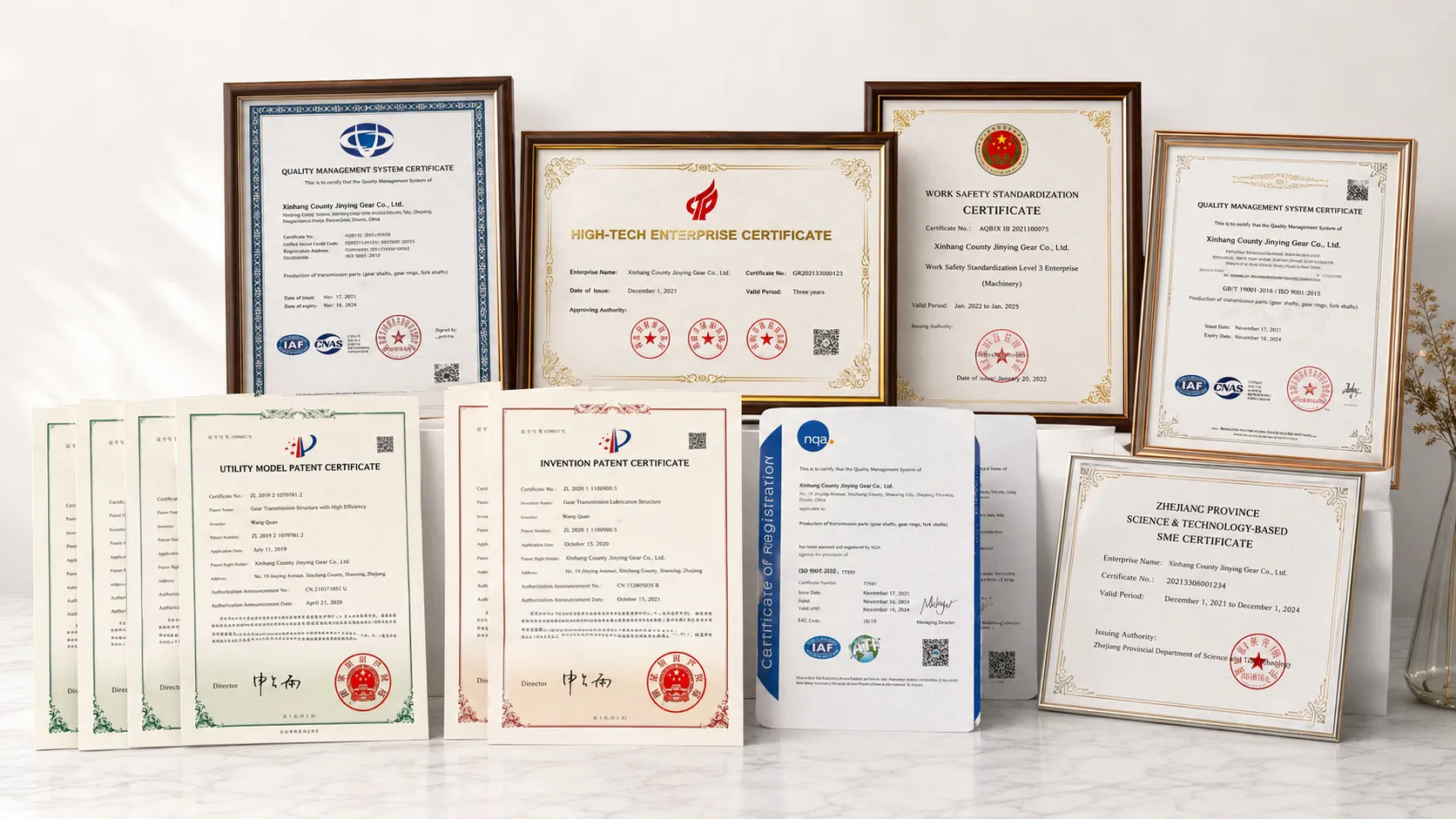
ISO 9001:2015 and Quality Certificates
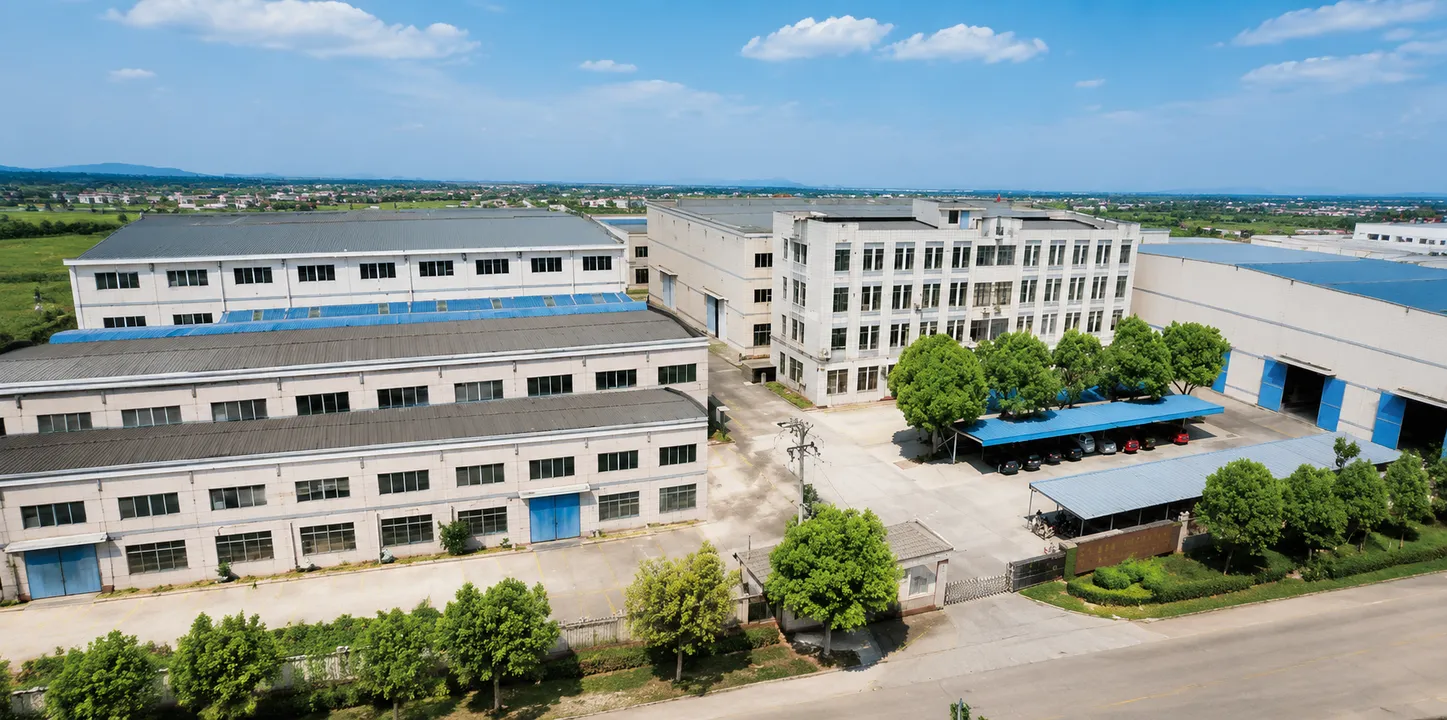
Ever-Power is a Chinese manufacturer of gear racks with over 20 years of production experience supplying railway, industrial, and automation markets. ISO 9001:2015 quality management covers the full production chain from incoming material verification through tooth cutting, heat treatment, and final dimensional inspection. Every railway axle rack order ships with material certificate, spectrochemical composition analysis, heat treatment time-temperature record, surface hardness report, and dimensional inspection data. Products are exported to Western Europe, the Middle East, Southeast Asia, and other regions.
Browse the full range on the Ever-Power main site: all gear racks, spur gears, helical gears, bevel gears, planetary gear sets, worm gear wheels, ring gears, and plastic gears.
Related Gear Products
Ever-Power manufactures the complete range of industrial gear types alongside gear racks. If your drive system requires matched pinions, reduction gears, or associated gear types, the following product families are available from the same source.
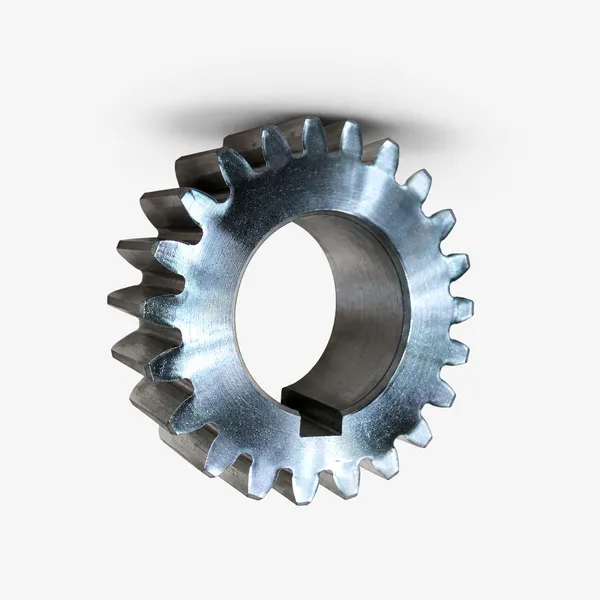
Spur Gears
Pinion gears matching our spur gear rack range; standard modules m0.5 to m20.
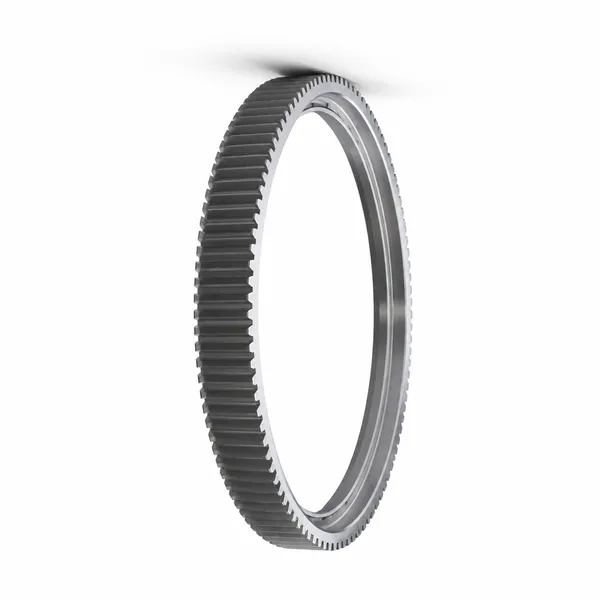
Ring Gears
Large-diameter internal or external ring gears for rotary and slewing drives.
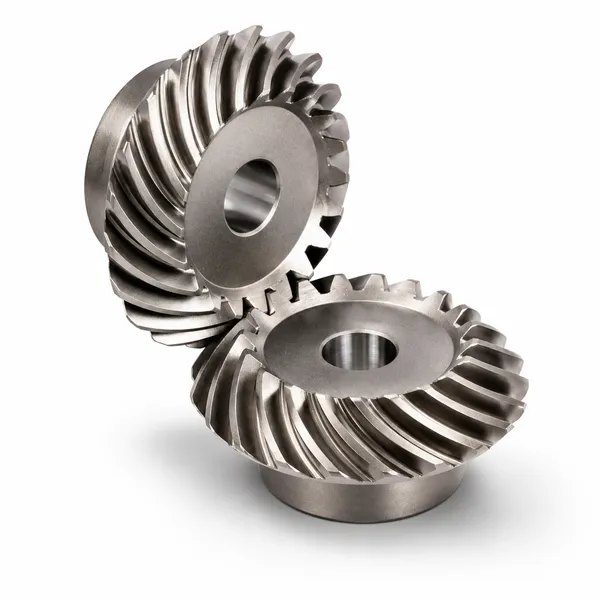
베벨 기어
Straight and spiral bevel gears for right-angle drives and gear motor input stages.
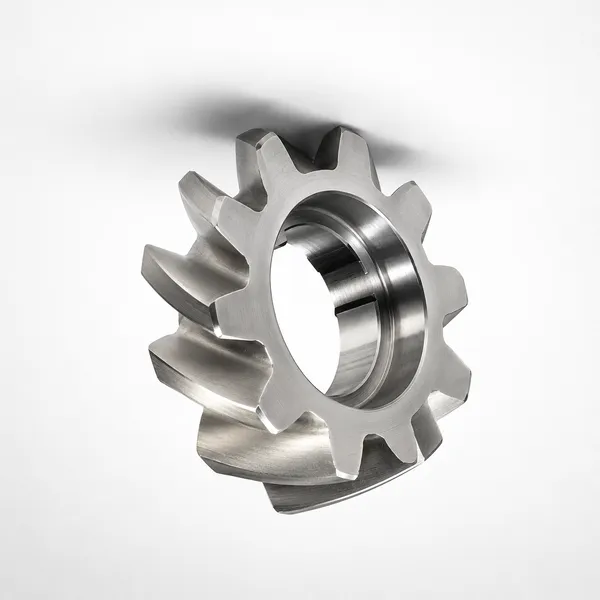
Helical Gears
Helical pinions for high-speed, low-noise rack drives and reduction stages.
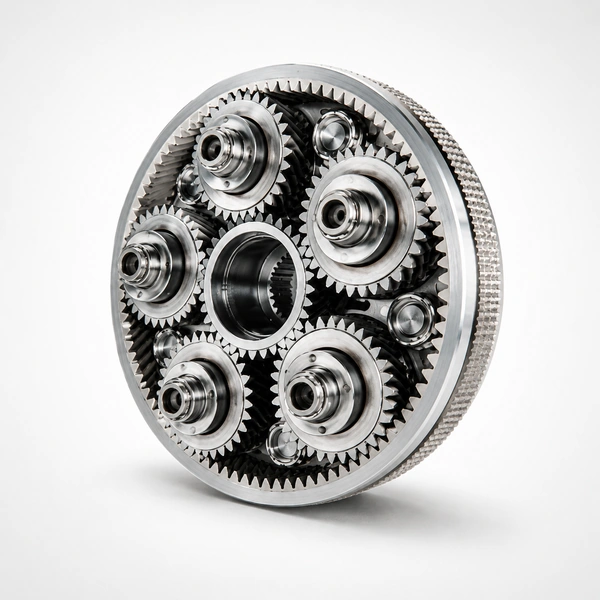
Planetary Gear Sets
Compact in-line reducers paired to servo motors; output shaft connects to the rack pinion.
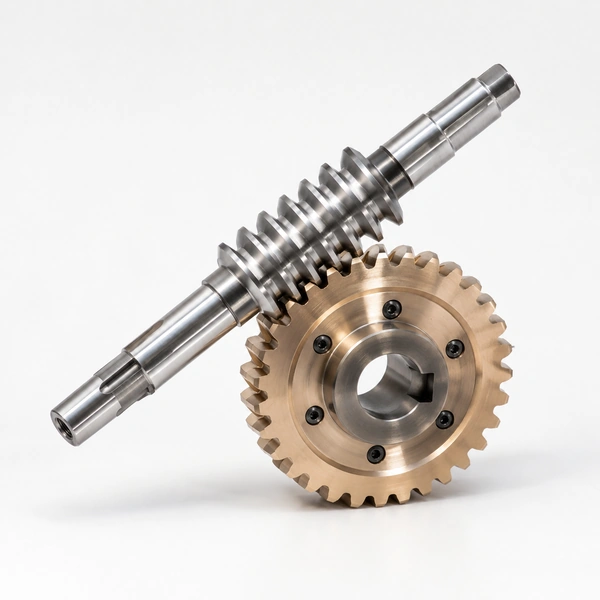
Worm Gear Wheels
Self-locking worm reducers for vertical rack axes holding position under gravity load.
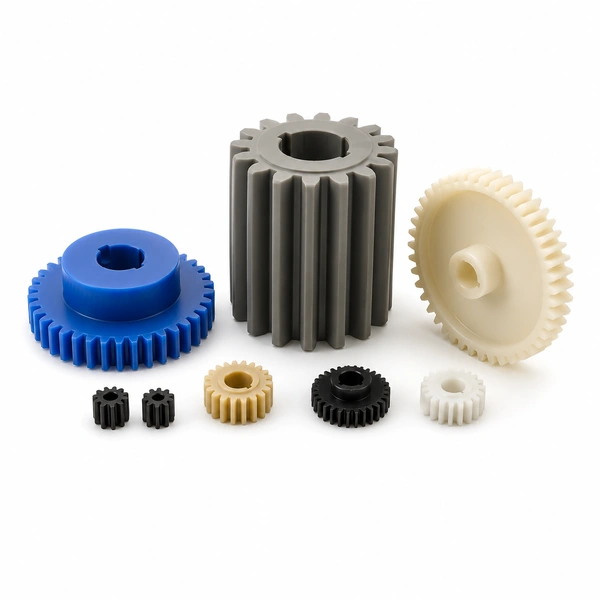
Plastic Gears
Nylon, POM, and polycarbonate pinion gears for light-duty, lubrication-free rack drives.
Frequently Asked Questions
Why is alignment critical for railway axle gear racks?
Even a small angular misalignment between the rack and the axle pinion shifts the tooth contact pattern to one edge of the face width, concentrating the full tooth load on a fraction of the available contact area. This increases local contact stress well above the design value, causing edge chipping and accelerated wear within a fraction of the expected service life. Railway axle rack installations require precision alignment tools and documented alignment verification before commissioning.
What lubricant should be used on railway axle gear racks?
Heavy-duty open-gear grease with a bitumen or adhesive carrier is the standard choice for railway rack lubrication. The bitumen carrier prevents the lubricant from being thrown off the tooth flanks by centrifugal force at operating speed and resists rain washout between maintenance visits. Some modern rack railway operators use automatic grease applicators that spray a metered dose onto the rack as the vehicle passes; this provides more consistent film coverage than periodic manual application.
Can you supply railway axle gear racks to a specific railway system standard?
Yes. Send us the railway OEM specification, existing rack part number or drawing, and the required section length. We manufacture to UIC, EN, DIN, GB/T, and custom railway authority specifications. If the rack system uses a non-standard module or tooth profile — as some proprietary cog railway systems do — send us a sample section or a measured drawing and we will reverse-engineer the specification before quoting. First-article inspection reports are available for qualification orders.
Request a Quotation for Railway Axle Gear Racks
Send your OEM drawing, module, section length, material, and annual volume. We return a price and lead time within 24 hours.
추가 정보
| Editor |
|---|
연관 상품
-
Helical Gear Rack | High-Speed Low-Noise Rack and Pinion, Custom OEM
-
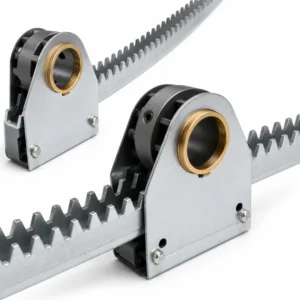
Curved Rack and Pinion Gear | Arc Segment Rack, Stainless Steel, Custom OEM
-
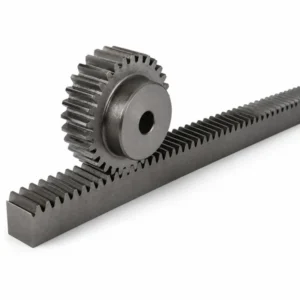
Spur Gear Rack | Straight Tooth Rack and Pinion, M1-M32, OEM Supply
-
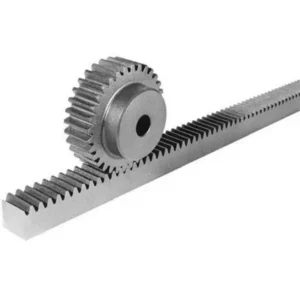
Gear Rack for Automobiles | Steering Rack, EPAS, OEM Replacement Supply
-
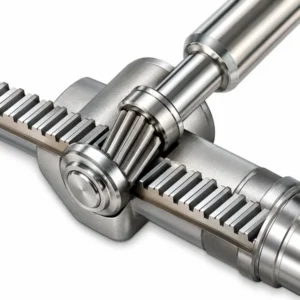
Gear Rack and Pinions | Custom Precision Carbon Steel, OEM Supply
-
Round Gear Rack | Cylindrical Bar Rack, M1 Steel, Custom OEM Supply
-
Gear Rack for Greenhouse | Ventilation, Irrigation and Shading Rack Systems
-
Gear Rack and Pinion | Spur, Helical, Ground and Custom OEM Supply
 Korean
  English
  Italian
  French
  Japanese