
Gear Rack and Pinion | Spur, Helical, Ground and Custom OEM Supply
Ever-Power gear racks convert rotary motor output into unlimited-stroke linear motion — precisely, repeatably, and at force levels a ball screw cannot match at the same price point. Choose from spur, helical, round, ground-precision, and curved rack profiles in modules m0.5 through m12 and above; materials range from 45# carbon steel and 42CrMo alloy to 316 stainless and engineering-grade nylon. Standard lengths are available for prompt dispatch; custom modules, non-standard cross-sections, and matched rack-and-pinion sets are manufactured to your drawing under ISO 9001:2015 quality management. Material certificate and hardness report are supplied with every order — no extra paperwork required.
Gear Rack and Pinion — Product Overview
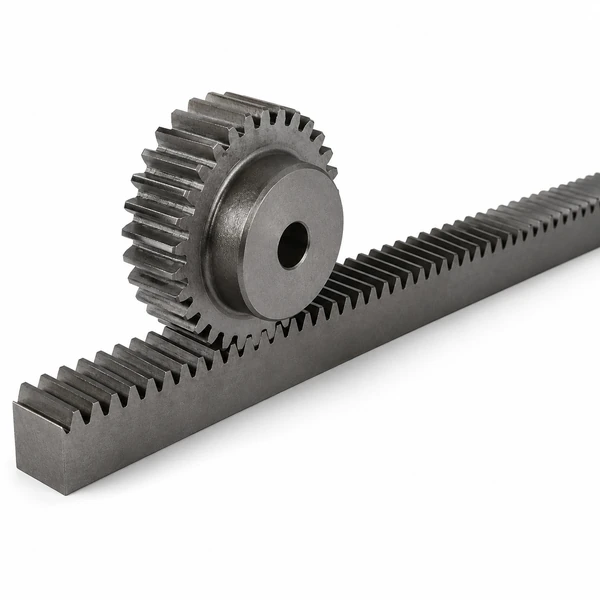
Ever-Power gear rack and pinion systems are the industry-standard solution for converting rotary motion into precise, unlimited-length linear drive. A gear rack is a linear bar with teeth cut along one surface; it meshes with a cylindrical pinion gear so that each revolution of the pinion advances the rack by exactly one pitch circumference. This positive-displacement principle gives rack and pinion drives mechanical simplicity, high load capacity, and unlimited stroke length — advantages that ball screws, hydraulic cylinders, and belt drives cannot all match simultaneously.
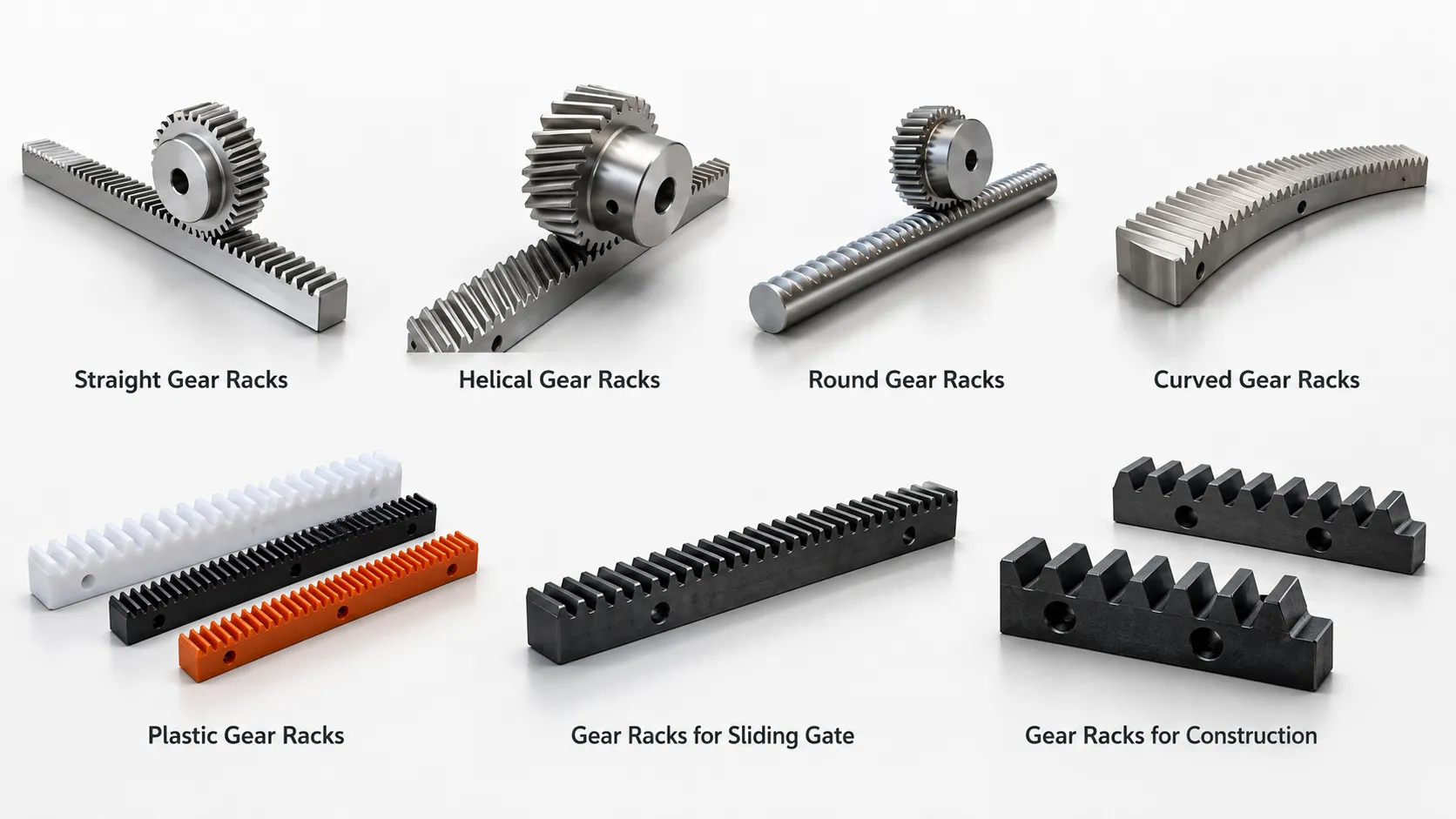
Ever-Power supplies the complete gear rack family from a single source: spur (straight-tooth) gear racks for economical linear drives, helical gear racks for high-speed and low-noise applications, round gear racks for compact cylindrical housings, ground gear racks for precision CNC and robotics positioning, and curved rack and pinion gear sets for arc-motion applications. Material options span carbon steel 45#, alloy steel 40Cr and 42CrMo, case-hardening steel 20CrMnTi, stainless steel 304/316, and engineering plastics. All standard and custom specifications are manufactured under ISO 9001:2015 quality management.
Whether your project calls for a short positional actuator in a CNC router or a 10-metre rack-and-pinion traverse in a gantry crane, Ever-Power engineers are available to review your duty cycle, choose the correct module and tooth profile, and recommend appropriate surface treatment and lubrication for the service environment. OEM drawings accepted in DXF, DWG, STEP, and PDF formats.
Technical Specifications
The table below covers the standard production capability for Ever-Power gear racks. Custom parameters — including non-standard modules, special bore or mounting hole patterns, and bespoke lengths — are confirmed at quotation stage from your drawing or sample.
| Parameter | Standard Range / Options |
|---|---|
| Rack Type | Spur (straight-tooth), helical, round, ground, curved rack and pinion |
| Module (m) | m0.5, m1, m1.5, m2, m2.5, m3, m4, m5, m6, m8, m10, m12 and above; custom per drawing |
| Pressure Angle | 20° standard; 14.5° and other angles on request |
| Helix Angle (helical) | 14°, 19.5°, 15°, 45° and other angles per specification |
| Length per Piece | Up to 2,000 mm per section; machined ends allow unlimited total stroke by butting |
| Cross-Section | Rectangular flat rack; round bar rack; custom profile |
| Tooth Width / Face Width | Per module series or customer drawing |
| Material — Steel | 45# carbon steel, 40Cr, 42CrMo, 20CrMnTi, 20Cr, 42CrMoA |
| Material — Stainless | 304, 316, 316L; food-grade and corrosion-resistant applications |
| Material — Plastic | PA66 nylon, POM acetal (Delrin), polycarbonate, UHMWPE |
| Material — Non-Ferrous | Aluminium 6061-T6, brass, bronze; per application requirement |
| Heat Treatment | Induction hardening (HRC 48-54 surface), through-hardening, carburising and quenching, normalising, gas nitriding |
| Tooth Finish — Standard | Hobbed or milled; DIN 8-10 / JIS 3-5 / AGMA Q8-Q10 accuracy class |
| Tooth Finish — Ground | CNC profile ground; DIN 4-6 / JIS 1-2 / AGMA Q12-Q14; Ra 0.4 µm or better |
| Surface Treatment | Black oxide, zinc electroplating, zinc-nickel plating, phosphating, hard chrome, as-machined |
| Mounting Holes | Through holes, tapped holes, or blank per drawing; counterbore on request |
| Machined Ends | Half-tooth machined ends available for accurate butting of multiple rack lengths |
| Standards Supported | DIN 867, JIS B 1702, AGMA 2000-A88, GB/T; customer drawings accepted |
| Certification | ISO 9001:2015; material certificate and hardness report supplied with each order |
How Gear Rack and Pinion Works
A gear rack is geometrically a spur or helical gear with an infinite pitch radius — the pitch circle has been unwrapped into a flat line. The rack teeth are equally spaced along its length with a pitch equal to the module multiplied by pi (p = m x 3.14159). A pinion — a standard spur or helical gear — meshes with the rack so that each full revolution of the pinion moves the rack by exactly p x z millimetres, where z is the pinion tooth count. This gives the system a perfectly linear and predictable velocity ratio.
Two motion configurations are possible. In the stationary-rack / travelling-pinion layout, the rack is fixed and the pinion rolls along it, carrying its motor and load — the arrangement used in gantry cranes, CNC portal machines, and rack-and-pinion rail systems. In the stationary-pinion / travelling-rack layout, the pinion is fixed in the housing and the rack passes through it — the arrangement used in steering gear boxes, punch presses, and linear actuators.
Comparing rack and pinion with ball screws: the rack delivers higher load capacity, unlimited length, and simpler assembly; the ball screw delivers lower backlash and higher positioning accuracy at shorter strokes. For heavy loads above 5 kN or strokes above 2 metres, rack and pinion is consistently the more practical and cost-effective choice. Anti-backlash pinion arrangements and preloaded twin-pinion drives are available for precision applications where conventional rack backlash is not acceptable.
Types of Gear Rack — Spur, Helical, Round, Ground, Curved
⚙ Spur Gear Rack (Straight Tooth)
Straight teeth run perpendicular to the direction of travel. The tooth axis is parallel to the rack axis, giving full-width contact at every mesh cycle. Spur racks are the most cost-effective choice for low-to-medium speed linear drives where noise is not a constraint. Typical applications include sliding gate drives, CNC router axes, material handling conveyors, and vertical lifting mechanisms. Available in modules m1 through m12 and above in carbon steel, alloy steel, and stainless steel.
⚙ Helical Gear Rack
Teeth are cut at a helix angle — typically 14°, 19.5°, or 45° — so each tooth enters mesh progressively rather than all at once. Progressive engagement distributes load across multiple teeth simultaneously, significantly reducing noise and vibration compared to spur racks at the same module and pitch-line speed. Helical racks generate an axial thrust component that must be reacted by the pinion bearing. Preferred for high-speed precision axes, servo-driven gantry systems, and machine tool feeds where vibration affects surface finish or dimensional accuracy.
⚙ Round Gear Rack
A round bar with gear teeth cut along part of its circumference so the tooth cross-section resembles a crescent. Round racks slide in cylindrical sleeve bearings, making the housing design simple and compact. An anti-rotation flat or keyway prevents the rack from spinning under load. Because the crescent cross-section removes material compared to a rectangular rack of the same nominal dimensions, the bending strength at the tooth root is somewhat lower — round racks are therefore preferred where the compactness of a round-bore housing outweighs the modest strength reduction. Common in pneumatic and hydraulic rotary actuators, rack-type steering pinions, and small linear actuator pencil cylinders.
⚙ Ground Gear Rack (Precision)
After hobbing or milling, the tooth flanks are finish-ground on a CNC gear-grinding machine to DIN 4-6 or better. Ground racks achieve pitch deviation below 0.008 mm per 300 mm and tooth-form error below 0.005 mm, enabling positioning repeatability of 0.01 mm or better in closed-loop servo systems. Surface finish Ra 0.4 µm or better reduces running friction and wear rate, extending the interval before re-lubrication is required. Ground racks are standard in five-axis machining centres, laser cutting gantries, robotics, and any servo axis where encoder feedback alone is insufficient to compensate for mechanical error.
⚙ Curved Rack and Pinion Gear
A curved or arc-segment rack follows a defined radius rather than a straight line, allowing the pinion to drive a controlled angular sweep motion. Applications include robotic arm segments, camera pan-tilt heads, architectural shading systems, and any mechanism where a constrained arc displacement is needed from a rotary motor without the complexity of a conventional gear sector or worm drive. Manufactured in stainless steel or precision alloy steel; radius and subtended arc angle are confirmed to customer drawing at the quotation stage.
⚙ Rack with Machined Ends
When total travel exceeds the maximum single-piece rack length, multiple sections are butted end-to-end. Standard racks cannot be simply placed end-to-end because the pitch spacing at the joint will be wrong — the gap between the last tooth of one piece and the first tooth of the next must equal exactly one pitch. Ever-Power supplies racks with precision-machined half-tooth ends, so adjacent sections butt together with the correct pitch maintained across the joint. Joint backlash is then indistinguishable from mid-section backlash. This is the standard approach in long-travel CNC gantries, automatic warehouse racking systems, and large-format plasma or waterjet cutting machines.
Spur vs. Helical Gear Rack — Selection Guide
| Criterion | Spur Gear Rack | Helical Gear Rack |
|---|---|---|
| Tooth engagement | Instantaneous full-width contact | Progressive — multiple teeth in mesh |
| Noise level | Higher at elevated speeds | Significantly quieter |
| Load capacity | Good | Higher — shared tooth loading |
| Axial thrust on pinion | None | Present; thrust bearing required |
| Speed range | Best below 3 m/s pitch-line | Suitable above 3 m/s |
| Cost | Lower tooling and piece cost | Slightly higher; justified by performance |
| Pinion hand matching | Not required | Rack and pinion helix hand must match |
| Typical uses | Sliding gates, conveyors, heavy lifts | CNC axes, servo gantries, laser cutters |
Manufacturing Process
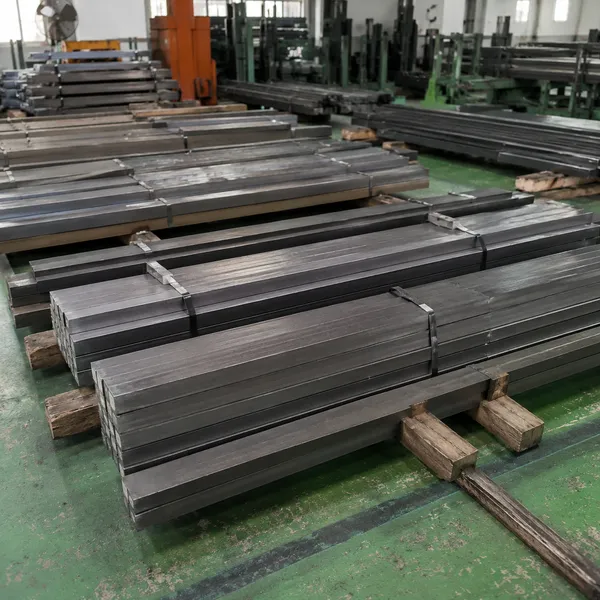
Step 1 — Raw Material (Z)
Square steel bar purchased from certified mill; inspected and stored before production.
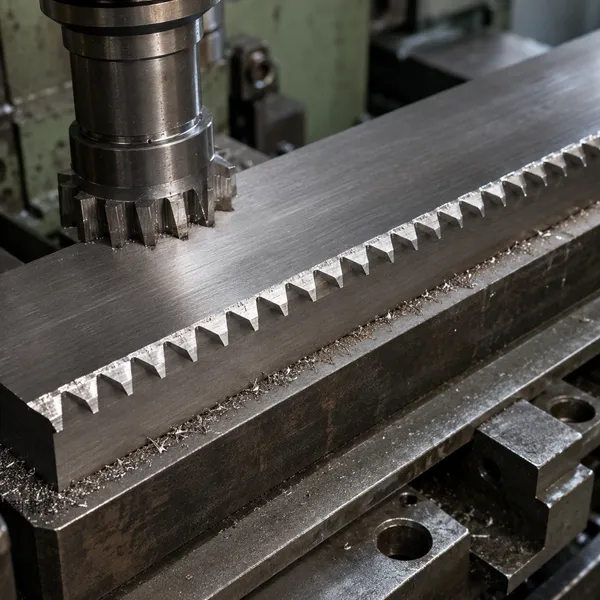
Step 2 — Tooth Cutting (TR)
Square blank loaded onto hobbing machine; teeth cut to module and pressure angle. Heavy burrs form at tooth ends after cutting.
Step 3 — Deburring (H)
Tooth-end burrs removed on deburring machine; edges chamfered to eliminate sharp hazardous corners.
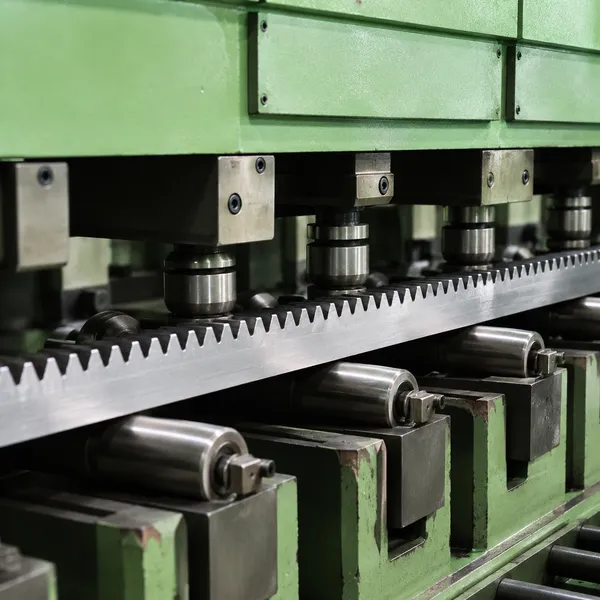
Step 4 — Pressure Straightening (P)
Tooth cutting introduces bow into the bar. The rack is loaded on a straightening press and corrected before further machining.
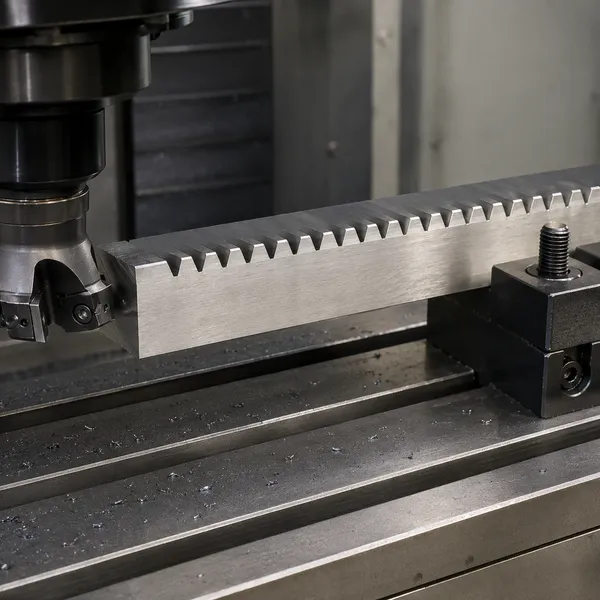
Step 5 — End Face Machining (MH)
Both ends machined with the tooth groove as datum. Enables accurate pitch continuity when multiple sections are butted together.
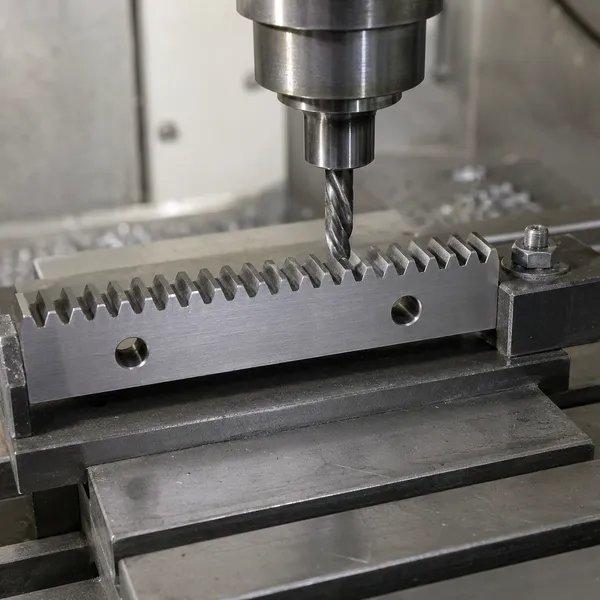
Step 6 — Hole Opening (DU)
Mounting holes drilled and tapped in a CNC machining centre to customer drawing. Improves installation convenience and positional accuracy.
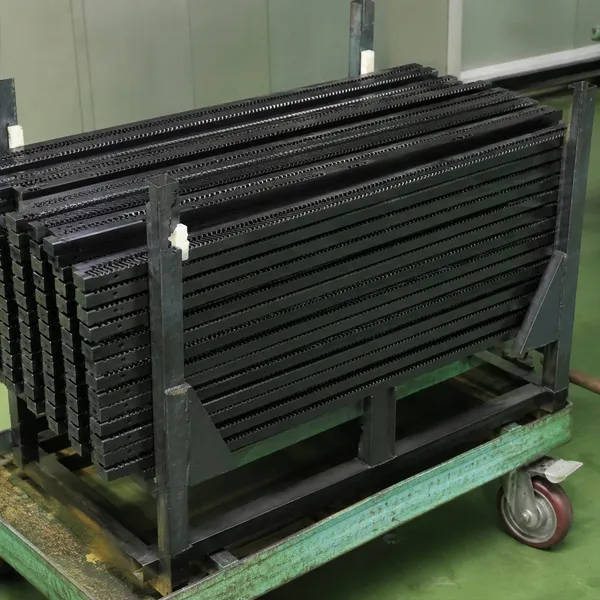
Step 7 — Surface Treatment (Q)
Tooth flanks black-oxide treated or zinc-plated. Enhances corrosion resistance, reduces friction coefficient, and improves visual quality.
The complete Ever-Power gear rack production sequence: Raw Material (Z) → Tooth Cutting / Hobbing (TR) → Deburring and Chamfering (H) → Pressure Straightening (P) → End Face Machining (MH) → Hole Opening (DU) → Surface Treatment (Q). For precision ground racks, a CNC gear-grinding pass is added after step P and before step MH to achieve DIN 4-6 tooth-form accuracy. Heat treatment (induction hardening or carburising) is performed between TR and H for hardened-tooth variants so that the deburring and straightening steps follow hardening rather than preceding it.
Key Production Equipment
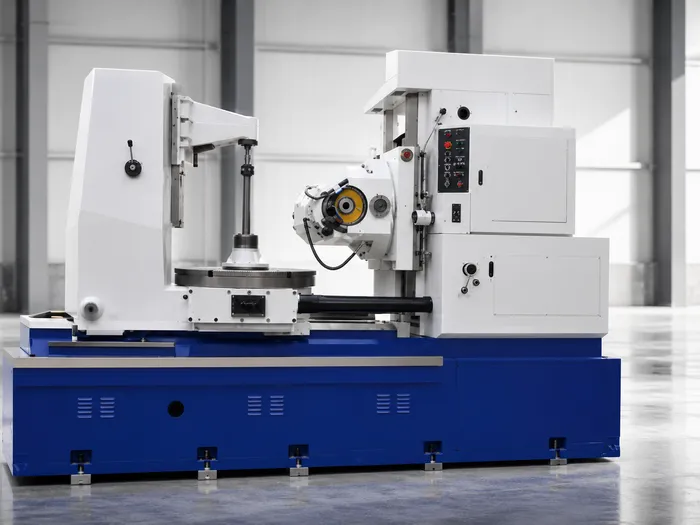
Gear Hobbing Machine
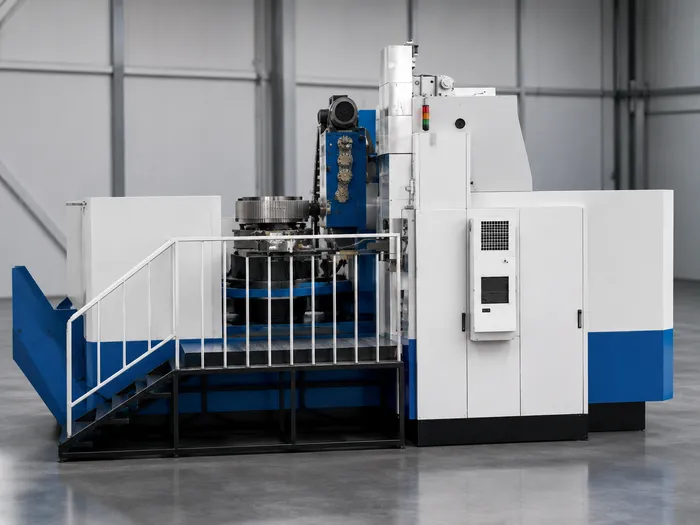
Gear Milling Machine
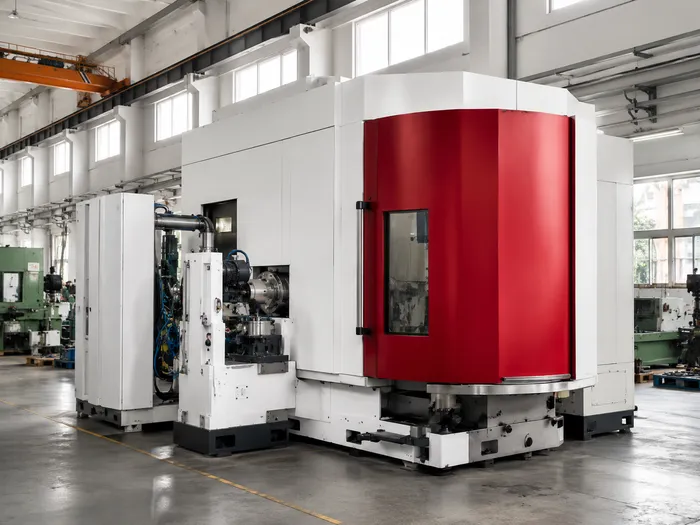
CNC Gear Grinding Machine
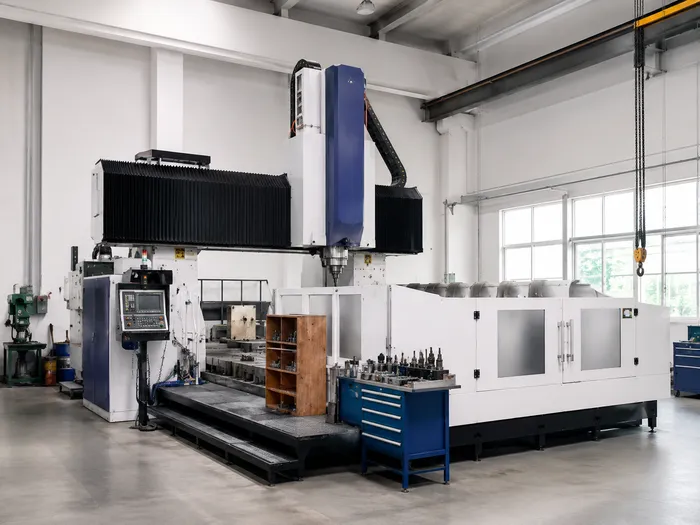
Gantry CNC Machining Centre
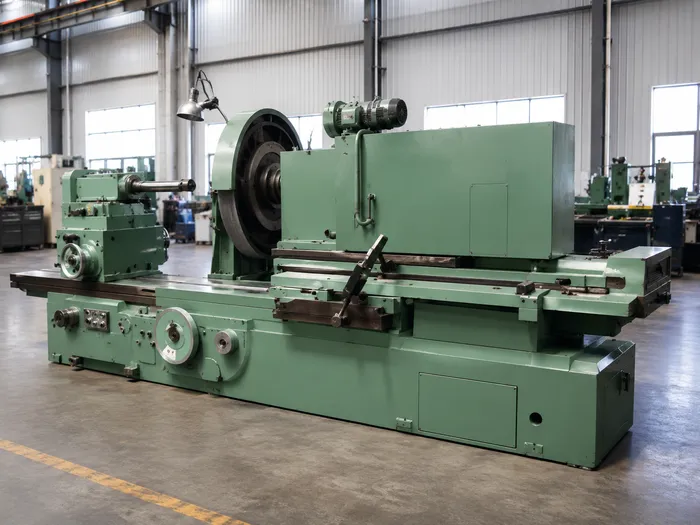
Internal Grinding Machine
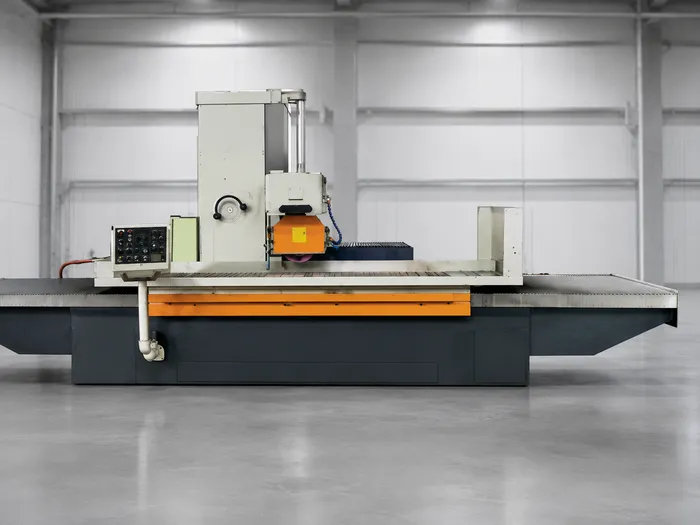
Planer Grinding & Turning
Gear Rack Material Options
Material selection governs load capacity, corrosion resistance, weight, and total cost of ownership. The table below covers the materials stocked and regularly produced by Ever-Power for gear rack applications.
| Material | Properties and Typical Application |
|---|---|
| 45# Carbon Steel | General-purpose, good machinability, suitable for induction hardening to HRC 48-54. The workhorse material for standard spur and helical gear racks in moderate-duty service. |
| 40Cr Alloy Steel | Higher tensile strength than 45#; excellent response to induction hardening. Used in medium-heavy duty drives where tooth fatigue life matters. Equivalent to AISI 5140 / DIN 41Cr4. |
| 42CrMo Alloy Steel | High tensile strength, excellent toughness after quench-and-temper. Preferred for heavy-duty machine tool racks and rack-and-pinion drives subject to shock or impact loads. Equivalent to AISI 4140 / DIN 42CrMo4. |
| 20CrMnTi Case-Hardening Steel | Carburised to give a hard tooth surface (HRC 58-62) over a tough core. Used in high-cycle precision racks and ground racks for CNC gantries and automotive automation. |
| 304 Stainless Steel | Corrosion-resistant; suitable for food processing, pharmaceutical, and outdoor or marine environments. Not hardenable to the same degree as carbon steel; tensile strength lower at the same tooth module. |
| 316 / 316L Stainless Steel | Adds molybdenum to 304 for improved resistance to chloride pitting and crevice corrosion. Preferred in wash-down food processing lines, offshore equipment, and chemical plant environments. |
| Aluminium 6061-T6 | Lightweight at one-third the density of steel; good corrosion resistance. Used in semiconductor equipment, aerospace ground support, and weight-critical automation. Lower load rating at the same module. |
| Brass | Good corrosion resistance, self-lubricating tendency, low magnetic permeability. Used in instrument drives, medical equipment, and applications where ferrous metal is unsuitable. |
| PA66 Nylon | Self-lubricating, lightweight, low noise; absorbs shock and vibration. Suitable for light-duty drives, general industrial automation, and applications where metal-to-metal contact noise must be eliminated. |
| POM Acetal (Delrin) | Stiffer and dimensionally more stable than nylon; low moisture absorption. Good choice for precise light-duty positioning drives where nylon hygroscopic growth would cause pitch error. |
| Polycarbonate | Extremely tough and transparent; machines to close tolerances. Lubrication sometimes required; suited to low-speed, light-duty drives where visual inspection of tooth engagement is needed. |
Gear Rack and Pinion Applications by Industry
Ever-Power gear racks are used across a wide range of industries. Below are the principal sectors supplied, with the specific rack type and material typically specified for each.

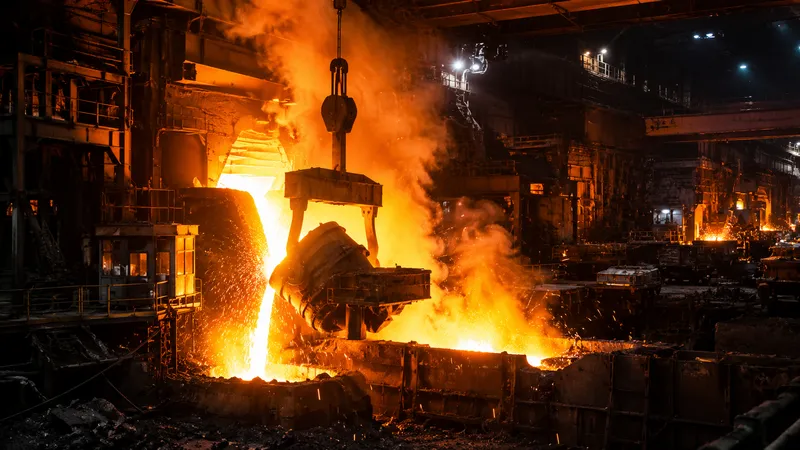




🔨 CNC Machine Tool Axes
Five-axis machining centres, large-format routers, plasma and waterjet cutting gantries, and transfer lines use precision ground helical racks in 20CrMnTi with case-hardened tooth flanks. The rack is hardened and ground after mounting on the machine base; precision ground racks achieve cumulative pitch error under 0.02 mm per 300 mm, enabling closed-loop positioning to micrometre-class accuracy.
🏭 Construction Hoist and Elevator
Construction material hoists and personnel elevators use heavy-module (m6 to m10) induction-hardened steel racks mounted to the mast sections. The pinion is driven by a motor through a speed reducer; safety racks with an anti-fall pawl mechanism ride a parallel safety rack. High cycle life under variable weather conditions demands racks with through-hardened cores and robust surface treatment.
🍠 Rack-and-Pinion Steering
Passenger cars, light commercial vehicles, and off-road equipment use a central steering rack meshing with a pinion on the column. The steering rack converts rotation of the steering wheel to lateral motion of the tie-rods and wheel hubs. Forged alloy steel racks with induction-hardened central sections are standard; the rack must be straight to within 0.05 mm over its full length after hardening to avoid steering shimmy.
🌿 Greenhouse and Agricultural
Greenhouse ventilation window drives, shading screen actuators, and irrigation boom traversing systems use zinc-plated steel racks or stainless steel racks to resist humid, corrosive environments. Long-travel low-speed drives with infrequent movement cycles favour spur racks for their low cost and simple pinion drive, while temperature control systems requiring quiet operation at night use helical racks.
🏽 Sliding Gate and Door Drives
Residential and commercial automated sliding gates use nylon-coated or zinc-plated steel racks attached to the gate leaf, driven by a compact gear motor unit with a small pinion. Nylon or POM racks are also specified where the gate leaf cannot bear the weight of a steel rack, and where low noise during operation is required. Module m4 and m6 are the most common grades for gate racks.
🤖 Industrial Robotics and Automation
Articulated robot seventh-axis travel, gantry robot beam traversal, and servo-driven pick-and-place systems use precision ground helical racks paired with anti-backlash twin-pinion drives. The combination achieves zero-backlash linear positioning at speeds above 5 m/s with acceleration capability exceeding 20 m/s². CMM-verified pitch deviation records are included in the shipment documentation for traceability in automotive and electronics production environments.
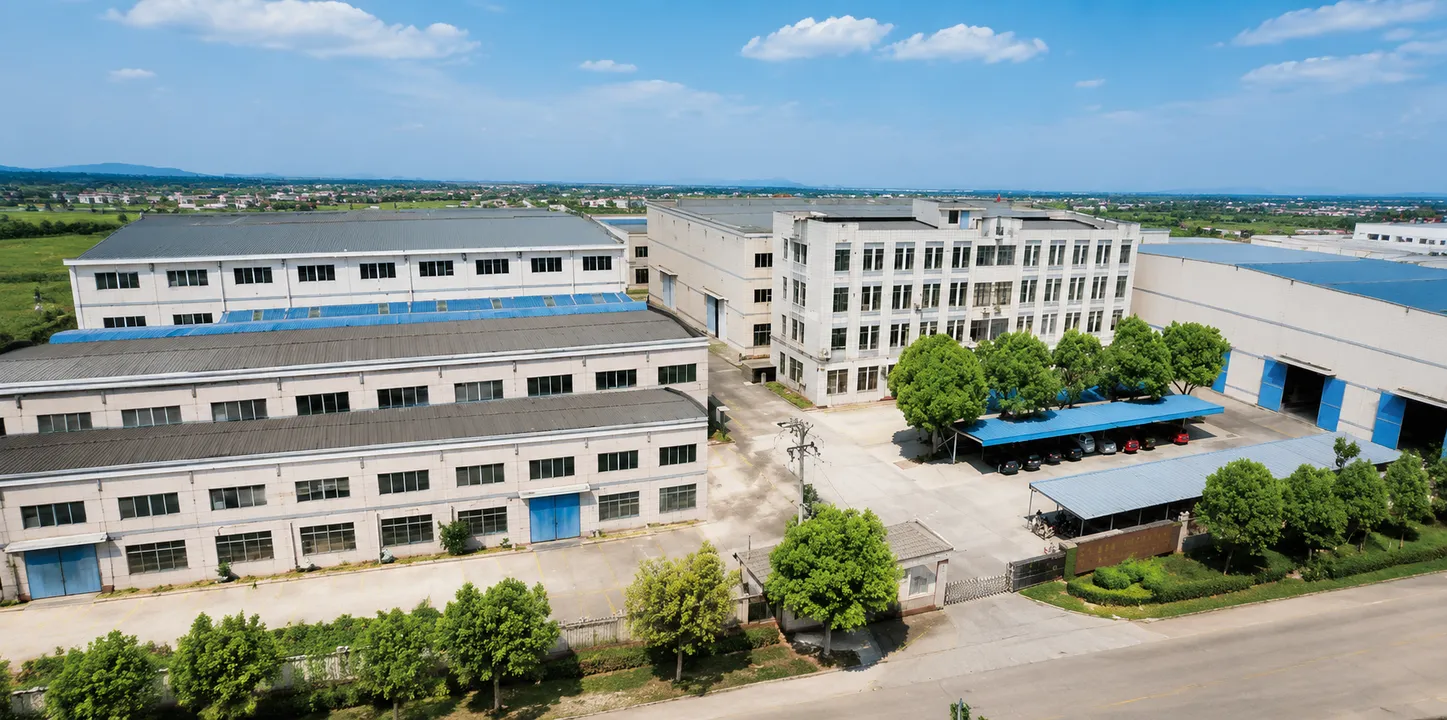
Quality Assurance and Manufacturing Facility
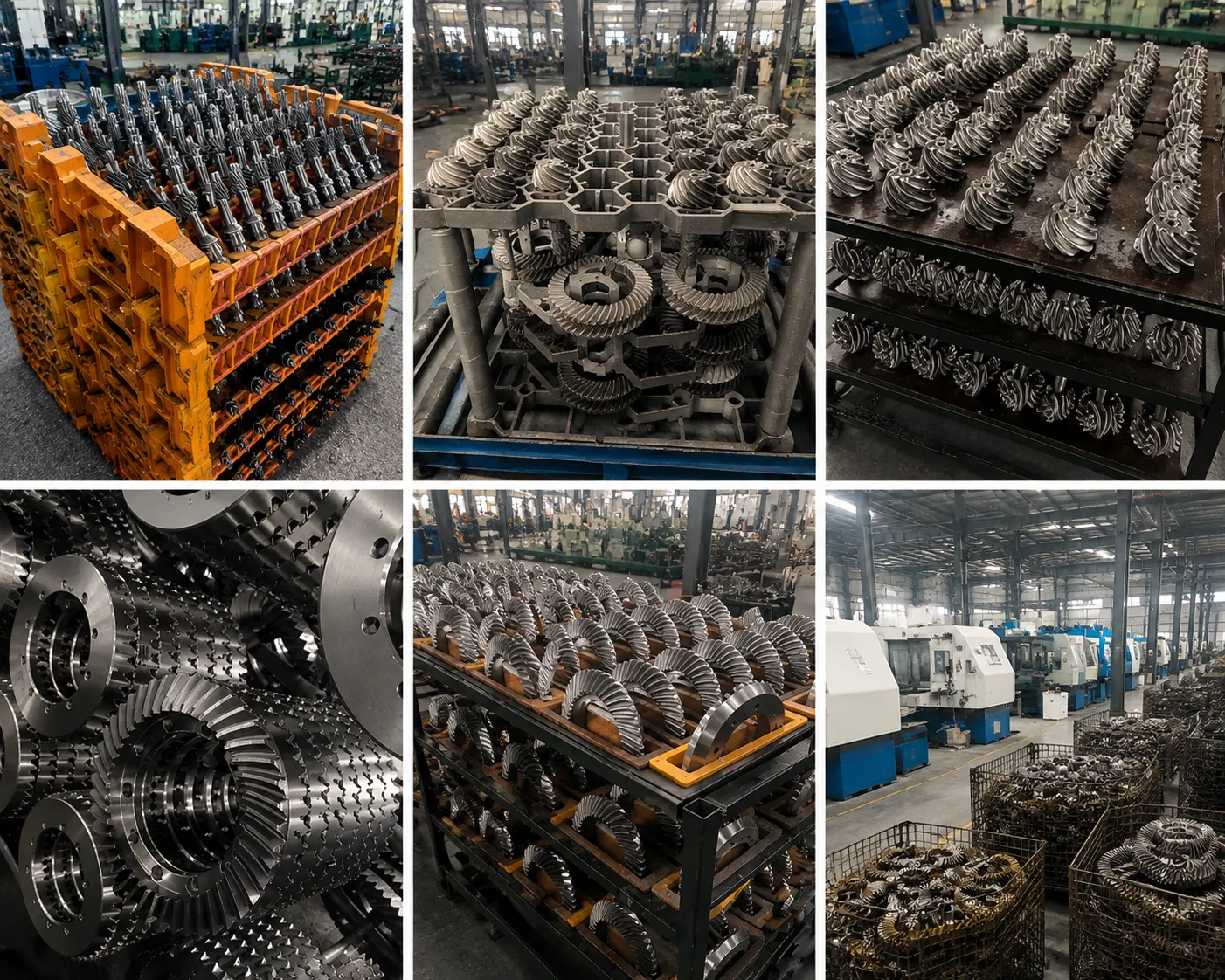
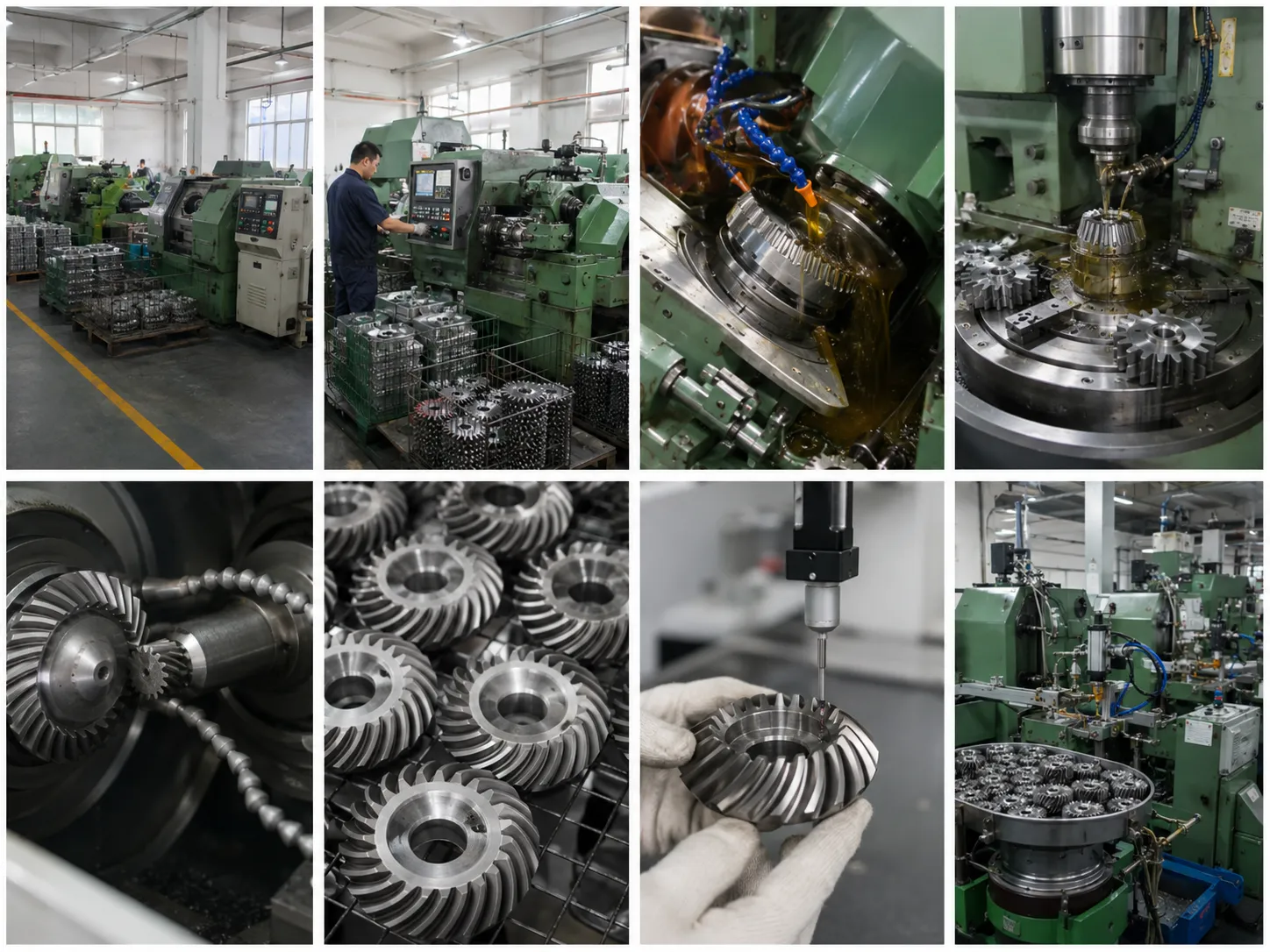
Ever-Power operates an ISO 9001:2015 certified quality management system across all stages of gear rack production. Every batch is accompanied by a material certificate verifying steel grade and chemical composition, a heat treatment record with time-temperature curve data, dimensional inspection results for critical parameters, and a hardness test report at tooth flank and root. For precision ground racks, a CMM printout of pitch deviation and tooth-form error is included.
- Raw material incoming inspection — chemical composition and hardness verified before stock enters the production cell
- In-process hobbing / milling inspection — tool wear monitored; first-off and periodic checking of pitch, tooth form, and surface finish during the run
- Heat treatment records — time-temperature curves retained for each batch; case depth spot-checked by hardness traverse and metallographic cross-section on sampled pieces
- Straightness verification — racks checked on surface plate after hardening; any bow beyond tolerance corrected by controlled press straightening before grinding
- CMM dimensional verification (ground racks) — pitch deviation, accumulated pitch error, tooth thickness, and reference face parallelism measured against drawing
- Gear roll test — mating pair tested under light load on a gear testing machine; contact pattern and noise level recorded before shipment
- Export packaging — VCI anti-corrosion film individually wrapping each rack; plywood or foam-lined carton; standard sea-freight transit time 4 to 7 days from port
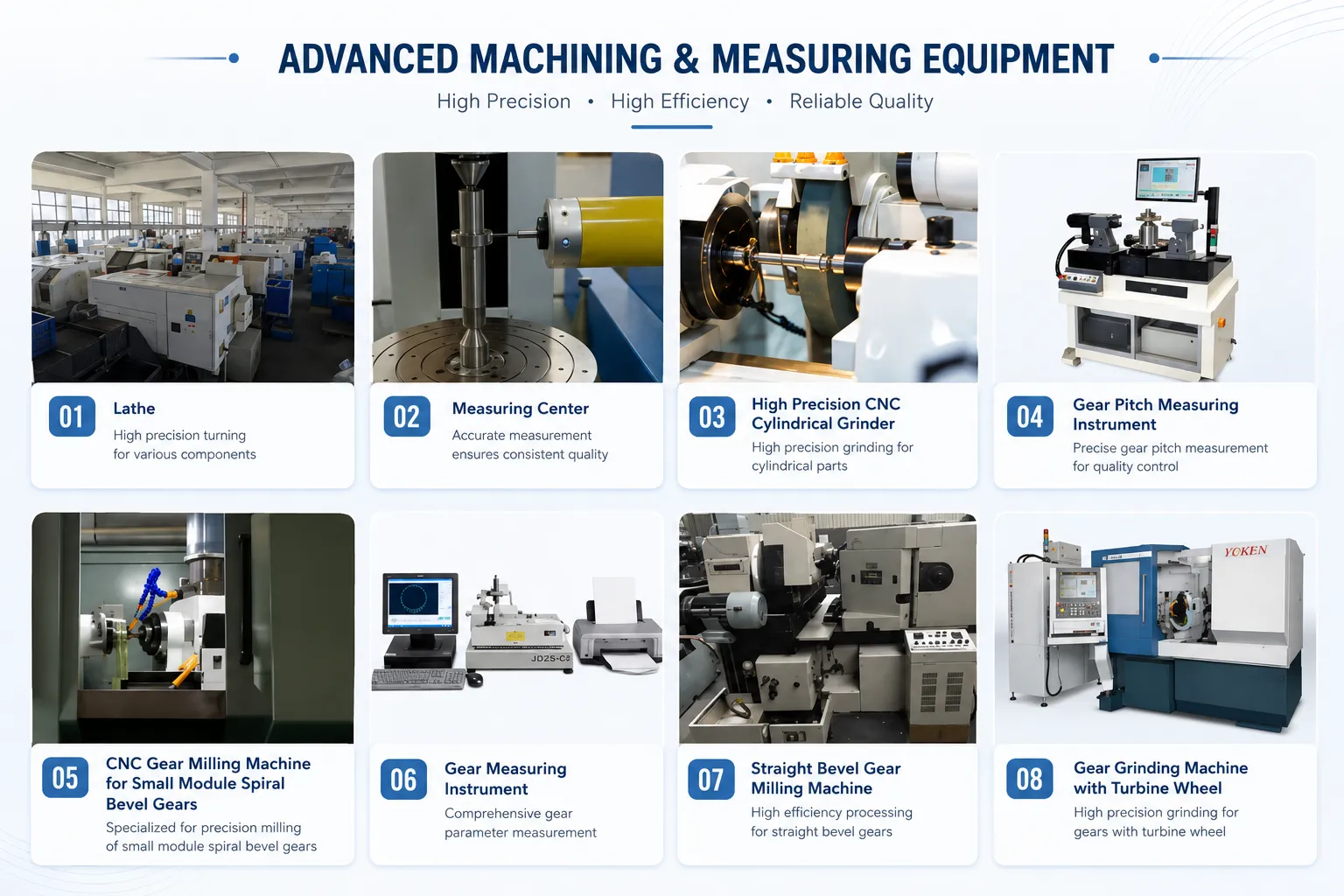
Precision Measurement Equipment
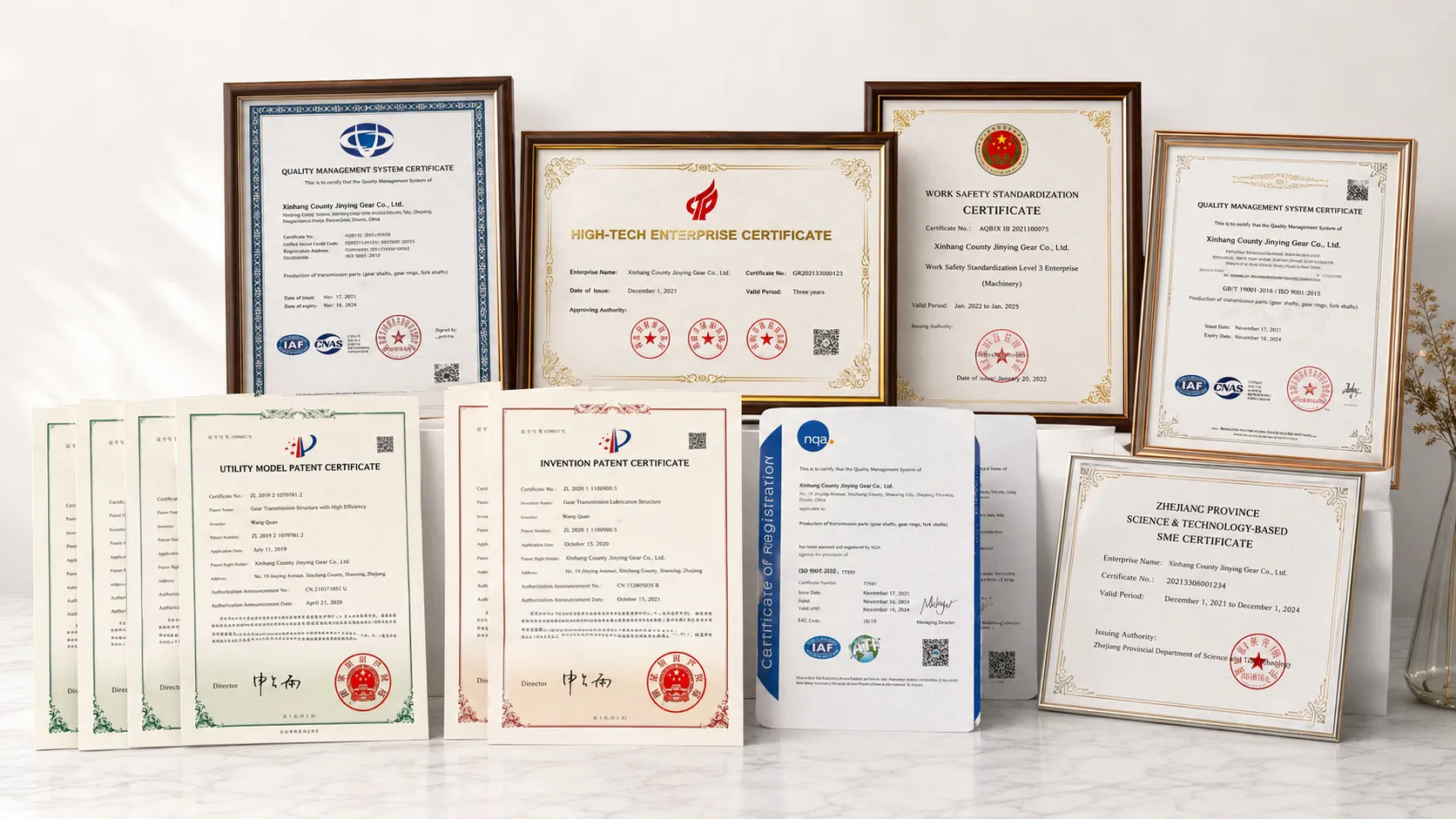
ISO 9001:2015 and Quality Certificates
Gear Rack and Pinion vs. Ball Screw — Which to Choose
| Criterion | Gear Rack and Pinion | Ball Screw |
|---|---|---|
| Maximum stroke | Unlimited — butted sections | Limited by critical speed; typically below 6 m |
| Speed capability | High; helical racks operate above 10 m/s | Lower; limited by screw critical speed and nut heat |
| Load capacity | Very high; scales with module and face width | Moderate; limited by ball size and nut length |
| Backlash | Present; reducible with twin-pinion preload | Very low; near-zero with preload |
| Positioning accuracy | 0.01-0.05 mm (ground rack, closed-loop) | 0.002-0.01 mm typical |
| Drive efficiency | 95-99% | 90-95% |
| Cost at long stroke | Low — rack is a simple bar | High — long screws require support bearings and alignment |
| Self-locking | No — motor brake required for vertical axes | No (ball screw); yes for lead screw variants |
| Maintenance | Periodic lubrication of tooth flanks | Greasing of ball nut; replacement of nut at wear life |
General guidance: choose rack and pinion when load exceeds 5 kN, stroke exceeds 2 m, or linear velocity exceeds 2 m/s. Choose a ball screw for short strokes requiring sub-0.01 mm repeatability at light to moderate load. For applications between these boundaries, an application review by the Ever-Power engineering team will identify the most cost-effective solution for your duty cycle.
Related Gear Products
Ever-Power manufactures the complete range of industrial gear types alongside gear racks. If your drive system requires matched pinions, reduction gears, or associated gear types, the following product families are available from the same source.
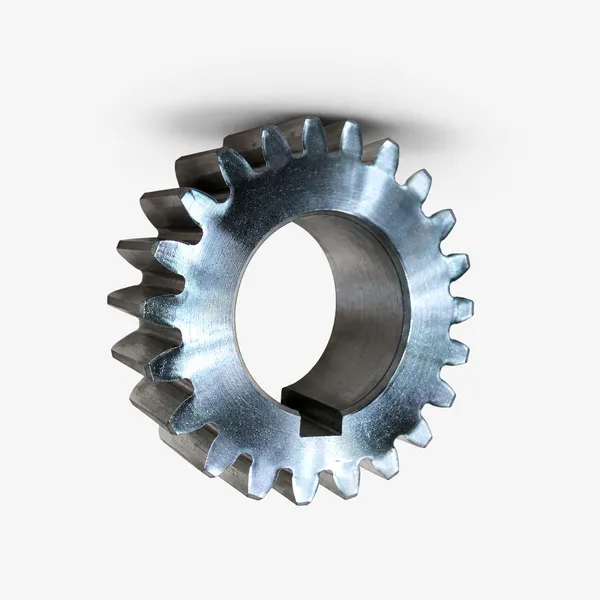
Spur Gears
Pinion gears matching our spur gear rack range; standard modules m0.5 to m20. Used as the driven element in all spur rack and pinion drives.
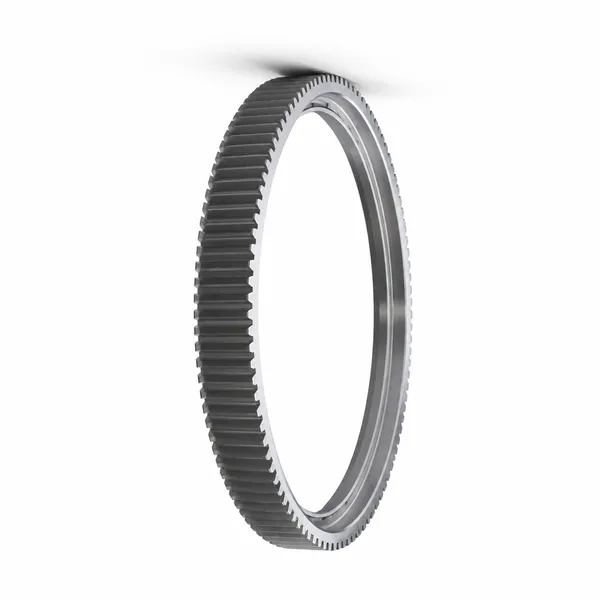
Ring Gears
Large-diameter internal or external ring gears for rotary kilns, cement mixers, and slewing drives. Often paired with rack-driven positioning systems.
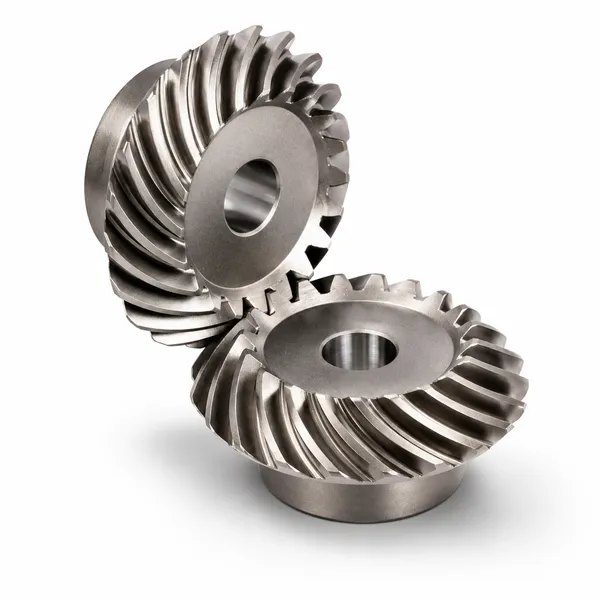
Bevel Gears
Straight and spiral bevel gears for right-angle or angular drives; often used in the gear motor driving the rack pinion shaft.
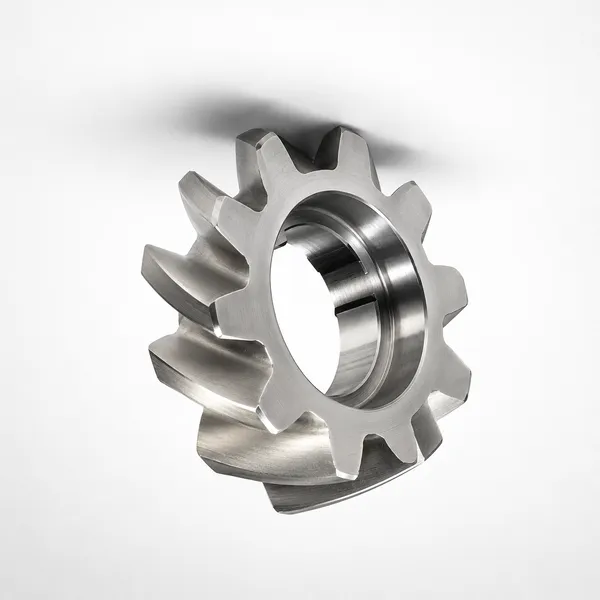
Helical Gears
Helical pinions paired with helical racks for high-speed, low-noise linear drives. Also used in the speed reducer stages driving the rack pinion.
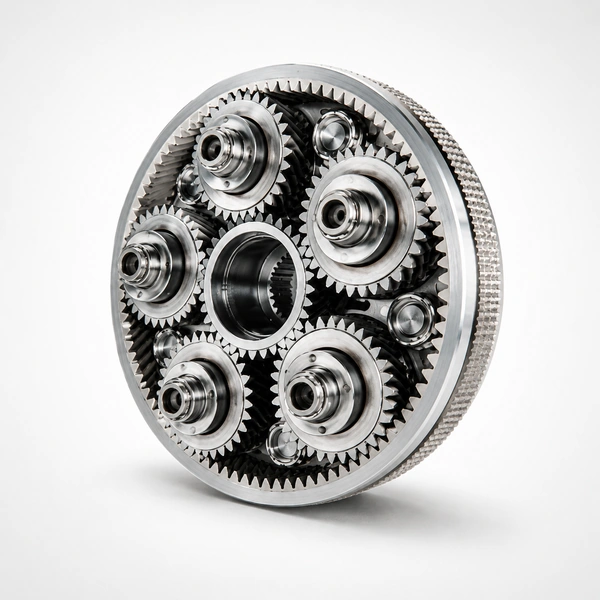
Planetary Gear Sets
Compact in-line reducers paired directly to servo motors; the output shaft connects to the rack pinion. Helical or spur planet versions available.
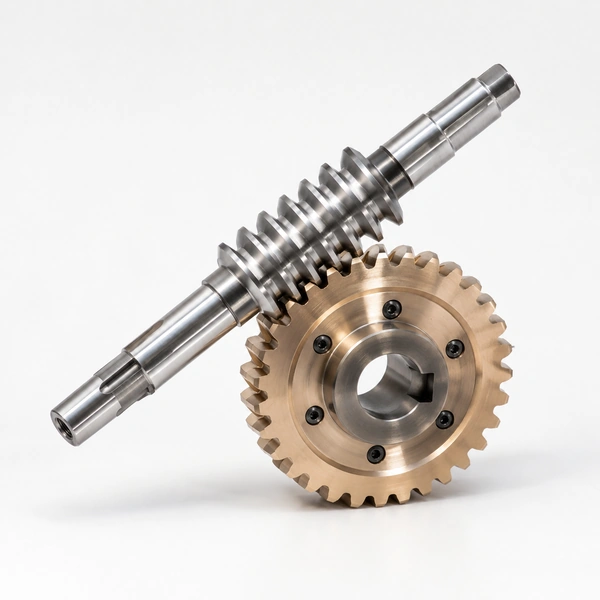
Worm Gear Wheels
Self-locking worm reducers used where a vertical rack axis must hold position under gravity load without a motor brake. Suitable for lifting and clamping rack drives.
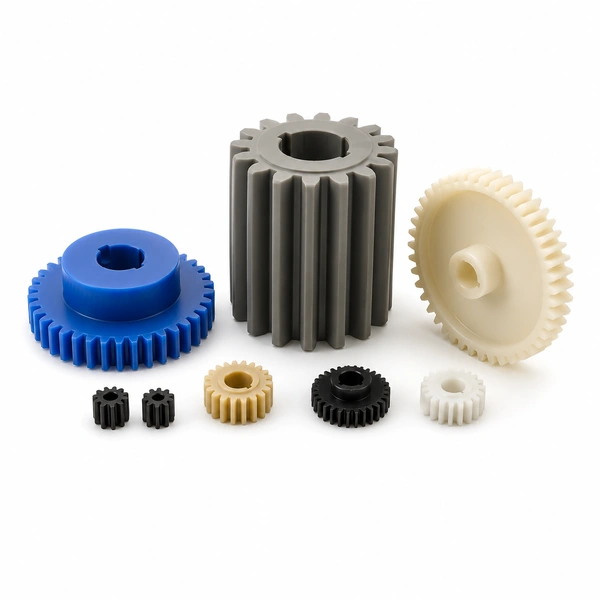
Plastic Gears
Nylon, POM, and polycarbonate pinion gears for light-duty rack drives requiring low noise, corrosion immunity, and lubrication-free operation.
Frequently Asked Questions
What is the difference between a gear rack and a ball screw?
A gear rack converts rotary motion into linear motion through direct tooth engagement with a pinion; it has no practical limit on stroke length, can carry very high forces, and is highly efficient (above 95%). A ball screw converts rotation through recirculating balls in a helical nut — it achieves very low backlash and high positioning accuracy at short strokes, but is limited in total length by critical speed and is more expensive at long strokes. For strokes above 2 metres or forces above 5 kN, rack and pinion is almost always the more practical and cost-effective choice.
What module should I specify for my gear rack application?
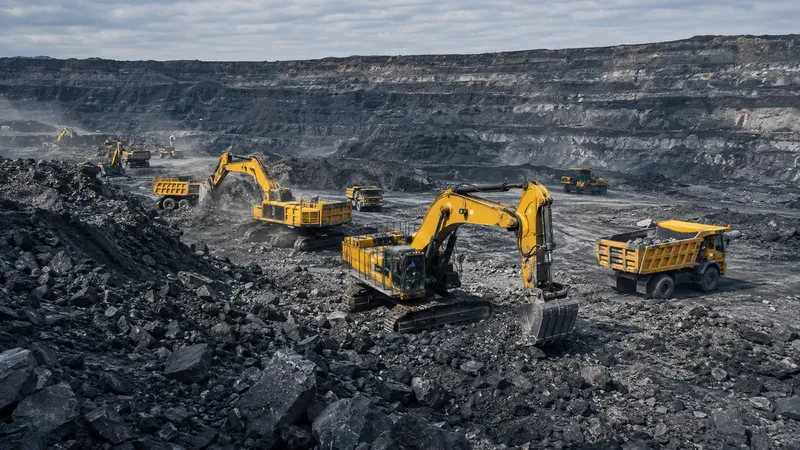
Module determines the tooth size and load capacity. As a starting guideline: m1 to m2 for light instrument and automation drives below 500 N; m2 to m4 for medium general-purpose CNC and sliding gate drives from 500 N to 3 kN; m4 to m6 for heavy machine tool and construction hoist drives from 3 kN to 15 kN; m6 and above for very heavy gantry crane and mining drives above 15 kN. The pinion tooth count and material grade also affect the final load rating. Send us your required drive force, speed, and cycle life and our engineering team will verify the correct module.
How do I join multiple gear rack sections for long travel?
Ever-Power supplies racks with precision-machined half-tooth ends. When two sections are placed end-to-end and secured to the machine base, the joint maintains the correct pitch between the last tooth of one section and the first tooth of the next. The join is made flush and secured by fasteners through the rack body into the base; a small alignment slot in the tooth profile of the machined end locates the two pieces laterally. The resulting pitch deviation at the joint equals approximately one standard tooth-spacing error — indistinguishable in most drive systems from any other point along the rack.
What lubricant should be used on gear racks?
For enclosed sump-lubricated gear rack drives, ISO VG 220 or VG 320 gear oil with an EP additive is the standard starting point for pitch-line speeds below 10 m/s. For open gear rack drives — common in construction hoists, sliding gates, and agricultural equipment — adhesive open-gear lubricant or a bitumen-based semi-fluid grease applied at the mesh point protects the tooth flanks and resists fling-off. On precision CNC ground helical rack systems, a periodic injection of ISO VG 68 way oil or a compatible automatic lubrication system is used to maintain a thin film without contaminating the machine bed. Initial fill oil in enclosed drives should be drained after 200 to 500 hours to remove running-in debris.
Can I reduce backlash in a rack and pinion drive?
Yes. The principal methods are: (1) twin-pinion preload — two pinions on the same servo axis are spring-loaded against each other, with one driven CW and one CCW; the opposing tooth engagement eliminates measurable backlash; (2) spring-loaded single pinion — a single pinion is pushed radially toward the rack by a spring, reducing centre-distance error; this works for light loads only; (3) ground rack with tight mounting tolerance — using a DIN 4-5 ground rack and a close gear-quality pinion with carefully controlled centre distance minimises backlash without any special mechanism. The twin-pinion preload system is the industry standard for servo gantry CNC axes where backlash must be zero for the encoder loop to be stable.
What is the difference between a spur pinion and a helical pinion for use with a gear rack?
A spur pinion meshes with a spur (straight-tooth) rack and generates no axial force on the pinion shaft — bearing choice is straightforward. A helical pinion meshes with a helical rack and generates an axial thrust force in addition to the radial load; the pinion bearing must react this thrust, adding a second bearing or a thrust-capable bearing type such as a angular-contact ball bearing. The helical pair delivers significantly lower noise and vibration, higher contact ratio, and higher load capacity in the same module and face width. The hand of helix on the pinion must match the rack — a right-hand rack meshes with a right-hand pinion.
Do you supply matched rack and pinion sets, or only racks?
Ever-Power supplies both individual racks and complete matched sets including the pinion and, if required, a keyway or splined bore to suit your drive shaft. Matched sets are rolled and tested together on our gear test machine before shipment, so the contact pattern and backlash are verified as a pair. For standard module applications, pinions are available from stock; for custom modules or non-standard tooth counts, pinions are produced alongside the rack order with the same heat treatment specification. Please specify whether you need a matched set or rack only when submitting your enquiry.
Request a Quotation for Gear Racks and Pinions
Submit your drawing, module specification, required length, and duty cycle. Our engineering team returns a feasibility review and competitive price within two working days.
Additional information
| Editor | Cxm |
|---|
 English
  Italian
  Korean
  French
  Japanese