
Plastic Gears
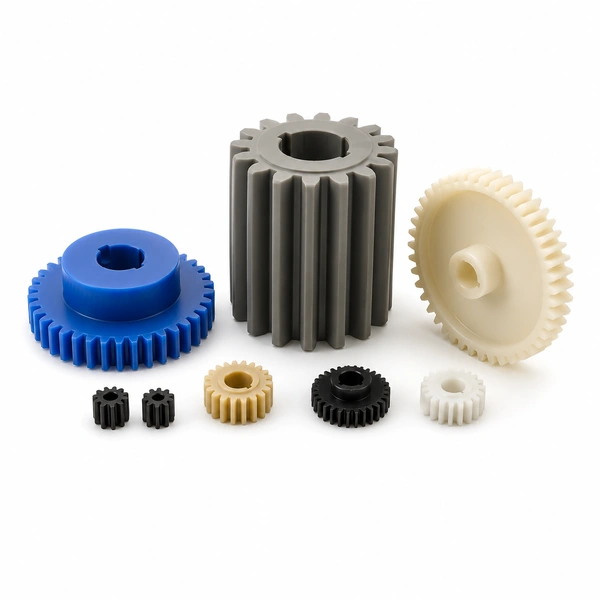
Custom Plastic Gears from Korea Ever-Power — Hangzhou plastic gear manufacturer. POM, MC Nylon, PA66, PEEK, UHMWPE. ISO9001, SGS, FDA, RoHS certified. Custom size, colour, material. 24hr quote.
Product Overview
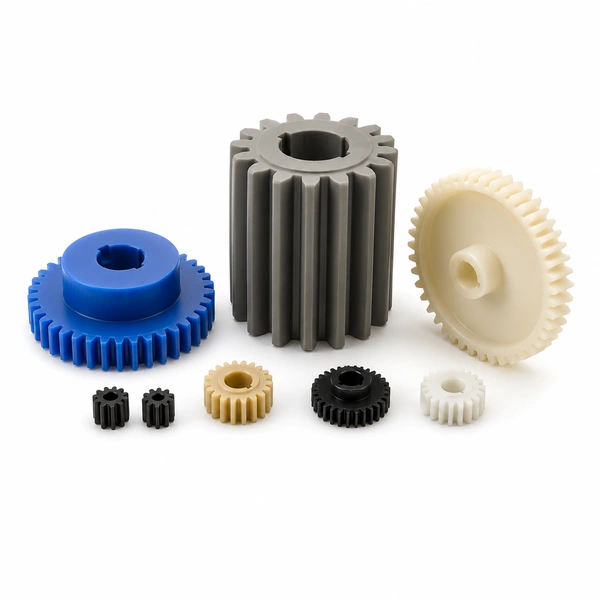
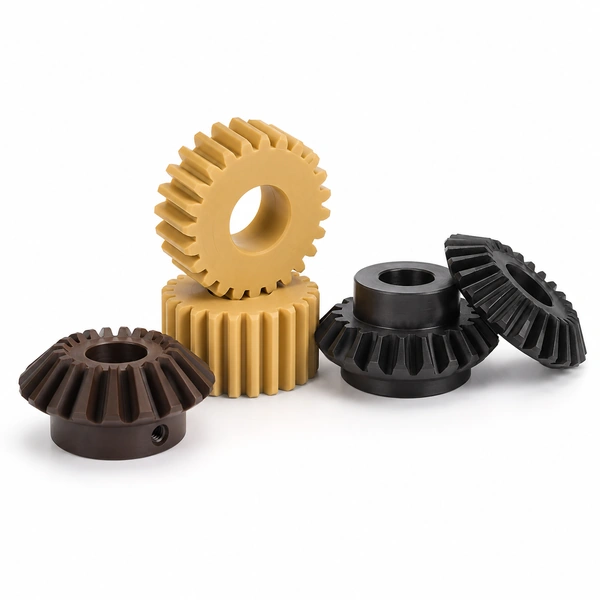
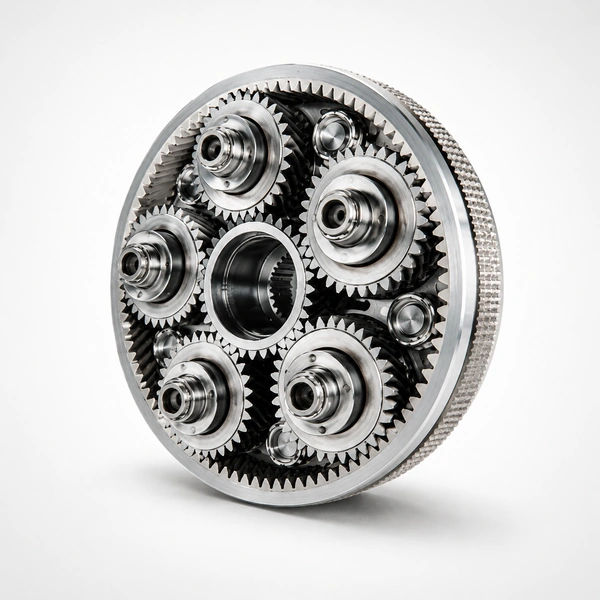
As the name suggests, plastic gears are made of plastic instead of metal. These include worm gears, spur gears, helical gears, pinion gears, bevel gears, and planetary gears. The material is typically POM (Polyoxymethylene / Duracon / Acetal) or MC Nylon (PA6 cast polyamide) — two engineering plastics whose combination of self-lubrication, corrosion resistance, low friction, and good formability makes them the dominant materials for plastic gear production worldwide. Korea Ever-Power's plastic gear programme covers all five major gear types in POM and Nylon, with custom module range M0.1–M2.0 for injection-moulded micro gears and up to M16 for CNC-machined large MC Nylon gears.
Korea Ever-Power's plastic gears can quickly be produced in various shapes, are relatively inexpensive, produce lower noise than metal gears, have a low friction coefficient for wear resistance, are lightweight, corrosion-resistant, and self-lubricating. Used extensively in power transmission and motion control systems across office automation, consumer electronics, medical equipment, food processing, and industrial machinery. Custom gears per client specification — handmade/machined before mould making so tests can be done first.
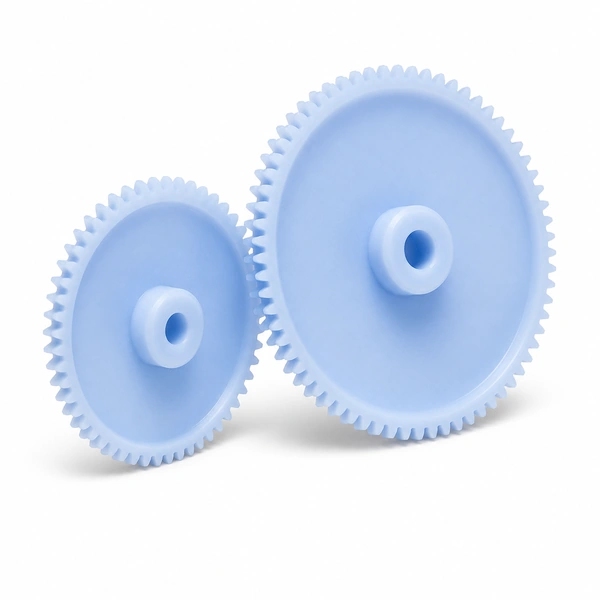
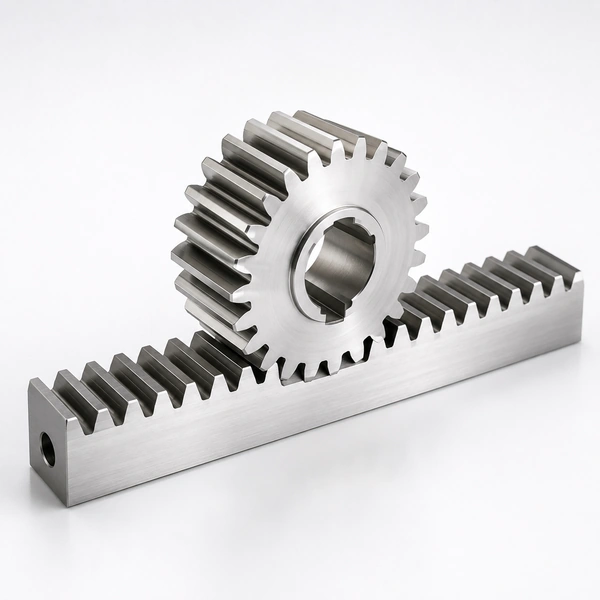
Spur Gears
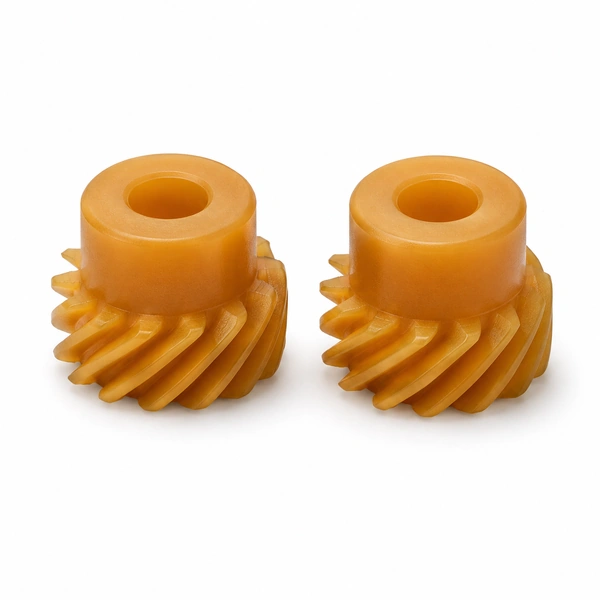
Helical Gears
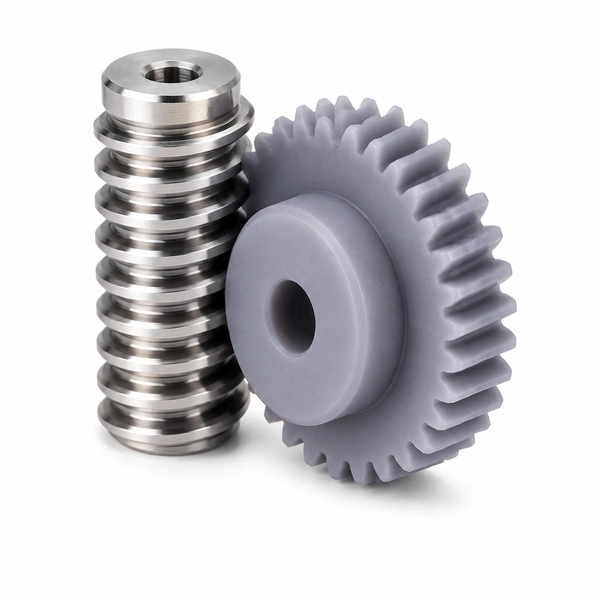
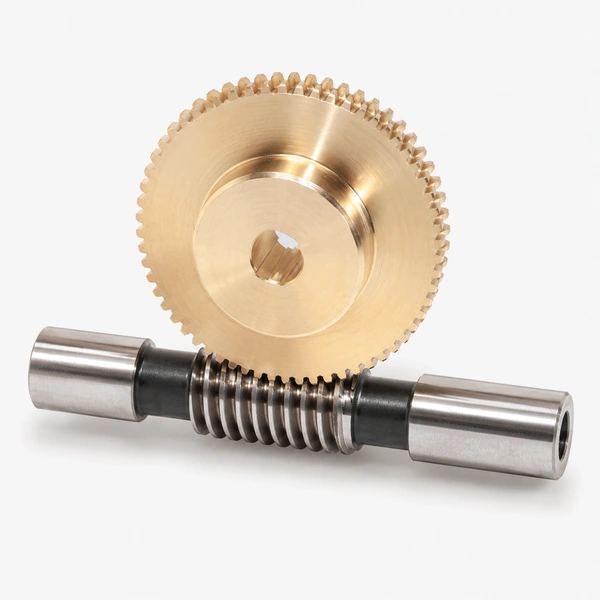
Worm Gears
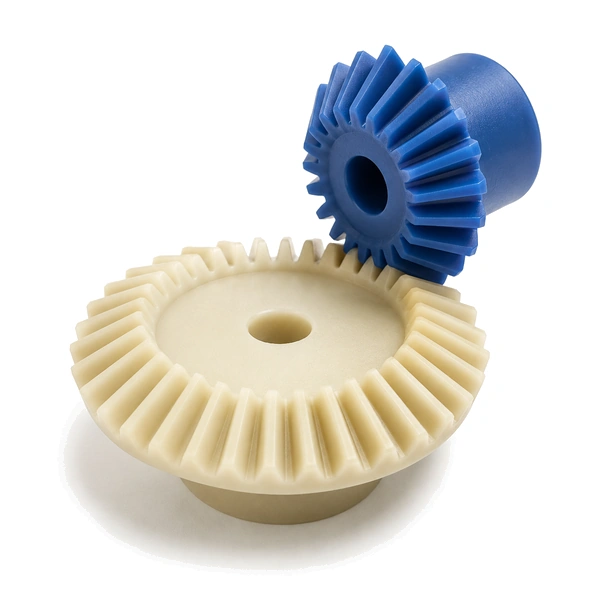
Bevel Gears
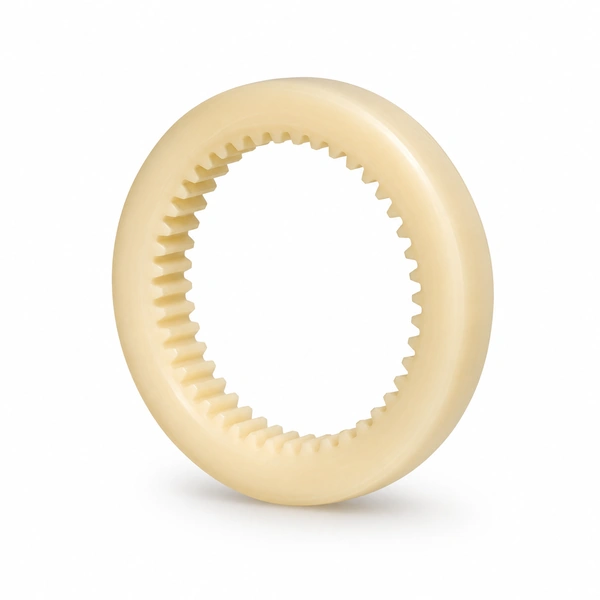
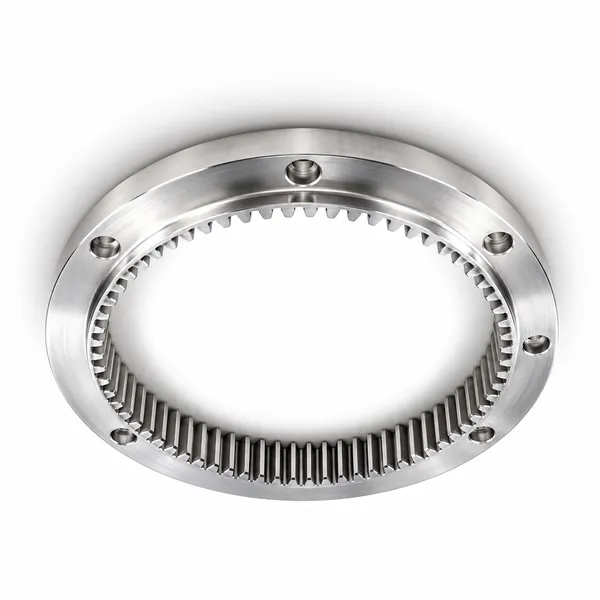
Internal Gears
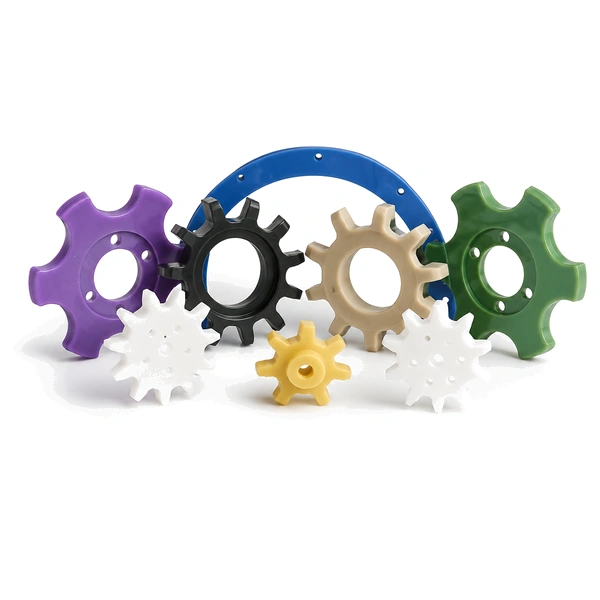
Custom All Types
Technical Specifications — Five Plastic Gear Types
| Type | Module | Material | Bore (mm) | OD (mm) | Face Width (mm) |
|---|---|---|---|---|---|
| Plastic Spur Gear | M0.1–M2.0 | POM / Nylon | Ø1.40–Ø3.05 flexible | Ø2.0–Ø100.0 flexible | 2.0–10.0 flexible |
| Plastic Helical Gear | M0.1–M2.0 | POM / Nylon | Ø1.40–Ø3.05 flexible | Ø10.0–Ø50.0 flexible | 2.0–10.0 flexible |
| Plastic Worm Gear | M0.2–M2.0 | POM / Nylon | Ø1.40–Ø1.90 | Ø4.0–Ø6.0 flexible | 6.0–10.0 flexible |
| Plastic Pinion Gear | M0.1–M2.0 | POM / Nylon | Ø1.40–Ø3.05 flexible | Ø2.0–Ø50.0 flexible | 2.0–10.0 flexible |
| Plastic Bevel Gear | M0.1–M2.0 | POM / Nylon | Ø1.40–Ø2.90 flexible | Ø3.0–Ø100.0 flexible | 4.0–20.0 flexible |
Plastic Gear Materials — POM vs MC Nylon
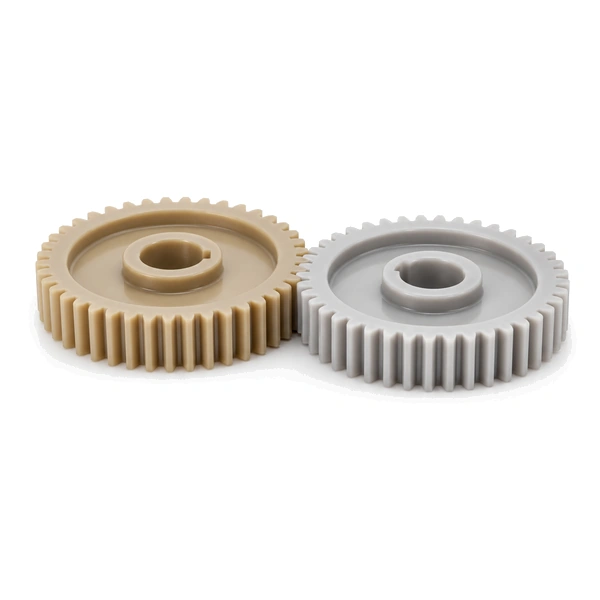
Most plastic gears today are made from either POM (also known by trade name Duracon, milky white colour) or MC Nylon (blue colour, polyamide PA6 resin). Understanding the differences is essential for correct material selection:
| Property | POM (Duracon / Acetal) | MC Nylon (PA6 cast) |
|---|---|---|
| Colour (typical) | Milky white / black | Natural (cream) / blue (oil grade) / green (oil grade) |
| Forming method | Injection moulding (into gear-shape die) | Casting (rod/disc/block) then CNC cutting |
| Best for size | Small gears, mass production | Large gears, small lot production |
| Water absorption | Very low (~0.2%) ✓ | Moderate (~2–3%) — absorbs ~10× more than POM |
| Dimensional stability | Excellent ✓ — better for humid environments | Good dry; changes with moisture |
| Bending strength | ~90 MPa | ~110 MPa (~1.2× POM) ✓ |
| Friction coefficient | Very low (μ ≈ 0.1) ✓ | Low (μ ≈ 0.2–0.3; oil grade lower) |
| Max temperature | ~90°C continuous | ~100°C continuous |
| Oil-containing grade | Not standard | Yes — green oil-containing MC Nylon ✓ |
| Best application | Office automation, precision instruments, humid environments | Heavy industrial drives, large star wheels, high-load gears |
Gear Fundamentals — How Plastic Gears Transmit Power
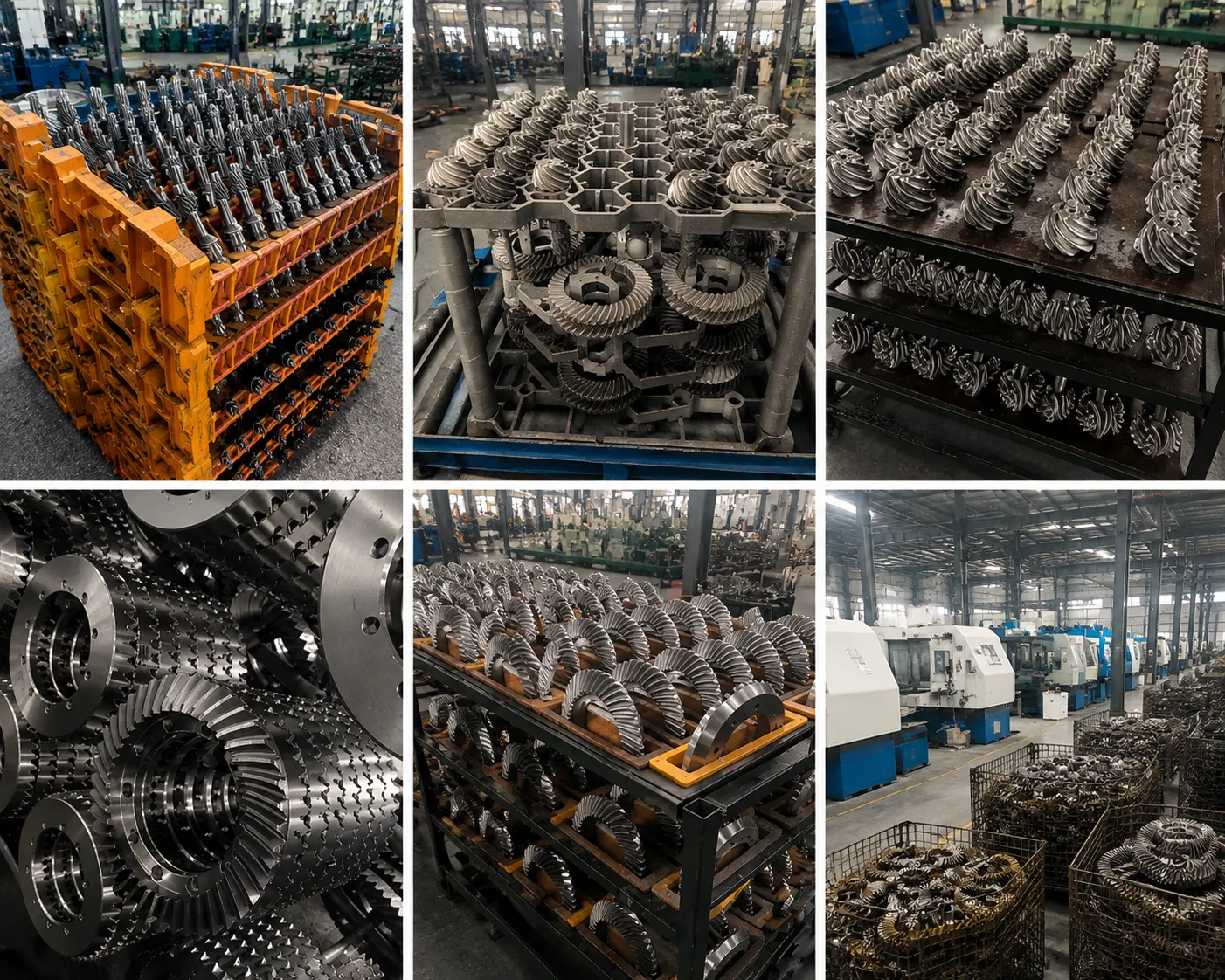
A gear is a toothed wheel designed to transmit force to another toothed component. Gears of differing sizes are used in pairs for mechanical advantage — the torque of the driving gear produces a larger torque in the driven gear at lower speed, or a smaller torque at higher speed, depending on the tooth count ratio. The fundamental gear law requires that the ratio of the angular velocities of two meshing gears equals the inverse ratio of their tooth counts: ω₁/ω₂ = Z₂/Z₁. Plastic gears obey this law exactly — like their metal counterparts — while adding the unique advantages of self-lubrication, corrosion resistance, lightweight, and low noise.
Speed and Torque Conversion
When a small driving gear (Z₁ teeth) meshes with a larger driven gear (Z₂ teeth), the speed ratio is Z₁:Z₂ — the output shaft rotates more slowly by the ratio Z₁/Z₂, while the output torque increases by Z₂/Z₁ (minus friction losses of typically 1–4% per mesh for plastic gears). This torque multiplication is the fundamental reason gears are used in power transmission — a small motor can drive a large load by using an appropriate gear ratio to reduce speed and multiply torque.
Lubrication of Plastic Gears
No lubricant is generally necessary for POM or MC Nylon plastic gears — these smooth, low-friction materials can run dry in clean environments. When lubrication is required at higher loads, only non-polar synthetic hydrocarbon oils should be used — not standard mineral oils for metal gears. Polar lubricants get into the plastic molecular chain structure, causing swelling (molecules of oil wedge between plastic molecules under pressure) and deterioration. Korea Ever-Power advises on correct lubrication selection for each plastic gear application.
Injection Moulding vs Cutting
POM plastic gears are formed by injection moulding — heated, melted resin is injected into a gear-shaped die at high pressure. This gives direct gear tooth form with minimal secondary machining, making it cost-effective for high-volume small gear production. Plastic has lower cure shrinkage than metal, enabling high dimensional accuracy directly from the mould. For large gears or small lots, MC Nylon is cast into blocks then cut on a CNC gear hobbing machine — like a metal gear but without heat treatment requirements.
Recommended Use Environment
Plastic gears are most suitable for drive systems in office automation equipment, loaders for electric goods, consumer electronics, and toys — where gear strength requirement is modest, noise must be low, and the self-lubricating, corrosion-resistant properties of plastic are advantageous. Plastic gears should not replace metal gears in high-torque, high-temperature, or shock-load applications where the higher strength and thermal stability of alloy steel gears are required. Korea Ever-Power helps customers select the correct gear material for each application.
Seven Advantages of Plastic Gears Over Metal
① Wide Shape Variety
Plastic gears can quickly be produced in various complex shapes that would require expensive multi-operation machining in metal. The injection moulding process fills the die completely — producing complex integrated features (boss, ribs, snap-fit clips) in a single operation at no extra cost. This gives plastic gears a far wider range of configurations than metal gears at equivalent production cost.
② Lower Cost
Plastic gears are relatively cheap — the injection moulding process produces finished gears directly from the die at low per-part cost at volume, without the secondary operations (hobbing, heat treatment, grinding) required for metal gears. The tooling investment for injection moulds is amortised over high production volumes, giving the lowest possible cost for mass-produced small gears.
③ Low Noise
Plastic gears produce lower noise than metal gears at the same speed and load — typically 5–15 dB(A) quieter. This noise reduction comes from two sources: the high internal damping of engineering plastics (which absorbs vibrational energy from tooth mesh impacts as heat rather than sound), and the lower elastic modulus of plastic (which smooths the load impulse during tooth engagement — the primary source of gear mesh noise).
④ Wear Resistance
Both POM and MC Nylon have low friction coefficients and good abrasion resistance in dry running conditions — making them resistant to wear and tear in the typical light-to-moderate duty cycles of office automation and consumer electronics applications. MC Nylon's oil-containing grade further reduces tooth flank wear by providing continuous boundary lubrication from the oil dispersed in the nylon matrix.
⑤ Lightweight
POM density: 1.41 g/cm³; MC Nylon: 1.15 g/cm³ — compared with steel at 7.85 g/cm³. A plastic gear is 5–7× lighter than the equivalent steel gear, reducing the inertia load on the motor and enabling faster acceleration/deceleration in servo-controlled drive systems. This weight reduction is particularly valuable in portable devices, robotic end-effectors, and aerospace applications where every gram matters.
⑥ Corrosion Resistance
Plastic gears are completely immune to rust and unaffected by most acids, alkalis, and salt solutions that corrode carbon steel gears. This makes plastic gears the preferred choice for food processing equipment (washed with acidic or alkaline cleaning agents), marine environment applications (salt spray), and chemical industry machinery (corrosive fluid contact). No surface coating or plating is required to maintain corrosion resistance — it is inherent in the material.
⑦ Self-Lubrication
POM and Nylon plastic gears are inherently self-lubricating — they can run dry without grease or oil in light-to-moderate duty applications, eliminating the lubrication maintenance requirement that metal gears impose. No oil bath or grease filling is needed, making plastic gears suitable for clean environments including food contact, medical equipment, and sealed mechanisms where access for re-greasing is not possible.
Applications
Office Automation
Laser printers, copiers, scanners, fax machines — POM spur and helical gears in paper feed, registration, and output drives where self-lubrication, noise reduction, and dimensional precision over millions of cycles are essential. The Delrin 500P example: M0.7 double gear (24T + 52T), 6.47 g, for printer multifunction drives.
Consumer Electronics
Digital cameras (zoom lens drive), CD/DVD drives (disc tray and reading mechanism), IP cameras (pan/tilt drive gear M0.6, 16T D-hole helical POM gear). Plastic gears meet requirements for miniature size (M0.1–M0.5), low noise in quiet home environments, and the lightweight construction essential in portable devices.
Medical Equipment
Stepper motor drive gears for infusion pump mechanisms, laboratory analyser sample positioning drives, and diagnostic equipment. Medical plastic gears require biocompatible materials (POM is FDA-listed), freedom from metallic contamination (no lubrication needed), and consistent batch-to-batch dimensional accuracy for repeatable dosing or positioning.
Vending Machines and Food Equipment
Plastic gears in vending machine dispensing mechanisms, coffee grinders, food processors, and household appliances. The corrosion resistance and food-contact safety of POM gears make them suitable for these environments — no metallic contamination risk from gear wear, no lubricant contamination of food products, and easy cleaning with food-safe detergents.
Toys and Consumer Products
ABS and Nylon gears in battery-powered toys, RC vehicles, and educational robots. Plastic gears in toys must meet stringent safety standards (no sharp edges, no heavy metals, no toxic materials) that are inherently satisfied by engineering plastic materials. The low per-part cost of injection-moulded gears makes them the natural choice at toy industry price points and production volumes of millions per year.
Watches and Precision Instruments
Fine-pitch POM gears (M0.1–M0.3) in mechanical watch movement components, timer drives, and precision counting mechanisms. At these very small module sizes, plastic's low density and good mouldability allow tooth forms that would be impractical to machine in metal at equivalent cost. The long-term dimensional stability of POM in constant-temperature indoor environments matches the stability requirements of precision timekeeping mechanisms.
Frequently Asked Questions
Should I choose POM or MC Nylon for my plastic gear?
Choose POM when: the gear is small (injection-mouldable), the environment is humid or wet (POM absorbs only 0.2% water vs MC Nylon's 2–3%), and dimensional precision over a range of moisture conditions is critical. Choose MC Nylon when: the gear is large (economically cut from cast MC Nylon block), high load or bending strength is required (MC Nylon is ~1.2× stronger than POM), or the oil-containing grade is needed for self-lubricating heavy-duty service. Korea Ever-Power's engineering team will confirm the best material for your specific operating conditions.
Can I test a gear prototype before committing to mould tooling?
Yes — Korea Ever-Power provides handmade / machined custom gears so tests can be done before mould making. A single CNC-machined gear from POM or Nylon stock can be produced in days for functional testing in the application before the mould tooling investment is committed. This protects the customer from expensive mould rework if the tooth count, module, or face width needs adjustment after functional testing.
Do plastic gears require lubrication?
Generally no — POM and MC Nylon plastic gears are self-lubricating and can run dry in clean environments at light-to-moderate loads. Where lubrication is required (higher loads, higher speeds), only non-polar synthetic hydrocarbon oils should be used. Standard petroleum oils containing polar additives must not be used — they cause swelling and deterioration of the plastic molecular chain under the pressure of gear tooth contact. Contact Korea Ever-Power for lubrication advice for your specific application.
Customer Reviews
"We manufacture precision label printers and use POM spur gears from Korea Ever-Power in our paper feed and registration mechanisms. Module M0.5, Delrin 500P, 24T and 52T double gear set — 6.5 g per piece. Dimensional inspection: tooth thickness ±0.008 mm across 50 pcs from one mould run. Noise at 30 cm: 28 dB(A) — 9 dB lower than the metal gears previously used. Over 3 million feed cycles completed on life test without measurable wear increase."
Kim Jun-seo | Printer Mechanism Design Engineer, Incheon Digital Printing Systems Co. · Q1 2026
"We produce IP camera pan/tilt heads and source POM M0.6 D-hole helical gears (16T, 0.95 g) from Korea Ever-Power. Tested prototype gear 2 days after sending drawing — confirmed fit and backlash before mould commitment. Mould production: 18 days. Production batch of 5,000 pcs: zero visual defects on 100% inspection, no short-shots, consistent shot weight 0.96 g ±0.01 g. Camera noise at full pan speed reduced to below ambient room level."
Lee Hyun-ji | Camera Module Design Engineer, Gyeonggi Security Systems Co. · Q4 2025
Related Products
Request a Quotation for Plastic Gears
POM (Duracon) and MC Nylon. M0.1–M2.0 injection; up to M16 machined. Spur, helical, worm, bevel, pinion. Prototype before mould — tests before tooling commitment. Custom per drawing or sample.
Additional information
| Editor |
|---|
Related products
-
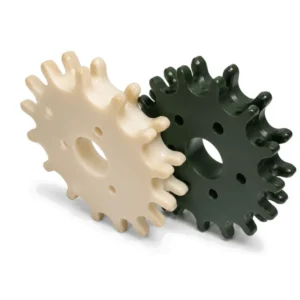
Custom Machined Pom Plastic Sprocket Gear Wheel As Your Drawing
-
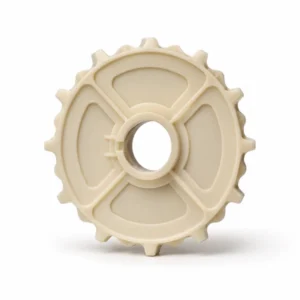
White CNC Machining Delrin Star Wheel Pom Big Star Wheel Plastic Gear
-
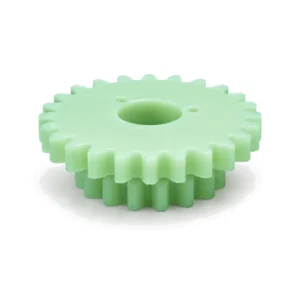
Customized High Precision Hobbing Nylon Gear Plastic Gears
-
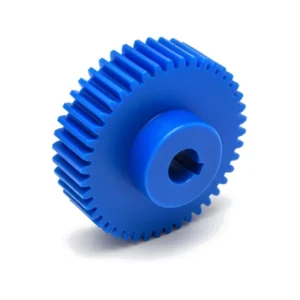
High Precision CNC Machine Nylon Plastic Gear for Transmission
-
Plastic Components on Conveyors and Machinery Pom Black Star Wheel
-

Low Noise Oil Casting Mc Nylon Star Wheel CNC
-
Manufacturer’s Customization Plastic Gears
-
injection Plastic Parts customization
 English
  Italian
  Korean
  French
  Japanese