
Spur Gear Rack | Straight Tooth Rack and Pinion, M1-M32, OEM Supply
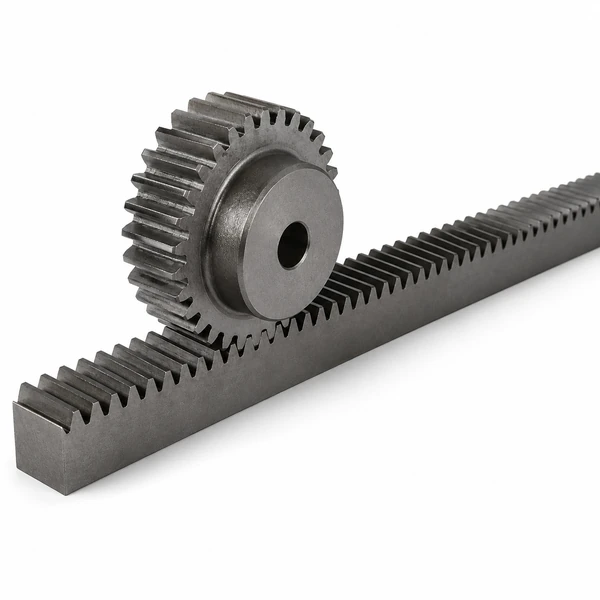
The spur gear rack is the most widely used linear drive component in industrial machinery — a straight bar with teeth cut parallel to the bar axis, meshing with a standard spur pinion to convert rotary motion into unlimited-stroke linear displacement. Ever-Power spur gear racks are available in modules M1 through M32 in carbon steel 45#, alloy steels 40Cr and 42CrMo, stainless steel 304/316, aluminium, brass, and engineering plastics, with DIN7 to DIN9 precision and teeth hardened, milled, or ground to your specification. Sections up to 2,000 mm with precision half-tooth machined ends for continuous long-travel drives. ISO 9001:2015 certified — material certificate and dimensional report with every order.
Spur Gear Rack — Product Overview
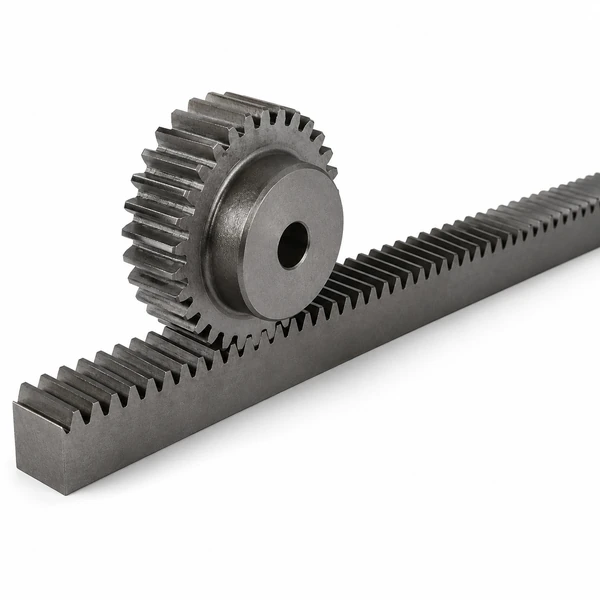
Ever-Power spur gear racks are straight-tooth linear bars designed to mesh with standard spur gears. The teeth run parallel to the bar axis — the tooth axis is perpendicular to the direction of rack travel — which is why this tooth form is called straight or spur. This geometry produces a full-width tooth contact at each mesh event, giving a direct, stiff drive feel at the cost of higher vibration and noise compared with helical racks at the same speed. For low to moderate speeds — typically below 3 m/s pitch-line velocity — the spur rack is the default choice for industrial linear drives because its simplicity, low cost, and wide availability of matching spur pinions make it the most economical solution in its speed and load range.
Spur gear racks are the linear counterpart of a spur gear. Geometrically, a spur rack is a spur gear whose pitch circle has been unwrapped to infinite radius — a flat line. Every property of spur gear mesh applies directly: the same module and pressure angle govern tooth size and contact geometry; the same material and heat treatment choices govern load capacity and wear life; the same mounting distance and backlash rules apply to the rack-pinion assembly. Engineers familiar with spur gear design can size a spur rack drive with the same calculations, making system integration straightforward.
Technical Specifications
| Parameter | Standard Range / Options |
|---|---|
| Module | M1 through M32 standard; non-standard modules per drawing |
| Precision Grade | DIN7, DIN8, DIN9 standard; DIN5, DIN6 for ground precision racks |
| Pressure Angle | 20° standard; 14.5° on request |
| Length per Section | Up to 2,000 mm; half-tooth machined ends for butted long-travel drives |
| Cross-Section | Rectangular flat; round bar; custom profile per drawing |
| Material — Steel | 45# carbon steel, 40Cr, 42CrMo, 20CrMnTi alloy steel |
| Material — Stainless | 304, 316, 316L stainless steel |
| Material — Non-Metal | Aluminium 6061, brass, bronze, POM acetal, nylon PA66, polycarbonate |
| Material — Cast Iron | Grey cast iron, ductile iron — for low-speed, high-vibration applications |
| Heat Treatment | Induction hardening (HRC 48-55), carburising and quenching (HRC 58-62), through-hardening, normalising, nitriding |
| Tooth Treatment | Milled (standard), hobbed, profile ground (DIN5-6 precision) |
| Surface Treatment | Black oxide, zinc plating, hot-dip galvanizing, hard chrome, phosphating, powder coating, passivation |
| Standards | DIN 867, JIS B 1702, AGMA 2000, GB/T; ANSI, BS and non-standard per drawing |
| Certification | ISO 9001:2015; material certificate and dimensional inspection report with every order |
How Spur Gear Rack Works
A spur gear rack converts between rotary and linear motion through direct tooth engagement. The spur pinion — a standard cylindrical gear — rotates on a fixed shaft. Each tooth on the pinion pushes against a rack tooth as it passes through the mesh zone, advancing the rack by exactly one pitch per tooth. The linear speed of the rack equals the pinion pitch-circle circumference multiplied by the pinion rotational speed in revolutions per second.
Two configurations define how the drive is used in practice. When the rack is stationary and the pinion travels — the pinion motor unit rides along the rack — the arrangement is used in CNC gantries, crane travel drives, and rack-and-pinion railways where the driven machine traverses an unlimited-length path. When the pinion is fixed and the rack is the moving element, the arrangement is used in presses, extrusion pushers, elevator cages, and linear actuators where the rack stroke defines the working travel.
Spur Rack vs Ball Screw
Spur racks are more cost-effective than ball screws for strokes above 2 m, forces above 5 kN, or speeds above 1 m/s. Ball screws offer lower backlash and higher accuracy at short strokes. For most industrial material-handling and gantry applications, the spur rack is the practical choice. Ground precision racks with twin-pinion anti-backlash arrangements close the accuracy gap for servo-driven positioning applications.
Spur Rack vs Helical Rack
A helical rack is quieter and can carry more load at the same module, but requires a matching helical pinion and produces axial thrust on the pinion shaft. A spur rack uses a standard spur pinion, generates no axial thrust, and is less expensive. For speeds below 3 m/s where noise is not a constraint, the spur rack is the correct choice. Above 3 m/s or in noise-sensitive applications, specify a helical rack.
Spur Rack vs Worm Gear
Worm gears achieve high reduction ratios in a compact package and are self-locking under gravity on vertical axes. Rack and pinion drives are far more efficient (95% vs 40-70% for worm) and allow unlimited travel length. For horizontal drives or vertical drives with a motor brake, rack and pinion outperforms worm gear on efficiency and cost at the same power level.
Material Options
| Material | Properties and Best Application |
|---|---|
| Aluminium | Lightweight, good corrosion resistance, good electrical and thermal conductivity. One-third the density of steel; used where rack weight is a structural constraint. Lower load capacity than steel at the same module. |
| Brass | Good strength, corrosion resistance, low magnetic permeability, inherent lubricity. Used in instrument drives, medical equipment, and environments where ferrous contamination is unacceptable. |
| Bronze | Copper-base alloy with excellent bearing properties. Used in marine and high-load bronze rack drives where the pinion material is steel — the softer bronze rack sacrifices itself preferentially, protecting the harder pinion. |
| Cast Iron | Durable, good vibration damping, low cost for large sections. Used in heavy machine tool tables and press beds at low operating speed where the vibration absorption of cast iron is more valuable than its lower tensile strength. |
| Carbon / Alloy Steel | Most common material for spur gear racks. C45 for general-purpose drives; 40Cr and 42CrMo for higher loads; 20CrMnTi for carburized precision racks. Requires surface protection against corrosion in outdoor or wet applications. |
| Hardened Steel | Induction hardening gives HRC 48-55 at the tooth surface with a tough core. Carburising gives HRC 58-62. Hard tooth surfaces resist abrasive wear in contaminated lubricant environments. Required for high-cycle duty above 1,000 operating hours per year. |
| Stainless Steel | Corrosion resistant; suitable for food processing, pharmaceutical, and marine applications. 316 grade for chloride-rich environments. Not hardenable to the same degree as carbon steel; tensile strength lower for the same module. |
| Acetal (POM / Delrin) | Inherently self-lubricating; low moisture absorption; dimensionally stable. Good for quiet, lubrication-free light-duty drives. Stiffer than nylon; preferred where dimensional accuracy of the rack at humid conditions matters. |
| Nylon (PA66) | Self-lubricating, tough, absorbs shock. Slightly lower dimensional stability than POM in humid conditions due to moisture uptake. Used in low-noise consumer and light industrial rack drives. |
| Polycarbonate | Extremely tough; can be machined to close tolerances; transparent. Used where visual inspection of tooth engagement is required, or in very light-duty instrument mechanisms. Requires lubrication. |
Applications of Spur Gear Racks
🔩 Lifting Mechanisms
Construction hoists, scissor lift tables, and industrial jacking systems use spur racks for their vertical motion axis. The rack carries the full load in bending along its tooth section — M6 to M10 in hardened alloy steel covers load capacities from 5 kN to over 100 kN per pinion engagement depending on face width and material grade.
← Horizontal Transport
Conveyor transfer stations, transfer cars, and pallet transport systems use spur racks for long-travel horizontal indexing. Rack sections are butted end-to-end to span full warehouse or factory floor lengths without the deflection limit of ball screws. Module M3-M6 in C45 with black oxide covers most medium-duty conveyor applications.
🏃 Sliding Gates and Doors
Automated sliding gates for residential, commercial, and industrial premises use M4-M6 spur racks attached to the gate leaf with the motor-pinion unit fixed to the gate post. Nylon-coated or galvanized steel racks resist outdoor weathering; POM racks are used where gate weight allows a plastic rack and quiet operation is required.
🚛 Steering Systems
Vehicle steering racks convert the rotary motion of the steering column pinion into the lateral displacement needed to pivot the front wheels. The compact round-rack variant is used in most passenger cars; heavier rectangular racks are used in trucks and buses where the steering force is higher and the rack housing must be stiffer.
🛢 Rack Railways
Mountain rack railways use a central toothed rail between the running rails. When the locomotive approaches a gradient too steep for friction drive alone, a pinion on the locomotive engages the rack and the train is propelled by positive tooth engagement — it cannot slip backward. Heavy-module cast steel or alloy steel racks are used for this application.
🔩 Positioning and Machine Tools
Flame cutting machines, engraving machines, woodworking machinery, and large-bed CNC mills use spur racks for their axis drives. Accuracy requirements at these lower speeds are met by DIN7-8 milled racks; more demanding applications use ground precision racks with closed-loop servo control to achieve repeatability below 0.05 mm per axis.
Manufacturing Process
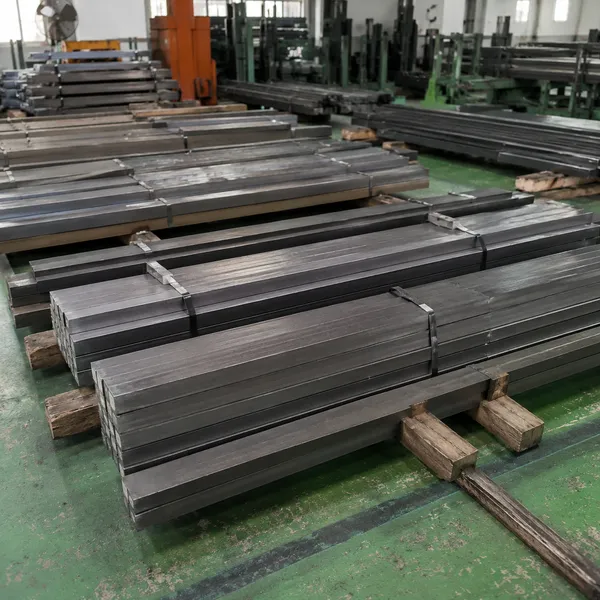
Step 1 — Raw Material
Raw material bar stock verified by spectrochemical analysis before production.
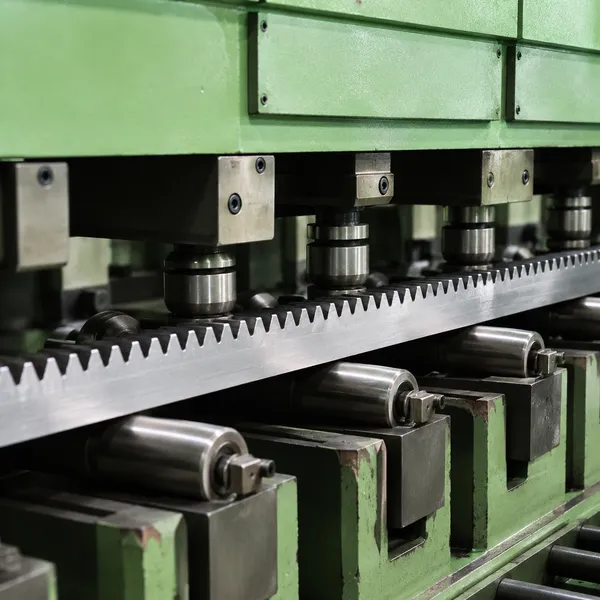
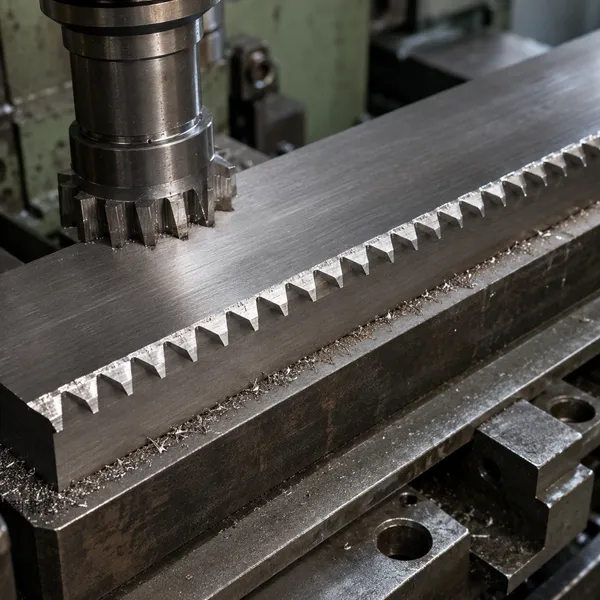
Step 2 — Tooth Cutting
Teeth cut on CNC rack milling or hobbing machine to specified module and pressure angle.
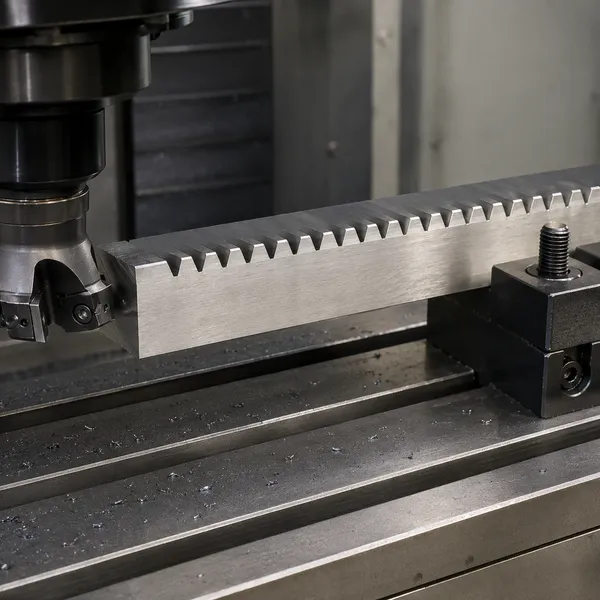
Step 3 — Deburring
Tooth-end burrs removed and edges chamfered to prevent handling damage and sharp corners.
Step 4 — Straightening / HT
Pressure straightening after tooth cutting; induction hardening or carburising where specified.
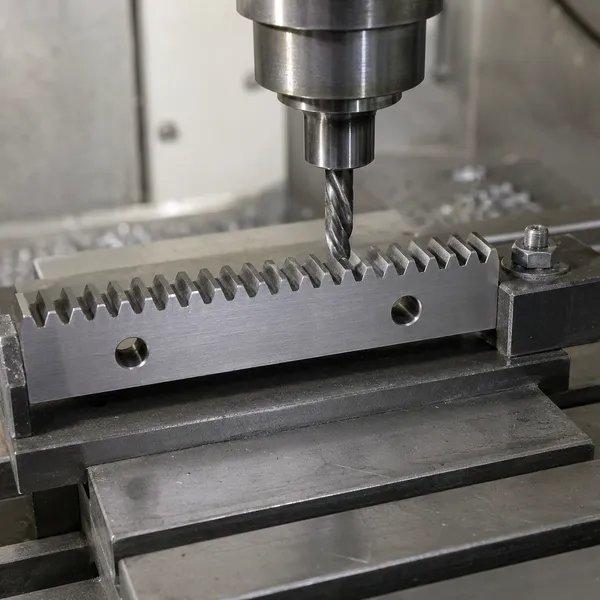
Step 5 — End Machining
End faces and mounting holes machined in CNC machining centre to drawing specification.
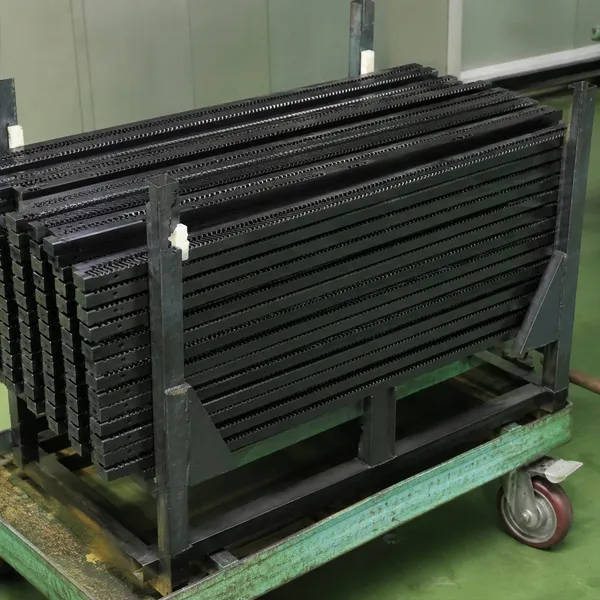
Step 6 — Surface Treatment
Black oxide, zinc plating, phosphating, or hard chrome applied per customer specification.
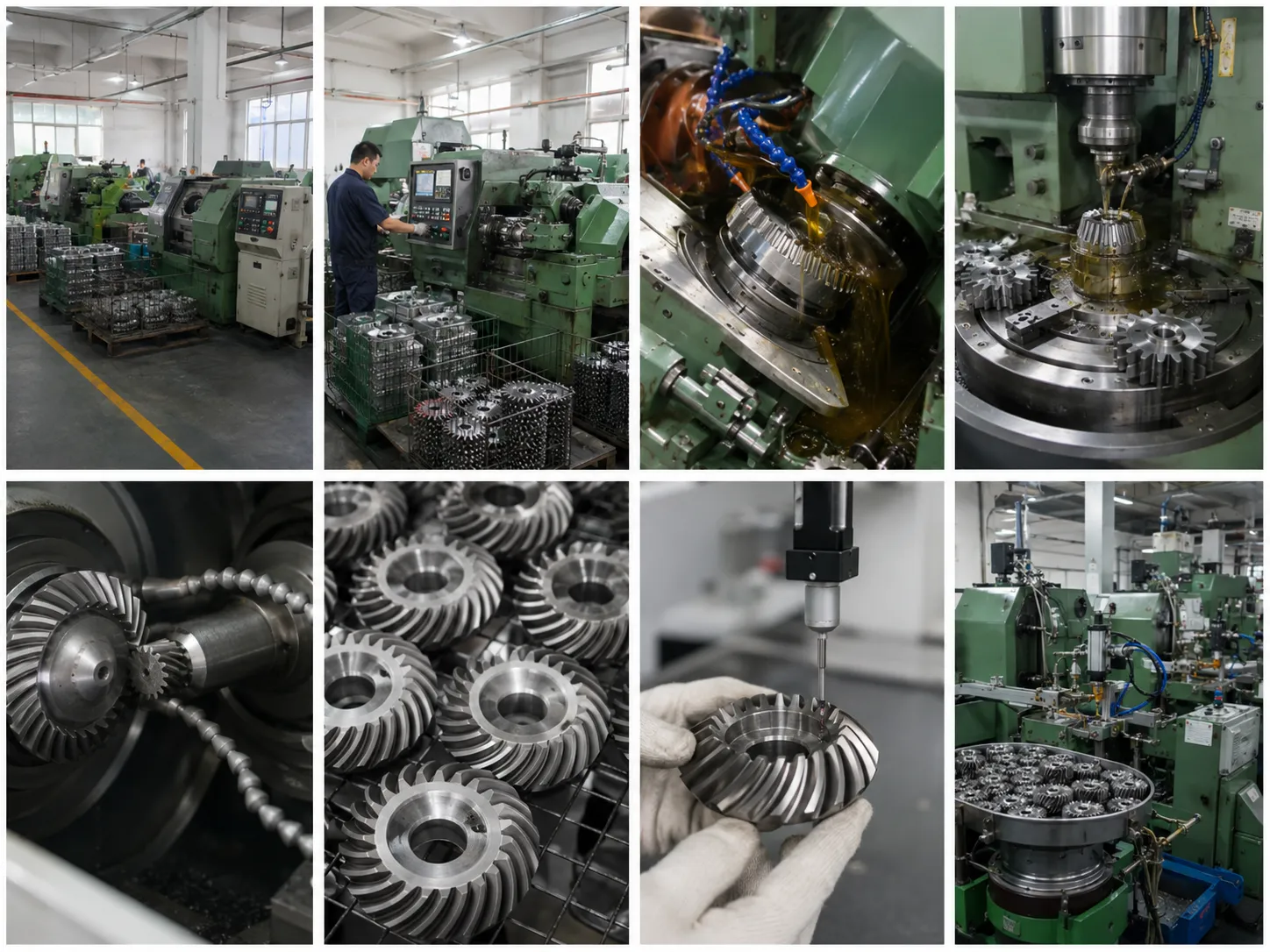
Key Production Equipment
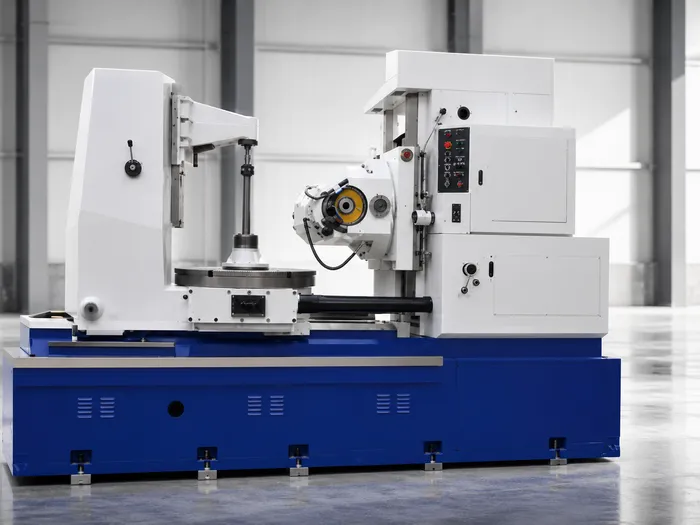
Gear Hobbing Machine
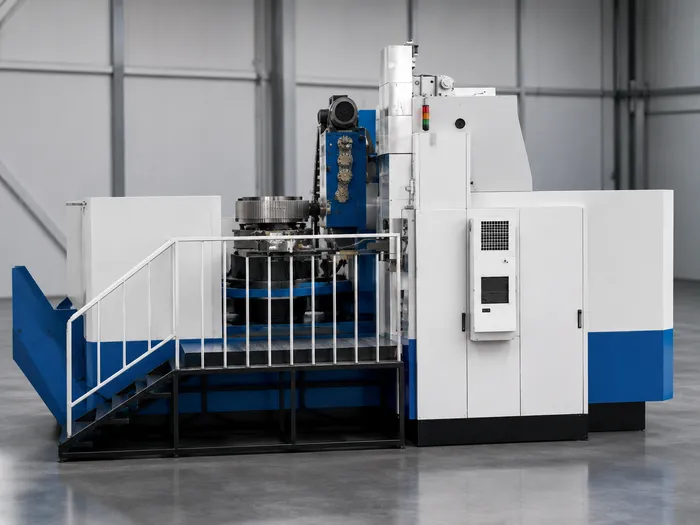
Gear Milling Machine
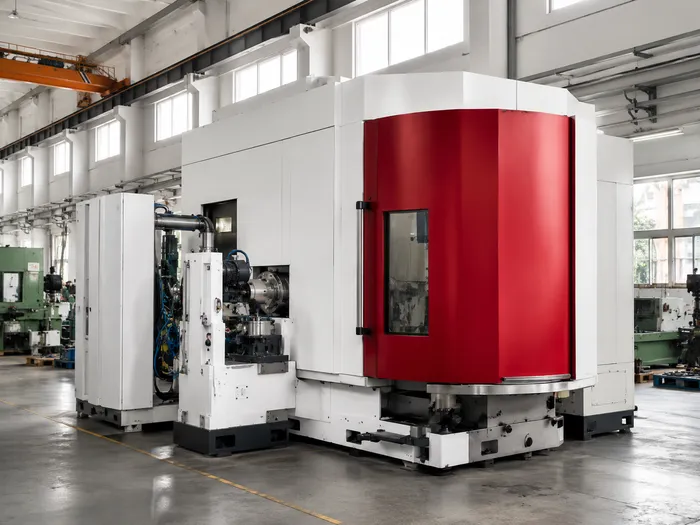
CNC Gear Grinding Machine
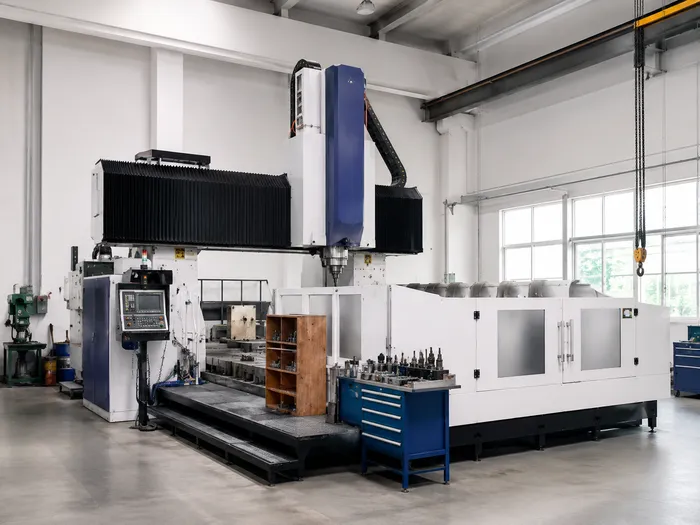
Gantry CNC Machining Centre
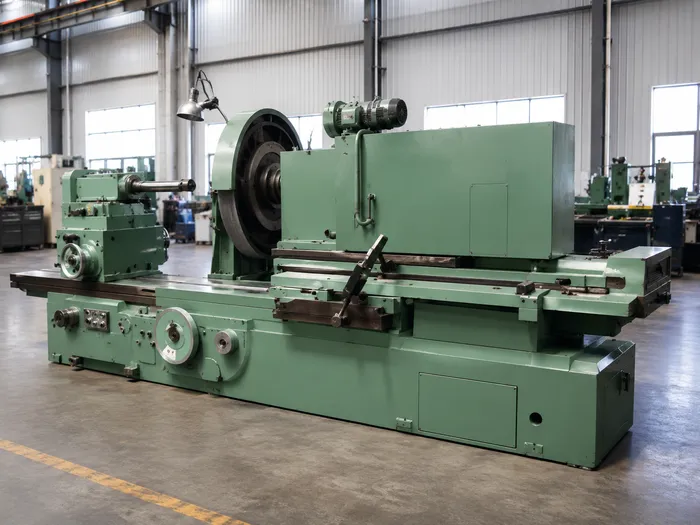
Internal Grinding Machine
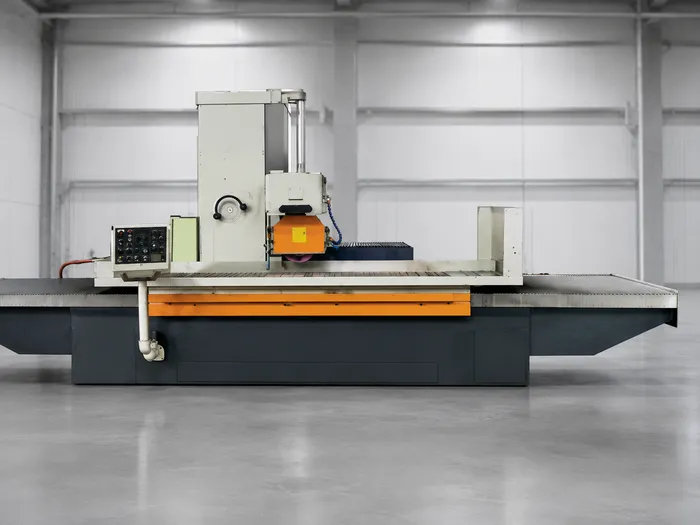
Planer Grinding and Turning
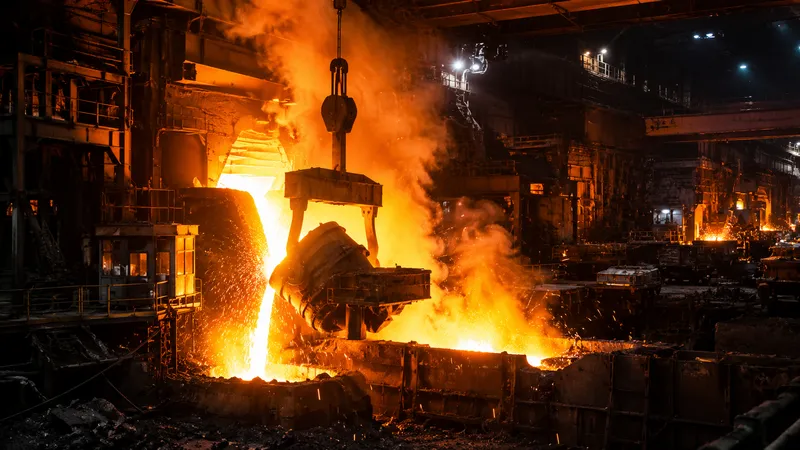
Applications by Industry







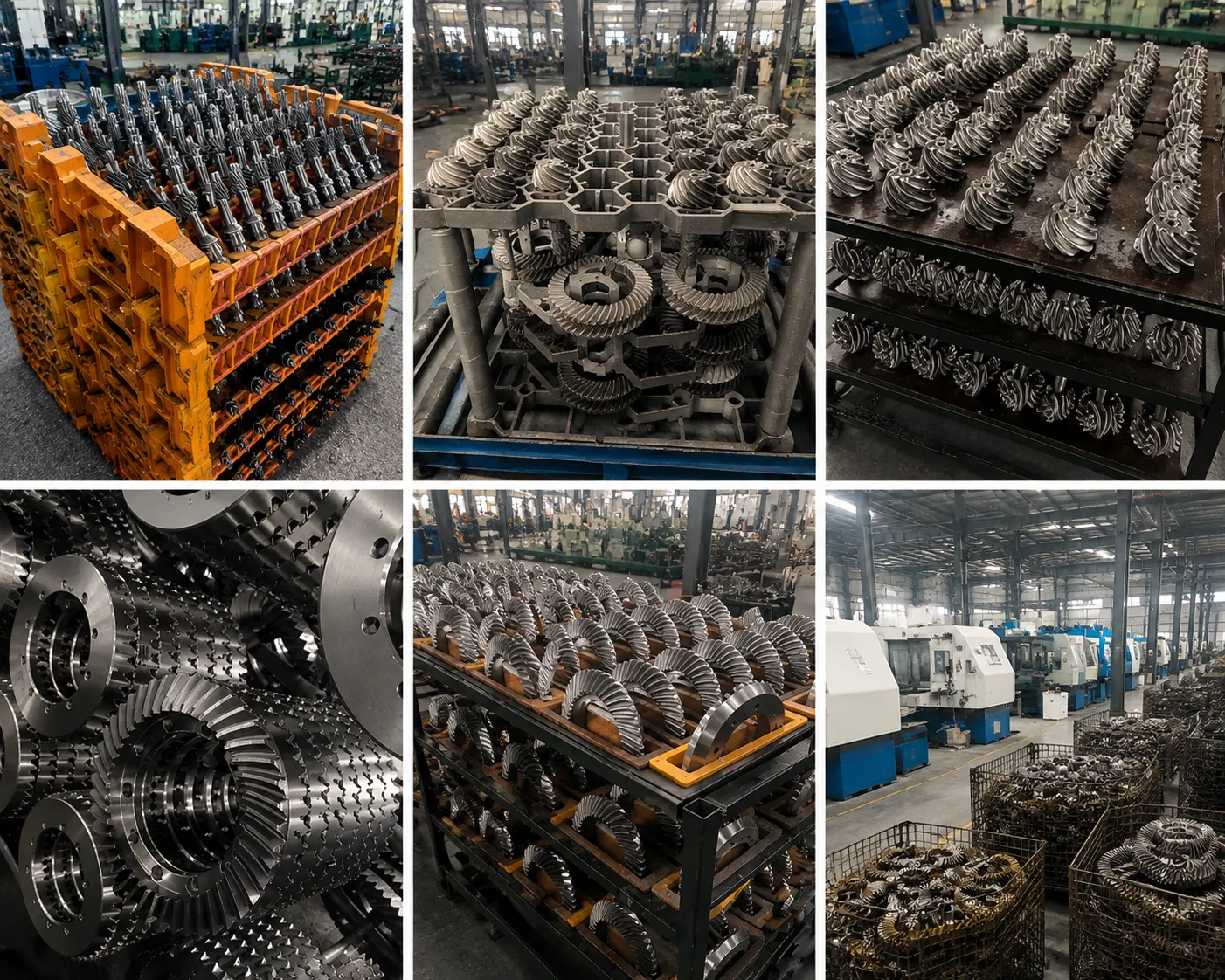
Quality Assurance and Manufacturing
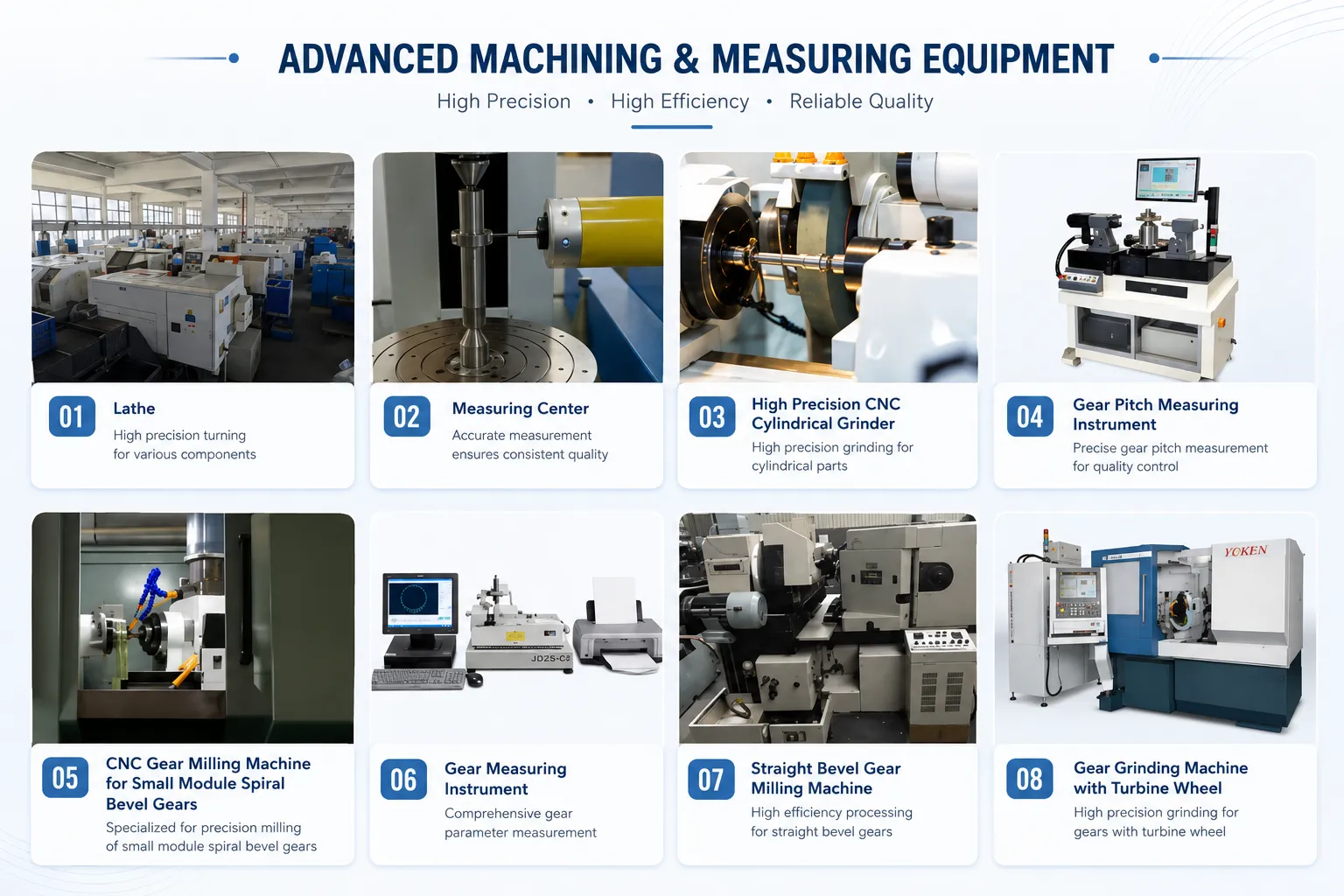
Precision Measurement Equipment
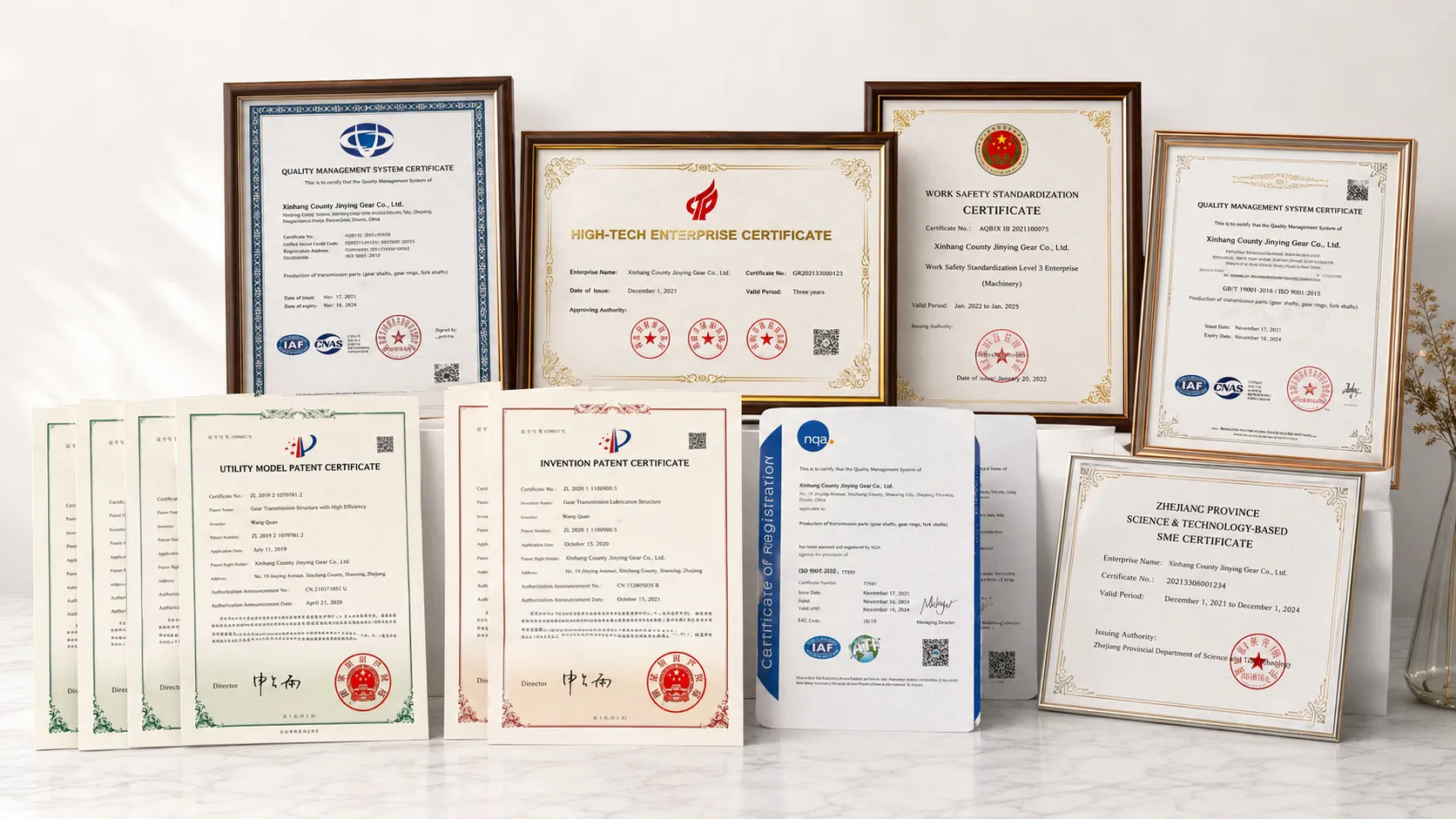
ISO 9001:2015 and Quality Certificates
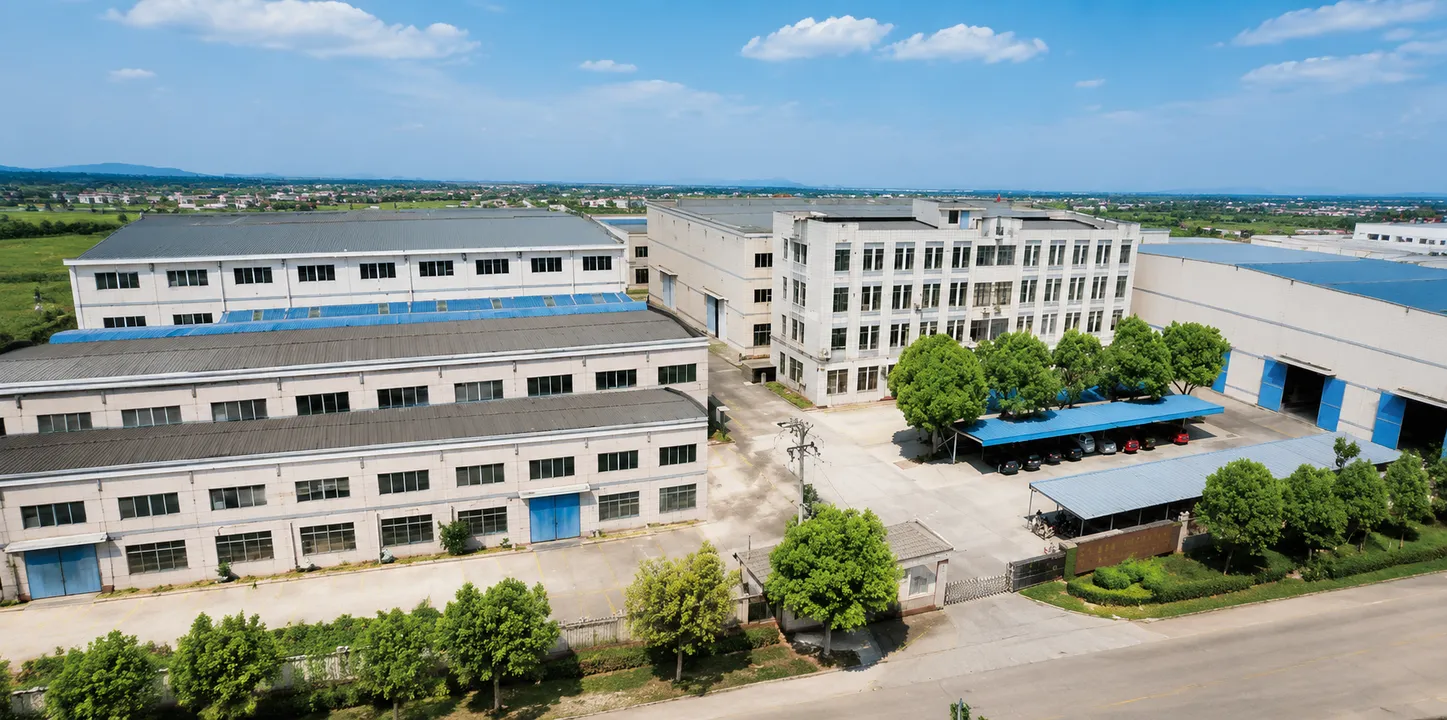
Ever-Power is a professional gear rack manufacturer operating 30 fully automatic precision CNC rack milling lines producing modules M1 through M32 in straight and helical profiles. ISO 9001:2015 quality management covers incoming material verification, in-process tooth-cutting monitoring, heat treatment parameter recording, and outgoing dimensional and hardness inspection. Every spur gear rack order ships with material certificate, heat treatment record, and dimensional inspection report. Products are exported to customers in Western Europe, the Middle East, Southeast Asia, North America, and other regions.
Browse the full product range on the Ever-Power main site: all gear racks, spur gears, helical gears, bevel gears, planetary gear sets, worm gear wheels, ring gears, and plastic gears.
Related Gear Products
Ever-Power manufactures the complete range of industrial gear types alongside gear racks. If your drive system requires matched pinions, reduction gears, or associated gear types, the following product families are available from the same source.
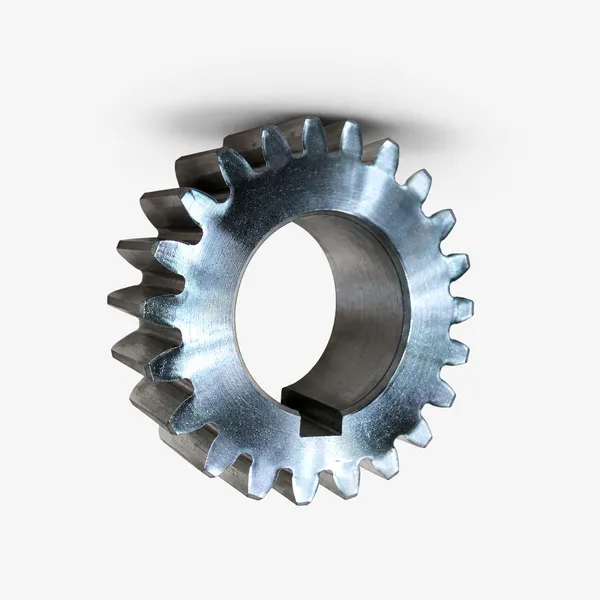
Spur Gears
Pinion gears matching our spur gear rack range; standard modules m0.5 to m20.
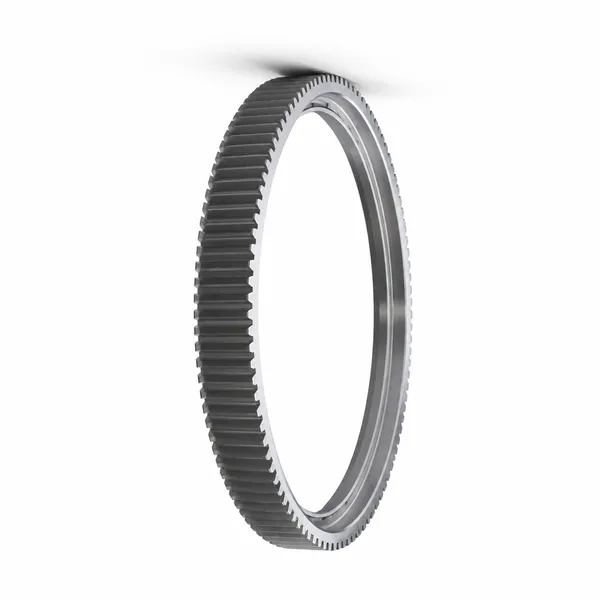
Ring Gears
Large-diameter internal or external ring gears for rotary and slewing drives.
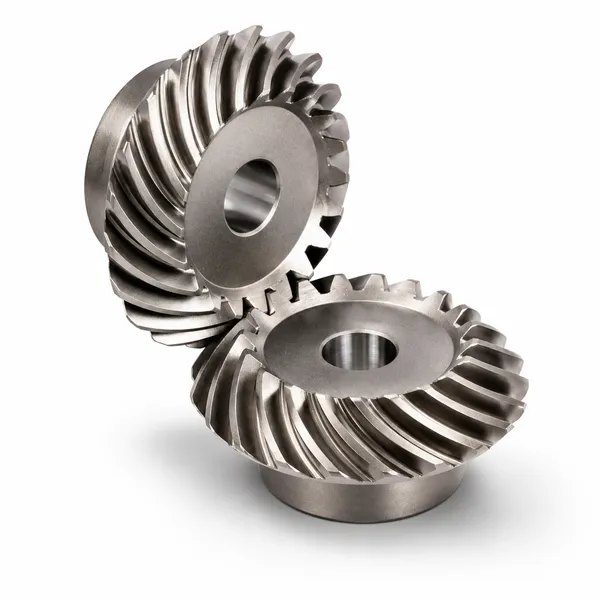
Bevel Gears
Straight and spiral bevel gears for right-angle drives and gear motor input stages.
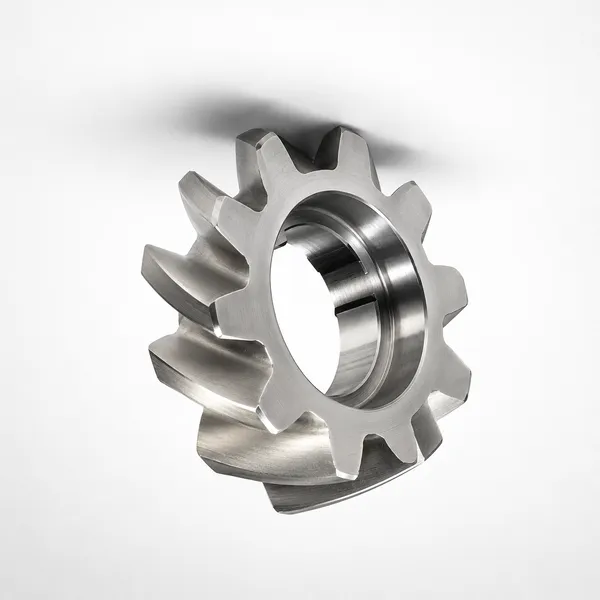
Helical Gears
Helical pinions for high-speed, low-noise rack drives and reduction stages.
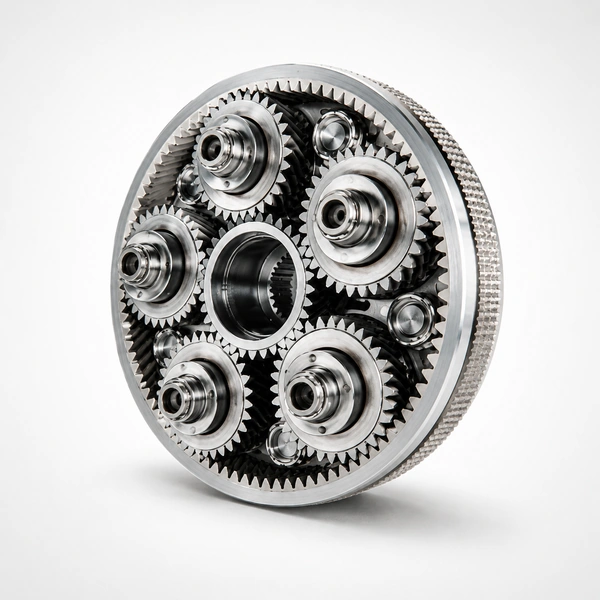
Planetary Gear Sets
Compact in-line reducers paired to servo motors; output shaft connects to the rack pinion.
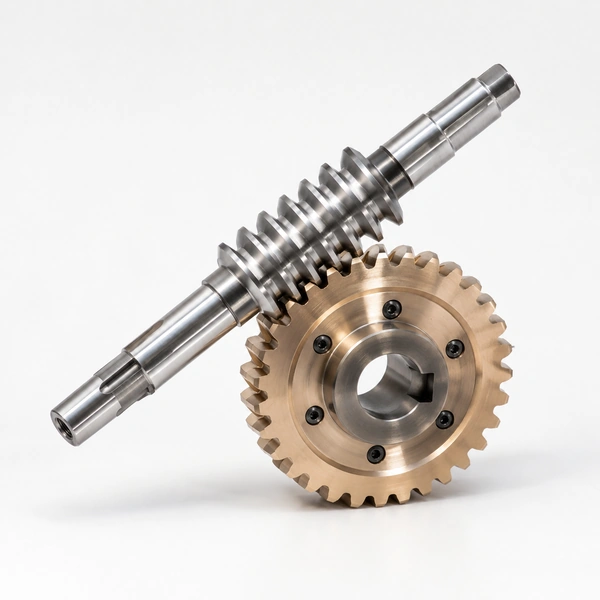
Worm Gear Wheels
Self-locking worm reducers for vertical rack axes holding position under gravity load.
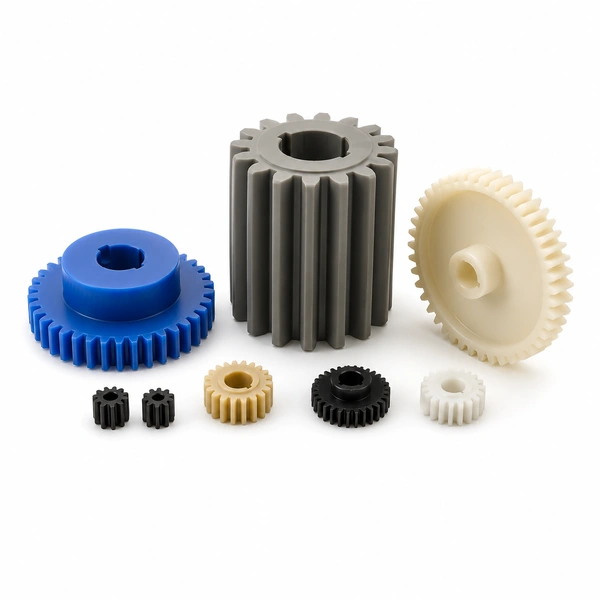
Plastic Gears
Nylon, POM, and polycarbonate pinion gears for light-duty, lubrication-free rack drives.
Frequently Asked Questions
What is the difference between a spur gear rack and a helical gear rack?
A spur gear rack has teeth parallel to the bar axis — each tooth engages the pinion simultaneously across its full width. A helical rack has teeth at an angle so engagement is progressive. Helical racks are quieter, have higher contact ratio, and carry more load at the same module and speed, but require a matching helical pinion and generate axial thrust on the pinion shaft. For speeds below 3 m/s where noise is acceptable, the spur rack is simpler and less expensive. Above 3 m/s, the helical rack is preferred.
How do I choose the correct module for my spur gear rack application?
Module choice starts from the required drive force and the pinion tooth count you intend to use. The tangential tooth load at the pitch circle must stay below the allowable bending stress for your material and duty cycle. As a quick reference: M1-M2 for light automation and instrument drives below 500 N; M2-M4 for general CNC and sliding gate drives from 500 N to 3 kN; M4-M8 for machine tool and hoist drives from 3 kN to 20 kN; M8-M16 for heavy crane and press drives above 20 kN. Send us your required force, speed, cycle count, and material preference and our engineering team will verify the module.
Can you manufacture spur gear racks longer than 2,000 mm?
Yes, via two methods. First, we can machine single-piece racks up to the capacity of our longest CNC rack milling machines — contact us with your required length and module for the available single-piece maximum. Second, for very long drives, we supply multiple 2,000 mm sections with precision half-tooth machined ends; when butted and fastened to the machine base, the joint maintains correct pitch between sections, giving unlimited total travel at the same pitch accuracy as a single-piece rack.
What lubrication is correct for a spur gear rack drive?
For enclosed sump-lubricated drives, ISO VG 220 gear oil with an EP additive covers most spur rack drives at pitch-line speeds below 5 m/s and ambient temperatures between 10 and 40°C. For open drives — sliding gates, construction site hoists, conveyor drives — adhesive open-gear grease or bitumen-based lubricant is applied to the rack tooth faces. The adhesive carrier prevents the lubricant from being flung off the tooth faces at speed, maintaining a protective film between visits. For automatic lubrication systems on CNC machines, ISO VG 68 way oil is metered at 0.1-0.2 ml per activation cycle to maintain a thin film without excess oil contaminating guide rails or workpieces.
Request a Quotation for Spur Gear Racks
Send your module, length, material, precision grade, and required quantity — or attach your drawing. We return a price within 12 to 24 hours.
Additional information
| Editor |
|---|
Related products
-
Ground Gear Rack | Precision Ground Spur Rack, DIN5-7, OEM Supply
-
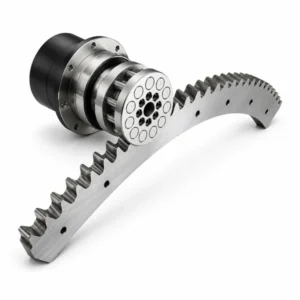
Rack and Pinion Steering Gear Rack | Automotive Steering Rack Supplier
-
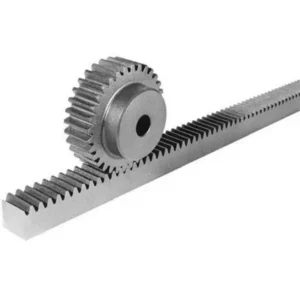
Gear Rack for Automobiles | Steering Rack, EPAS, OEM Replacement Supply
-
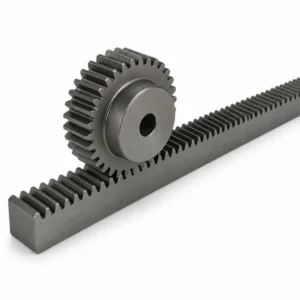
Gear Rack for Construction Elevator | Hoist Rack, M6-M10, OEM Supply
-
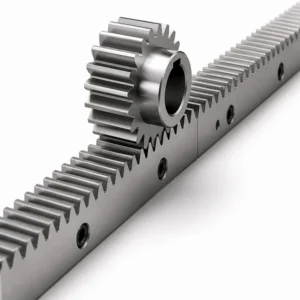
Gear Rack for Rack Actuator | Valve, Gate and Damper Control, OEM Supply
-
Gear Rack and Pinions | Custom Precision Carbon Steel, OEM Supply
-
Gear Rack for Railway Axles | High-Load Precision Rack, OEM Supply
-
Helical Gear Rack | High-Speed Low-Noise Rack and Pinion, Custom OEM
 English
  Italian
  Korean
  French
  Japanese