
Round Gear Rack | Cylindrical Bar Rack, M1 Steel, Custom OEM Supply
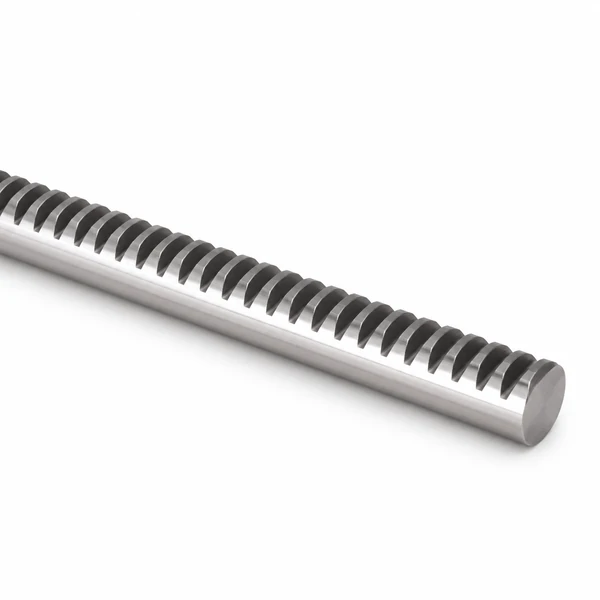
Round gear racks give you the simplicity of a cylindrical bore housing — no special rectangular bearing required — while still delivering the precise tooth geometry and surface hardness needed for reliable linear motion. Ever-Power round racks are available in S45C and SCM440 alloy steel, module M1, with induction-hardened tooth flanks at HRC 55-60 and DIN6/DIN8 precision class. Standard lengths of 200 mm, 500 mm, and 800 mm cover the majority of small gearbox and actuator applications; custom modules, diameters, and lengths are manufactured to your drawing. ISO 9001:2015 certified — material certificate and hardness report included with every order.
Round Gear Rack — Product Overview
Ever-Power round gear racks are cylindrical bar racks with precision-cut teeth machined along part of the rod circumference. Unlike rectangular flat racks, a round rack slides and guides inside a standard cylindrical sleeve bearing — the same bore that supports the bar also constrains its lateral movement, eliminating the need for a separate guide rail or linear bearing carriage. This makes round racks the compact, cost-effective default for pneumatic actuators, rotary-to-linear converters, steering linkages, and any drive where the housing bore doubles as the guide.
The tooth cross-section of a round rack has the distinctive crescent shape produced when gear teeth are hobbed into a round bar — the tooth tips and roots are the same as a standard spur rack of equivalent module, but the material at the shoulders is removed by the rod profile. This gives slightly lower bending moment resistance at the tooth root compared to a rectangular rack of the same module, which is why round racks are most commonly specified in module M1 to M3 for light to medium duty drives rather than in high-module heavy-load applications. Within that duty range, the cylindrical housing advantage more than compensates for the modest strength reduction.
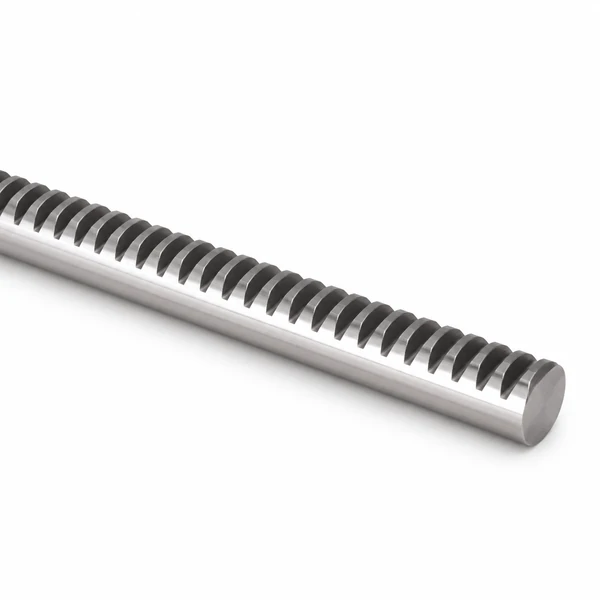
Ever-Power standard round gear racks are available in S45C carbon steel and SCM440 (42CrMo equivalent) alloy steel with induction-hardened tooth flanks at HRC 55-60, module M1, in lengths of 200 mm, 500 mm, and 800 mm. Diameter is 19 mm standard. Custom diameter, module, length, and material are fully supported; OEM drawings in DXF, DWG, STEP, or PDF format are accepted. All orders are manufactured under ISO 9001:2015 and accompanied by a material certificate and hardness inspection report.
Specifiche tecniche
Standard production parameters are listed below. All values are confirmed against your drawing at the quotation stage for custom orders.
| Parameter | Standard Value / Range |
|---|---|
| Product Name | Round gear rack (cylindrical bar rack) |
| Gear Rack Type | Round / straight tooth |
| Modulo | M1 standard; custom modules per drawing |
| Diameter | φ19 mm standard; custom diameters available |
| Length | 200 mm / 500 mm / 800 mm standard; custom lengths per drawing |
| Pressure Angle | 20° |
| Precision Class | DIN 8 standard; DIN 6 available for precision applications |
| Tooth Treatment | High-precision milling |
| Pitch Tolerance | 0.082 mm per metre (DIN 8) |
| Material (Standard) | S45C carbon steel; SCM440 (42CrMo equivalent) alloy steel |
| Material (Optional) | Mild steel, 40Cr, stainless steel 304/316, custom alloy per spec |
| Heat Treatment | Tooth surface induction hardening; normalised / annealed / quenched and tempered options |
| Tooth Hardness | HRC 55-60 (induction hardened tooth flank) |
| Hole Tolerance | Per customer drawing |
| Finishing | No burrs; edges chamfered |
| Trattamento superficiale | Black oxide standard; zinc plating, phosphating, painting, polishing available |
| Inspection Documents | Material certificate, heat treatment record, dimensional inspection report, hardness report |
| Quality Standard | ISO 9001:2015; DIN 867 tooth profile |
Round Gear Rack Structure and Working Principle
A round gear rack functions identically to a flat spur rack in terms of motion conversion: pinion rotation advances the rack by one pitch per tooth of engagement, producing precise linear displacement. The key structural difference is the cross-section. Where a flat rack has a rectangular profile with teeth on one face, a round rack has a circular cross-section with teeth hobbed into a segment of the circumference. The remaining arc forms a smooth cylindrical surface that rides directly inside a plain sleeve bearing or a flanged bushing pressed into the housing bore.
An anti-rotation flat, keyway, or pin groove is machined along the length of the bar on the side opposite the teeth. This feature engages a corresponding guide in the housing to prevent the rack from rotating under load — without it, the pinion would simply spin the rack rather than advance it linearly. The anti-rotation guide also reacts the tangential force component that would otherwise cause the rack to twist against the bore.
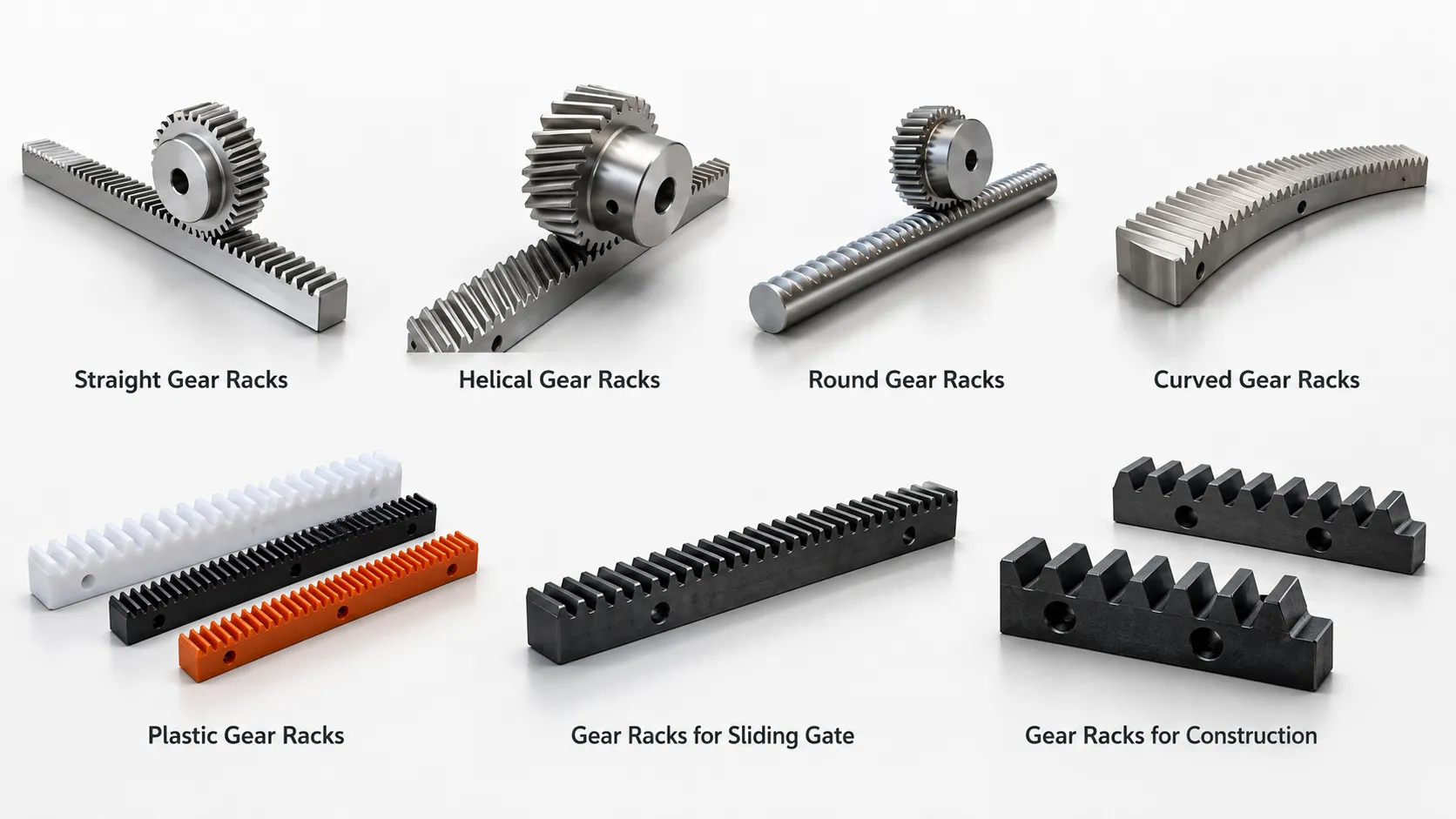
Because the tooth cross-section removes material from the rod shoulders, the root bending strength of a round rack is somewhat lower than a rectangular rack of the same nominal width and module. Round racks are therefore sized conservatively in high-cycle or high-load applications — but for the compact pneumatic actuators, small DC gearboxes, and light-duty linear slides that represent their most common use case, the cylindrical housing simplicity more than justifies the trade-off.
Round Gear Rack vs. Rectangular Gear Rack — Which to Choose
| Criterion | Round Gear Rack | Rectangular Gear Rack |
|---|---|---|
| Cross-section | Circular — rides in standard sleeve bore | Rectangular — needs guide rail or carriage |
| Housing complexity | Low — standard drilled bore in housing | Higher — requires separate guide elements |
| Root bending strength | Somewhat lower (crescent tooth cross-section) | Higher — full tooth root width |
| Load range | Light to medium duty | Light to very heavy duty |
| Size compactness | Compact — housing bore is all that is needed | Larger envelope due to guide system |
| Anti-rotation | Required — flat or pin groove on rod | Inherent — rectangular profile locks rotation |
| Typical module range | M0.5 to M3 | M1 to M12 and above |
| Typical applications | Pneumatic actuators, small gearboxes, steering, medical devices | CNC axes, hoists, sliding gates, gantry cranes |
Applications of Round Gear Racks
Round gear racks serve wherever a compact cylindrical housing is preferred over a rectangular guide system. The sectors below represent the primary markets supplied by Ever-Power.
🤖 Robotics and Industrial Automation
Robotic arms, pick-and-place end effectors, and compact linear actuators use round gear racks to achieve precise, repeatable linear strokes within a minimal housing footprint. The cylindrical rack slides in a bore machined directly into the robot link or actuator body, keeping the assembly tight and the part count low.
⚙ CNC Machine Tools and Positioning Systems
Compact linear stages, micrometer positioning slides, and toolchanger mechanisms in CNC equipment use round racks where the full width of a rectangular rack would be wasteful. DIN 6 precision round racks are suitable for closed-loop servo-driven positioning stages requiring sub-0.1 mm repeatability.
🚛 Automotive Steering Systems
Rack-and-pinion steering gear in passenger cars and light vehicles uses a round rack running in a cylindrical bore housing. The round profile allows the steering rack to slide and rotate-resist simultaneously within the steering housing — a design that has remained the industry norm for decades due to its packaging efficiency and simplicity.
🚑 Conveyor and Material Handling
Pallet transfer mechanisms and diverter arms in conveyor systems use round racks to push, rotate, or index product carriers. The compact bore housing integrates neatly into conveyor frame sections without the additional structural steel required by a guide-rail rectangular rack system.
💉 Medical Equipment
Diagnostic imaging scanners, infusion pump drives, and surgical positioning tables use round gear racks in stainless steel or with food-grade surface finishes. The small module range available in round racks suits the fine-pitch, low-force drives typical of medical equipment where compactness and cleanability are both mandatory.
🏭 Industrial Machinery
Printing machines, packaging lines, textile machinery, and pneumatic rotary actuators all use round racks where a compact internal gear-to-linear conversion is required. The round rack in a pneumatic rotary actuator converts the piston stroke into shaft rotation; the same principle in reverse converts motor rotation to linear product movement in packaging feed mechanisms.






Installation Guide
1. Mounting Surface
The bore housing must be concentric with the pinion shaft axis. Bore finish should be H7 tolerance for a free-running fit on the rack diameter. Any misalignment between bore axis and pinion axis causes uneven tooth load distribution and accelerated flank wear.
2. Anti-Rotation Feature
Engage the anti-rotation flat or pin slot before installing the rack into the bore. The anti-rotation guide must be parallel to the rack axis to within 0.05 mm per 100 mm; angular misalignment here causes the rack to bind under load rather than slide freely.
3. Pinion Alignment
Set the centre distance between pinion shaft and rack centreline to the nominal value (sum of pitch radii plus backlash allowance). Too tight — binding and overloading; too loose — excessive backlash and noise. Check tooth contact with engineer marking compound before final assembly fastening.
4. Lubrication Before First Use
Apply a light machine oil or ISO VG 68 way oil to the rack flanks and bore surface before commissioning. For enclosed drives, fill sump to the correct level. For open drives, apply grease to the teeth at the mesh point. Initial lubrication is especially important on new induction-hardened racks where micro-asperities on the tooth surface are removed during the first operating hours.
Maintenance and Troubleshooting
| Issue | Likely Cause | Recommended Action |
|---|---|---|
| Excessive wear on tooth flanks | Insufficient lubrication; abrasive contamination in bore | Re-lubricate on schedule; fit bore seal to exclude contamination; inspect for overload |
| Increased backlash or play | Tooth wear; excess centre distance between rack and pinion | Measure tooth thickness; reduce centre distance if within wear limit; replace rack if tooth thickness is below minimum |
| Rack binding or stiff movement | Anti-rotation guide misaligned; bore undersized or dirty; centre distance too small | Clean bore; re-check guide parallelism; verify centre distance; re-lubricate |
| Noise or vibration at mesh | Pinion misalignment; incorrect centre distance; insufficient lubricant film | Check contact pattern with marking compound; adjust centre distance; verify lubricant viscosity grade |
| Corrosion on rack surface | Moisture ingress; cleaning agents attacking black oxide finish | Improve housing sealing; switch to stainless steel or zinc-plated variant; apply rust inhibitor oil at maintenance intervals |
| Tooth fracture | Overload; shock input exceeding rack rated capacity | Replace rack immediately; review duty cycle and peak load; upsize module or switch to SCM440 higher-strength material |
How to Choose the Right Round Gear Rack
Providing the following information at enquiry stage ensures our engineering team returns an accurate proposal without delays:
- Required linear force at the rack — both continuous and peak shock values
- Stroke length — determines required rack length; multiple sections if stroke exceeds 800 mm
- Operating speed — rack linear velocity in mm/s or m/s; pinion RPM if known
- Bore diameter available in your housing — this sets the rack rod diameter
- Required precision class — DIN 8 for general use; DIN 6 for servo-positioning applications
- Environment — temperature, humidity, chemical exposure; determines material and surface treatment
- Anti-rotation feature — flat, keyway, or pin groove; provide housing detail if available
- Drawing or sample — DXF, DWG, STEP, PDF, or physical sample accepted for custom specifications
Manufacturing Process
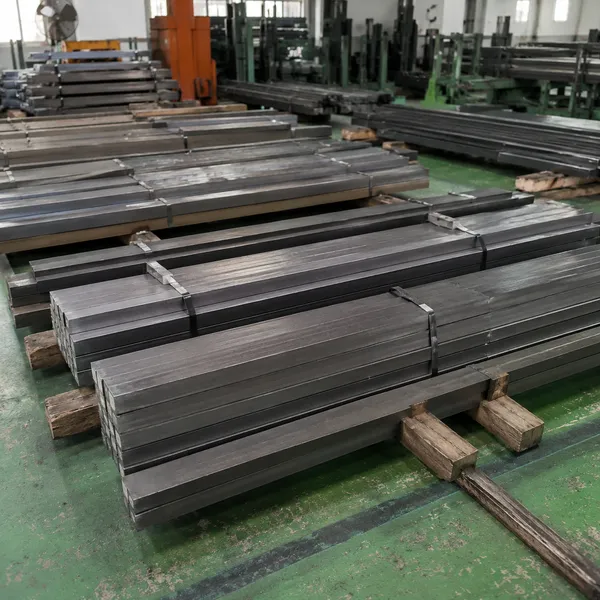
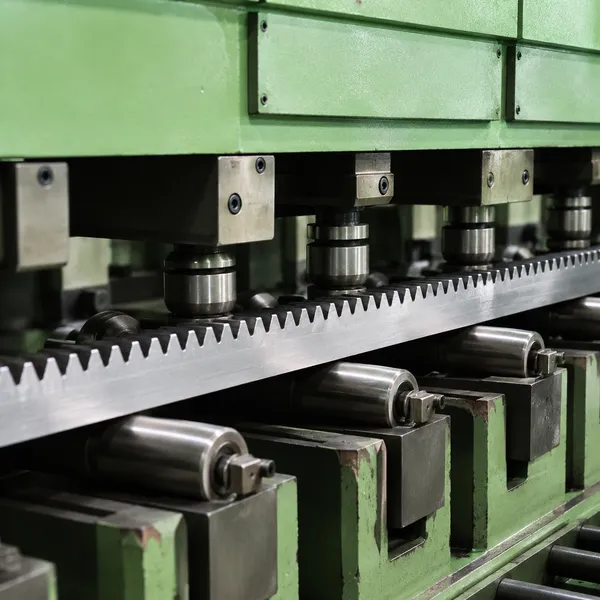
Step 1 — Raw Material
Raw material bar stock verified by spectrochemical analysis before production.
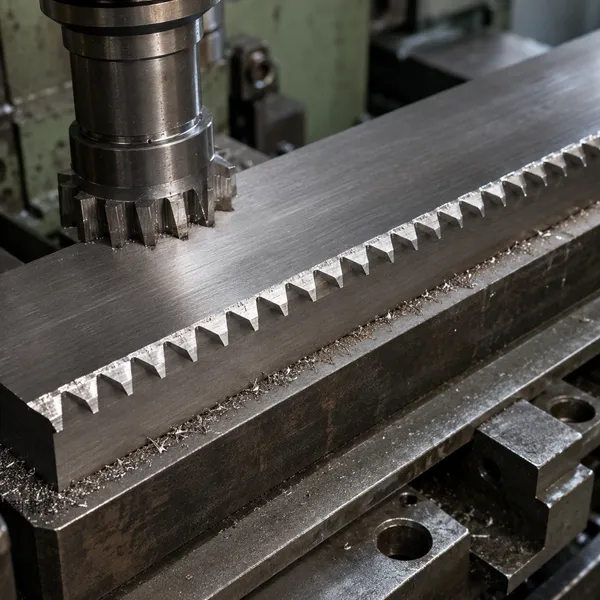
Step 2 — Tooth Cutting
Teeth cut on CNC rack milling or hobbing machine to specified module and pressure angle.
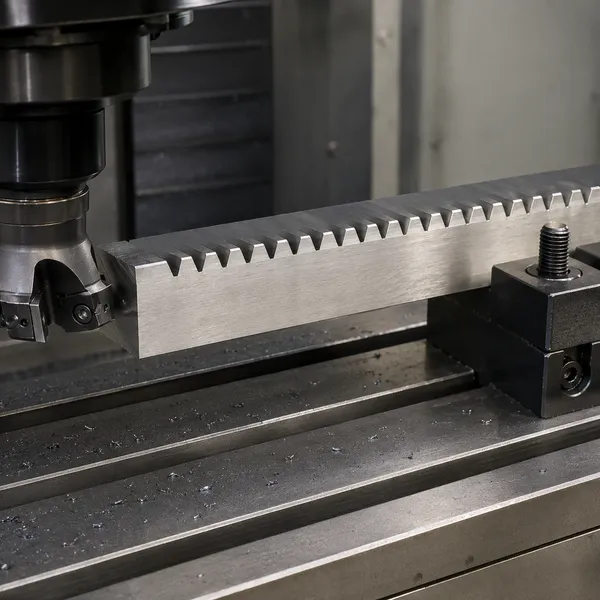
Step 3 — Deburring
Tooth-end burrs removed and edges chamfered to prevent handling damage and sharp corners.
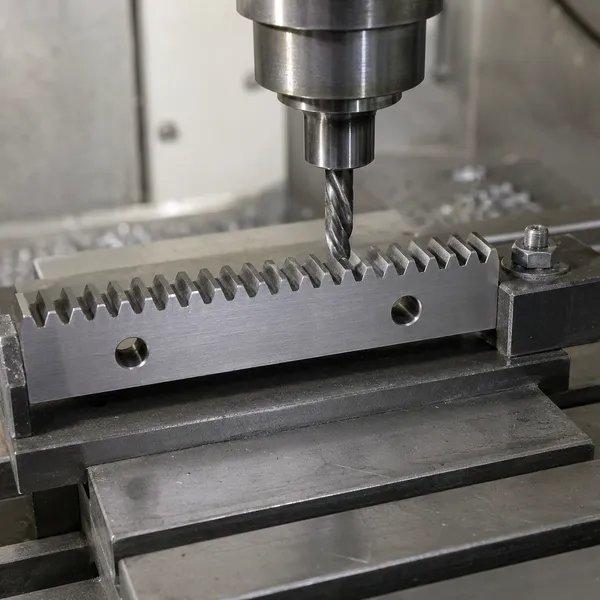
Step 4 — Straightening / HT
Pressure straightening after tooth cutting; induction hardening or carburising where specified.
Step 5 — End Machining
End faces and mounting holes machined in CNC machining centre to drawing specification.
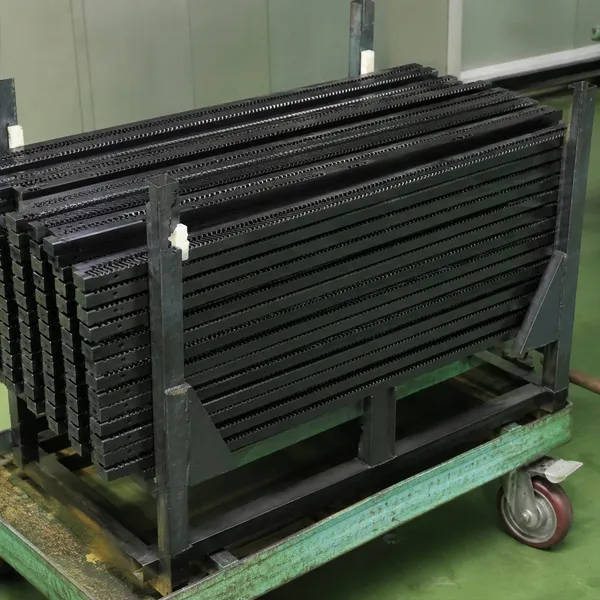
Step 6 — Surface Treatment
Black oxide, zinc plating, phosphating, or hard chrome applied per customer specification.
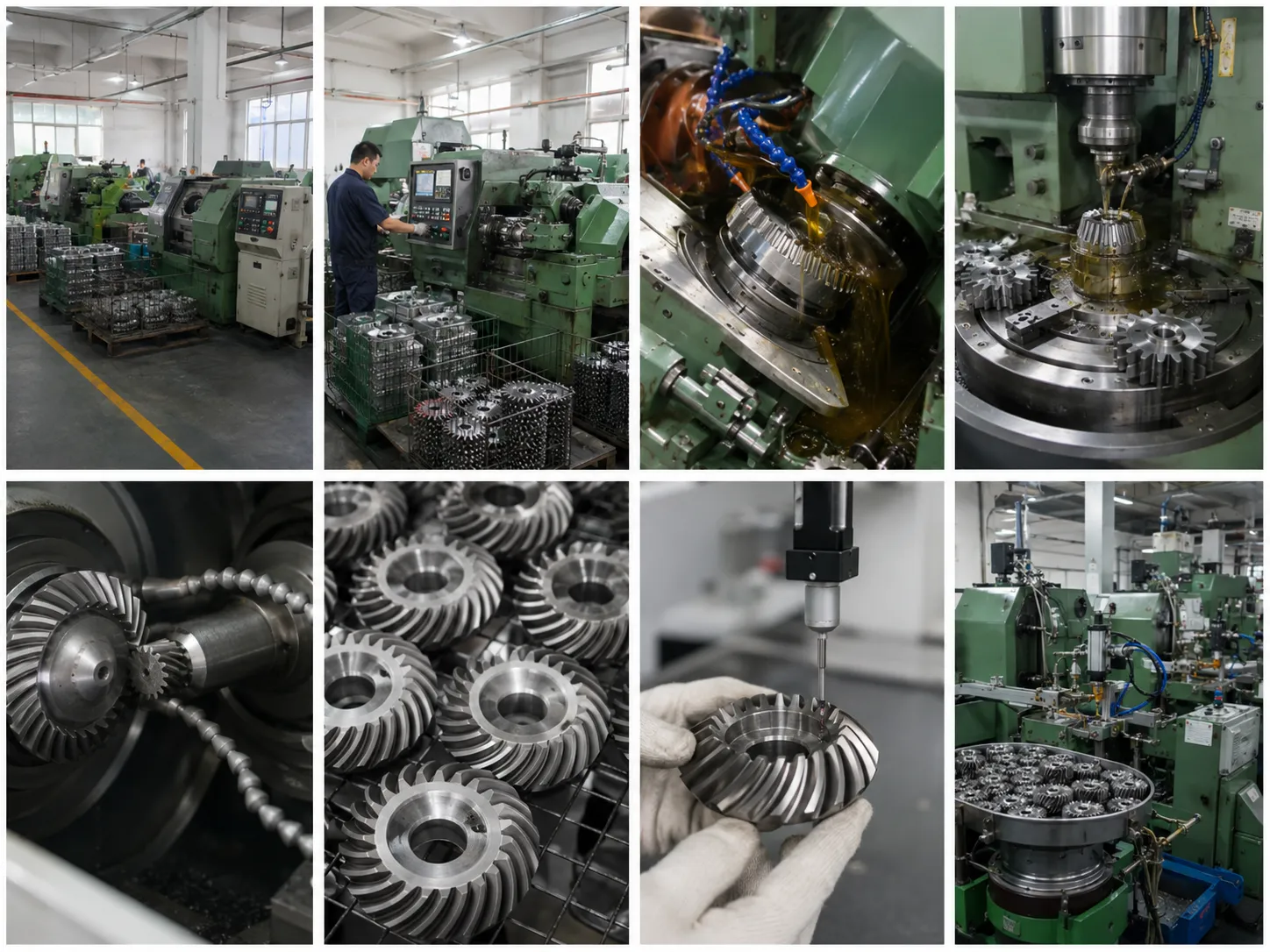
Key Production Equipment
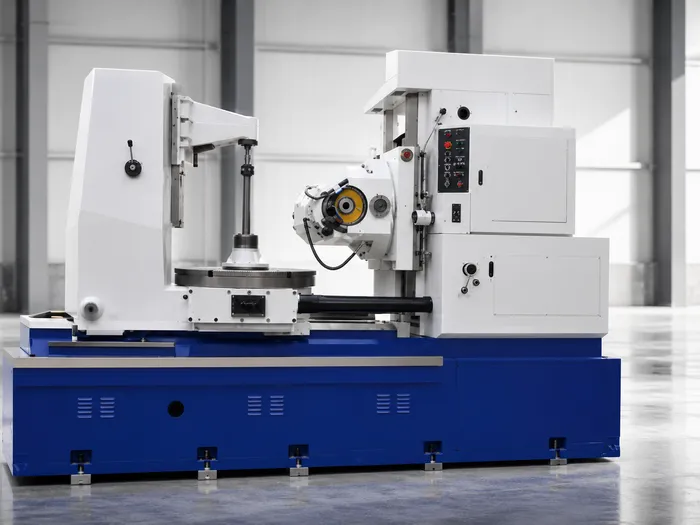
Gear Hobbing Machine
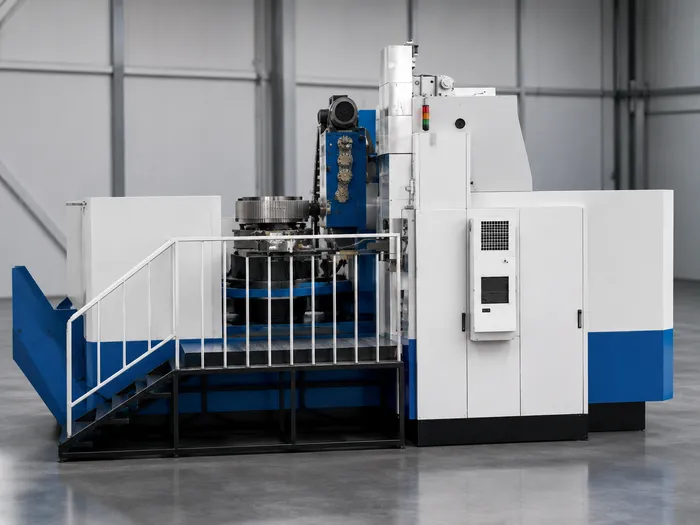
Gear Milling Machine
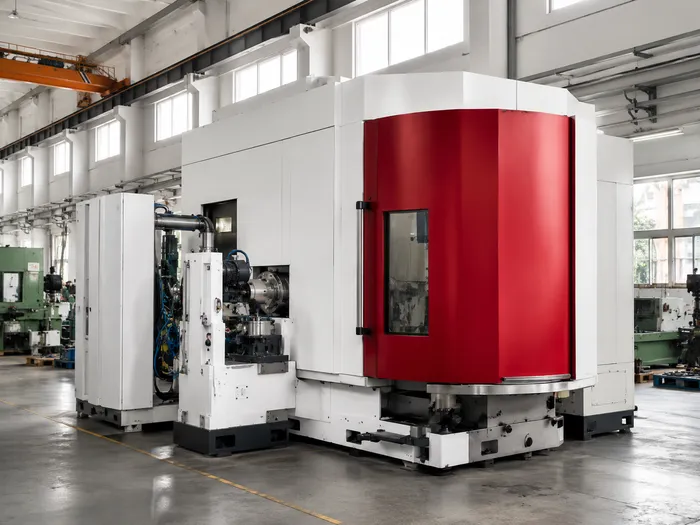
CNC Gear Grinding Machine
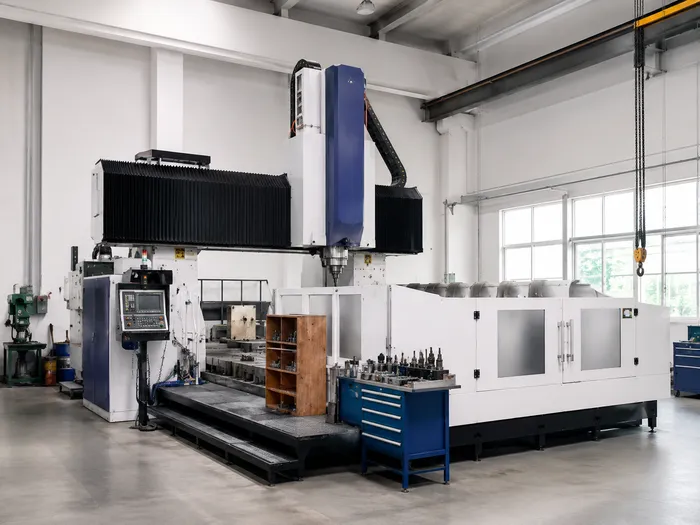
Gantry CNC Machining Centre
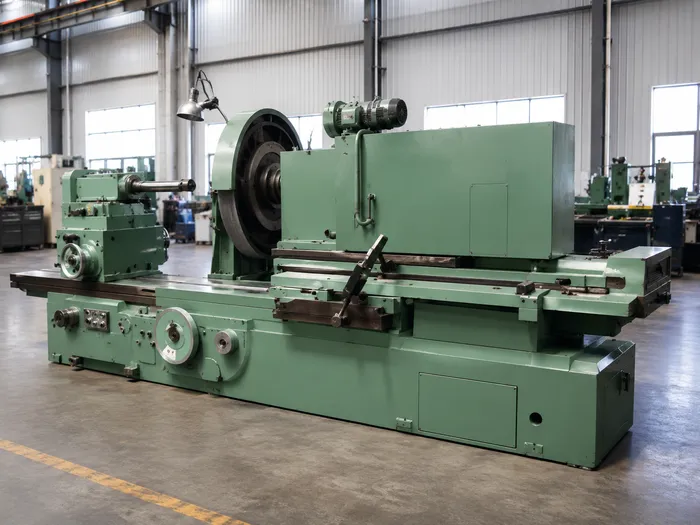
Internal Grinding Machine
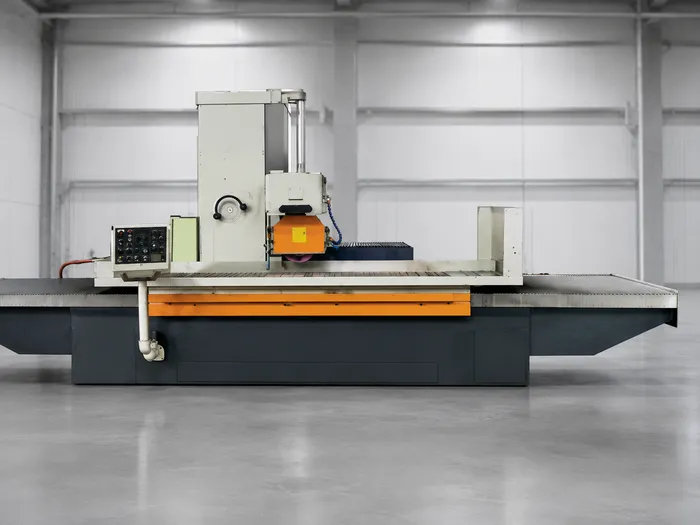
Planer Grinding and Turning
Quality Assurance and Production Facility
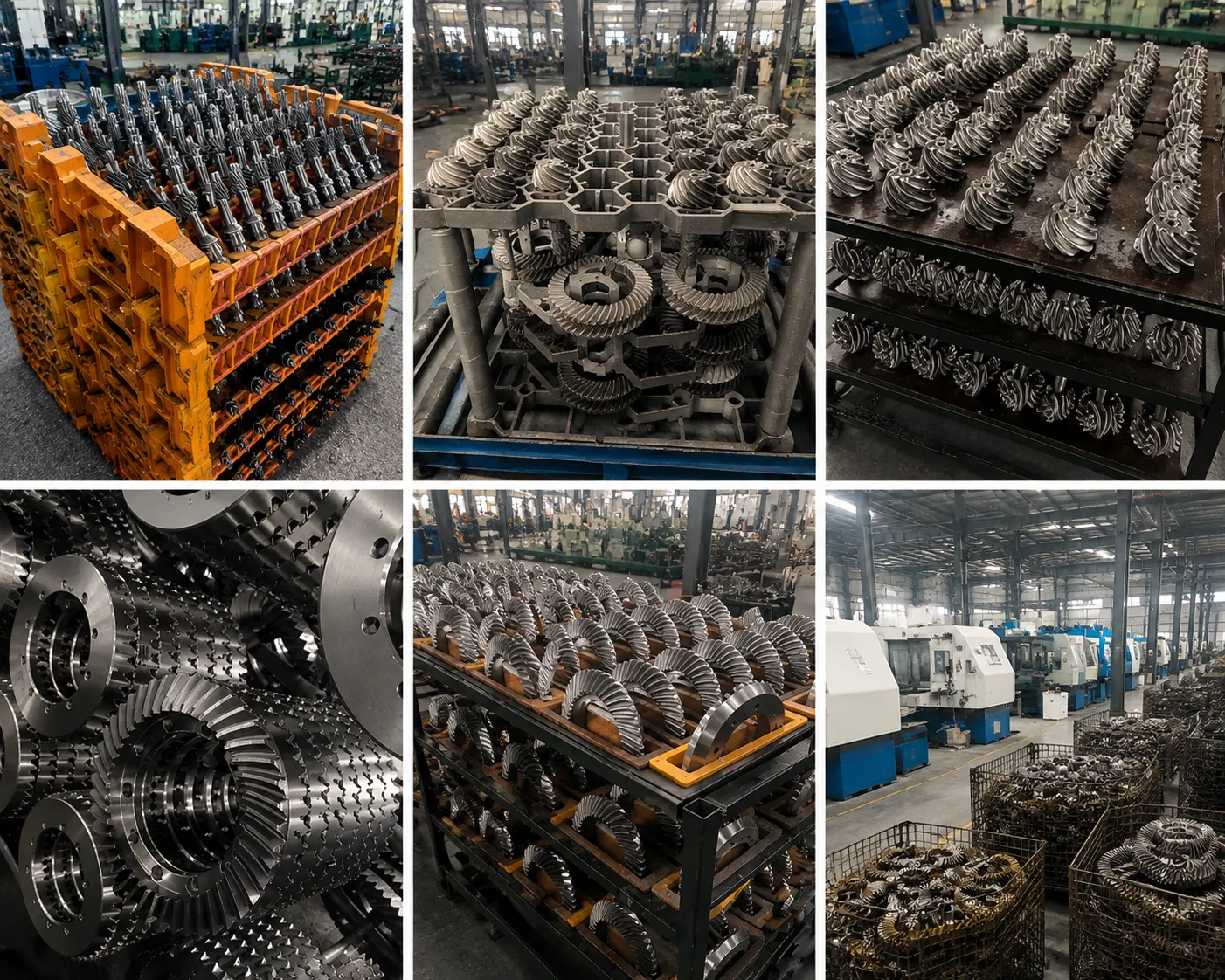
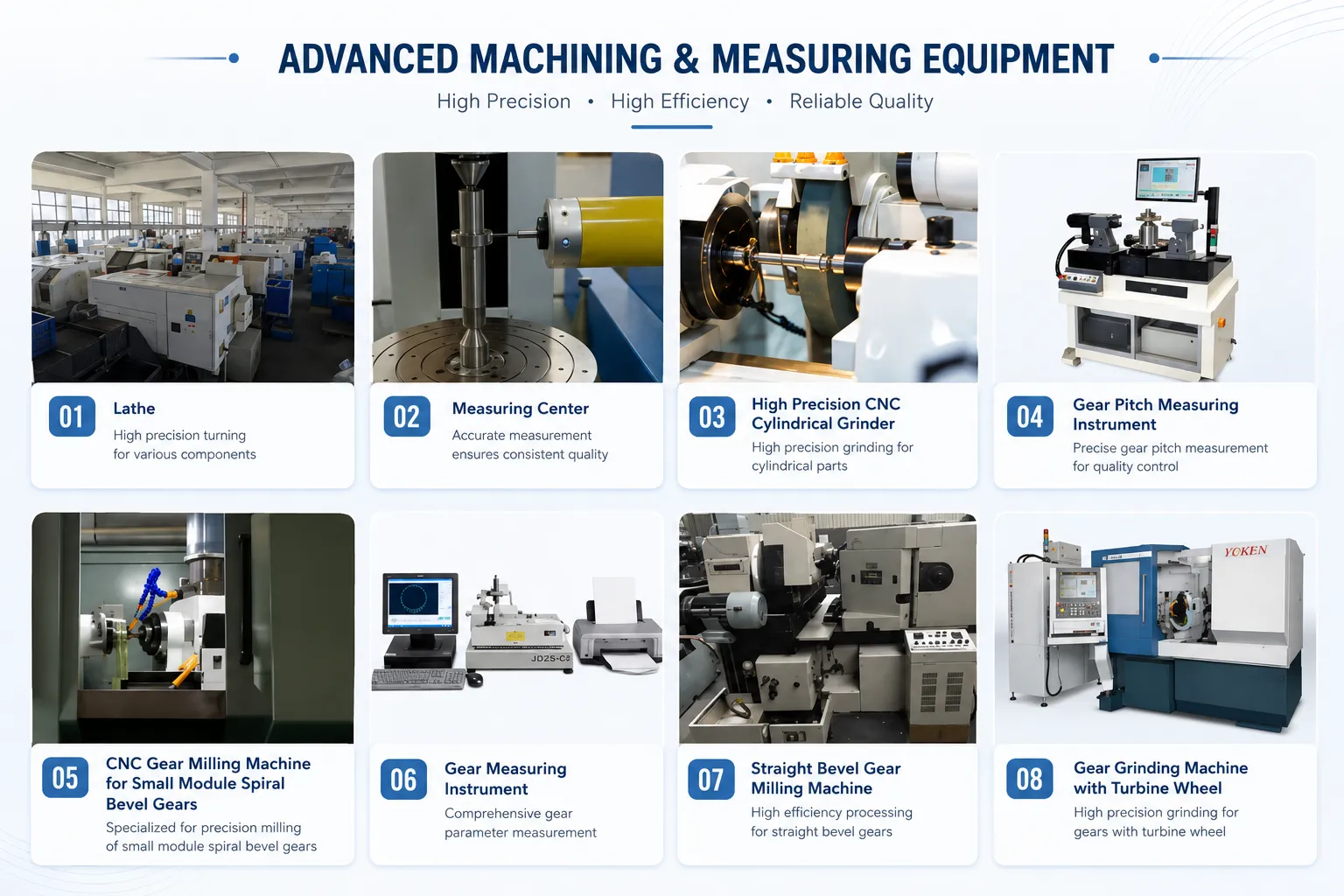
Precision Measurement Equipment

ISO 9001:2015 and Quality Certificates
Ever-Power operates under ISO 9001:2015 quality management across all production stages. Round gear rack orders are accompanied by: incoming material certificate with chemical composition, heat treatment time-temperature record, dimensional inspection report covering diameter, tooth pitch, and form error, and a hardness test report at tooth flank and rack body. Optional 100% UT or magnetic particle inspection is available for safety-critical applications on request at the quotation stage.
Related Gear Products
Ever-Power manufactures the complete range of industrial gear types alongside gear racks. If your drive system requires matched pinions, reduction gears, or associated gear types, the following product families are available from the same source.
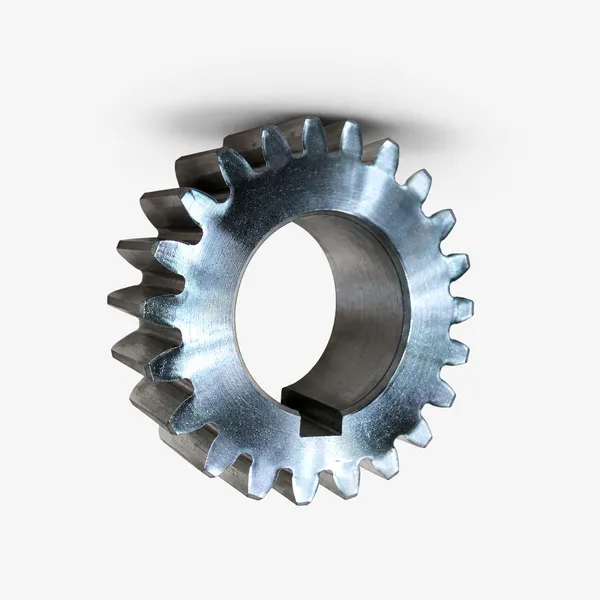
Ingranaggi cilindrici
Pinion gears matching our spur gear rack range; standard modules m0.5 to m20.
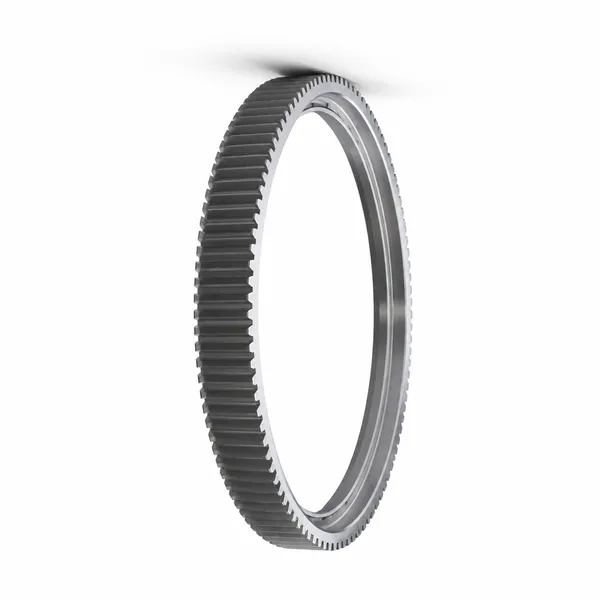
Corone dentate
Large-diameter internal or external ring gears for rotary and slewing drives.
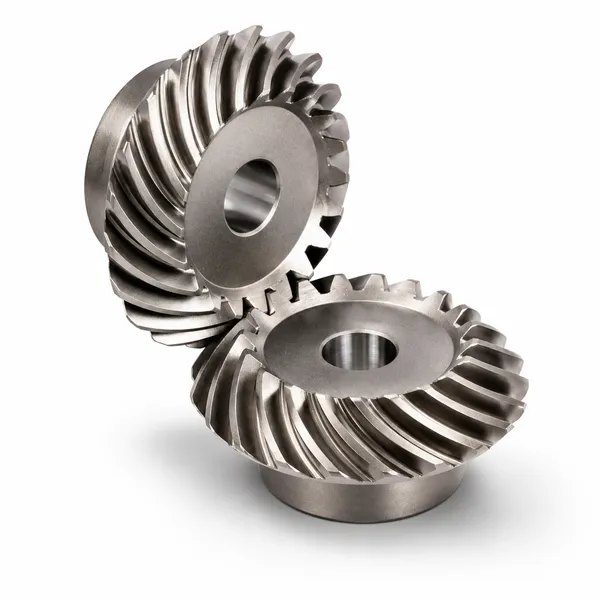
Ingranaggi conici
Straight and spiral bevel gears for right-angle drives and gear motor input stages.
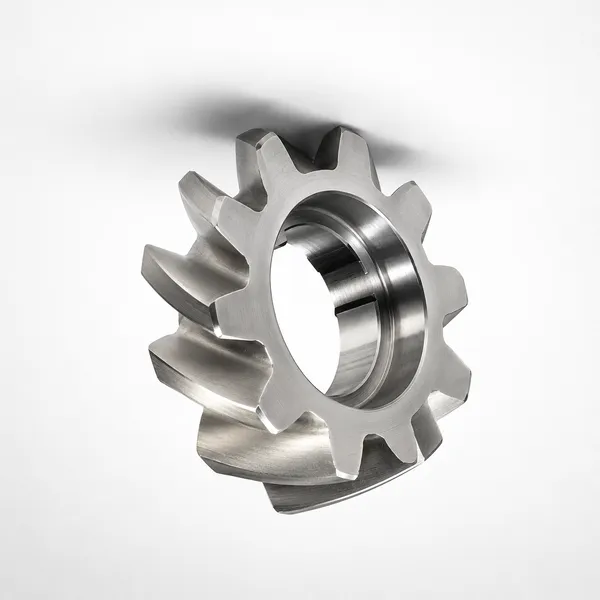
Ingranaggi elicoidali
Helical pinions for high-speed, low-noise rack drives and reduction stages.
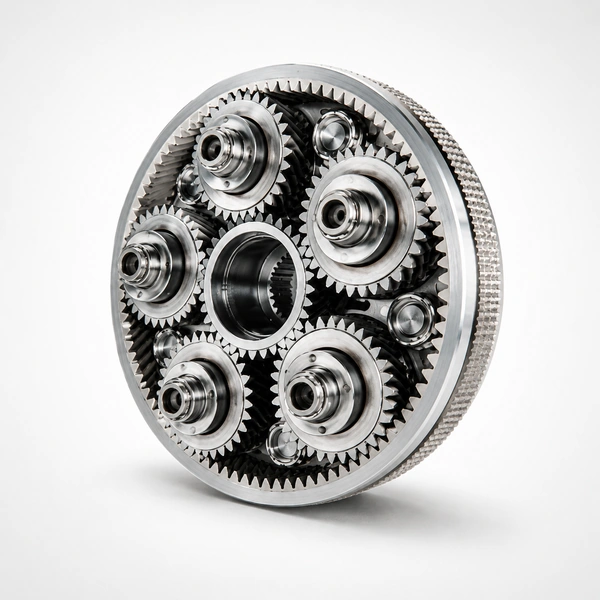
Planetary Gear Sets
Compact in-line reducers paired to servo motors; output shaft connects to the rack pinion.
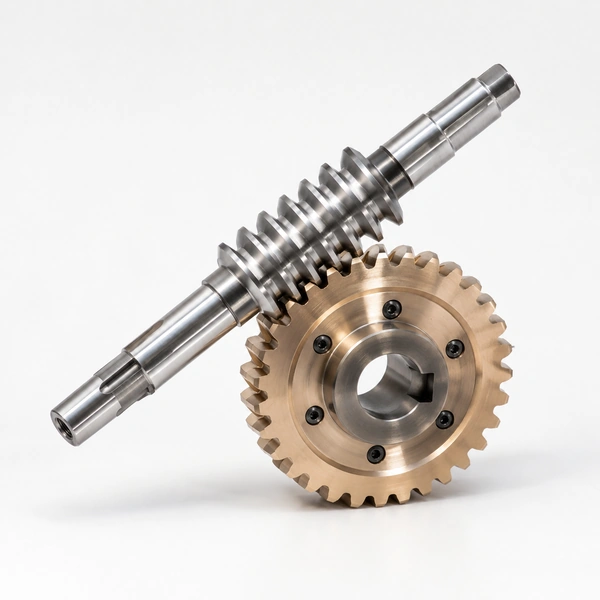
Worm Gear Wheels
Self-locking worm reducers for vertical rack axes holding position under gravity load.
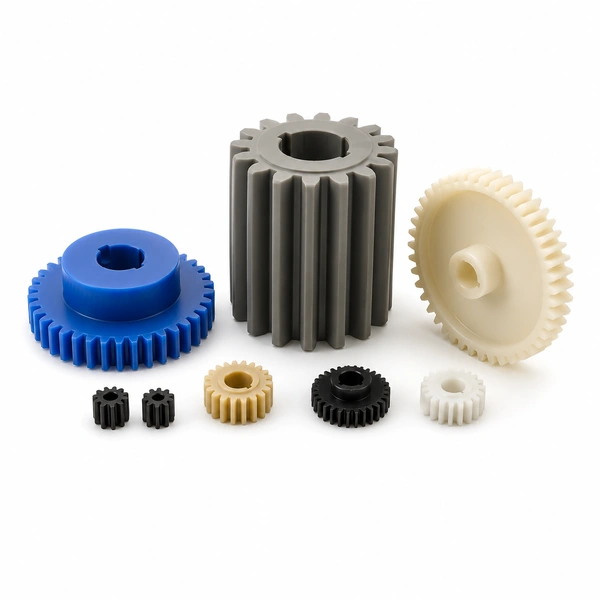
Plastic Gears
Nylon, POM, and polycarbonate pinion gears for light-duty, lubrication-free rack drives.
Domande frequenti
What is the difference between a round gear rack and a rectangular gear rack?
A round gear rack has a circular cross-section that slides directly in a cylindrical sleeve bore — no separate guide rail is needed. A rectangular rack has a square or flat cross-section that requires a separate guide system (linear bearing, dovetail, or T-slot) to prevent lateral movement. Round racks are more compact and simpler to house; rectangular racks are stronger at the same module and suit heavier loads. For most small actuators, pneumatic drives, and steering systems, the round rack is the practical choice. For CNC gantries and hoists, the rectangular rack is standard.
Why does a round gear rack need an anti-rotation feature?
The pinion applies a tangential force to the rack teeth that tries to spin the cylindrical rod inside its bore rather than push it axially. Without an anti-rotation feature — a flat face, a keyway, or a pin slot machined along the rod — the rack would simply rotate rather than advance linearly. The anti-rotation guide also reacts side loads that would otherwise cause the rack to bind against one side of the bore bore, increasing friction and wear. Ensure the guide is parallel to the rack axis to prevent binding during travel.
What is the standard tolerance for round gear rack pitch deviation?
Ever-Power standard round racks are produced to DIN 8 accuracy class, with cumulative pitch deviation of 0.082 mm per metre. For applications requiring tighter positional accuracy — precision positioning stages, servo drives with encoder feedback — DIN 6 class round racks are available, with pitch deviation below 0.020 mm per metre. Specify the accuracy class at the enquiry stage; it affects both tooling selection and the inspection documentation supplied with the order.
What materials are available for round gear racks in corrosive environments?
For outdoor, food processing, pharmaceutical, or marine environments, Ever-Power supplies round gear racks in 304 and 316 stainless steel. 316 grade adds molybdenum for improved resistance to chloride pitting, making it the preferred choice in wash-down food lines and offshore equipment. Where a carbon or alloy steel rack must be used in a humid environment, zinc electroplating plus a clear chromate passivation layer offers an adequate service life for most industrial applications at lower material cost than stainless steel.
Can round gear racks be joined end-to-end for long strokes?
Yes, with precision-machined half-tooth ends. The end faces of adjacent round rack sections are machined so that when butted together inside the bore, the last tooth of one piece and the first tooth of the next maintain the correct pitch. Alignment pins through the bore housing wall can be used to locate the joint radially. For long-stroke round rack installations, provide the total required stroke length and housing bore length at enquiry; we will advise on section count and joint design.
What lubricant is correct for a round gear rack in a pneumatic actuator?
Pneumatic rotary actuators using round racks typically operate with a thin film of ISO VG 32 or ISO VG 46 light machine oil applied to the rack flanks and bore bore surface. The oil is often supplied by a mist lubricator in the air supply line, which delivers a fine aerosol to all moving surfaces on each stroke. For actuators that must avoid oil contamination of the workpiece — food processing, clean-room assembly — food-grade H1 lubricant or a dry PTFE spray is applied at installation and renewed at each scheduled maintenance interval.
Request a Quotation for Round Gear Racks
Send us your bore diameter, required stroke, module, material, and precision class — or attach your drawing directly. Our engineering team returns a quotation within two working days.
Informazioni aggiuntive
| Redattore |
|---|
Prodotti correlati
-
Metric Gear Rack | Spur and Helical, M1-M32, Steel and Plastic OEM Supply
-
Gear Rack for Construction Elevator | Hoist Rack, M6-M10, OEM Supply
-
Curved Rack and Pinion Gear | Arc Segment Rack, Stainless Steel, Custom OEM
-
Helical Gear Rack | High-Speed Low-Noise Rack and Pinion, Custom OEM
-
Ground Gear Rack | Precision Ground Spur Rack, DIN5-7, OEM Supply
-
Gear Rack for Machine Tool Industry | CNC, Milling, Grinding, OEM Supply
-
Gear Rack for Rack Actuator | Valve, Gate and Damper Control, OEM Supply
-
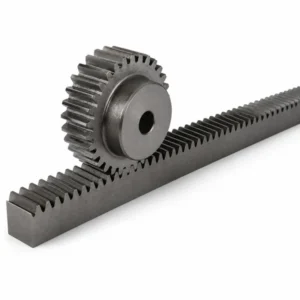
Gear Rack and Pinion | Spur, Helical, Ground and Custom OEM Supply
 Italian
  English
  Korean
  French
  Japanese