
Gear Rack for Construction Elevator | Hoist Rack, M6-M10, OEM Supply
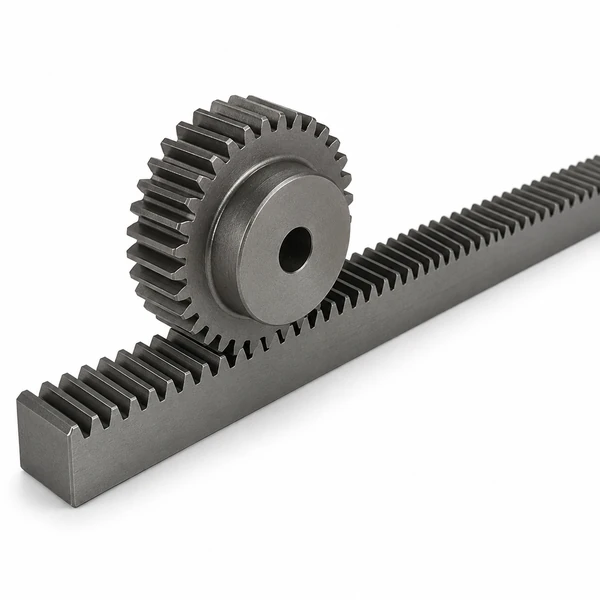
Ever-Power gear racks for construction elevators and building hoists are engineered for the demanding duty cycle of vertical personnel and material transport on active building sites — repeated heavy loading at full speed, outdoor weather exposure, and installation by non-specialist crews without precision alignment tools. Available in module M6 through M10 in 42CrMo alloy steel with induction-hardened tooth flanks at HRC 50-55, standard section length 1,500 mm with safety rack holes, mounting holes, and mast-connection slots machined to your hoist manufacturer specification. ISO 9001:2015 certified; material certificate and hardness report on every order.
Gear Rack for Construction Elevator — Product Overview
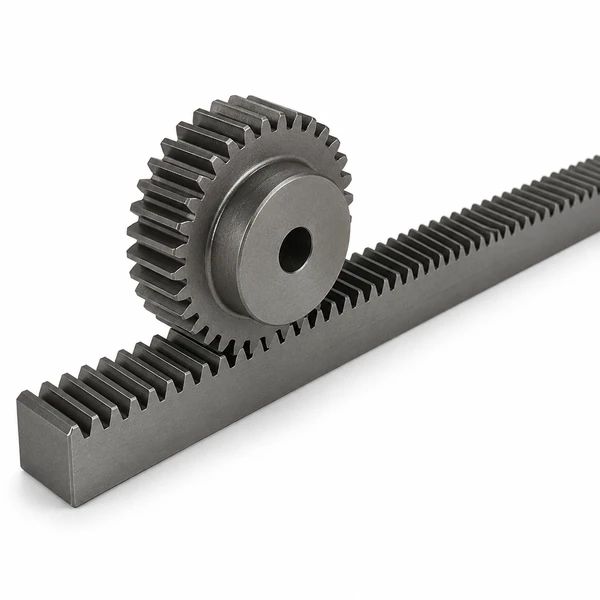
Ever-Power gear racks for construction elevators are the load-bearing drive element in SC-type and SCD-type building hoists — the rack and pinion vertical transport systems used on construction sites worldwide to move workers and materials during building work. In a construction hoist, the cage and drive unit ride up and down the mast. The electric motor drives a pinion through a reduction gearbox; the pinion meshes with the rack bolted to each mast section. As the pinion rotates, the cage climbs or descends at speeds up to 60 m/min carrying loads of 1,000 to 3,200 kg.
This application places some of the most severe demands on a gear rack in any industry. The rack must withstand repeated peak loads from emergency braking events that can impose 3 to 5 times the normal working load on the tooth roots; must resist weathering in the outdoor construction environment; must install on mast sections without a gear tooth gauge (the mast crew bolts sections together using alignment pins); and must meet the safety standards — EN 12159 in Europe, GB/T 10054 in China — that govern personnel hoists. Ever-Power construction elevator racks are manufactured to these standards in 42CrMo alloy steel with induction-hardened tooth flanks and verified to full material and dimensional documentation before shipment.
Benefits and Advantages
⚡ Efficient Power Transmission
Direct rack-and-pinion engagement gives mechanical efficiency above 95%, allowing the construction hoist motor to be correctly sized for the rated payload without oversizing for mechanical losses. This reduces energy consumption and lowers heat rejection in the motor and gearbox during sustained duty cycles.
🎯 Precise Positioning
The positive engagement of rack and pinion ensures that floor-level stopping accuracy is maintained consistently throughout the mast height. Landing accuracy of plus or minus 20 mm at each floor level is routinely achieved with limit-switch or encoder-based control, ensuring safe boarding without a trip hazard at the cage threshold.
💪 High Load Capacity
Construction hoists routinely carry rated loads of 1,000 to 3,200 kg plus cage weight at full speed. The heavy-module (M6-M10) induction-hardened alloy steel racks provide the tooth root bending strength and flank contact endurance needed to sustain this loading over tens of thousands of daily cycles across the hoist service life.
🔨 Durability in Site Conditions
Construction sites expose the mast rack to rain, dust, abrasive concrete splash, and temperature cycling from below zero to above 50°C. The induction-hardened tooth surface resists abrasive wear from contaminated lubricant. Hot-dip galvanized or zinc-phosphated surface treatments protect the rack body against corrosion between maintenance visits.
Specifiche tecniche
| Parameter | Value / Range |
|---|---|
| Modulo | M6, M8, M10 standard for SC/SCD hoists; other modules per OEM specification |
| Tooth Form | Straight spur tooth (standard); helical for high-speed double-cage hoists on request |
| Pressure Angle | 20° standard |
| Standard Section Length | 1,500 mm per mast section; custom lengths per OEM specification |
| Materiale | 42CrMo alloy steel standard; 40Cr and C45 available for lower-duty applications |
| Heat Treatment | Induction hardening — tooth surface HRC 50-55; core toughness maintained |
| Tooth Surface Hardness | HRC 50-55 at tooth flank; HRC 25-35 at core |
| Trattamento superficiale | Phosphating plus oil; zinc electroplating; hot-dip galvanizing for long-term outdoor exposure |
| Mounting Holes | Drilled and tapped to OEM mast section hole pattern; safety rack engagement holes per EN 12159 / GB/T 10054 |
| End Connection | Half-tooth machined ends for pitch-accurate section butt joints on mast |
| Standards | EN 12159, GB/T 10054, ISO 9001:2015; OEM specifications accepted |
| Documentation | Material certificate, heat treatment record, hardness test report, dimensional inspection report |
Applicazioni
🏢 Passenger and Construction Elevators
SC and SCD single- and twin-cage construction hoists on high-rise residential, commercial, and infrastructure building sites. The rack mounts on the mast sections that are progressively added as the structure rises. Vertical travel heights of 100 m to over 400 m are achieved by stacking mast sections — each with its own bolt-on rack length — with the pinion unit traversing the full height.
🚚 Freight Elevators and Material Hoists
Heavy-duty freight lifts in industrial facilities, warehouses, and distribution centres use the same rack-and-pinion mast principle as construction hoists. The high load capacity of the rack drive makes it preferable to traction rope lifts in environments where the load may be highly variable and the landing accuracy requirement is lower than for passenger service.
🏠 Service and Hospital Elevators
Service lifts in large buildings use rack drives for their ability to operate reliably under variable loads from near-empty to full rated payload without the counterweight infrastructure that traction lifts require. Hospital service lifts benefit from the quiet, vibration-free operation that a well-maintained rack provides at low travel speeds.
🏭 Industrial and Commercial Facilities
Manufacturing plants, power stations, mines, and refineries use rack-driven personnel and equipment lifts for vertical access between platforms and levels. The robustness of the rack drive in dirty, vibrating environments makes it more suitable than traction lifts in these locations.
Maintenance and Care
| Issue | Cause | Action |
|---|---|---|
| Excessive noise during travel | Insufficient lubrication; worn rack or pinion teeth; foreign object in mesh | Re-grease the full rack length; inspect teeth for wear; check for and remove any lodged debris; replace rack and pinion if teeth are worn beyond limit |
| Cage vibration at speed | Loose mast section joints; rack misalignment at butt joints; worn guide rollers | Inspect mast section bolt torque at all joints; verify rack butt joint alignment; replace worn guide rollers; check mast plumb and tie spacing |
| Accelerated tooth wear | Concrete or abrasive contamination in grease; overloading; incorrect lubricant grade | Increase lubrication frequency; use heavy-duty open-gear grease specifically formulated for outdoor rack drives; verify cage payload does not exceed rated limit |
| Rack corrosion | Surface coating worn or damaged; lubricant run-off in rain; condensation in overnight cold | Apply bitumen-based open-gear grease that adheres to the rack in wet conditions; inspect and re-coat visibly bare rack sections; consider hot-dip galvanized racks for sites with prolonged wet weather |
| Inaccurate floor landing | Limit switch drift; backlash increase from tooth wear; encoder calibration error | Recalibrate limit switches or encoder at each mast extension; check rack-to-pinion backlash; replace worn rack section if backlash exceeds the manufacturer limit |
Manufacturing Process
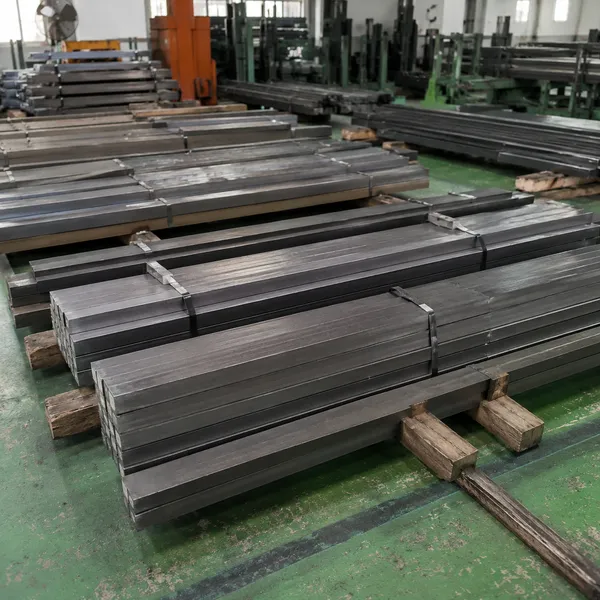
Step 1 — Raw Material
Raw material bar stock verified by spectrochemical analysis before production.
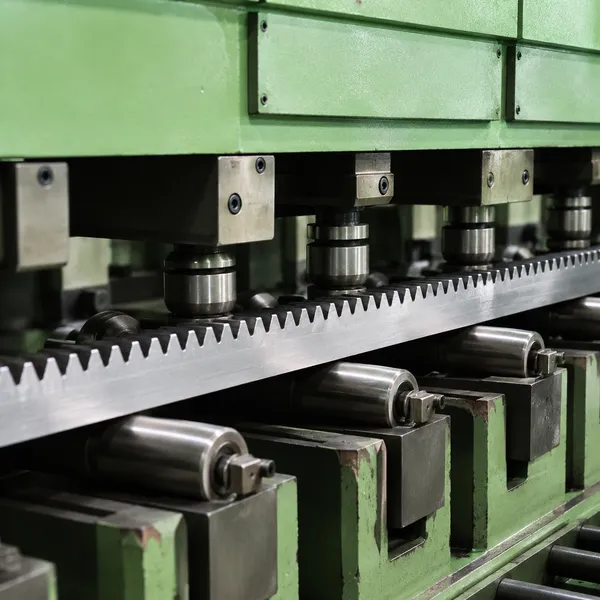
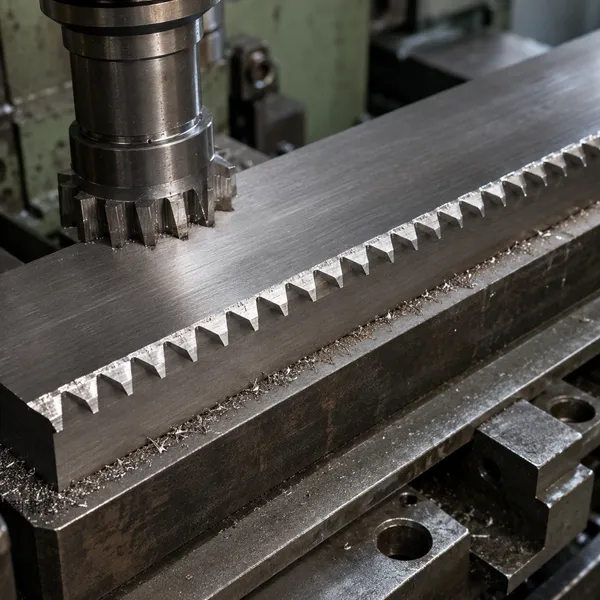
Step 2 — Tooth Cutting
Teeth cut on CNC rack milling or hobbing machine to specified module and pressure angle.
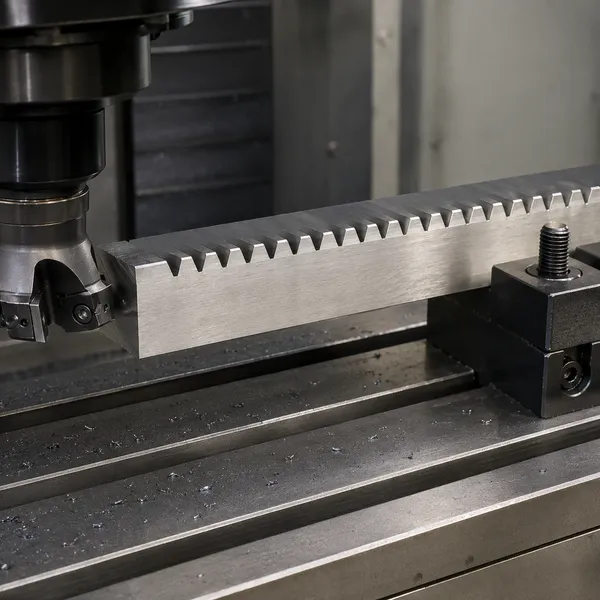
Step 3 — Deburring
Tooth-end burrs removed and edges chamfered to prevent handling damage and sharp corners.
Step 4 — Straightening / HT
Pressure straightening after tooth cutting; induction hardening or carburising where specified.
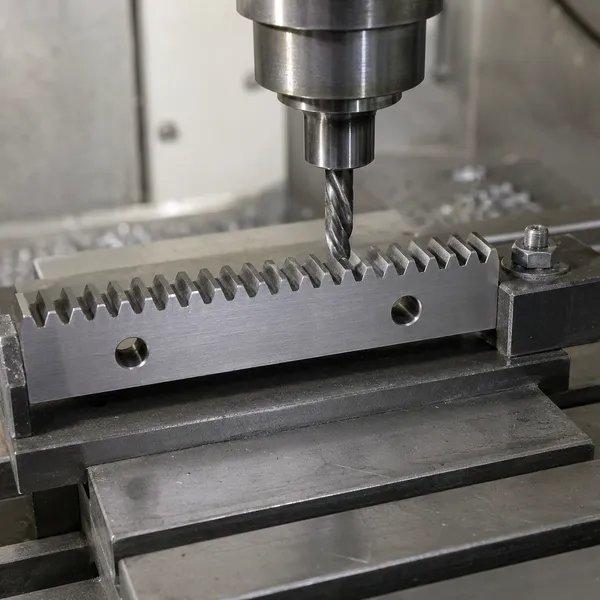
Step 5 — End Machining
End faces and mounting holes machined in CNC machining centre to drawing specification.
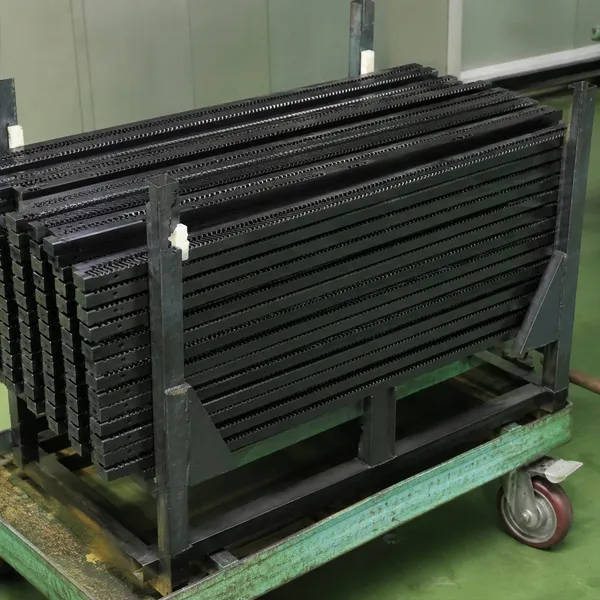
Step 6 — Surface Treatment
Black oxide, zinc plating, phosphating, or hard chrome applied per customer specification.
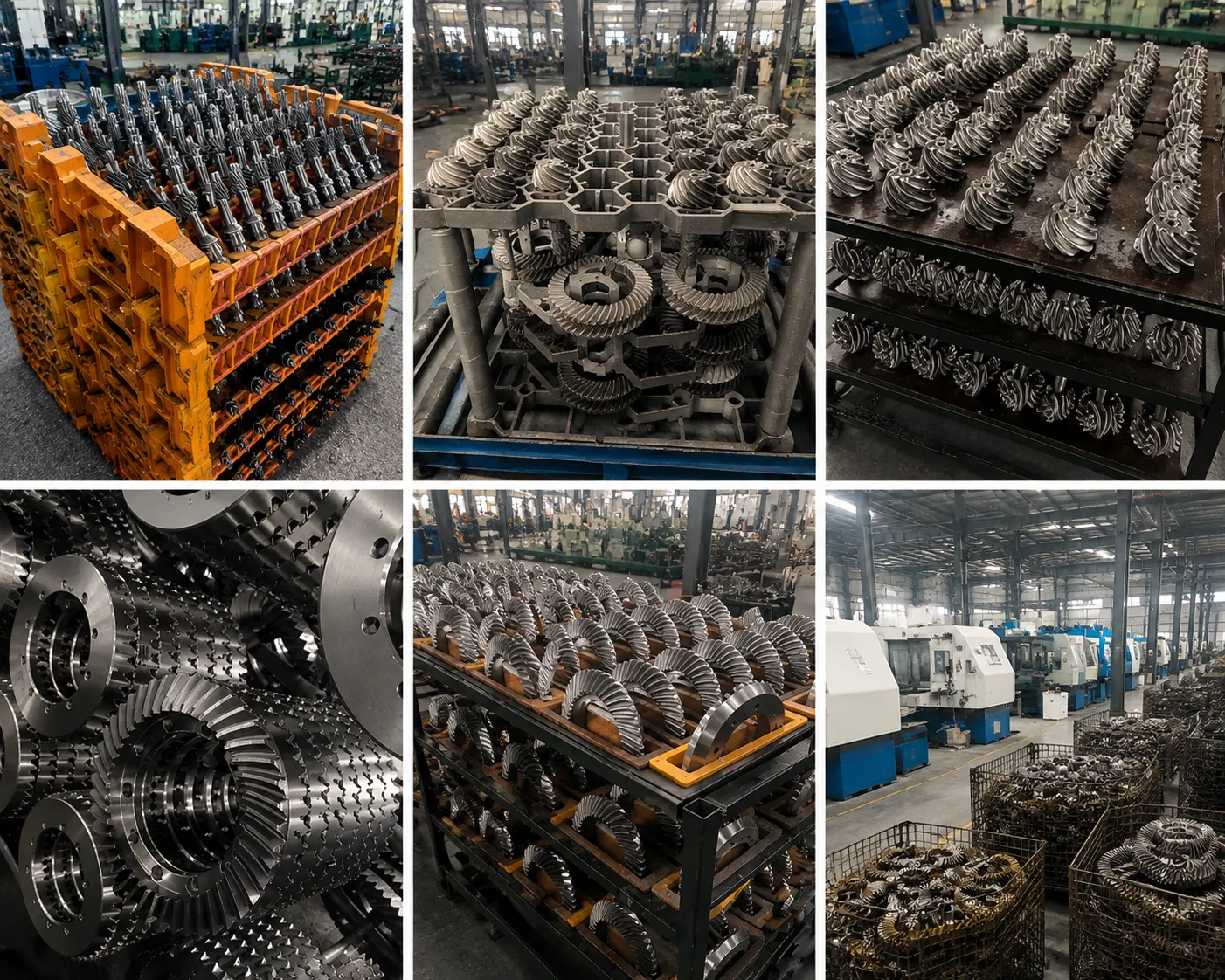
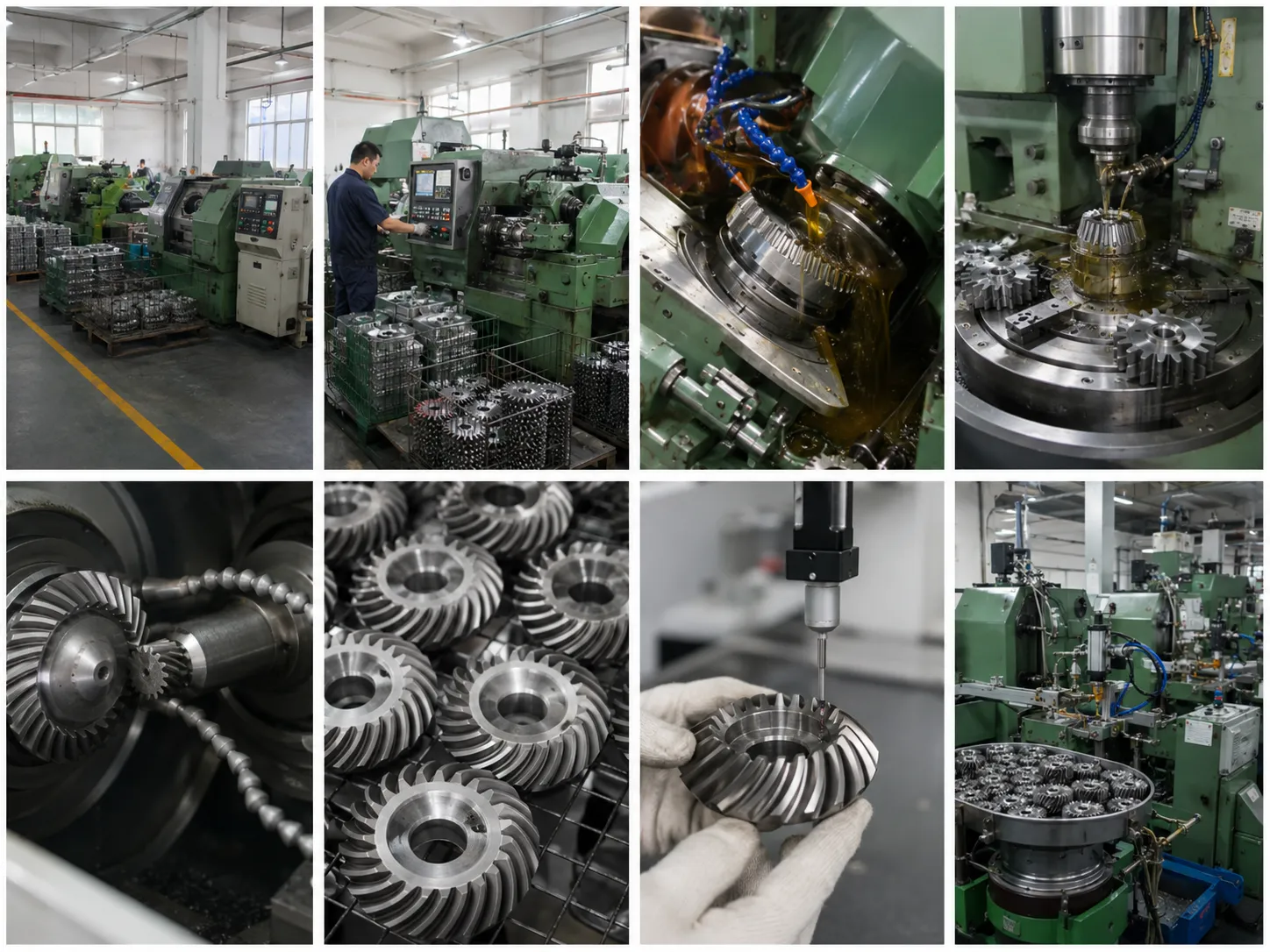
Key Production Equipment
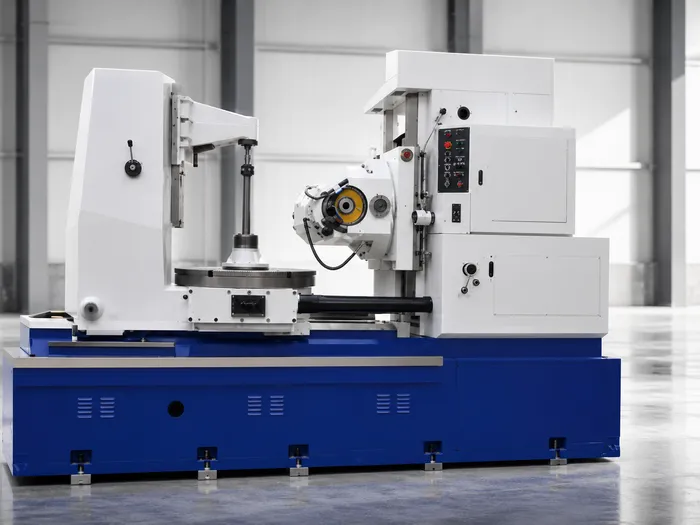
Gear Hobbing Machine
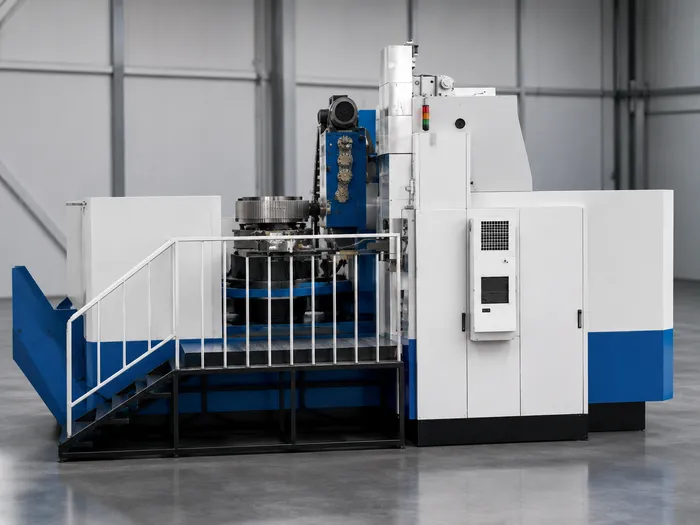
Gear Milling Machine
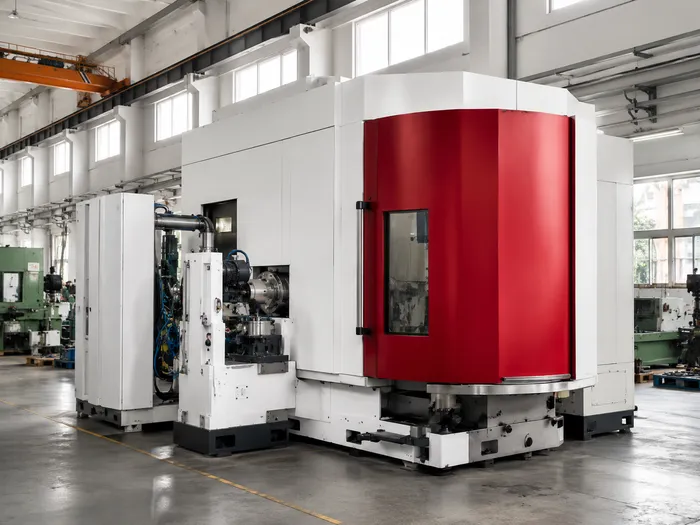
CNC Gear Grinding Machine
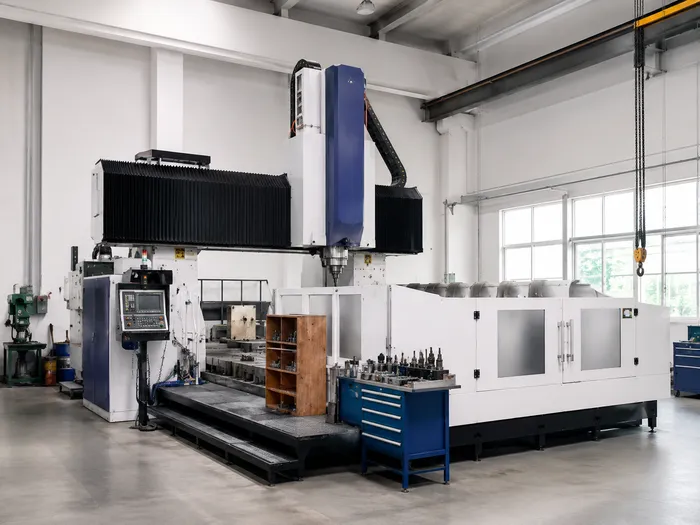
Gantry CNC Machining Centre
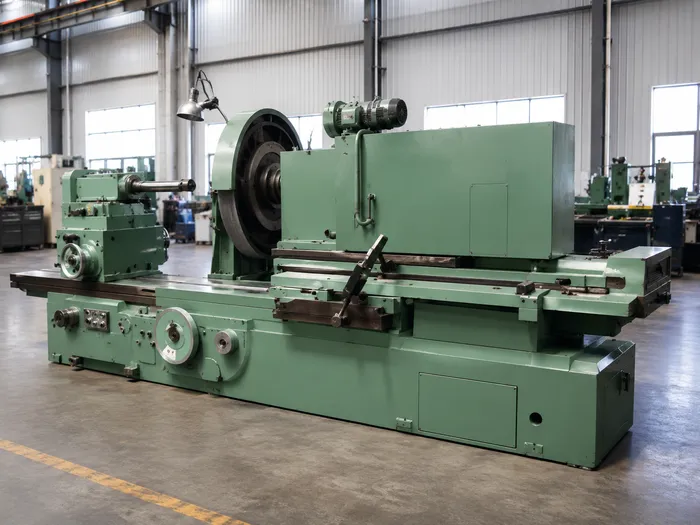
Internal Grinding Machine
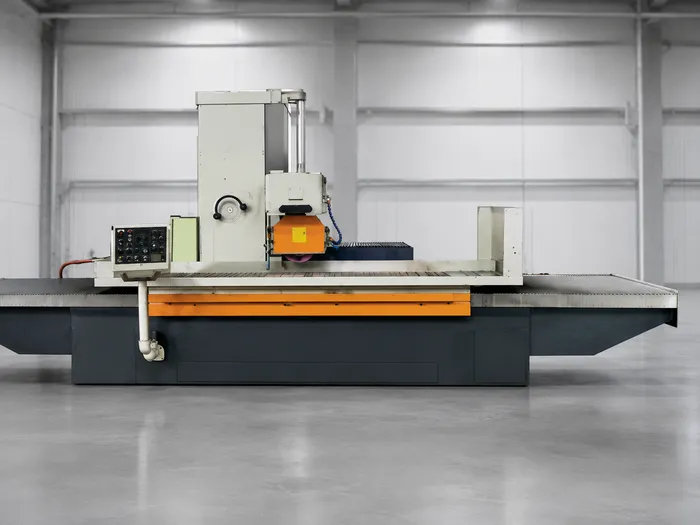
Planer Grinding and Turning
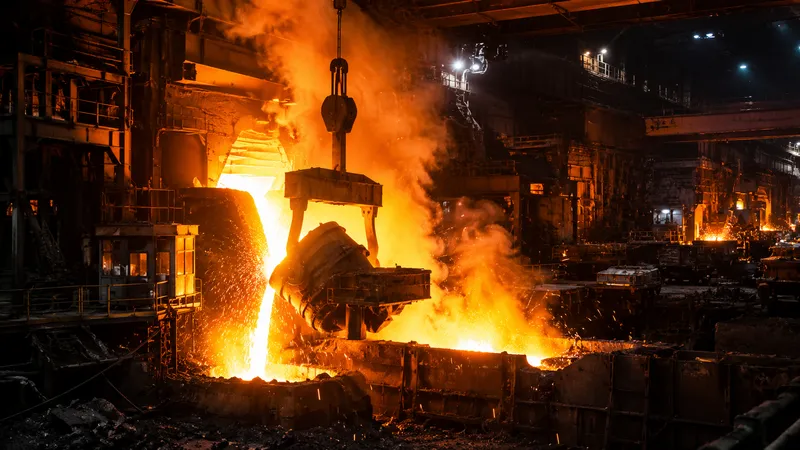
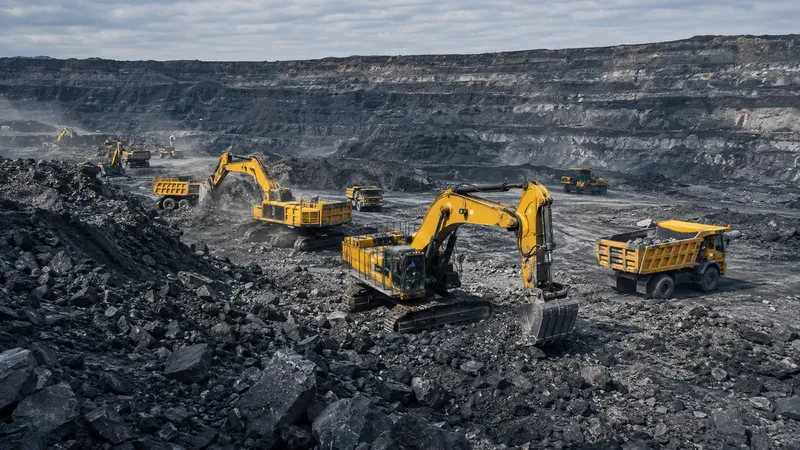
Applications by Industry






Quality Assurance and Manufacturing
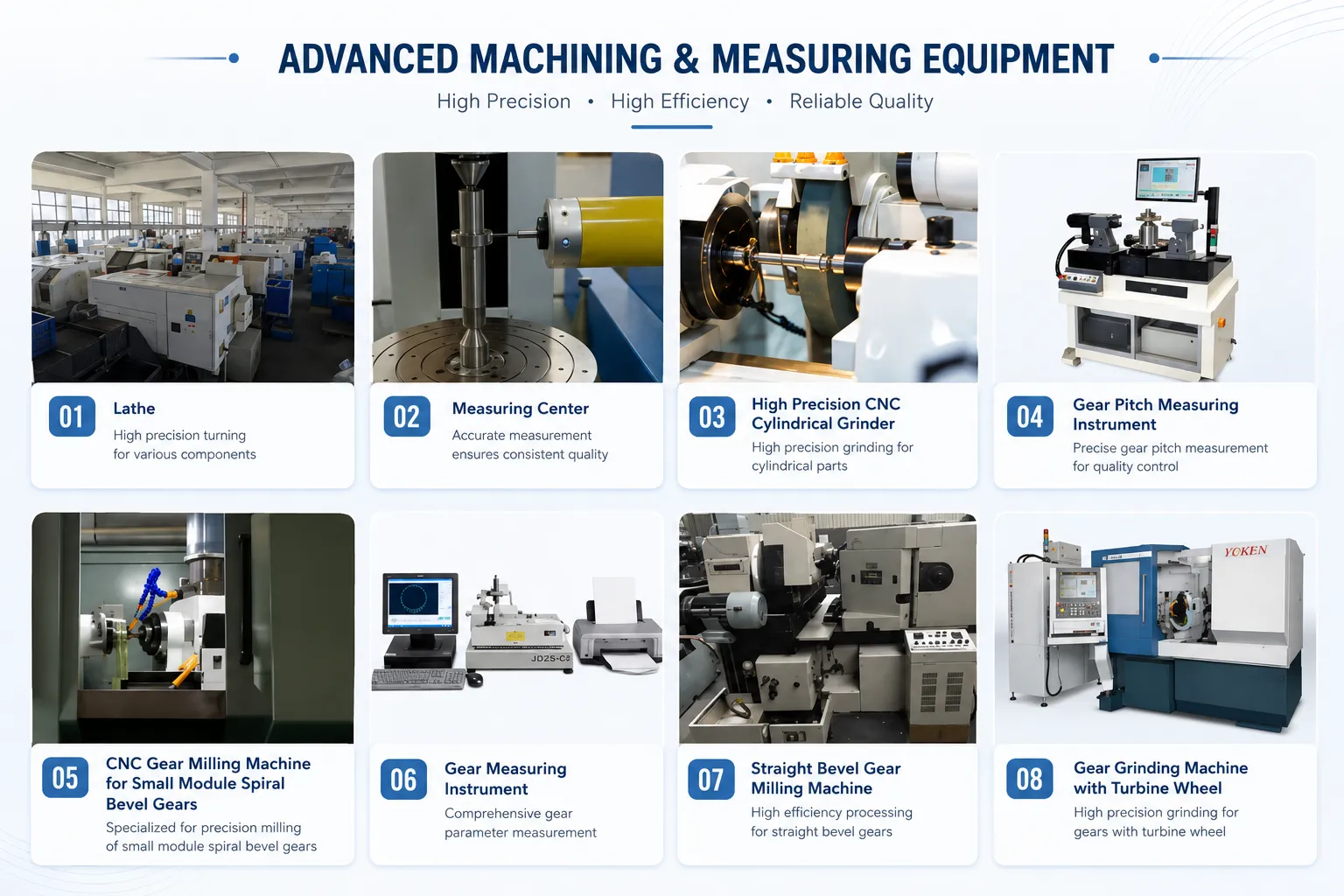
Precision Measurement Equipment
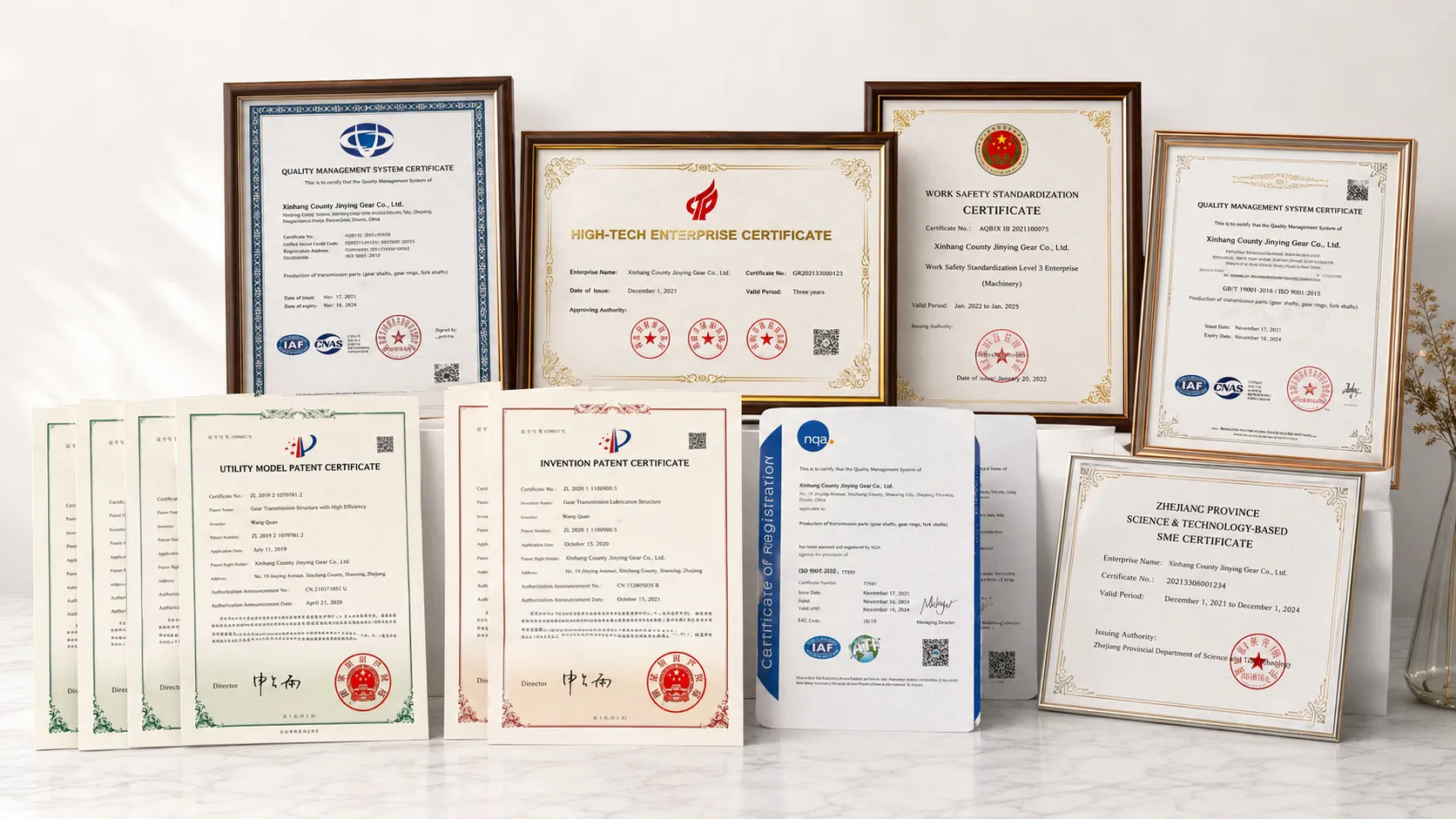
ISO 9001:2015 and Quality Certificates
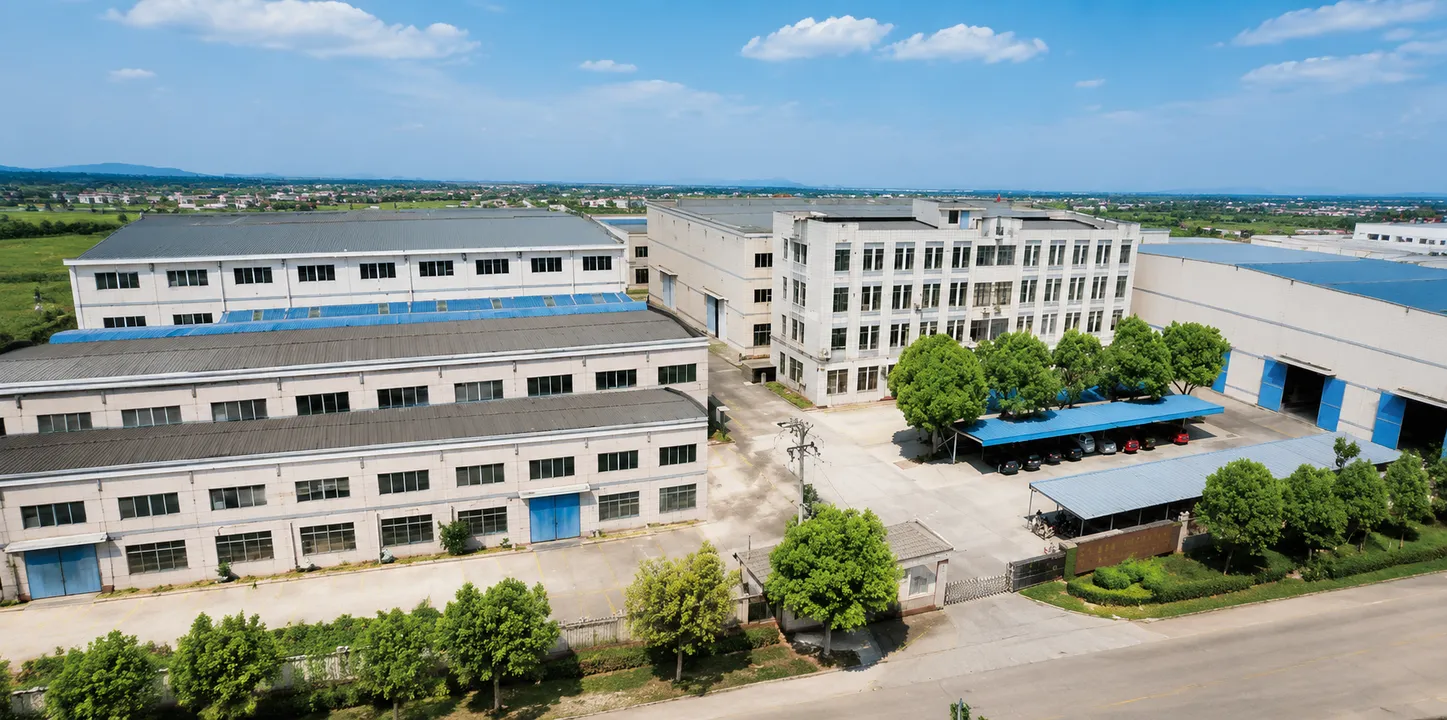
Ever-Power construction elevator racks are manufactured under ISO 9001:2015 with full documentation at every production stage. Incoming 42CrMo bar stock is verified by spectrochemical analysis before entering production. Induction hardening parameters — power, frequency, quench timing — are recorded for every batch. Hardness is verified by Rockwell test at tooth flank and section face. Dimensional inspection covers tooth pitch, rack straightness, mounting hole position, and section length. Every rack section ships with a material certificate, heat treatment record, and hardness report.
Browse the complete gear rack range on the Ever-Power main site. Related products: spur gears for hoist pinion, planetary gear sets for hoist motor reduction, helical gears, bevel gears, worm gear wheels, ring gears, and plastic gears.
Related Gear Products
Ever-Power manufactures the complete range of industrial gear types alongside gear racks. If your drive system requires matched pinions, reduction gears, or associated gear types, the following product families are available from the same source.
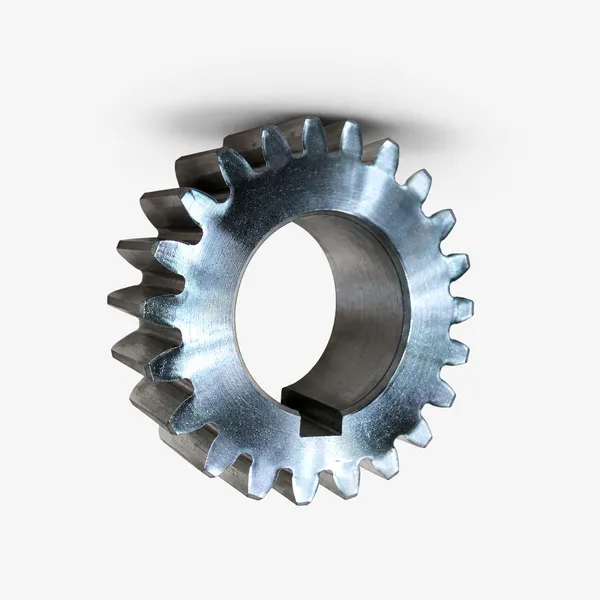
Ingranaggi cilindrici
Pinion gears matching our spur gear rack range; standard modules m0.5 to m20.
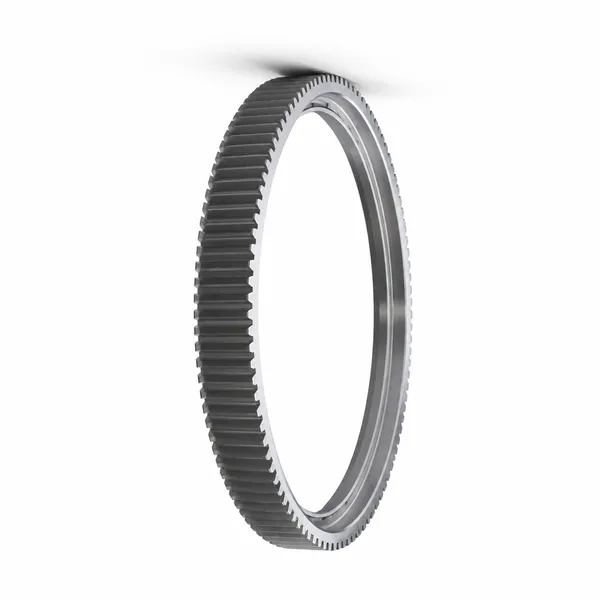
Corone dentate
Large-diameter internal or external ring gears for rotary and slewing drives.
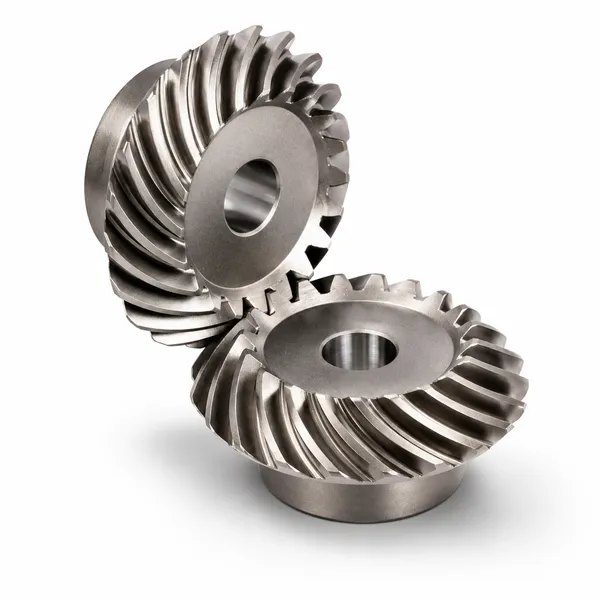
Ingranaggi conici
Straight and spiral bevel gears for right-angle drives and gear motor input stages.
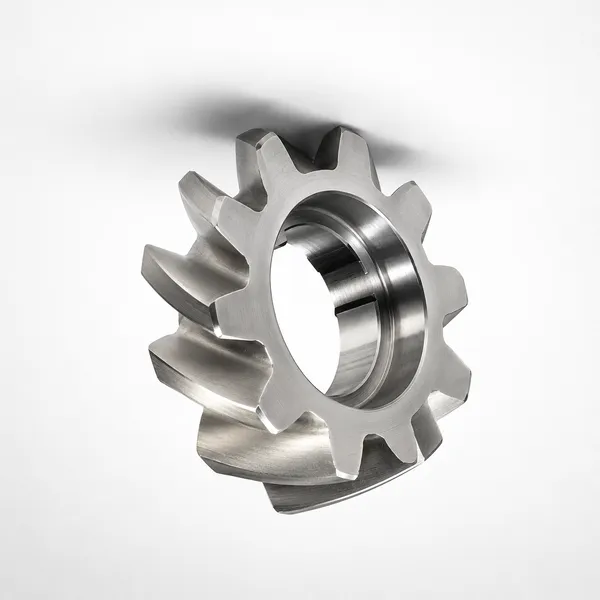
Ingranaggi elicoidali
Helical pinions for high-speed, low-noise rack drives and reduction stages.
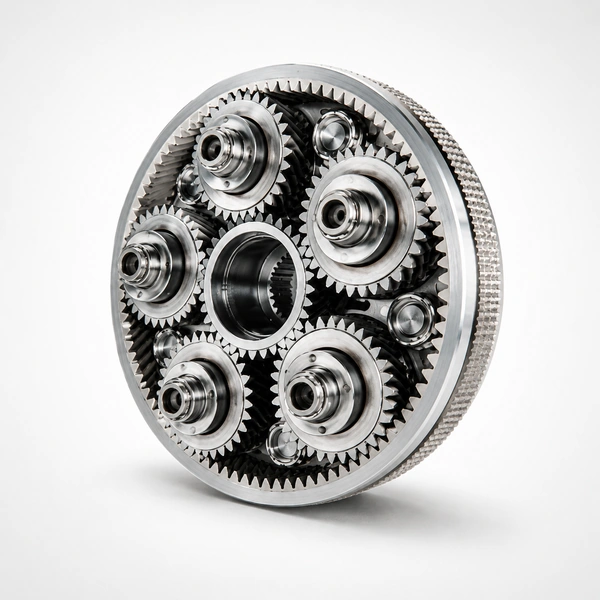
Planetary Gear Sets
Compact in-line reducers paired to servo motors; output shaft connects to the rack pinion.
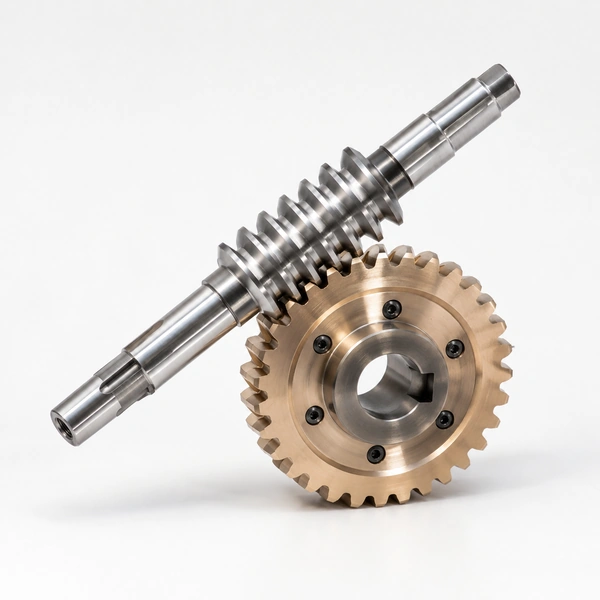
Worm Gear Wheels
Self-locking worm reducers for vertical rack axes holding position under gravity load.
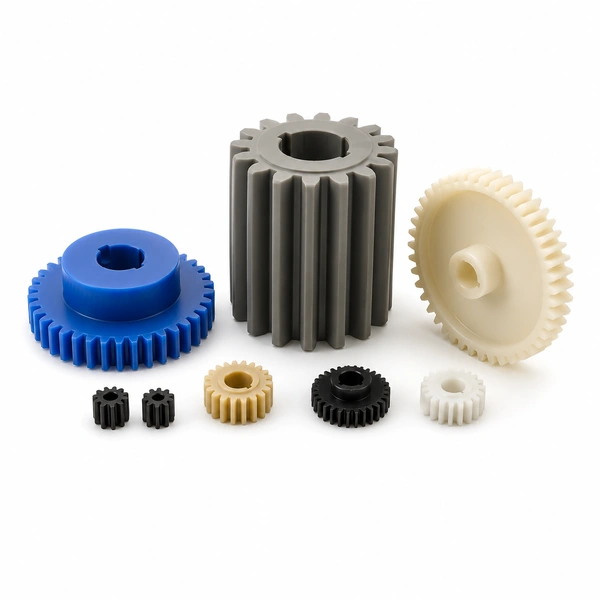
Plastic Gears
Nylon, POM, and polycarbonate pinion gears for light-duty, lubrication-free rack drives.
Domande frequenti
What causes excessive noise in the gear rack during elevator operation?
Excessive noise is most commonly caused by insufficient or contaminated lubrication — construction sites are harsh environments where rain, concrete dust, and wind constantly degrade the grease film on the rack teeth. Other causes include worn or chipped teeth, incorrect pinion centre distance, and loose mast section joints that allow micro-movement at the rack butt joint. Regular lubrication with a heavy-duty bitumen or adhesive open-gear grease resolves the lubrication cause. Tooth wear requires rack replacement.
How do I verify correct rack alignment when adding a new mast section?
Ever-Power construction elevator racks have half-tooth machined ends. When the new section is placed end-to-end against the existing rack and both are bolted to the mast section, the half-tooth joint produces a correct pitch transition. No tooth gauge is needed for field installation — the end geometry itself sets the correct pitch. Verify the joint by running the cage through it slowly after installation and listening for any change in mesh noise at the joint location.
What if the gear rack shows excessive wear and tear over time?
Schedule regular inspections — recommended at every 250 operating hours or monthly, whichever comes sooner on active sites. Measure tooth thickness using a gear tooth calliper at three points along each rack section; a reduction of 20% from nominal tooth thickness is the replacement threshold specified in most hoist manufacturer service manuals. Replace worn sections promptly — do not continue operating with a worn rack, as the reduced tooth cross-section increases the risk of tooth fracture under emergency braking loads.
Can the gear rack be customised to match our hoist manufacturer specification?
Yes. Send us the hoist manufacturer part number, OEM drawing, or dimensions of the existing rack section including module, section length, face width, mounting hole pattern, and safety rack hole positions. We produce exact-dimension replacement sections for all major construction hoist brands. For new hoist designs, send us the hoist capacity, cage speed, motor torque, and mast section dimensions and we will design the rack specification from first principles.
Request a Quotation for Construction Elevator Gear Racks
Send your hoist OEM drawing, module, section length, and required quantity. Material certificate and hardness report included with every order.
Informazioni aggiuntive
| Redattore |
|---|
Prodotti correlati
-
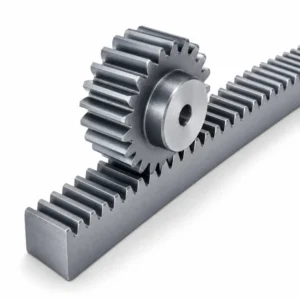
Ground Gear Rack | Precision Ground Spur Rack, DIN5-7, OEM Supply
-
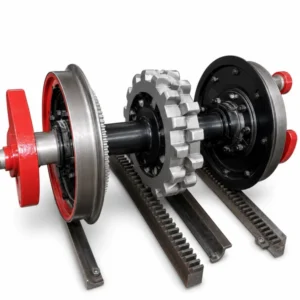
Gear Rack for Railway Axles | High-Load Precision Rack, OEM Supply
-
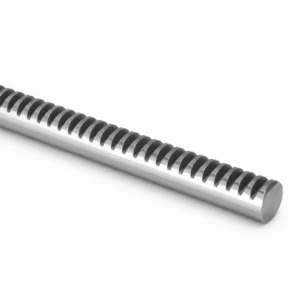
Round Gear Rack | Cylindrical Bar Rack, M1 Steel, Custom OEM Supply
-
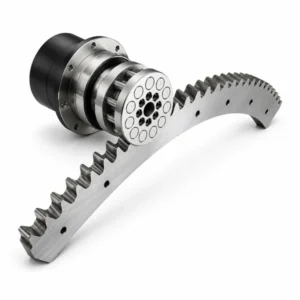
Rack and Pinion Steering Gear Rack | Automotive Steering Rack Supplier
-
Spur Gear Rack | Straight Tooth Rack and Pinion, M1-M32, OEM Supply
-
Gear Rack for Automobiles | Steering Rack, EPAS, OEM Replacement Supply
-
Gear Rack for Machine Tool Industry | CNC, Milling, Grinding, OEM Supply
-
Gear Rack and Pinion | Spur, Helical, Ground and Custom OEM Supply
 Italian
  English
  Korean
  French
  Japanese