
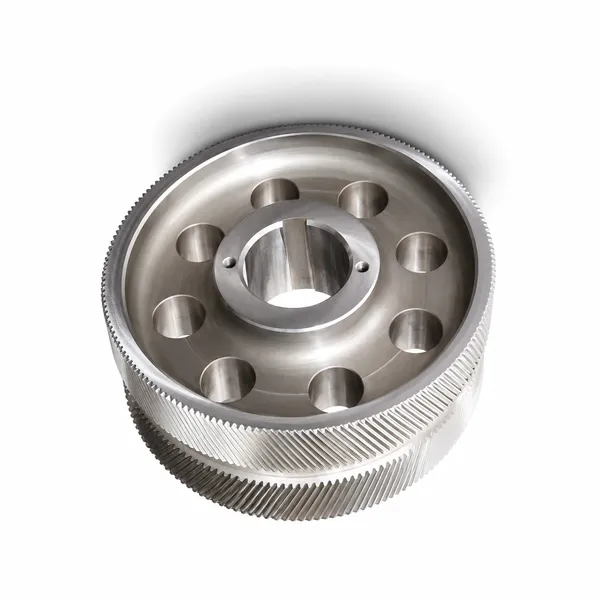
Double Helical Gear – Steel, OD up to 1370mm, Custom OEM
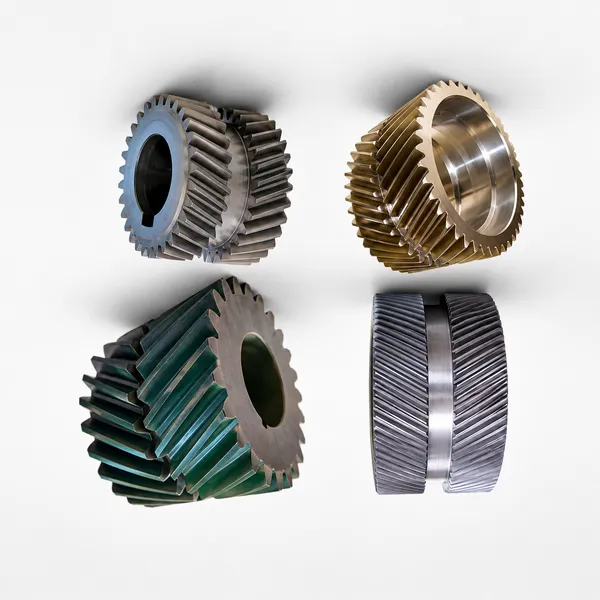
Double helical gears are a variation of helical gears in which two helical faces are placed next to each other with a gap separating them. Each face has identical but opposite helix angles. Employing a double-helical set of gears eliminates thrust loads and offers the possibility of even more significant tooth overlap and smoother operation.
Product Overview
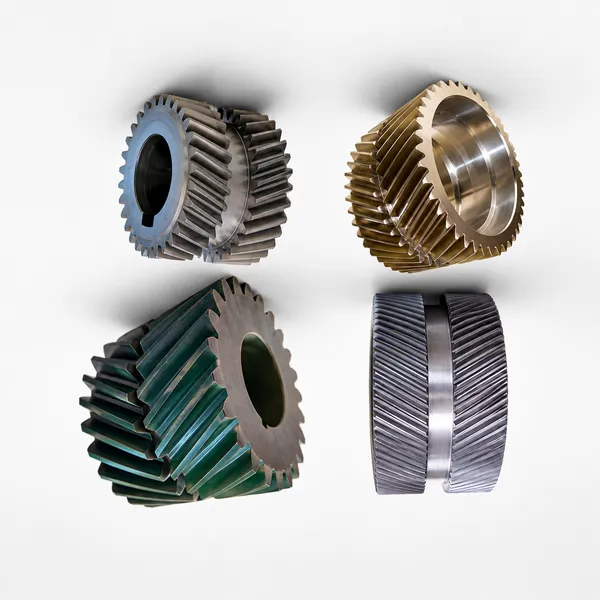
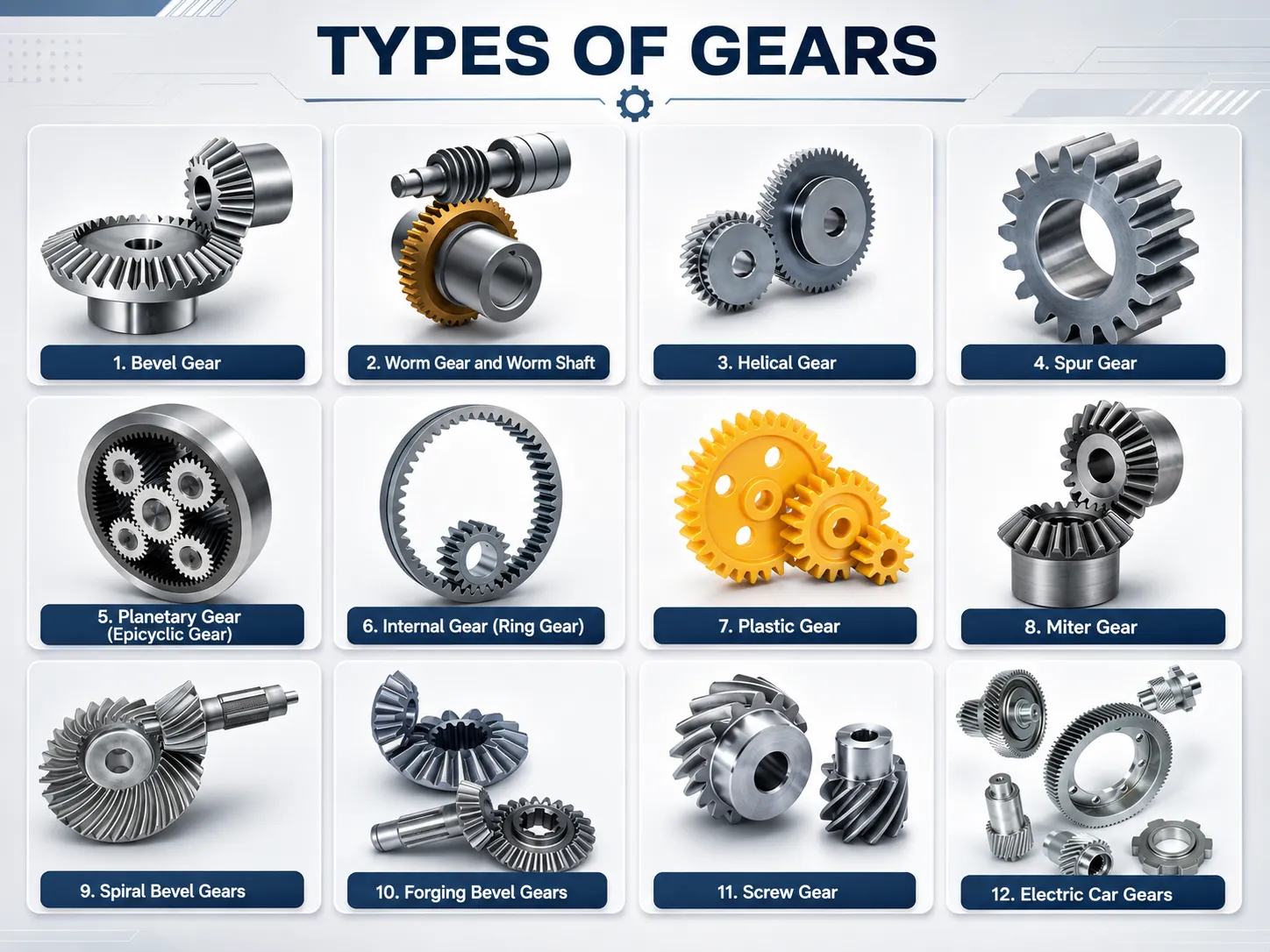
A combination of left-handed and right-handed helical gears with the same twist angle is called a double helical gear. Double helical gears transmit rotational motion between two parallel shafts. They have all the advantages of helical gears — strong and quiet — plus the benefit of cancelling axial thrust forces by combining helical gears with both right- and left-hand twists.
Double helical gears and herringbone gears are the same types of gear, but those with a groove in the centre are called double helical gears, while those without a groove where the left and right teeth meet are called herringbone gears. Both transmit motion exclusively between parallel shafts.
Korea Ever-Power produces double helical gears to customer drawings and sample specifications across a wide range of modules, materials, and accuracy grades. Applications include power generation turbine gearboxes, marine propulsion reduction stages, rolling mill drives, large industrial compressor drives, and high-power cranes. All production ships with full QA documentation: chemical composition report, mechanical performance test, heat treatment record, and dimensional inspection report.
Technical Specifications
The tables below present the product specifications and production capabilities drawn from the original gear data. Specific dimensions, module, tooth count, helix angle, material, and heat treatment for each order are confirmed against the customer's drawing at the quotation stage.
| Double Helical Gear — Product Specifications | |
|---|---|
| Gear Type | Double helical gear (with central relief groove) / herringbone gear (without groove) — per customer drawing |
| Tooth Shape | Involute |
| Shaft Configuration | Parallel axis only; external gear |
| Helix Angle — Double Helical | 20° – 45° (high helix angle practical due to cancelled axial thrust) |
| Helix Angle — Single Helical (reference) | 15° – 20° (limited by axial thrust load on bearings) |
| Axial Thrust Force | Zero (resultant thrust developed in double helical gear is zero; no axial load on bearings; radial force exists as normal) |
| Pressure Angle | 20° standard; other angles per customer drawing |
| Bearing Span | Longer than single helical gear — due to central relief groove between two helical faces |
| Power Capacity | Higher than single helical gear for identical size and module; suitable for cranes, marine drives, turbines |
| Efficiency | Higher than single helical gear; higher than spur gear and worm gear |
| Gear Alignment Requirement | Precise alignment required — misalignment prevents full thrust cancellation and causes uneven load distribution |
| Material — Standard | 20CrMnTi, 42CrMo, 40Cr, 20CrNiMo, 18CrNiMo6, 45# carbon steel, cast iron, stainless steel 304/316 |
| Heat Treatment | Carburising & quenching, through-hardening & tempering, nitriding, induction hardening, normalising |
| Surface Hardness | 58–62 HRC (carburised); 280–340 HB (through-hardened); per heat treatment route and material |
| Gear Process | Forging → turning → hobbing → heat treatment → external grinding → tooth grinding (per accuracy grade) |
| Tooth Finishing | Hobbed, shaved, or ground — per accuracy grade and application |
| Accuracy Standard | ISO, DIN 3962, AGMA, JIS, GB — per customer drawing; DIN 6 standard for high-power turbine/marine applications |
| Surface Treatment | Phosphating, black oxide, zinc plating, passivation, as-machined |
| Mounting | Keyed bore, spline bore, interference fit, or flanged — per customer specification |
| QA Documentation | Chemical composition report, mechanical performance report, heat treatment curve, dimensional inspection report; UT (EN 10228-3 / SA388) available |
| OEM / ODM | Full service; customer drawings, worn samples, and reverse engineering accepted |
Gear / Spline Production Capabilities
| External Gears & Splines | Hobbing | Milling | Tooth Grinding |
|---|---|---|---|
| Maximum O.D. | 2,500 mm | 2,500 mm | 2,500 mm |
| Maximum Face Width | 500 mm | 500 mm | 500 mm |
| Maximum Module | 26 mm | 26 mm | 45 mm |
| AGMA / DIN Level | DIN Class 8 | DIN Class 8 | DIN Class 4 |
| Tooth Surface Finish | Ra 3.2 | Ra 3.2 | Ra 0.6 |
| Maximum Helix Angle | ±45° | ±22.5° | ±45° |
| Internal Gears & Splines | Milling | Shaping | Tooth Grinding |
|---|---|---|---|
| Maximum O.D. | 2,500 mm | 2,500 mm | 2,500 mm |
| Minimum I.D. | 650 mm | 50 mm | 100 mm |
| Maximum Face Width | 500 mm | 500 mm | 500 mm |
| Maximum Module | 26 mm | 26 mm | 45 mm |
| AGMA / DIN Level | DIN Class 8 | DIN Class 8 | DIN Class 4 |
| Tooth Surface Finish | Ra 3.2 | Ra 3.2 | Ra 0.6 |
| Maximum Helix Angle | ±22.5° | ±22.5° | ±45° |
Double Helical, Single Helical, and Herringbone — Key Differences
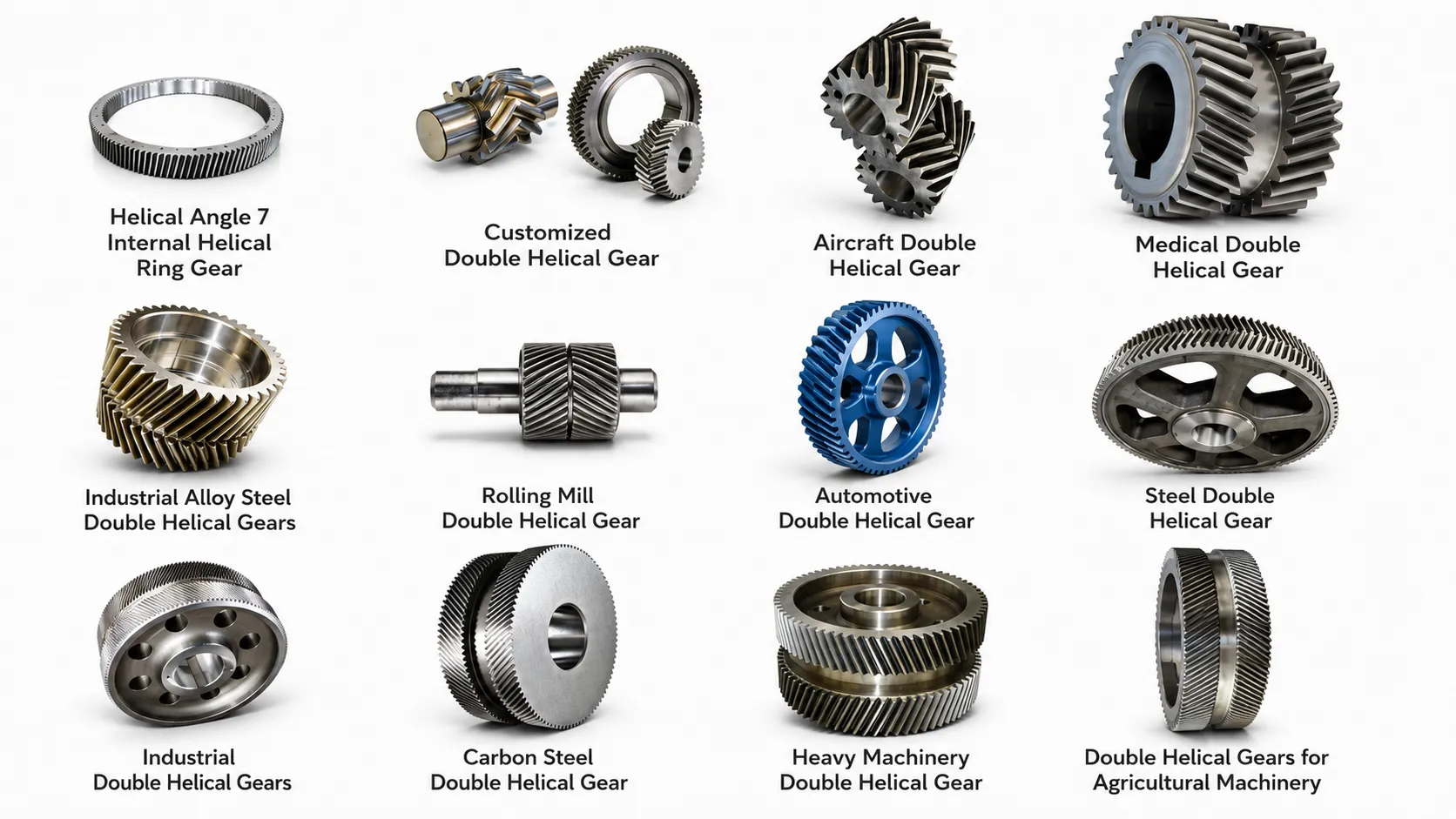
Three related gear forms are commonly grouped together. Understanding the distinctions matters when specifying or sourcing a replacement.
Single Helical Gear
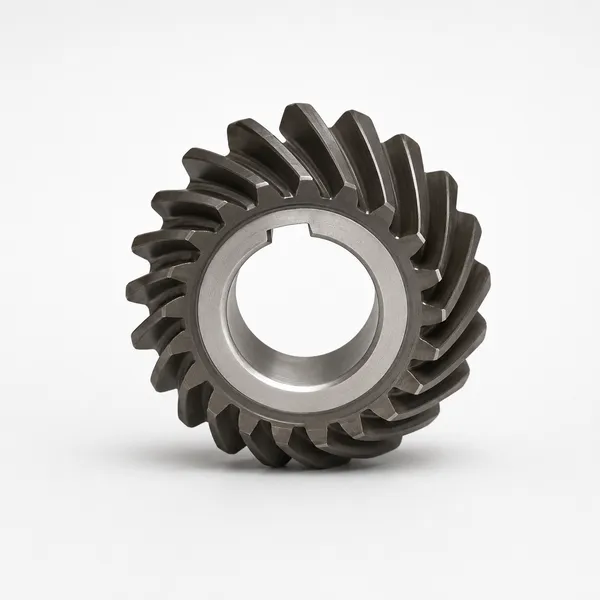
Teeth inclined in one direction only. Progressive engagement produces smooth, quiet operation but generates sustained axial thrust on shaft bearings. Helix angle limited to 15°–20°. Suitable for mechanical drives and moderate-power applications; bearing span is shorter than double helical.
Double Helical Gear (with central relief groove)
Two helical faces — identical helix angle, opposite hand — separated by a machined central groove. Axial thrust cancels completely; no axial load on bearings. Higher helix angles (20°–45°) are practical. Bearing span is longer due to the central groove. Suitable for high-power cranes, marine drives, and turbines. Precise alignment is required to maintain thrust balance.
Herringbone Gear (no central groove)
Identical thrust-cancelling and load-capacity characteristics to double helical, but left-hand and right-hand teeth meet at the centreline without a groove. Maximises effective face width, but requires specialised continuous-cutting equipment. Korea Ever-Power produces both forms to customer drawings.
| Parameter | Single Helical Gear | Double Helical Gear |
|---|---|---|
| Tooth helix direction | One direction only (left-hand or right-hand helix) | Two identical gears joined on the same axis — one left-hand helix, one right-hand helix |
| Axial thrust force | Develops axial thrust force; exerts load on corresponding bearings; radial force also generated | Resultant thrust force is zero — no axial load on bearings; radial force exists as normal |
| Helix angle range | 15° – 20° (limited by axial thrust load) | 20° – 45° (high helix angle advantageous due to cancelled thrust) |
| Power transmission capacity | Comparatively lower | Higher — can transmit more significant power for identical size and module |
| Efficiency | Comparatively lower | Higher efficiency |
| Bearing span | Shorter | Longer — due to central relief groove between the two helical faces |
| Alignment requirement | High precision not usually required | Precise alignment required — misalignment prevents thrust balance and causes vibration |
| Cost | Lower | Higher — design and fabrication are complex and time-consuming |
| Typical applications | Mechanical drives; moderate-power requirements; varied configurations | High-power applications: cranes, marine drives, turbines |
Materials and Heat Treatment
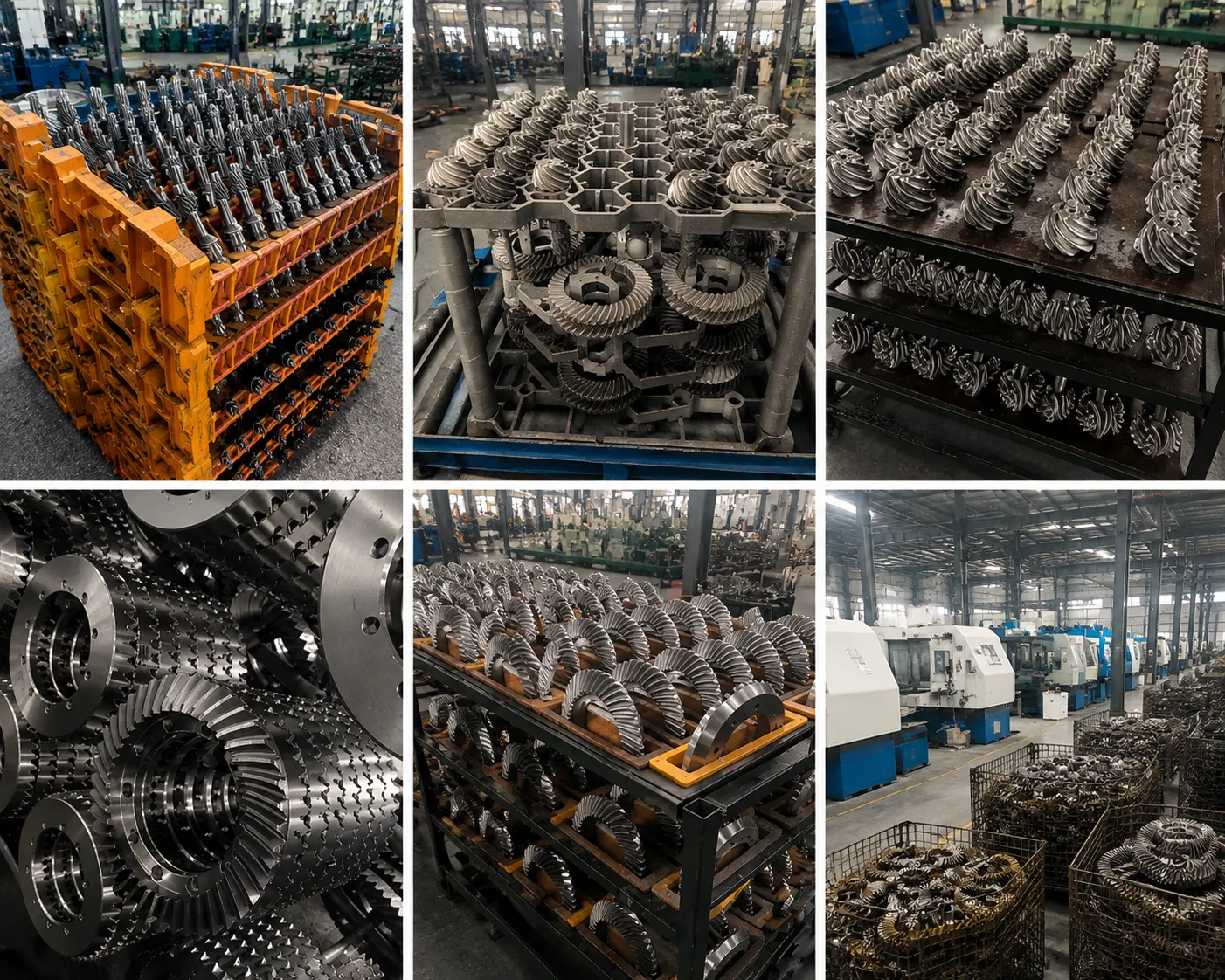
Korea Ever-Power's engineering team specifies the heat treatment route for each order based on load type, speed, and required service life.
Carburising & Quenching — 20CrMnTi, 20CrNiMo, 18CrNiMo6
Standard route for continuous high-load drives. Carbon diffusion to 0.8–1.0% followed by quenching produces 58–62 HRC case over a tough core. Post-quench tooth grinding corrects heat treatment distortion and delivers the final accuracy grade (typically DIN 6 for turbine and marine applications).
Through-Hardening & Tempering — 42CrMo, 40Cr, 45#
Uniform 280–340 HB from surface to core. Preferred for large gears where furnace carburising capacity is a constraint, or where field re-machining is required. Used in rolling mill and crane drives where shock impact demands ductility through the full section.
Nitriding — 31CrMoV9, Nitriding Steels
For large gears where post-hardening grinding is impractical. Nitriding at 500–580°C produces 700–1000 HV surface hardness with minimal dimensional distortion. The gear is finish-machined to final accuracy before nitriding. Suited to offshore and marine gearboxes where corrosion resistance is also required.
Applications
Power Generation & Turbines
Steam turbine and gas turbine reduction gearboxes at very high continuous power. Double helical gears eliminate the thrust bearing stage, reducing losses and maintenance. 20CrNiMo carburised, tooth-ground to DIN 6 accuracy is the standard specification.
Marine Propulsion
Ship propulsion reduction gearboxes — among the largest applications for double helical gears. Marine drives require classification society documentation (DNV, ABS, Lloyd's Register). Nitrided surfaces improve corrosion resistance in marine atmospheres.
Rolling Mills
Steel and aluminium rolling mills with frequent load reversals and shock events. Through-hardened 42CrMo at 280–320 HB provides core ductility needed to absorb impact without case spalling.
Mining Equipment
Bucket wheel excavator drives, conveyor head drives, and ball mill drives requiring continuous high torque with limited maintenance access. Highest available torque density per unit of centre distance.
Oil & Gas Compressors
Integrally geared centrifugal compressors for gas pipeline and process plant. Zero axial thrust is critical — the compressor impeller already generates axial thrust, and any additional thrust from gear stages compounds the impeller bearing load.
Cranes & Heavy Industrial
Large crane hoisting gearboxes, cement mill drives, sugar mill drives, and pump station reduction gears. The axial self-centering property is particularly valuable in long, heavy gearbox shafts subject to thermal expansion.
Quality Assurance
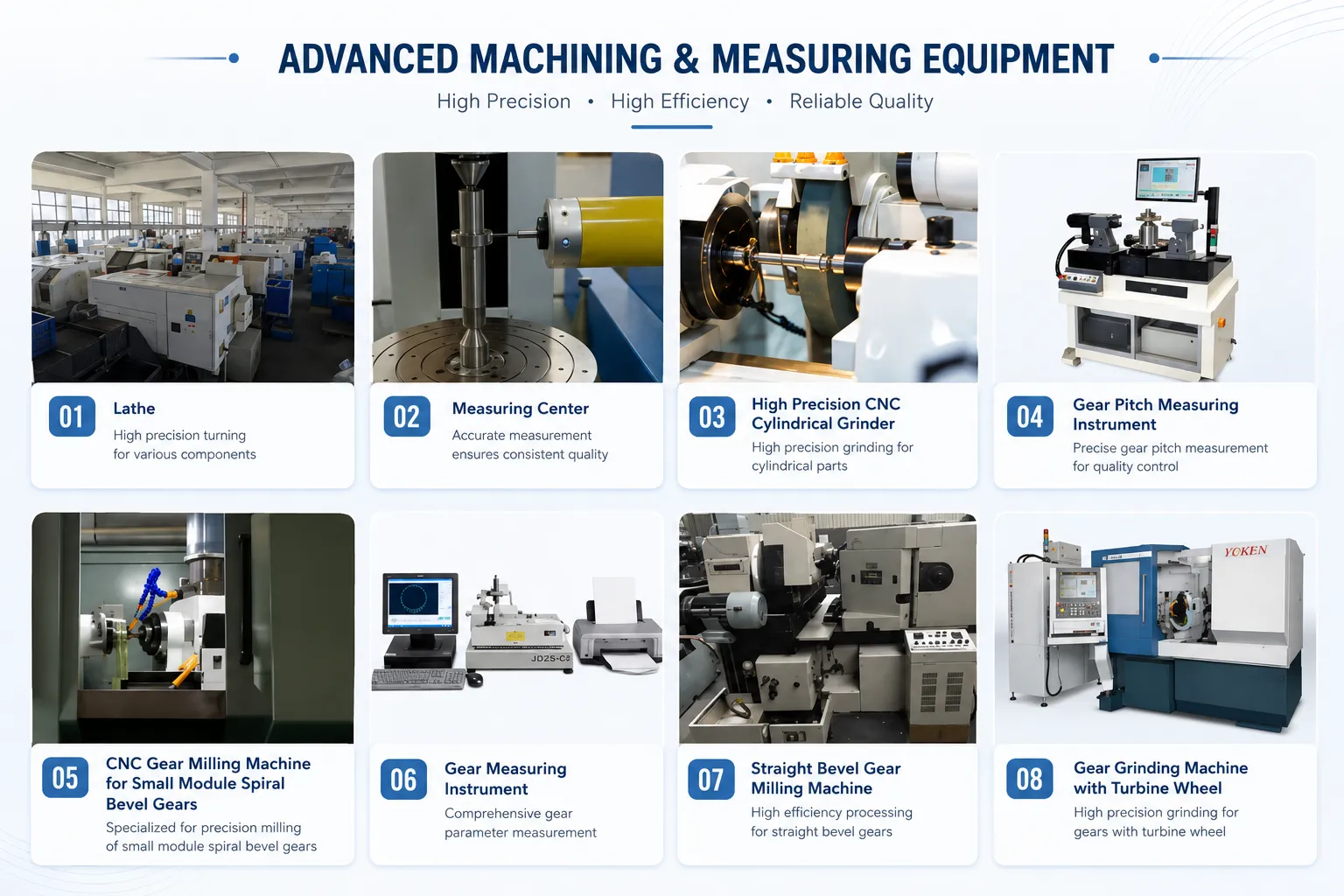
- Chemical composition report — mill certificate and spectral analysis confirming the alloy grade before any machining begins.
- Mechanical performance report — tensile strength, yield strength, elongation, and Charpy impact energy from test pieces in the same heat as production parts.
- Ultrasonic test (UT) report — 100% volumetric UT per EN 10228-3 or SA388, performed on the blank before gear cutting. Selectable option; standard for turbine and marine applications.
- Heat treatment record — original time-temperature curves from carburising, quenching, and tempering furnace runs, retained per batch.
- Dimensional inspection report — CMM verification of tooth spacing error, profile form, helix angle, pitch diameter, bore, OD, face width, and central groove dimensions. Angular alignment between the two helical faces is verified to confirm correct helix angle opposition.
Frequently Asked Questions
If the axial thrust cancels internally, why do double helical gears still require precise alignment?
The thrust cancellation depends on both helical faces being equally and correctly loaded. If misaligned, one face carries more load than the other — cancellation is incomplete and a net axial force develops. More critically, misalignment shifts the tooth contact zone toward one edge of each face, concentrating stress and initiating pitting at a fraction of the design torque. Alignment requirements are therefore more stringent for double helical gears, not less, because optimal performance depends on symmetric loading of both tooth faces simultaneously.
What are the consequences of incorrect central groove dimensions?
The groove provides runout space for the cutting tool when machining each helical face. If too narrow, the cutter cannot complete the tooth form near the groove. If too wide, it reduces the effective face width of each helical section below the design value, lowering load-carrying capacity and contact ratio. Korea Ever-Power's dimensional inspection report includes groove width and depth verification for every double helical gear.
Can you produce a double helical gear from a worn sample without a drawing?
Yes. Send us the gear with outer diameter, tooth count, face width, bore, hub diameter, and hub length. Our engineering team measures the helix angle directly from the sample — a one-degree error in helix angle causes offset tooth contact and reduces thrust cancellation. A production drawing is prepared and submitted for customer approval before cutting begins.
How does lubrication work for high-power double helical gears?
High-power double helical gears use splash or pressure-fed oil lubrication. The central groove creates a potential drainage path — oil flung by centrifugal force tends to drain from the central section. Lubrication systems must deliver oil to the mesh zone on both tooth faces, typically via spray nozzles aimed at both incoming and outgoing mesh zones, positioned to compensate for centrifugal drainage.
What information is needed to get a quotation?
For a new design: module, tooth count, helix angle and hand on each face, pressure angle, face width, central groove width, bore type, material, heat treatment, accuracy class, and documentation requirements. For replacement from a worn sample: the measurements above, plus whether the original drawing is available. Contact our engineering team and we will return a feasibility review and price within two working days.
Customer Reviews
"We replaced double helical gear sets in a 12 MW steam turbine reduction gearbox — the original OEM had ceased support for this gear size. Korea Ever-Power reverse-engineered from our worn sample and produced to DIN 6 accuracy in 20CrNiMo carburised. The UT report, heat treatment curve, and dimensional inspection package met our power station operator's maintenance documentation requirements. Gearbox has run 18 months since overhaul without issue."
Kim Hyeong-jun | Chief Mechanical Engineer, Gyeongnam Power Generation Co. · Q1 2026
"We switched from single helical to double helical gears in our latest marine propulsion reduction gearbox generation. Eliminating the thrust bearing stage reduced gearbox length by 220 mm and weight by 380 kg at the same rated power. DNV material certificates and dimensional reports accepted without query on every delivery."
Park Seung-min | Gearbox Design Manager, Busan Marine Propulsion Systems · Q3 2025
"We needed replacement double helical gear sets in 42CrMo through-hardened for a hot strip rolling mill main reduction drive. Shock loading during strip entry was fracturing carburised replacement gears from our previous supplier. Ever-Power's team correctly identified through-hardening as the appropriate route. No tooth fractures in 14 months of operation across two rolling lines."
Lee Jae-won | Plant Maintenance Manager, Incheon Steel Processing · Q4 2025
"We supply integrally geared compressors for natural gas pipeline service. The double helical bull gear and pinion sets from Ever-Power in 20CrNiMo carburised to our DIN 5 drawing have passed incoming CMM inspection on all three batches received. Central groove width consistent to within 0.05 mm batch to batch."
Choi Byeong-soo | Component Procurement Lead, Daejeon Compressor Technology · Q2 2025
"We needed nitrided double helical gears for an offshore platform reduction gearbox — salt-air environment was causing corrosion pitting on through-hardened tooth flanks. Ever-Power specified 31CrMoV9 nitriding steel to our case depth requirement. Post-nitriding dimensions were within drawing tolerance without grinding. Corrosion pitting eliminated in two years since installation."
Ryu Chang-hyun | Reliability Engineer, Ulsan Offshore Plant Services · Q1 2026
Related Products
Request a Quotation for Double Helical Gears
Send us your drawing, worn sample, or application data — module, tooth count, helix angle, material, accuracy grade, and documentation requirements. For reverse engineering, include outer diameter, tooth count, face width, bore, and hub dimensions. Our engineering team returns a feasibility review and price within two working days.
Additional information
| Editor |
|---|
Related products
-
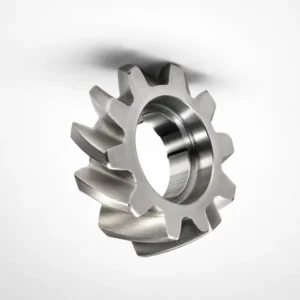
Beverage Packing Machinery Helical Gear – SS, Food Grade
-
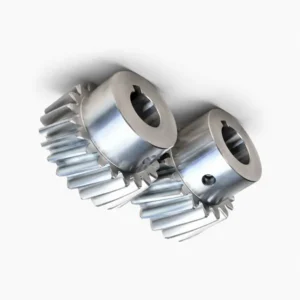
Parallel Axis Helical Gears – Steel, Custom Module & Ratio
-
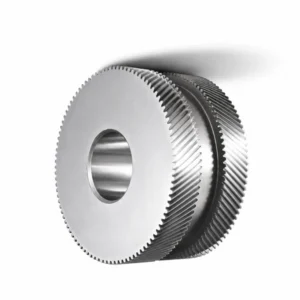
Carbon Steel Double Helical Gear – 45#, Custom OD & Module
-
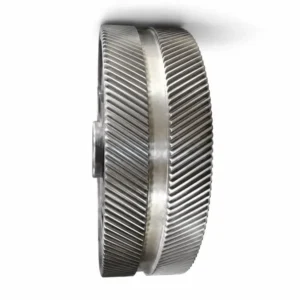
Double Helical Gears For Agricultural Machinery – 40Cr, HRC
-
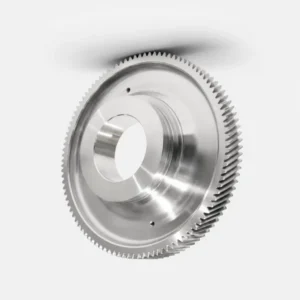
High Speed Train Hard Tooth Flank Helical Gear – 56-62 HRC
-
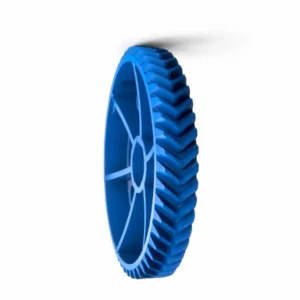
Automotive Double Helical Gear – POM, PA, PEEK, M0.15-M2.2
-
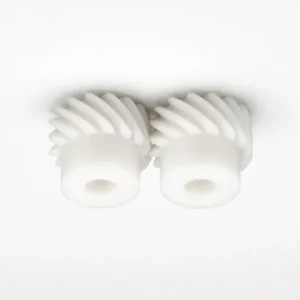
Plastic Helical Gear – POM, Nylon, M0.5-M3, Custom Moulded
-
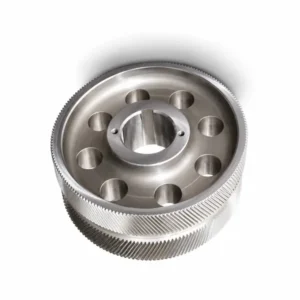
Industrial Double Helical Gears – Alloy Steel, OD to 1370mm
 English
  Italian
  Korean
  French
  Japanese