GEAR APPLICATION GUIDE · HELICAL GEAR · H07

Helical Gears for Extruder Drives:
Single-Screw, Twin-Screw and Co-Rotating Extruder Gearbox Design

Extruder drive gearboxes present a unique set of design challenges — combining the continuous high-torque, low-speed output of a plastics or rubber processing screw with the need for precise speed control, compact installation, and thermal stability across years of uninterrupted production. The helical gears inside an extruder gearbox must handle sustained torques at the upper limit of their rated capacity for 6,000–8,000 hours per year, while the screw itself generates thrust loads, radial loads, and, in twin-screw applications, complex shaft interaction forces that must all be absorbed by the gearbox without affecting gear contact quality. This guide covers helical gear specification, material selection, and gearbox integration for single-screw, parallel twin-screw, and conical twin-screw extruder drive applications.

18CrNiMo7-6 · 42CrMo4 · M6–M20 · DIN 5–7
6,000–8,000 h/yr · Torque Split · Thrust Bearing
Single-Screw · Twin-Screw · Co-Rotating · PVC

DUTY CYCLE

6,000–8,000 h/yr

Extruder drive gearboxes are among the highest duty cycle gear applications in industry — plastics compounding and pipe/profile extrusion lines run continuously with only brief planned shutdowns for screw cleaning and maintenance, placing helical gears at their thermal and fatigue limits for extended periods

HELIX ANGLE

15° – 30°

Extruder gearbox helical gear helix angles. Single-screw extruder main reduction: 20°–25°. Twin-screw torque split gears: 15°–20° (lower angle to manage axial load on the torque split shaft bearings). Ground helical gears in extruder gearboxes above 10 MW: 25°–30°

MODULE RANGE

M6 – M20

Small single-screw extruder gearbox (screw diameter 30–60 mm): M6–M8. Medium (screw 60–120 mm): M8–M12. Large industrial blown film and pipe extrusion line (screw 120–250 mm): M12–M16. Very large compounding extruder: M16–M20

QUALITY CLASS

DIN 5 – 7

DIN 5–6 ground for twin-screw torque split gears and high-speed first-stage pinions. DIN 6–7 for single-screw main reduction gears. DIN 7 acceptable for final-stage large gears in low-speed extruder gearboxes where noise and TE are not specification drivers

Extruder Drive Gearbox Architecture and Helical Gear Roles

The extruder drive gearbox serves three simultaneous functions that no other single machine component performs: speed reduction from the electric motor (typically 750–1,500 RPM) to the screw shaft (10–150 RPM depending on extruder size and process), torque multiplication from the motor rating to the process-required screw torque, and thrust load absorption — carrying the full axial thrust generated by the screw as it pushes melted polymer toward the die, which in a large pipe extrusion line can exceed 500 kN. The helical gears inside the gearbox handle the first two functions; the thrust bearing (typically a large tapered roller or spherical roller thrust bearing) handles the third, but the gearbox housing and gear arrangement must be designed to keep the thrust bearing loads from interfering with the helical gear mesh geometry.

Korea Ever-Power’s helical gears for extruder drives are manufactured in 18CrNiMo7-6 case carburized (for all first-stage and second-stage helical gears in extruder gearboxes where maximum contact fatigue resistance is required at the high rotational speeds of these stages) and 42CrMo4 through-hardened (for final-stage bull gears in large slow-speed extruder gearboxes above M16 where through-hardening provides adequate load capacity at reduced manufacturing complexity). All extruder gearbox helical gears from Korea Ever-Power are ground to DIN 5–7 quality class depending on the stage position and speed — first-stage pinions at 750–1,500 RPM are ground to DIN 5–6; final-stage gears at 30–80 RPM are ground to DIN 6–7 where noise is the specification driver, or hobbed to DIN 7 where it is not.
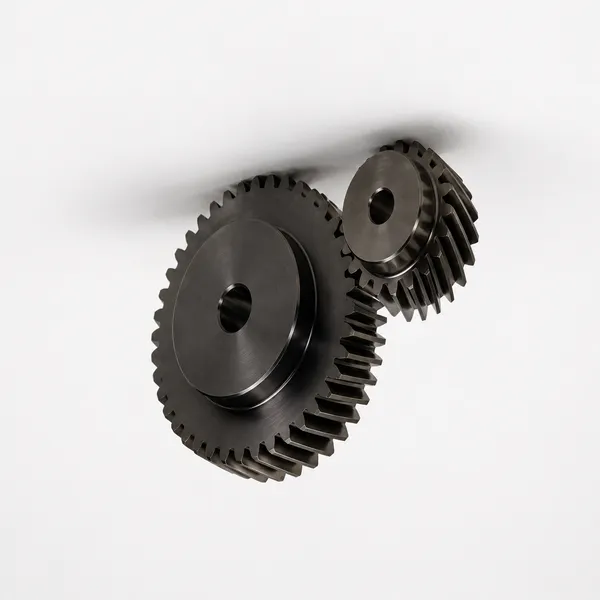
ground helical gear extruder drive gearbox Korea Ever-Power

The twin-screw extruder gearbox introduces a design requirement absent in single-screw applications: the torque split — dividing the motor torque equally between the two output shafts driving the two intermeshing screws. The torque split is achieved through a set of matched helical spur gears on an intermediate shaft (the “torque distribution shaft”) that meshes simultaneously with gears on both output shafts. Equal torque split requires that both output shaft helical gears have identical tooth geometry and the torque distribution shaft gears are matched to within ±1% of theoretical torque split — verified by measuring the torque on each output shaft under load. Unequal torque split in a co-rotating twin-screw extruder causes one screw to run at higher torque than the other, potentially exceeding the screw shaft fatigue limit while the other screw runs underloaded — the imbalance is progressive as the overloaded screw gear wears faster, increasing the split imbalance. Korea Ever-Power torque distribution shaft helical gear sets are matched as complete sets to ±0.5% torque split at the specified load.

Korea Ever-Power 18CrNiMo7-6 case carburized and ground helical gear for extruder drive gearbox first-stage reduction — M8, 28 teeth, helix angle 22° RH, HRC 60–62 tooth surface, effective case depth 0.8–1.2 mm, DIN 6 quality class. Profile crowning 8 μm to distribute load evenly across the tooth face under gearbox housing deflection at maximum screw torque. Lead crowning 6 μm to accommodate shaft misalignment from thrust bearing deflection during melt pressure peaks. Ground tooth surface Ra ≤ 0.4 μm for optimal EHL film formation at 1,200 RPM pinion speed in ISO VG 150 synthetic PAO gear oil. Used in first-stage reduction of 75–132 kW single-screw extruder gearboxes for PE pipe, PVC profile, and rubber extrusion applications running at 6,000–7,500 hours per year.

Extruder Type Application Specifications
TYPE 01

SINGLE-SCREW
EXTRUDER

Helical gear specification: M6–M16, 18CrNiMo7-6 carburized (first stage) and 42CrMo4 QT (final stage above M12), DIN 6, two or three helical gear stages, total ratio 8:1–25:1, wide face width b/d₁ ≥ 0.8 for bending fatigue safety. Single-screw extruders for plastics (PE, PP, PVC, PS, ABS) and rubber (EPDM, NBR, silicone) processing are the most common extruder type — millions of units worldwide from 20 mm laboratory extruders to 200 mm production extruders for large-diameter pipe. The gearbox for a single-screw extruder is straightforward in concept: a two or three-stage helical gear reduction with a large tapered roller or cylindrical roller thrust bearing on the output shaft to absorb the screw thrust. The critical parameter for helical gear sizing in single-screw applications is the screw-specific torque — the torque per unit screw diameter cubed, which scales with the polymer melt viscosity and die pressure. Rigid PVC at high output rates is the most demanding single-screw extruder application, with screw-specific torques approaching 11 Nm/cm³ — approximately double the screw-specific torque of a low-viscosity PE film extruder. Korea Ever-Power sizes single-screw extruder gearbox helical gears to the maximum screw torque at the maximum die pressure, not just the rated motor torque — because the motor can be overloaded by a blocked die, and the gear must survive this event.

TYPE 02

PARALLEL
CO-ROTATING
TWIN-SCREW

Helical gear specification: M6–M14, 18CrNiMo7-6 carburized, DIN 5–6 ground (all stages), torque split shaft helical gear set matched to ±0.5% split, centre distance between output shafts constrained by screw barrel bore spacing. The parallel co-rotating twin-screw extruder (ZSK-type, widely used for plastics compounding, masterbatch, and reactive extrusion) uses two intermeshing screws rotating in the same direction at the same speed — the screws are designed to be self-wiping, with the flights of one screw cleaning the channel of the other. This means the two screw shafts must rotate at identical speed with a fixed angular phase relationship, which the gearbox torque split shaft maintains. Any backlash in the torque split shaft gear train causes the two screw shafts to lose their angular synchronisation momentarily during torque reversal (which occurs during startups and during processing instability events) — potentially causing the screw flights to contact instead of wiping. Twin-screw extruder torque split gears are therefore specified to DIN 5–6 with backlash below 0.03 mm to minimise angular phase error during these transients.

TYPE 03

CONICAL
COUNTER-ROTATING
TWIN-SCREW

Helical gear specification: M6–M14, 18CrNiMo7-6 or 42CrMo4, DIN 6–7, converging output shaft centre lines (the two output shafts are not parallel — they converge toward the die end at the included cone angle of the screws), special gearbox housing geometry to accommodate the shaft angle. Conical counter-rotating twin-screw extruders (Battenfeld-Krauss-Maffei, Cincinnatti Milacron type) are used almost exclusively for PVC pipe, profiles, and window frame extrusion, where the high melt pressure and compressive action of counter-rotating screws generates the dense, homogeneous melt structure that rigid PVC requires. The gearbox for a conical twin-screw extruder must accommodate the converging shaft geometry while still providing a clean helical gear torque split — the converging shafts are typically housed in separate conical shaft housings that bolt to the main gearbox body, allowing the shaft angle to be set at assembly without changing the helical gear geometry. Korea Ever-Power supplies conical twin-screw gearbox helical gear replacement sets for Battenfeld, Cincinnati, Theysohn, and other conical twin-screw extruder brands — contact with the extruder model and screw diameter for gear set identification.

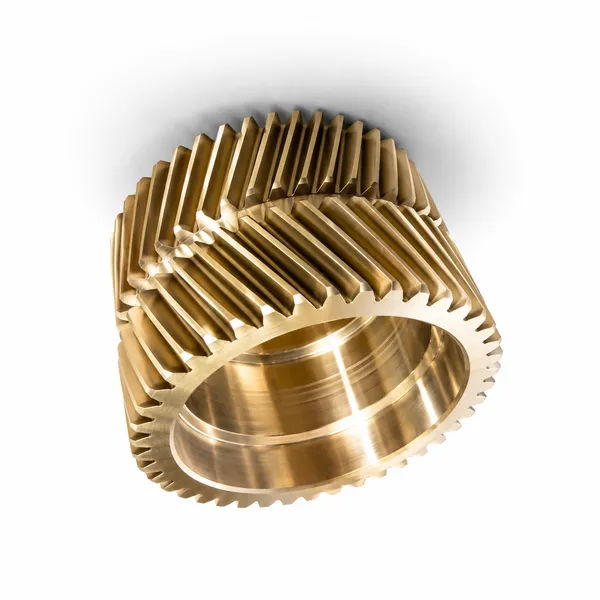
industrial alloy steel helical gear extruder drive heavy duty Korea Ever-Power
Korea Ever-Power industrial alloy steel helical gears for large extruder drive gearbox application — 42CrMo4 through-hardened QT, HB 310–350, M14, face width 140 mm, helix angle 20° per side. These final-stage reduction gears for 200 kW+ rubber and plastics extruder drives are hobbed to DIN 7 quality class with profile modification (tip relief 12 μm) applied to reduce dynamic mesh force at 85 RPM output shaft speed. Paired with ISO VG 220 mineral gear oil at rated operating temperature 68°C — oil cooling is provided by the gearbox oil-to-water heat exchanger mounted on the side of the housing. Tooth flank contact pattern verified at full rated torque under blue marking — contact covers 70% of tooth face width centrally, confirming correct lead crowning for the housing deflection at rated load. Korea Ever-Power supplies these gears as replacement sets for large rubber calender and compounding extruder gearboxes including Farrel, HF Mixing Group, and Maplan designs.

Thermal Management and Lubrication for Extruder Gearboxes

Extruder gearbox thermal management is a critical design requirement that distinguishes extruder gearbox helical gear specification from industrial gearbox specification. An extruder running at 90% of rated screw torque for 7,000 hours per year generates a sustained heat input from gear mesh losses, bearing losses, and oil churning losses that must be removed from the gearbox oil by an external cooling system — because the gearbox surface area is insufficient to reject this heat by natural convection alone at sustained full-load conditions. Overheated gear oil in an extruder gearbox degrades the base oil oxidation resistance rapidly (halving for every 10°C above 80°C), producing varnish deposits on gear tooth surfaces and bearing raceways that progressively reduce the EHL film parameter and accelerate micro-pitting.

EXTRUDER GEARBOX HELICAL GEAR — LUBRICATION AND THERMAL REFERENCE

OIL SELECTION

  • • ISO VG 150 PAO synthetic: preferred for all extruder gearboxes. PAO’s flat viscosity-temperature curve maintains adequate film at 95°C operating temperature while avoiding excessive cold-start viscosity at morning startup before oil warm-up
  • • ISO VG 220 mineral: acceptable for gearboxes with oil cooler maintaining oil temperature below 70°C
  • • Change interval: PAO every 6,000 h; mineral every 3,000 h

TEMPERATURE LIMITS

  • • Normal operating oil temperature: 60–75°C (oil cooler sized to maintain this range at max load)
  • • Caution alarm: 80°C — reduce load or check cooler function
  • • Emergency stop: 90°C — oil degradation rate above this is unacceptable
  • • Cold start: do not run at full load until oil temperature reaches 40°C

COOLING SYSTEM

  • • Oil-to-water heat exchanger: most common for large extruder gearboxes above 75 kW. Water flow rate sized for maximum heat rejection at minimum incoming coolant temperature
  • • Air blast oil cooler: for extruder lines where cooling water is not available or too corrosive for plate HX service
  • • Fan cooling on gearbox housing: only adequate for small extruder gearboxes below 22 kW at ambient below 25°C
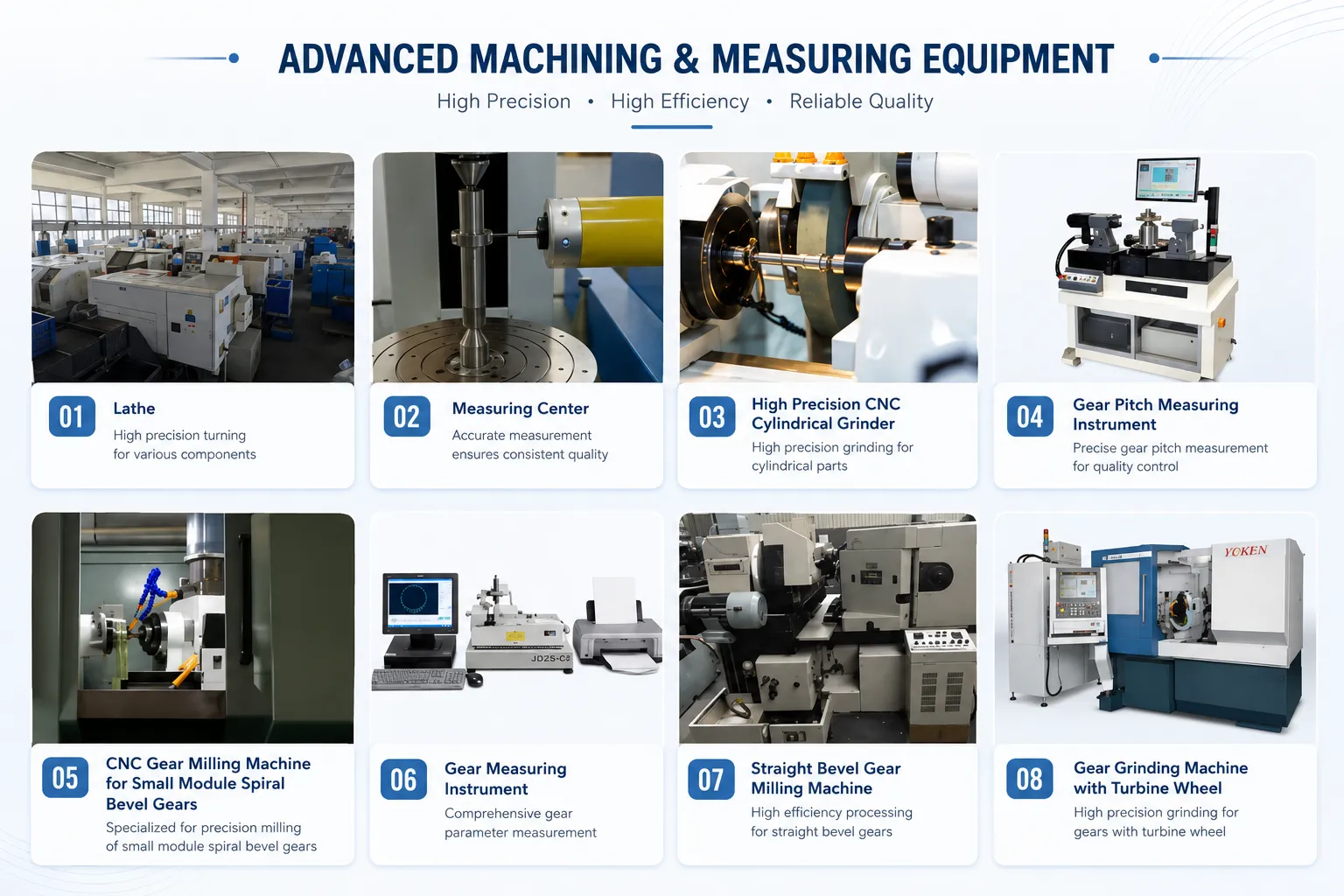
Korea Ever-Power gear measuring equipment helical gear quality control extruder
Korea Ever-Power precision gear measurement laboratory — CNC profile and lead measurement for extruder drive gearbox helical gears. Twin-screw torque split shaft helical gears are measured as matched sets: all individual gear profile and pitch parameters must fall within DIN 5–6 tolerances, and the matched pair torque split error is calculated from the measured tooth geometry and confirmed to be within ±0.5% of the nominal split ratio before the set is shipped. Individual measurement reports per DIN 3960 are provided for all extruder gearbox helical gear orders, covering profile form error, profile slope deviation, lead error, pitch errors, runout, and surface roughness Ra — the documentation package required by plastics machinery OEMs for first-article inspection approval.

Frequently Asked Questions — Helical Gears for Extruder Drives

Q 01

My twin-screw compounding extruder gearbox is making a rhythmic clicking noise that increases with screw speed. Is this the helical gears, and should the line be stopped?

A rhythmic clicking noise in a twin-screw extruder gearbox that increases with screw speed is most likely one of three causes: (1) Gear mesh frequency noise from a developing tooth defect: if a single tooth on one of the helical gears has a local pitch error or a small pitting crater developing, it produces a click at every revolution of that gear — the repetition rate in clicks per second = RPM ÷ 60 of that gear. Count the clicks per second and compare to the RPM of each gear stage (calculated from screw RPM × ratio of each stage) to identify which gear stage is affected. Immediate action: take an oil sample and have it analysed for metal particle content. If iron particles exceed 50 ppm (vs normal background below 20 ppm), shut down immediately and inspect the gearbox. (2) Torque split imbalance causing intermittent screw flight contact: if the clicking coincides with any visible torque variation at the extruder motor (current meter fluctuation), and especially if process output quality has changed (layer thickness variation in co-extrusion, or melt temperature spikes), the clicking may be screw-to-screw intermittent contact caused by torque split gear backlash exceeding the screw clearance tolerance. Shut down immediately if screw contact is suspected — screw damage is catastrophic and expensive. (3) Bearing defect: a spalled rolling element in a shaft bearing produces a periodic clicking at the ball-pass frequency (a multiple of shaft RPM). Diagnose by vibration analysis — bearing defect frequencies have distinctive patterns in the frequency spectrum. Korea Ever-Power recommends oil analysis every 500 hours for twin-screw extruder gearboxes — the first sign of gear or bearing damage is always detectable in the oil before it becomes audible or causes production quality problems.

Q 02

What is the typical lead time and documentation required for replacement helical gears for a ZSK-type co-rotating twin-screw extruder gearbox?

Replacement helical gear supply for ZSK-type co-rotating twin-screw extruder gearboxes from Korea Ever-Power: (1) Lead time for standard ZSK sizes (ZSK 58, ZSK 70, ZSK 92, ZSK 119) where Korea Ever-Power has the gear geometry on file: 20–30 days from order confirmation to shipment. These are the most common sizes in the global installed base of Coperion (formerly Werner & Pfleiderer) ZSK extruders. (2) Lead time for less common or custom twin-screw extruder gearbox sizes: 28–40 days — the additional time allows for engineering review of the gear geometry and torque split accuracy calculation before production. (3) Documentation for plastics machinery OEM installation and quality records: material certificate (18CrNiMo7-6 or 42CrMo4, chemical and mechanical properties, heat treatment traceability), dimensional inspection report per DIN 3960 (profile, lead, pitch, runout — all measured positions), surface hardness and case depth measurements (minimum 5 tooth positions), surface roughness Ra ≤ 0.4 μm confirmed, torque split accuracy certificate for torque split shaft gear sets (split error ≤ ±0.5% at rated torque, calculated from measured tooth geometry), and ISO 9001:2015 quality system certificate. Korea Ever-Power can also supply gear sets for Leistritz, Coperion, Berstorff (KraussMaffei), Clextral, and Steer Engineering twin-screw extruder gearboxes — provide the extruder model, screw diameter, and motor power for the correct gear set identification.

Q 03

Can we upgrade the helical gear material in our single-screw extruder gearbox from the original 42CrMo4 to 18CrNiMo7-6 carburized to extend the replacement interval, and are there any compatibility issues?

Upgrading the helical gear material from 42CrMo4 through-hardened (HB 280–320) to 18CrNiMo7-6 case carburized (HRC 58–62) in a single-screw extruder gearbox is technically feasible and will extend the replacement interval — typically by a factor of 1.5–2.0× for the same gear geometry at the same load, because of the significantly higher contact fatigue resistance of carburized steel vs through-hardened steel. However, there are three conditions that must be checked before ordering the upgrade: (1) Gear geometry must remain identical: the module, tooth count, helix angle, pressure angle, and bore dimensions must be exactly the same as the original gear. The upgraded material does not allow a module reduction or tooth count change — the gearbox housing was designed for the original centre distance and will not accommodate dimensional changes. (2) Both mating gears must be upgraded together: if the pinion is upgraded to carburized 18CrNiMo7-6 but the mating wheel remains in 42CrMo4 through-hardened, the mismatched hardness pair will result in the wheel wearing rapidly against the hard pinion. Both gears in each mesh must be upgraded simultaneously. (3) Running-in protocol after installation: carburized gears have a harder, finer surface than through-hardened gears and require a 100-hour running-in period at 50–70% rated screw torque before returning to full production load — this allows the initially rougher carburized tooth surface to polish to the smooth Ra ≤ 0.4 μm condition that provides optimal EHL film formation. Korea Ever-Power can supply the upgraded carburized gear set as a direct replacement with identical dimensions and provide the running-in schedule documentation for the line startup after installation.

Explore Korea Ever-Power Gear Categories

Seven precision gear product lines for plastics processing, rubber, food and industrial extrusion applications worldwide.
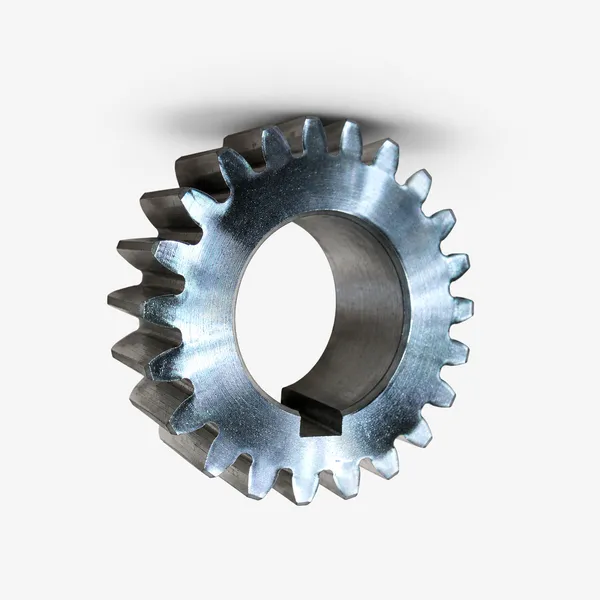
spur gear extruder

Spur Gears

M1–M20 · conveyor · accessory drive

helical gear extruder drive

Helical Gears

Ground · DIN 5–7 · extruder gearbox

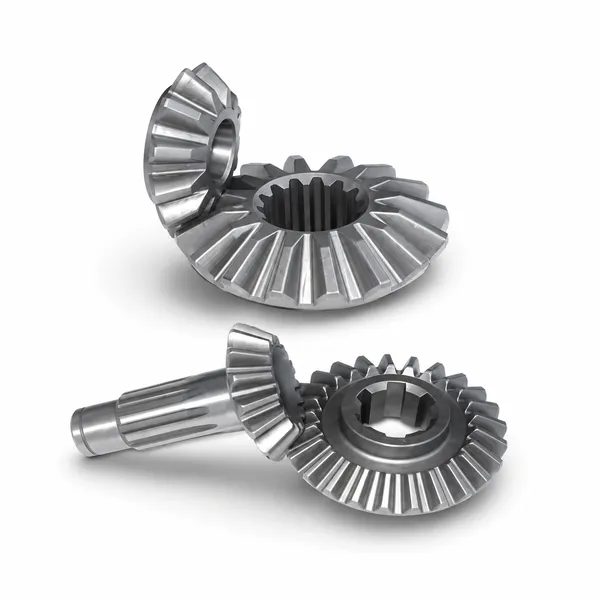
bevel gear

베벨 기어

Right-angle · auxiliary extruder drives

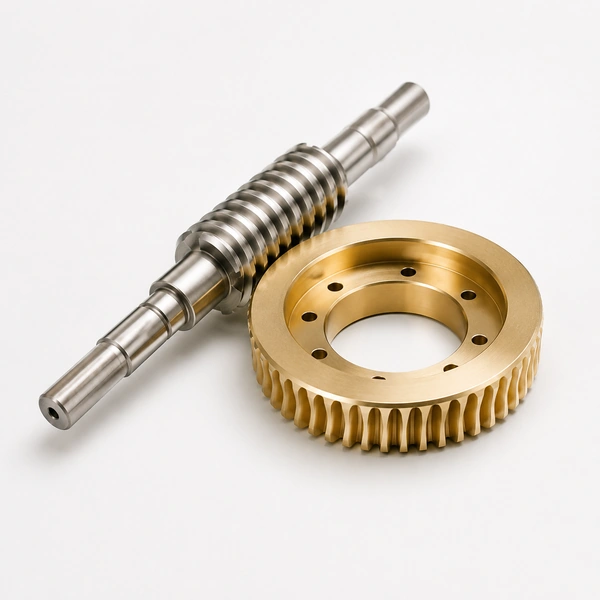
worm gear

Worm Gears

Feed hopper · puller · cutter drive

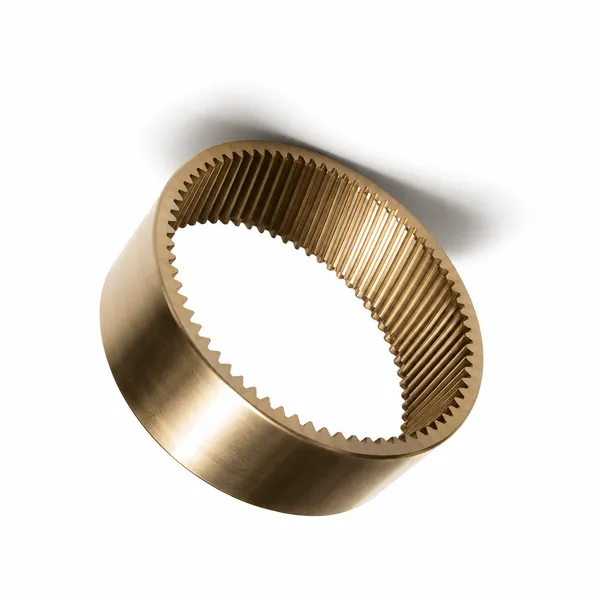
ring gear

Ring Gears

Internal · planetary stage · gearbox

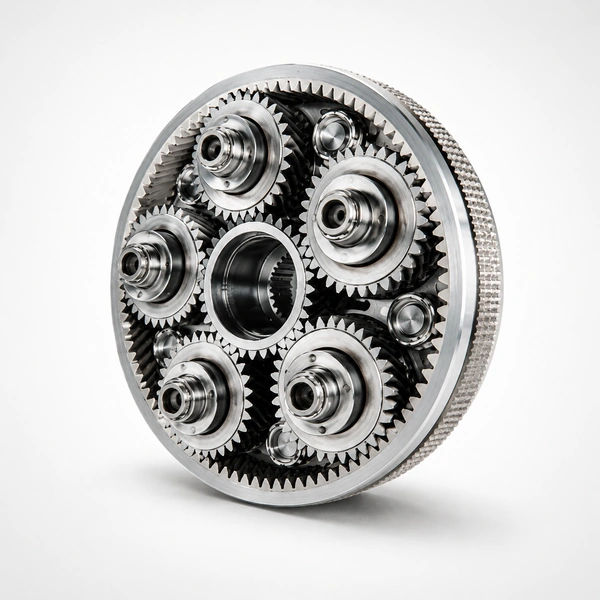
planetary gear

Planetary Gears

Compact · high torque · extruder servo

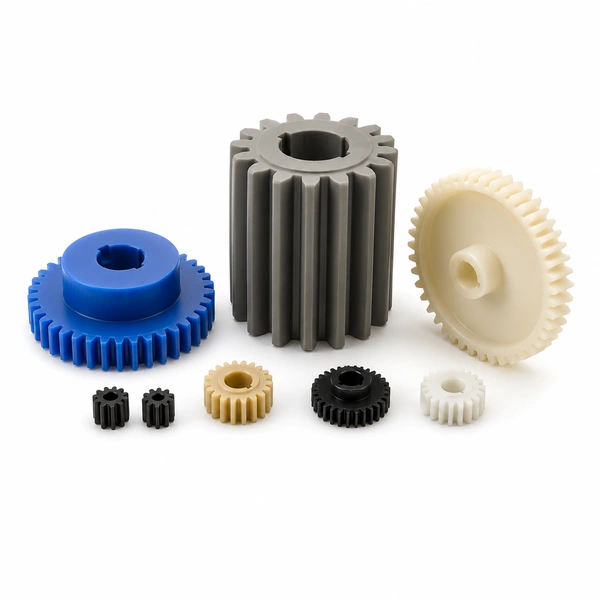
plastic gear

Plastic Gears

POM · PEEK · instrument · sensor drives

GET A QUOTATION · KOREA EVER-POWER

Need Helical Gears for Extruder Drives?

Korea Ever-Power manufactures 18CrNiMo7-6 and 42CrMo4 helical gears for all extruder gearbox applications — single-screw PE/PP/PVC/rubber extruders, co-rotating twin-screw compounders (ZSK type, torque split certified ±0.5%), and conical counter-rotating twin-screw PVC extruders. DIN 5–7 quality class, profile and lead crowning for gearbox deflection. Cross-reference for Coperion, Leistritz, KraussMaffei Berstorff, Farrel, and Clextral. Measurement report with every order. ISO 9001:2015 certified.

Request a Quotation →

편집자: Cxm

VR Tour of Our Factory

TAGs:

기어랙

당사는 기어랙 제조, 공급 및 수출 분야의 선두 기업으로서 기어랙을 비롯한 다양한 제품을 제공합니다.

자세한 사항은 저희에게 문의해 주세요.

우편:[email protected]

기어랙 제조업체, 공급업체, 수출업체

최신 글

ko_KRKorean