
GEAR APPLICATION GUIDE · WORM GEAR · W06
Bronze Worm Wheels for Industrial Applications:
Material Selection, Casting Methods and Wear Mechanism Engineering
The bronze worm wheel is the defining component of the worm gear drive — its material selection, casting method, and heat treatment determine the load rating, wear life, and efficiency of the entire gearbox more than any other single design decision. The choice between phosphor bronze PB2, aluminium bronze AB2, manganese bronze, nickel bronze, and centrifugal vs sand casting is not cosmetic — it is the fundamental engineering decision that separates a worm drive that runs for 50,000 hours from one that fails in 5,000. This comprehensive guide covers all industrial worm wheel bronze materials, casting methods, running-in procedures, lubrication requirements, and the failure modes that distinguish one material choice from another in real industrial service.
Ratio 5:1–100:1 · 42CrMo4 Worm · VG 220–460
Conveyor · Hoist · Mixer · Material Handling
Bronze Worm Wheel Material Selection — The Complete Engineering Guide
The selection of the correct bronze alloy for an industrial worm wheel is the single most impactful design decision in worm gear engineering. Unlike spur or helical gear design, where the tooth material contributes primarily to fatigue strength and the surface treatment provides hardness, the worm wheel bronze must simultaneously provide: (1) adequate contact fatigue strength to resist pitting under the high Hertzian contact stresses at the worm-wheel tooth contact ellipse; (2) adequate bending fatigue strength to resist tooth root fracture under the cyclic bending load from the worm thread engagement; (3) low friction coefficient against the hardened steel worm thread to minimise efficiency losses and heat generation; and (4) compatibility with the specified gear oil at the operating temperature — some bronze alloys, particularly aluminium bronze AB2, react with certain extreme pressure (EP) oil additives and should be paired with only approved lubricant types.
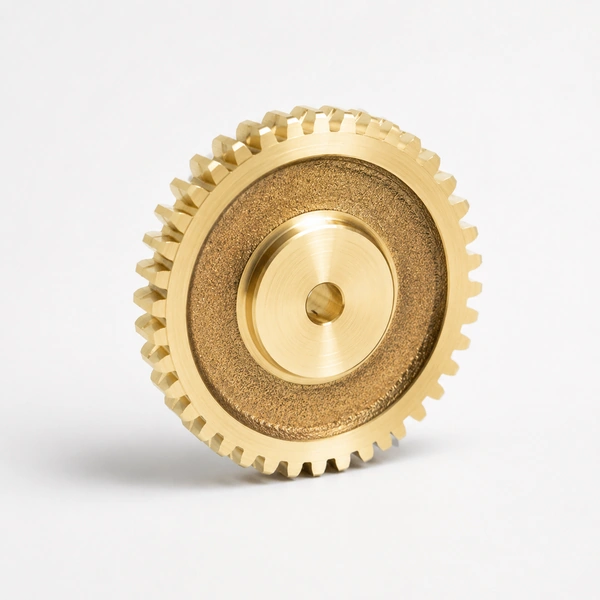
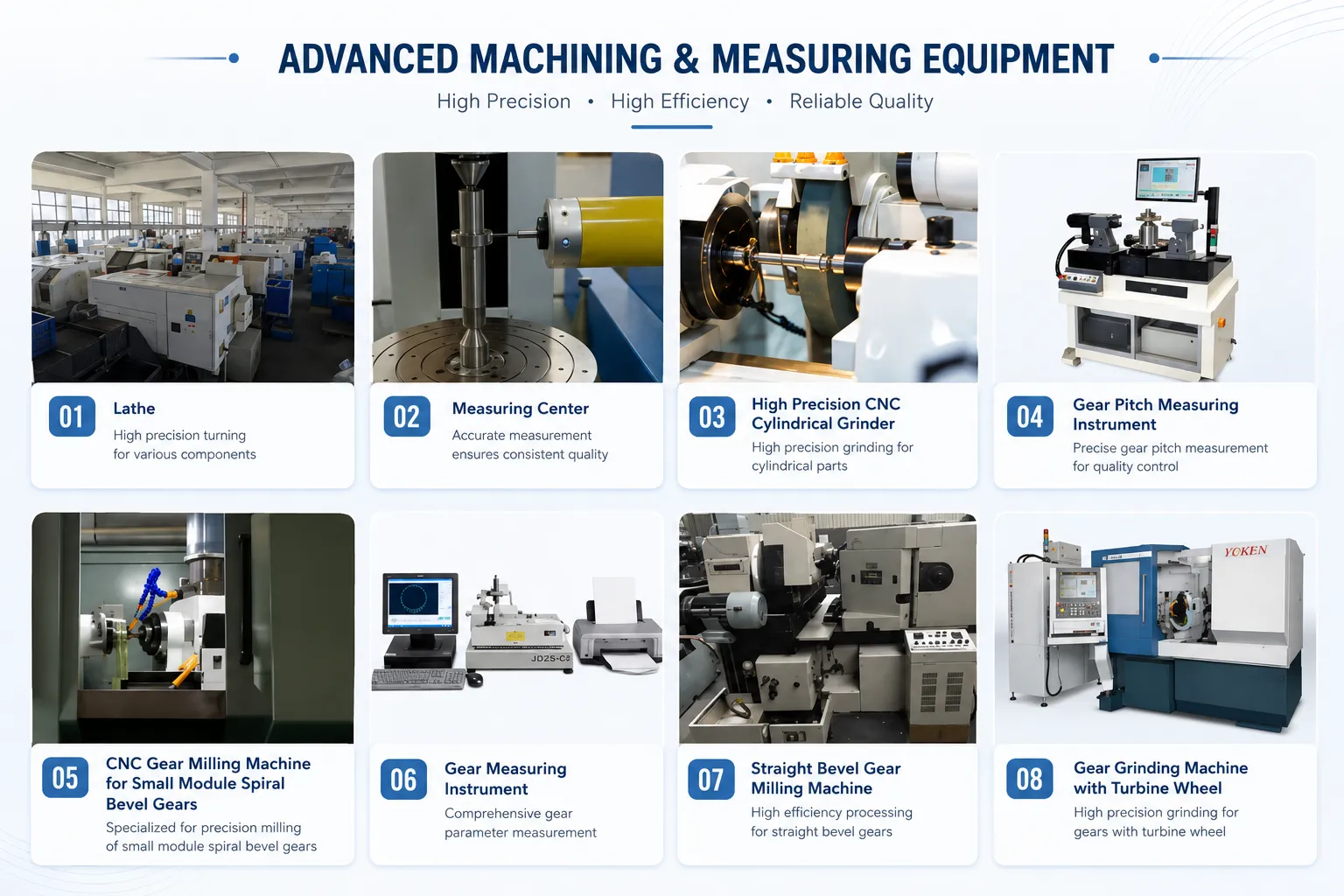
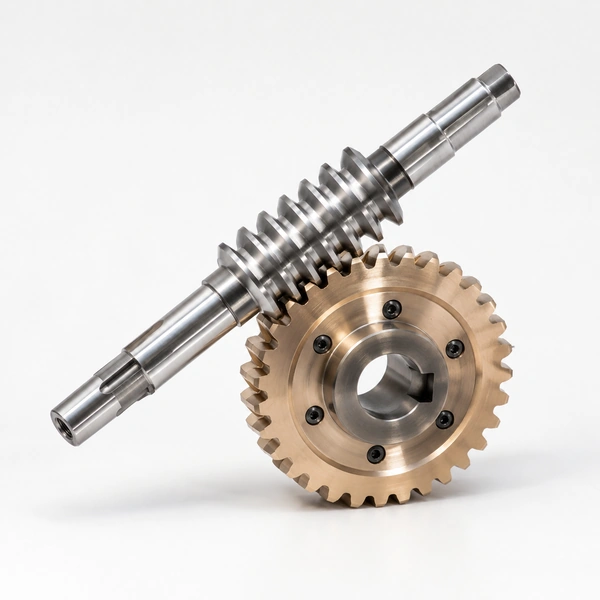
Korea Ever-Power’s bronze worm wheels for industrial applications are available in four principal materials — PB2 phosphor bronze centrifugal cast (standard for the majority of industrial worm gear applications), AB2 aluminium bronze centrifugal cast (for high-duty and hoist applications), CC499K manganese bronze (for moderate-duty applications where PB2’s cost is a constraint), and nickel silicon bronze (for food industry corrosion resistance combined with higher strength than PB2) — all manufactured in-house from Korea Ever-Power’s own bronze casting furnace to controlled chemical composition, with material certification supplied with every worm wheel order.
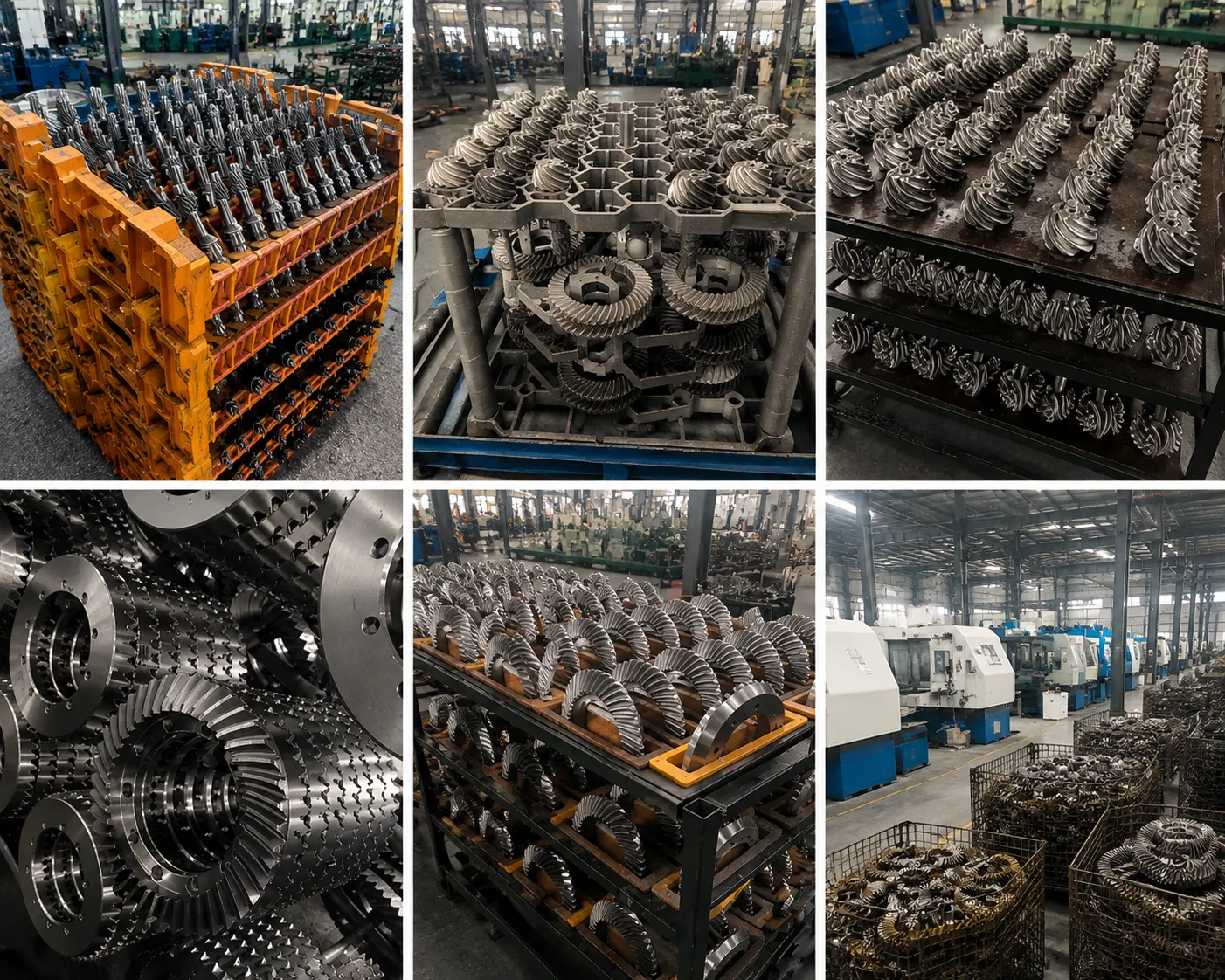
The distinction between centrifugal-cast and sand-cast bronze worm wheels is significant enough to specify explicitly in purchasing documentation, even though many suppliers default to sand casting for all but the largest worm wheels. In centrifugal casting, the liquid bronze is poured into a rotating cylindrical mould — the centrifugal force compresses the molten metal outward toward the mould wall (where the rim section, including the future tooth surface, is located) while the centrifugal segregation of porosity and impurities drives them toward the bore axis, which is subsequently machined away. The result is a rim section with 15–25% higher tensile strength and 20–30% higher contact fatigue resistance than sand-cast material of identical alloy composition. For worm wheels above 80 mm OD, Korea Ever-Power specifies centrifugal casting as the default production method — sand casting is used only for small worm wheels below 60 mm OD where centrifugal casting is impractical.
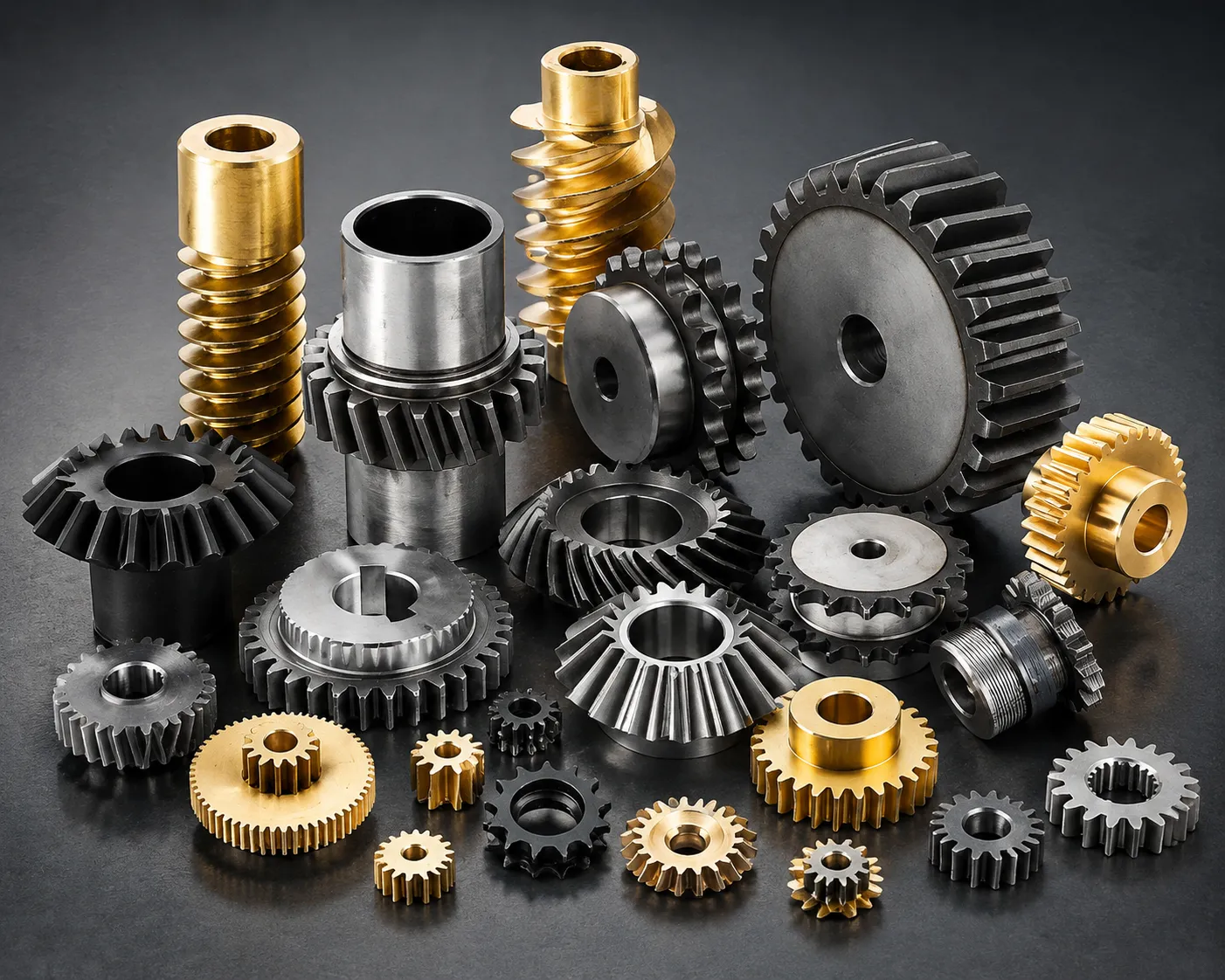
Bronze Alloy Comparison — Properties and Application Selection
ALUMINIUM BRONZE (AB2) — SPECIAL REQUIREMENTS
AB2 aluminium bronze worm wheels require specific lubrication attention that is not required for PB2 phosphor bronze. Sulfur-bearing extreme pressure (EP) additives — present in virtually all GL-5 hypoid gear oils and many GL-4 industrial gear oils — react with the aluminium in AB2 bronze to form aluminium sulfide compounds that precipitate on the tooth surface, causing accelerated wear and surface roughening. The consequence: using a standard GL-5 gear oil in a worm gearbox fitted with AB2 worm wheels typically reduces the worm wheel life to 30–40% of the expected life for that bronze material.
Correct lubricants for AB2 aluminium bronze worm wheels: phosphate ester-based or polyglycol (PG) worm gear oils without sulfur EP additives; or mineral oil with non-sulfur anti-wear additives (zinc-phosphate ZDDP type). Klüber Klüberoil GEM 1-150 N and Shell Omala S4 WE series are examples of worm gear oils confirmed as compatible with AB2 bronze. Always verify lubricant compatibility with the worm wheel material before specifying — contact Korea Ever-Power or the oil supplier for AB2 compatibility confirmation of any specific oil grade.
WORM WHEEL RUNNING-IN PROCEDURE
New worm wheels — whether PB2 or AB2 — must be run in at reduced load for the first 50–100 operating hours to allow the bronze tooth surface to polish under the sliding contact with the hardened worm thread. This running-in process smooths the initial hobbing surface roughness (Ra 1.6–3.2 μm) to the polished surface (Ra 0.2–0.4 μm) that provides optimal EHL oil film formation and minimises ongoing wear rate. A worm gearbox put immediately into full-load service without running-in typically shows 2–3× higher wear rate in the first 500 hours than one that has been properly run in.
Recommended running-in schedule: Hours 0–20: 25% of rated load. Hours 20–50: 50% of rated load. Hours 50–100: 75% of rated load. Hours 100+: full rated load. After running-in period: drain the initial oil charge (which will contain fine bronze wear particles from the polishing process), flush with clean oil, and refill with fresh oil to the specified grade before returning to full-load service. The bronze particle contamination in the first oil change is normal and expected — it does not indicate a fault.
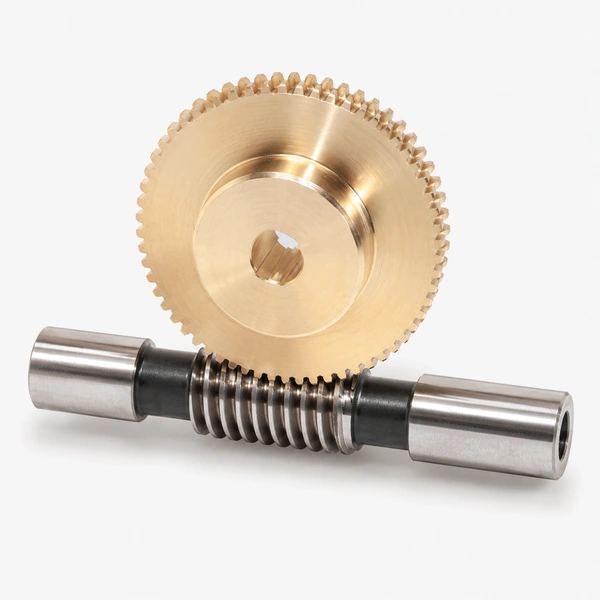
Industrial Applications by Bronze Material Grade
Frequently Asked Questions — Bronze Worm Wheels for Industrial Applications
Explore Korea Ever-Power Gear Categories
Seven precision gear product lines for industrial, food processing, marine and specialist applications worldwide.
Éditeur : Cxm
 French
  English
  Italian
  Korean
  Japanese