GEAR APPLICATION GUIDE · HELICAL GEAR · H05

Helical Gears for Compressors:
Centrifugal, Screw and Reciprocating Compressor Gear Drives

Compressor gear drives operate at the highest pitch line velocities of any commercial helical gear application — centrifugal compressor integral gearboxes run bull gear pinions at PLV above 150 m/s, requiring gear quality classes and surface finish levels that exceed even wind turbine gearbox requirements. Screw compressor timing gears must synchronise male and female rotors to micron-level tolerance to maintain the rotor clearance that separates oil-injected from oil-free compressor performance. This guide covers helical gear specification for centrifugal turbocompressors, screw compressors, and reciprocating compressor crosshead gearboxes.

18CrNiMo7-6 · 42CrMo4 · DIN 3–5
PLV up to 200 m/s · API 613 · AGMA 421
Centrifugal · Screw · Reciprocating · API

MAX PLV

200 m/s

Pitch line velocity of centrifugal compressor integral gearbox bull gear pinions — the highest PLV of any commercial gear application. DIN 3 quality mandatory; superfinishing to Ra <0.05 μm required above 100 m/s PLV to avoid dynamic instability

DESIGN STANDARD

API 613

Special Purpose Gear Units for Petroleum, Chemical and Gas Industry Service — the dominant specification for compressor helical gears in the oil & gas and petrochemical industries. Sets requirements for material, quality class, inspection, and documentation beyond standard ISO 6336

HELIX ANGLE

15° – 35°

Compressor helical gear helix angle range. Screw compressor timing gears: 15°–20°. Centrifugal compressor bull gear: 20°–30°. Double-helical (herringbone) compressor gears: 30°–35° per helix, axial thrust cancelled

QUALITY CLASS

DIN 3 – 5

Compressor helical gear quality class range. Centrifugal compressor integral gear: DIN 3. Screw compressor timing gear: DIN 4. Reciprocating compressor crosshead gear: DIN 5. All compressor gears ground; superfinishing above PLV 80 m/s

Compressor Gear Drive Design — Applications and Requirements

Compressors use helical gears in three fundamentally different functional roles: the speed-increasing bull gear pinion of centrifugal compressors (which accelerates the motor shaft speed to the impeller operating speed); the synchronisation timing gears of twin-screw compressors (which maintain the angular phase relationship between male and female rotors); and the power balancing and crosshead drive gears of some large reciprocating compressors (which synchronise cylinders in multi-cylinder balanced opposed configurations). Each role places different primary demands on the helical gear — PLV and noise minimisation for centrifugal compressor gears, rotor clearance maintenance for screw compressor timing gears, and shock tolerance for reciprocating compressor drives.
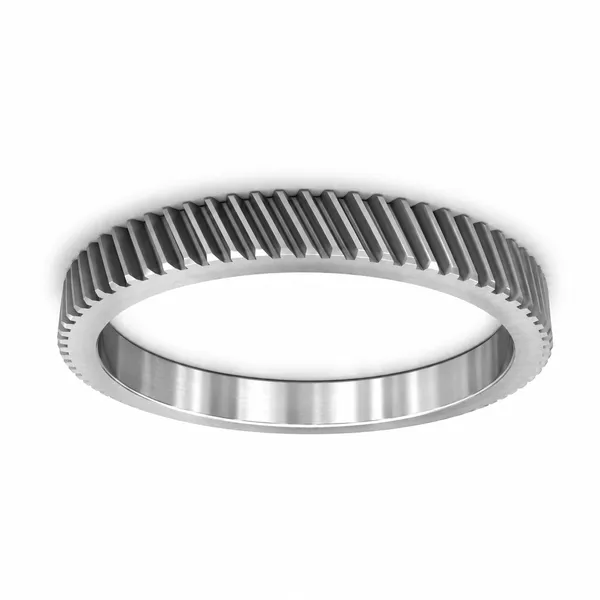
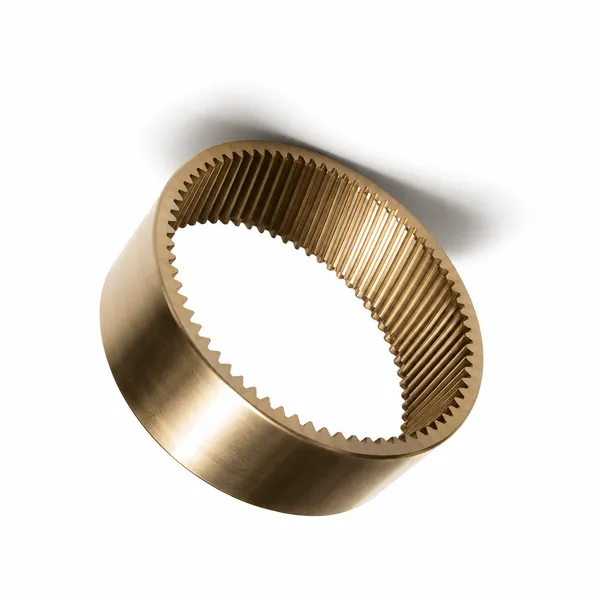
Helical Angle 7° Internal Helical Ring Gear

Korea Ever-Power’s helical gears for compressors are manufactured in 18CrNiMo7-6 case carburized (standard for all compressor helical gear applications requiring DIN 3–4 quality), and in 42CrMo4 through-hardened (for medium-duty reciprocating compressor applications at DIN 5–6). Centrifugal compressor bull gear pinions are manufactured with superfinished tooth flanks (Ra <0.05 μm) and ground tooth profiles to the limits of DIN 3 quality class — representing the extreme upper end of Korea Ever-Power’s manufacturing capability for helical gears. All compressor helical gears for oil & gas and petrochemical service are supplied to API 613 documentation requirements including material certification, heat treatment records, and non-destructive examination (magnetic particle or dye penetrant inspection) reports.

TYPE 01

CENTRIFUGAL
TURBOCOMPRESSOR

Helical gear specification: M2–M8, 18CrNiMo7-6 case carburized, DIN 3 mandatory, PLV 50–200 m/s, superfinished Ra <0.05 μm, single-helical or double-helical (herringbone). The centrifugal compressor (turbocompressor) integral gearbox steps up the motor speed (typically 1,450–3,000 RPM) to the impeller shaft speed required for the operating pressure ratio — for a process air compressor with 8 bar discharge pressure, this may require 12,000–25,000 RPM, demanding a speed ratio of 8:1–17:1. The bull gear pinion (the high-speed output shaft) runs at pitch line velocities of 80–200 m/s — a regime where aerodynamic losses from the gear teeth windage become significant (typically 20–40 kW at 150 m/s PLV), where oil supply must be carefully directed to avoid oil aeration at the tooth mesh, and where dynamic instability from tooth-to-tooth spacing error can cause sub-synchronous vibration of the pinion shaft in its journal bearings. DIN 3 ground quality is mandatory — no other quality class can reliably prevent dynamic problems at these speeds.

TYPE 02

TWIN-SCREW
COMPRESSOR

Helical gear specification: M3–M8, 18CrNiMo7-6 or 42CrMo4, DIN 4–5, timing gear pair on the male and female rotor shafts with angular phase accuracy <0.5 arcmin. The twin-screw compressor (oil-injected and oil-free) uses a pair of helical timing gears on the rotor shafts to maintain the angular relationship between the male rotor (with 4 or 5 lobes) and the female rotor (with 6 or 7 flutes). In oil-injected compressors, the rotor clearance (0.05–0.15 mm) is maintained partly by the oil film and partly by the timing gear angular accuracy. In oil-free compressors (which cannot use oil for clearance maintenance), the timing gear angular accuracy is the sole mechanism maintaining rotor clearance — any backlash or transmission error in the timing gear pair allows the rotors to touch, destroying both rotors instantly. Oil-free screw compressor timing gears are specified to DIN 4 or better with zero-backlash anti-backlash gear pairs in some designs.

TYPE 03

RECIPROCATING
COMPRESSOR

Helical gear specification: M8–M20, 42CrMo4 through-hardened or 20CrMnTi case carburized, DIN 5–6, wide face width for high torque, service factor 1.5–2.5 for gas surge and pulsation loads. Large reciprocating compressors (process gas compressors in oil refineries and LNG plants) use helical gears in the balanced-opposed cylinder configuration to synchronise multiple crankshafts, reducing primary and secondary vibration forces. The helical gear in a reciprocating compressor experiences highly variable torque input from the gas piston forces — every cylinder stroke produces a torque pulse at the crankshaft, and if multiple cylinders are out of phase the gear experiences complex cyclic loading at the crank frequency. Helical gears with high contact ratio (achieved through helix angle) smooth the individual cylinder torque pulses and reduce vibration transmission to the compressor foundation. Korea Ever-Power supplies replacement helical gear sets for major reciprocating compressor brands including Ariel, Dresser-Rand, Nuovo Pignone, and MAN Energy Solutions.

Frequently Asked Questions

Q 01

What causes high vibration at the gear mesh frequency in a centrifugal compressor integral gearbox, and how is it resolved?

High gear mesh frequency vibration (GMF vibration) in a centrifugal compressor integral gearbox has three primary causes: (1) Tooth profile error above DIN 3 limit: the most common cause of excessive GMF vibration — tooth-to-tooth spacing error generates a dynamic force increment at the mesh frequency that excites the pinion lateral vibration mode. Confirm by measuring the 1X and GMF components on the pinion shaft vibration spectrum — if GMF is the dominant frequency and exceeds the API 670 limit of 25.4 μm p-p, profile error is the prime suspect. Remedy: replace the bull gear and pinion with DIN 3 quality superfinished gears. (2) Tooth contact pattern misalignment from housing thermal distortion: at operating temperature the gearbox housing expands thermally, shifting the shaft centreline positions and altering the tooth contact pattern from the cold-assembly condition. If GMF vibration occurs only at operating temperature (not during cold run-up), thermal misalignment is the cause. Remedy: re-measure the thermal growth vector of the housing and add pre-alignment offset at assembly. (3) Oil aeration in the tooth mesh zone: at PLV above 100 m/s, excessive oil directed at the mesh zone causes aeration and hydraulic churning that generates both vibration and power loss. Reduce oil injection quantity at the mesh and redirect to the outmesh side only. Korea Ever-Power can supply replacement DIN 3 superfinished bull gear pinions for most centrifugal compressor gearboxes within 35–50 days — contact with the compressor model and gear geometry for availability assessment.

Q 02

What API standard governs compressor helical gear design and what does compliance require from a gear manufacturer?

API 613 (Special Purpose Gear Units for Petroleum, Chemical and Gas Industry Service) is the primary standard for process industry compressor helical gears. API 613 compliance requires from the gear manufacturer: (1) Matériel: through-hardened alloy steel or carburized alloy steel per API 613 Table 3 (broadly equivalent to 42CrMo4 or 18CrNiMo7-6 respectively), with mill certification of chemical composition and mechanical properties to be submitted with the gear. (2) Quality class: API 613 Section 2.9 requires the gear accuracy to meet AGMA Quality Class 13 or better (approximately equivalent to DIN 4) for all special purpose gear sets. (3) Inspection: 100% magnetic particle or dye penetrant inspection of all tooth flanks and roots after finish grinding; hardness check on minimum 3 tooth flanks per gear; surface finish Ra measurement on minimum 3 tooth flanks per gear. (4) Documentation: Mechanical run test at rated speed and power with vibration measurement per API 613; traceability documentation for all materials; heat treatment records with temperature-time curves; dimensional inspection report in customer-specified format. Korea Ever-Power provides all API 613 documentation as standard for compressor helical gear orders destined for oil & gas or petrochemical plant service.

Q 03

My screw compressor is showing rotor contact marks (seizure lines on the rotor lobes). Could the timing gear be the cause, and how should I specify the replacement?

Rotor contact in an oil-free screw compressor is frequently caused by timing gear backlash increase from tooth wear — the mechanical clearance in the timing gear allows the male rotor to advance angularly ahead of the female rotor during the compression stroke torque peak, reducing the inter-rotor clearance on the high-pressure side of the mesh until contact occurs. Diagnosis: measure timing gear backlash by locking the male rotor and rotating the female rotor shaft by hand at the timing gear — backlash above 0.03 mm for an oil-free screw compressor timing gear indicates replacement is required. In an oil-injected screw compressor, timing gear backlash limit is more relaxed (0.05–0.08 mm acceptable) because the oil film also maintains rotor separation. Replacement timing gear specification for an oil-free screw compressor: match the original module, tooth count, and helix angle exactly (any change alters the rotor phase relationship); specify 18CrNiMo7-6 carburized if the original was carburized (do not downgrade to 42CrMo4 through-hardened for oil-free service); specify DIN 4 quality class; measure and certify the backlash of the replacement pair at the specified centre distance before installation. Korea Ever-Power can supply replacement screw compressor timing gear pairs for all major brands — contact with the compressor model, rotor profile generation, and motor power for timing gear availability and lead time.

Explore Korea Ever-Power Gear Categories

Seven precision gear product lines for compressor, industrial, energy and specialist applications worldwide.
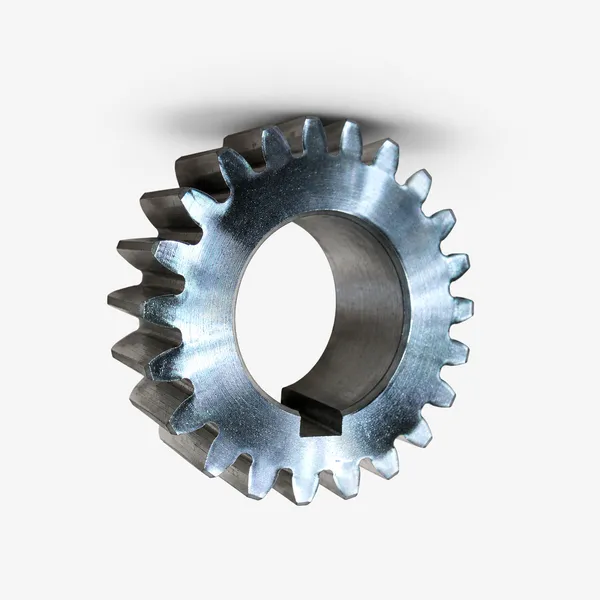
spur gear

Spur Gears

M1–M20 · C45, 20CrMnTi, stainless

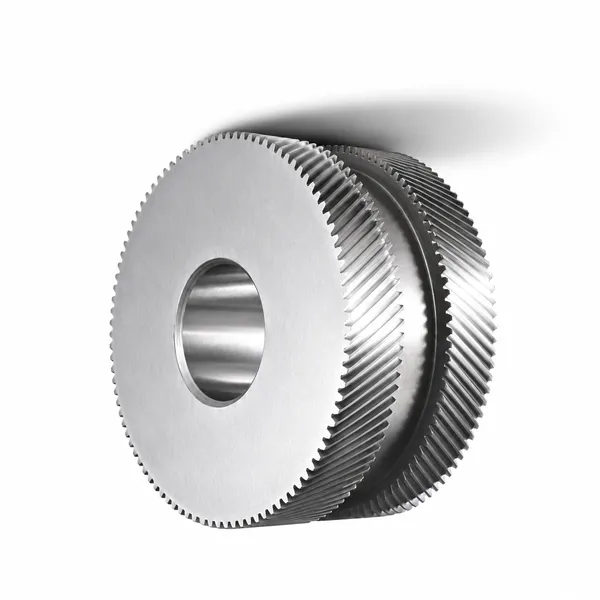
helical gear compressor

Helical Gears

DIN 3–5 · compressor · API 613

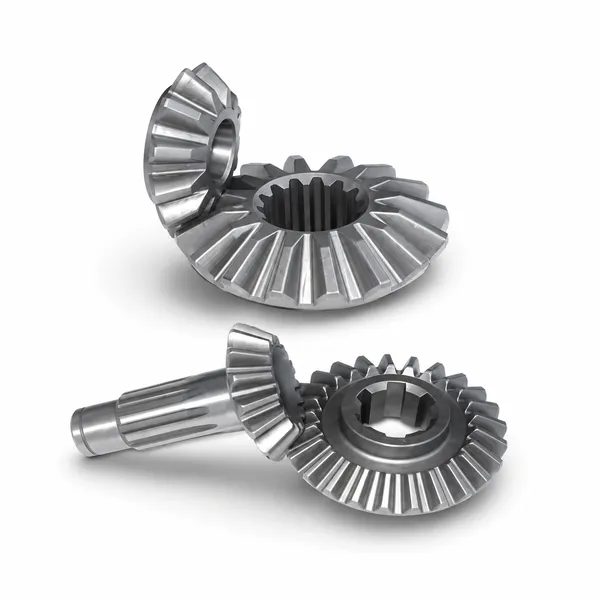
bevel gear

Engrenages coniques

Right-angle · compressor aux drive

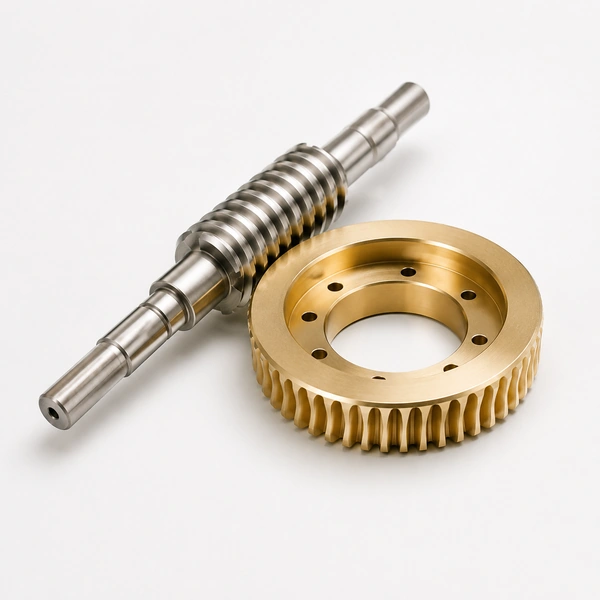
worm gear

Worm Gears

High ratio · valve · actuator · hoist

ring gear

Ring Gears

Internal · planetary · high torque

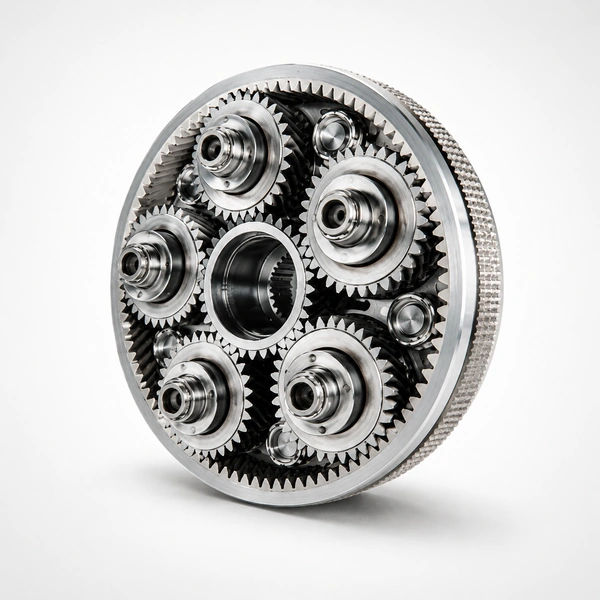
planetary gear

Planetary Gears

Compact · high torque density · servo

plastic gear

Plastic Gears

POM · PEEK · instrument · light duty

GET A QUOTATION · KOREA EVER-POWER

Need Helical Gears for Compressors?

Korea Ever-Power manufactures 18CrNiMo7-6 and 42CrMo4 helical gears for all compressor applications — centrifugal turbocompressor DIN 3 bull gear pinions (superfinished Ra <0.05 μm), screw compressor timing gears DIN 4, reciprocating compressor crosshead gears DIN 5–6. API 613 documentation package standard for oil & gas service. Replacement supply for Ariel, Dresser-Rand, Atlas Copco, Ingersoll Rand and all major compressor brands. ISO 9001:2015 certified.

Request a Quotation →

Éditeur : Cxm

VR Tour of Our Factory

TAGs:

porte-bagages

Figurant parmi les principaux fabricants, fournisseurs et exportateurs de crémaillères, nous proposons des crémaillères et de nombreux autres produits.

Veuillez nous contacter pour plus de détails.

Mail:[email protected]

Fabricant, fournisseur et exportateur de crémaillères

Articles récents

fr_FRFrench