GEAR APPLICATION GUIDE · WORM GEAR · W08

Worm Gears for Food Processing Equipment:
NSF H1 Compliance, CIP Washdown Design and Hygienic Drive Engineering

Food processing equipment worm gears face a regulatory and engineering challenge that no other industrial application shares — they must meet the mechanical performance requirements of a heavy-duty gear drive and simultaneously comply with food safety regulations that restrict materials, lubricants, surface finishes, and housing geometries in ways that have no analogue in standard industrial gear design. From the meat processing plant auger drive that must withstand daily 90°C steam cleaning, through the bakery divider-rounder that runs near raw dough in a flour-dust atmosphere, to the beverage filling machine indexing drive that operates in splashing water and CIP chemical mist, worm gears in food processing equipment must be engineered to the intersection of mechanical reliability and food safety compliance.

316L · 17-4 PH · NSF H1 · IP69K · FDA 21 CFR
EHEDG · CIP 90°C · Ratio 5:1–100:1 · Self-Lock
Meat · Bakery · Beverage · Dairy · Confectionery

LUBRICANT

NSF H1 / H2

NSF H1 (incidental food contact) is the mandatory lubricant grade for all food processing worm gearboxes in product contact zones. NSF H2 (no food contact) is acceptable for enclosed drive units with complete seal integrity in non-product zones. Mineral oil is not NSF H1 — only approved synthetic food-grade oils comply

HOUSING SEALING

IP69K

IP69K (high-pressure high-temperature washdown: 80°C water at 80–100 bar, 14–16 l/min at 0.1–0.15 m distance, all directions) is the target sealing rating for food processing worm gearboxes in meat, dairy, and beverage zones. IP67 is minimum for bakery and dry food applications

MATERIAL

316L / 17-4 PH

316L stainless housing and worm shaft for standard food worm drives. 17-4 PH stainless (H900 condition, HRC 38–43) for worm shaft in heavy-duty food processing where 316L’s yield strength (210 MPa) is insufficient. PB2 bronze wheel (acceptable for food applications with NSF H1 lubricant and sealed housing)

COMPLIANCE

EHEDG / FDA

EHEDG (European Hygienic Engineering & Design Group) guidelines for hygienic gear drive design cover surface finish (Ra ≤ 0.8 μm), housing geometry (no horizontal ledges, full drainage), material (316L or better), and seal types. FDA 21 CFR compliance applies to direct food contact materials in US food processing facilities

Worm Gear Advantages in Food Processing Drives

The worm gear is the preferred choice for many food processing drive applications for the same reasons it dominates agricultural and industrial auxiliary drives — high reduction ratio in a compact package, self-locking ability to hold a conveyor or mixer stationary when the motor is off, and the 90° right-angle shaft arrangement that allows the motor to be positioned parallel to the machine frame rather than extending into the food processing zone. In the food processing environment, these advantages are augmented by an additional benefit: the worm gear’s enclosed housing is easier to design for IP69K washdown compliance than an open bevel or spur gear train, because the worm gear is a self-contained right-angle gearbox that presents only shaft entries and a mounting flange to the external food-zone environment — a simpler sealing challenge than an open gear pair that requires full enclosure design.

Korea Ever-Power’s worm gears for food processing equipment are supplied in two configurations: as complete hygienic worm gearbox assemblies (housing + worm shaft + wheel + NSF H1 lubricant + EPDM shaft seals) for immediate installation on food processing machines, and as matched worm and wheel sets for customers who design and manufacture their own food processing machine gearbox housings. The complete assembly is the more common request from food processing machine builders — Korea Ever-Power’s hygienic worm gearbox range covers centre distances 40–160 mm, ratios 5:1–100:1, and power inputs from 0.1 to 22 kW in 316L stainless housing with IP69K sealing and NSF H1 lubricant fill as standard. For food processing worm gear reducer selection guidance and efficiency calculations, refer to the worm gear reducer application guide.

The EHEDG (European Hygienic Engineering and Design Group) hygienic design requirements for food processing worm gearboxes go beyond simply specifying 316L stainless material and NSF H1 lubricant. EHEDG Guideline Document No. 8 (Hygienic Equipment Design Criteria) requires that the external surface of the gearbox housing has no horizontal ledges, upward-facing flat surfaces, or crevices where food product, cleaning solution, or condensate can accumulate between cleaning cycles and provide a growth medium for bacteria or fungi. This requirement affects the housing geometry profoundly — standard worm gearboxes have flat top surfaces and square-cornered joint faces that fail the EHEDG drainage test. Korea Ever-Power’s EHEDG-compliant hygienic worm gearboxes use sloped housing top surfaces (minimum 3° slope for drainage), radiused external corners (minimum 3 mm radius), and a fully welded 316L housing (no bolted split joints) to eliminate the risk of food residue accumulation. Housing surface finish: Ra ≤ 0.8 μm on all external surfaces per EHEDG recommendation.
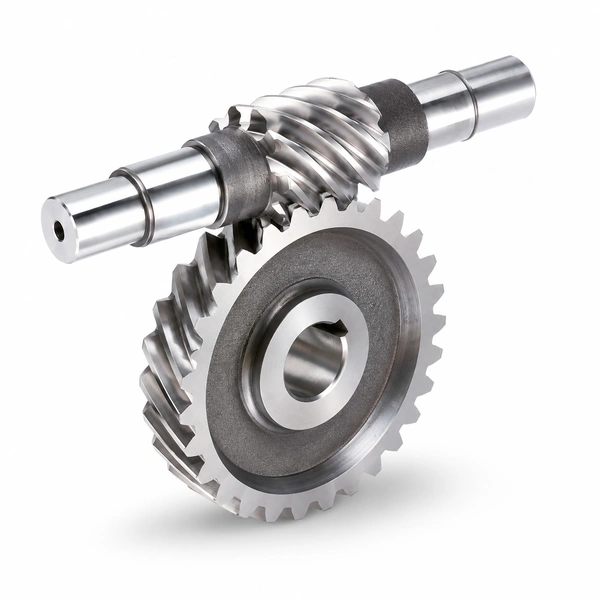
stainless steel worm gear food processing hygienic Korea Ever-Power
Korea Ever-Power 316L stainless steel worm gear set for hygienic food processing application — worm shaft 316L stainless, surface Ra ≤ 0.4 μm, thread ground to Ra ≤ 0.2 μm for minimal bacteria adhesion surface area; wheel: PB2 centrifugal-cast phosphor bronze, tooth surface Ra ≤ 0.8 μm. Centre distance 80 mm, ratio 40:1, input speed 1,400 RPM, output torque 950 Nm. NSF H1 synthetic PAO gear oil (Klüber Summit WF 220) pre-filled at factory. Housing: 316L stainless, electropolished, IP69K sealed with EPDM lip seals and EPDM gasket on the inspection plug. No horizontal ledges on external housing surface — sloped for complete drainage in CIP washdown at 90°C. FDA 21 CFR 178.3570 food-grade lubricant compliance certificate supplied. Used in bakery divider-rounder drives, beverage filling carousel index drives, and meat processing conveyor and auger applications.

Food Processing Application Specifications by Sector
SECTOR 01

MEAT PROCESSING
& POULTRY

Worm gear specification: 316L stainless housing + worm shaft, PB2 bronze wheel (acceptable for incidental contact with NSF H1 oil), IP69K (high-pressure steam cleaning daily at 80°C), ratio 20:1–60:1, NSF H1 PAO lubricant, EPDM shaft seals, EHEDG-compliant housing geometry. Meat processing plants apply the most aggressive CIP cleaning cycles of any food processing environment — high-pressure hot water (80°C, 80+ bar) with NaOH (caustic soda 2–4% solution) for fat removal, followed by peracetic acid (0.5% solution) for sanitising. The worm gearbox housing must withstand these chemicals without surface degradation for the machine’s 15-year design life. 316L stainless resists both NaOH and peracetic acid at food processing concentrations — aluminium housings are destroyed by NaOH within months, and standard carbon steel housings rust immediately. Worm gear shaft seals must be EPDM — NBR and polyacrylate (ACM) seals are degraded by peracetic acid within 6–12 months in meat processing CIP environments. Korea Ever-Power meat processing worm gearboxes include EPDM seals as standard and are supplied with a chemical resistance test certificate confirming the housing material and seal grades’ resistance to the specified cleaning agent concentrations at 90°C for 30-minute daily exposure.

SECTOR 02

BAKERY &
CONFECTIONERY

Worm gear specification: 316L stainless or coated aluminium housing (lower cost for bakery where CIP is wet wipe rather than high-pressure spray), PB2 bronze wheel, ratio 5:1–60:1 (wide range needed for divider, rounder, proofer, and oven conveyors), IP67, NSF H1 lubricant, flour-dust-excluding seal at shaft entries. Bakery worm gears face a specific challenge not present in meat processing — flour dust. Raw flour in the air around dough-processing machines settles on gearbox surfaces and enters shaft clearances, where it absorbs moisture and forms a hard caking that can work under the shaft seal lip and introduce abrasive particles into the gear oil. Korea Ever-Power bakery worm gearboxes include a felt wiper disc on each shaft entry (in addition to the lip seal) to intercept flour dust before it reaches the seal contact surface. The felt wiper is replaceable every 6 months without gearbox disassembly. Confectionery (chocolate, sugar, hard candy, gummy) processing machines operate at higher ambient temperatures than bakery — chocolate tempering conveyor drives may see 40–50°C ambient due to the tempering equipment. NSF H1 PAO oil (vs mineral oil) is preferred for confectionery drives because PAO’s flat viscosity-temperature curve maintains adequate film at elevated temperatures without the frequent oil changes mineral oil would require.

SECTOR 03

BEVERAGE &
DAIRY

Worm gear specification: 316L stainless housing, IP69K, ratio 10:1–80:1 (filling carousel indexing: 40:1–80:1; conveyor drives: 10:1–30:1), positive pressure CIP-compatible ventilation, NSF H1 certified Klüber or Castrol food-grade lubricant. Beverage filling plants (still water, carbonated, beer, wine, spirits, juices, dairy UHT) have the highest hygiene standards of any food manufacturing environment — filling machines at 30,000–60,000 bottles per hour are surrounded by product spray from bottle splashing, CIP rinsing, and humidity from refrigerated products being filled at near-ambient temperature. The worm gearbox driving the filling carousel indexer — which rotates the carousel to advance each bottle position through fill, cap, and label stations — operates continuously for 20+ hours per day, in constant product mist. Filling carousel worm gears at high ratios (60:1–80:1) provide the self-locking benefit that holds the carousel at each bottle station during the brief fill event, preventing over-rotation from carousel inertia without a separate mechanical stop. Korea Ever-Power filling carousel worm gears are specified with hardened stainless worm shaft (17-4 PH H900) for the high output torque of large carousel drives — 316L stainless yield strength of 210 MPa is insufficient for worm shafts above 40 mm diameter in continuous carousel indexing service.

SECTOR 04

FISH PROCESSING
& SEAFOOD

Worm gear specification: 316L housing mandatory (fish brine and ice melt are among the most corrosive food processing environments), IP69K, EPDM seals, ratio 20:1–60:1, NSF H1 lubricant, housing electropolished (no external crevices for brine accumulation), consider A4-80 stainless external fasteners. Fish processing plants — filleting, gutting, portioning, smoking, and canning lines — combine the extreme corrosion of salt brine, fish acid, and ice-melt water with the same high-pressure hot washdown as meat processing, creating the most corrosive food processing environment for any material including 316L stainless. Crevice corrosion (the attack of stainless steel in stagnant liquid pools in confined spaces) is the primary failure mode for 316L stainless worm gearboxes in fish processing — any horizontal ledge or internal corner on the housing exterior that holds brine will show crevice corrosion pitting within 6–12 months. Korea Ever-Power fish processing worm gearboxes use a continuous-weld 316L stainless housing with no external ledges, external corners radiused to minimum 5 mm, and electropolished external surface Ra ≤ 0.5 μm — removing the mechanical surface peaks that act as initiation sites for crevice corrosion in salt environments. Impressed current cathodic protection (sacrificial zinc anodes on the housing) is an additional option for gearboxes in permanent ice or brine immersion service.

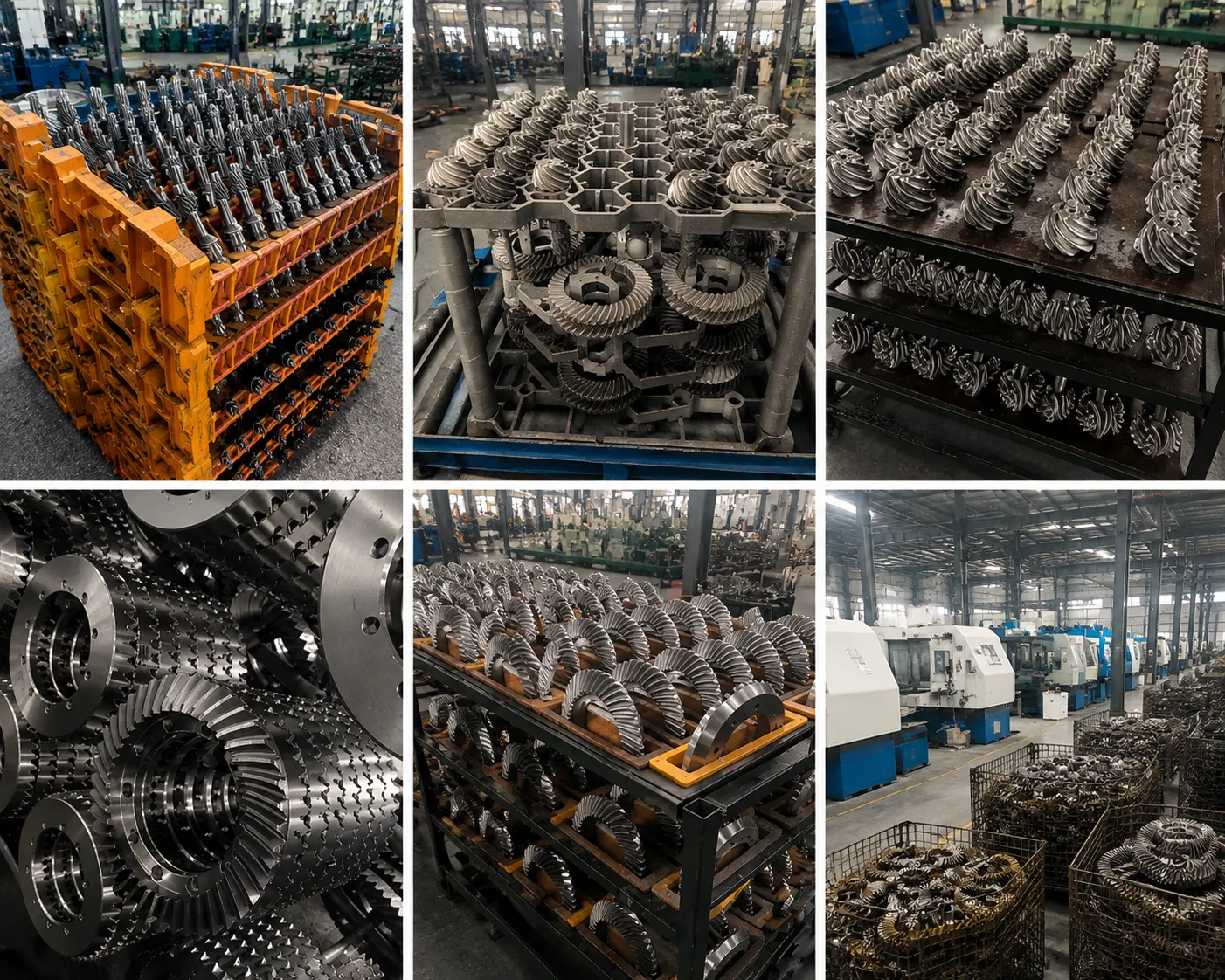
Korea Ever-Power hygienic worm gear food processing production workshop
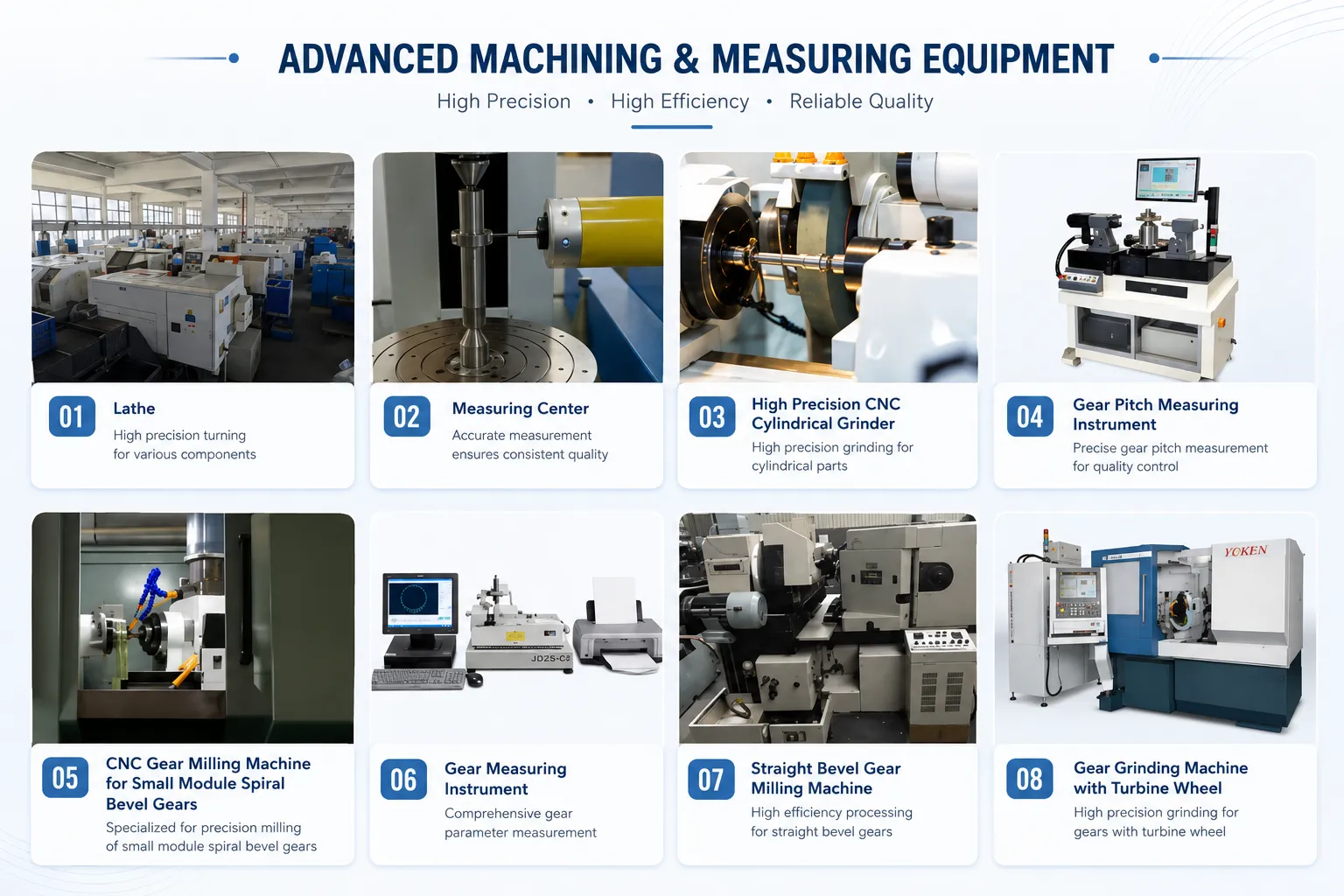
Korea Ever-Power hygienic worm gear manufacturing facility — 316L stainless worm shaft grinding and assembly for food processing applications. Worm shaft surface finish measurement: Ra ≤ 0.4 μm on the worm thread flanks is verified using a contact profilometer on every food processing worm shaft before assembly, as this surface finish is directly linked to the initial friction coefficient at startup and the running-in period duration. A rougher worm surface (Ra > 0.8 μm) increases friction at startup, raises oil temperature, and requires a longer running-in period at reduced load — all undesirable characteristics in food processing where production startup is rapid and machine temperature must be controlled to prevent thermal deformation of temperature-sensitive food products near the drive. Korea Ever-Power maintains a food processing gear application team with expertise in EHEDG, NSF, FDA 21 CFR, and HACCP compliance documentation requirements for food plant machinery procurement departments.
Korea Ever-Power precision gear measurement worm gear food processing quality
Korea Ever-Power precision gear measurement for hygienic worm gear quality assurance — worm thread profile and pitch measurement on a Zeiss gear CMM. Food processing worm gears require tighter dimensional tolerances than standard industrial worm gears in two specific areas: the shaft sealing surface (which must be round within 5 μm TIR and surface finish Ra ≤ 0.4 μm to guarantee the lip seal makes consistent contact around the shaft circumference), and the worm thread flank surface finish (Ra ≤ 0.4 μm to minimise friction at the worm-wheel mesh and prevent micro-pitting that would generate metallic debris). All Korea Ever-Power hygienic food processing worm gears are measured for shaft roundness on a roundness tester and for thread surface finish with a contact profilometer before assembly into the housing — measurement records are retained for 5 years in the production quality file and are available to food plant customers on request for HACCP equipment qualification records.

Frequently Asked Questions — Worm Gears for Food Processing

Q 01

Our poultry processing plant had a gearbox lubricant contamination incident where NSF H1 oil was found in the product. What went wrong and how do we prevent recurrence?

NSF H1 lubricant reaching the product in a poultry processing line typically occurs through one of three mechanisms: (1) Shaft seal failure at the output shaft: the output shaft enters the product zone (conveyor drive, auger drive) and a failed or inadequate lip seal allows oil to migrate along the shaft surface to the product contact area. Diagnosis: look for oily residue on the shaft surface between the gearbox housing and the product zone. Prevention: install a second (external) lip seal with a grease-packed void between the two seals — the grease in the void space is NSF H2 (or H1) and provides a secondary containment barrier if the internal seal leaks. (2) Housing joint gasket failure: the housing split joint allows oil weepage under the CIP pressure, which then drips onto the product conveyor below. Prevention: replace the housing gasket with a continuous EPDM bead applied fresh at each gearbox maintenance opening, and verify housing bolt torque to the specified clamping force after gasket replacement. (3) Over-filling of the gearbox: oil level above the maximum mark allows oil to build pressure in the housing under thermal expansion during operation, forcing oil past the shaft seal pressure lip. Check: drain oil and verify the level with the gearbox horizontal at ambient temperature; refill only to the maximum mark (typically 50–60% of the internal void volume for a horizontal shaft worm gearbox). Corrective action for the product contamination incident: establish a Corrective Action Record (CAR) per HACCP requirements, document the root cause and preventive action, and verify the worm gearbox is on the plant’s preventive maintenance register with the shaft seal inspection interval not exceeding 500 hours for food zone gearboxes. Korea Ever-Power can provide a food processing worm gearbox audit checklist for HACCP compliance review on request.

Q 02

What is the difference between NSF H1 and NSF H2 lubricant classification, and how does it determine which worm gearboxes in our food plant need food-grade oil?

The NSF International lubricant classification system for food and beverage processing: NSF H1: lubricants that are acceptable for incidental contact with food — defined as accidental contact that does not intentionally add the lubricant to the food but may result in the lubricant entering the food product in small quantities (maximum 10 ppm in the food per FDA 21 CFR 178.3570). H1 lubricants must be formulated from ingredients on the FDA 21 CFR approved list — base oils must be white mineral oil (pharmaceutical grade), PAO, or specific approved synthetic base stocks; additives must also be from the approved list. H1 certification requires third-party testing and annual re-registration with NSF. NSF H2: lubricants for use in locations where there is no possibility of the lubricant contacting food — enclosed gearboxes completely outside the food zone, utility drives for compressors and refrigeration. H2 lubricants have less restrictive formulation requirements and are generally lower in cost than H1. Application decision guide for food plant worm gearboxes: (1) Any gearbox with a shaft entering a product-contact zone → H1 mandatory. (2) Any gearbox mounted above a product conveyor or vessel where a seal failure could drip oil onto product → H1 mandatory. (3) Any gearbox where CIP cleaning water passes over the housing exterior → H1 recommended (CIP can wash trace oil from the shaft seal lip onto the product surface). (4) Fully enclosed, isolated utility drives in equipment rooms with no product contact risk → H2 acceptable. When in doubt between H1 and H2, specify H1 — the cost premium is typically 30–50% for the lubricant alone, which is minor compared to the food safety and recall risk of a contamination incident with H2 oil in a product zone.

Q 03

Can Korea Ever-Power supply complete hygienic worm gearbox assemblies ready for installation, or only the worm and wheel set?

Korea Ever-Power supplies food processing worm gears in three formats: (1) Complete hygienic worm gearbox assembly (most common for food plant OEM and replacement): 316L stainless housing + 316L or 17-4 PH worm shaft + PB2 centrifugal-cast bronze wheel + NSF H1 PAO lubricant pre-filled + EPDM shaft seals + stainless hardware + EHEDG-compliant housing geometry. Available in centre distance 40–160 mm, ratios 5:1–100:1, foot or flange mounting, input shaft or IEC motor flange. These complete assemblies are the most efficient supply format for food plant engineering teams — no assembly or lubricant specification required, delivered ready to bolt on and connect. (2) Worm and wheel matched set (for customers with proprietary food-grade housing designs): 316L stainless worm shaft + PB2 or stainless wheel, supplied with NSF H1 lubricant recommendation and EHEDG surface finish certificate. Customers who design their own food-grade housings in 316L or specialised food-safe polymers use this format. (3) Housing-only supply with Korea Ever-Power standard worm sets: 316L stainless housing manufactured to the customer’s mounting interface drawing, with Korea Ever-Power standard worm shaft and wheel selected from the product range to match the customer’s ratio and torque requirements. This is the least common format but is useful for OEMs with proprietary mounting standards. Lead time: complete assemblies from stock range 50–80 mm centre distance: 7–14 days. Custom sizes and special ratios: 18–28 days. Documentation for food plant HACCP files: NSF H1 lubricant data sheet, FDA 21 CFR 178.3570 compliance statement, EHEDG surface finish certificate, 316L material certificate, IP69K test certificate.

Explore Korea Ever-Power Gear Categories

Seven precision gear product lines for food processing, dairy, meat, beverage and pharmaceutical applications worldwide.
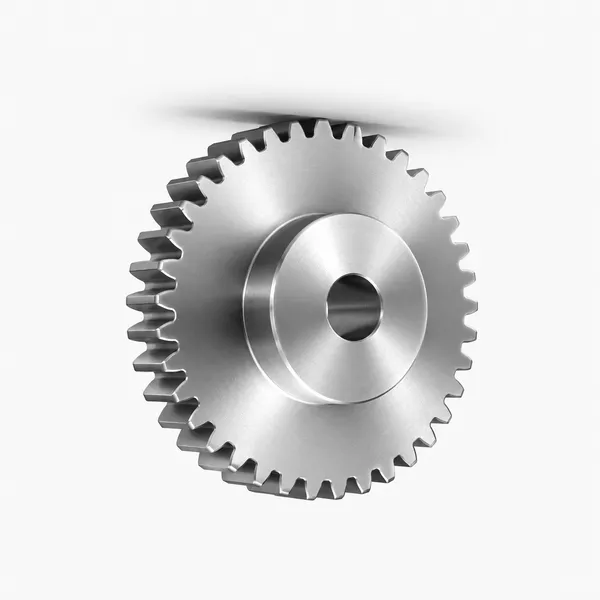
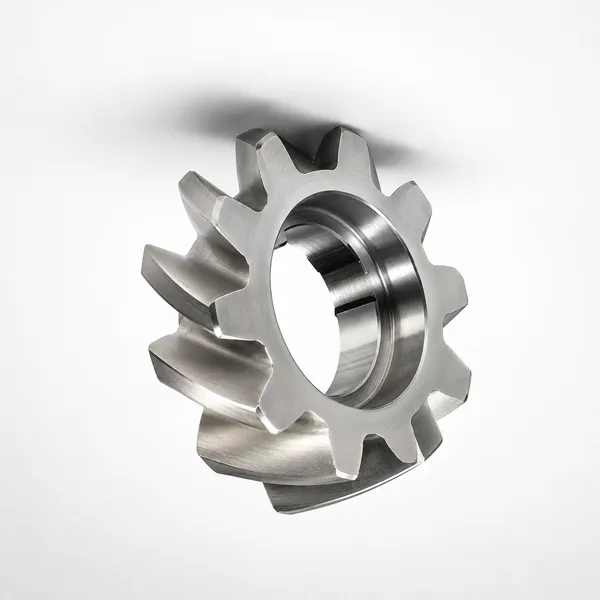
stainless spur gear food

Spur Gears

316L stainless · food · NSF H1 · IP67

helical gear food beverage

Helical Gears

Beverage · food · 316L · low noise

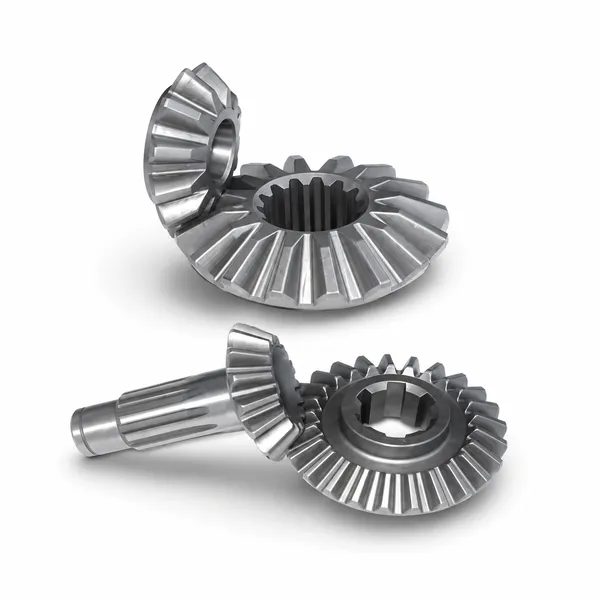
bevel gear food processing

Bevel Gears

316L · miter · 90° · hygienic

stainless worm gear food

Worm Gears

316L · NSF H1 · IP69K · EHEDG

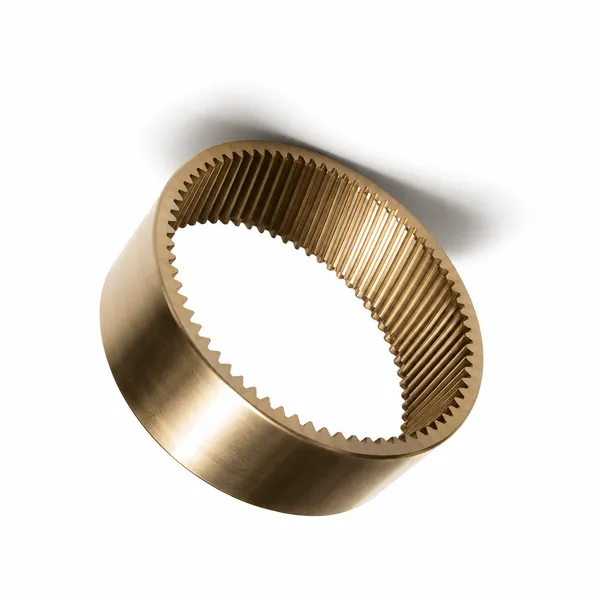
ring gear

Ring Gears

Internal · indexing · food carousel

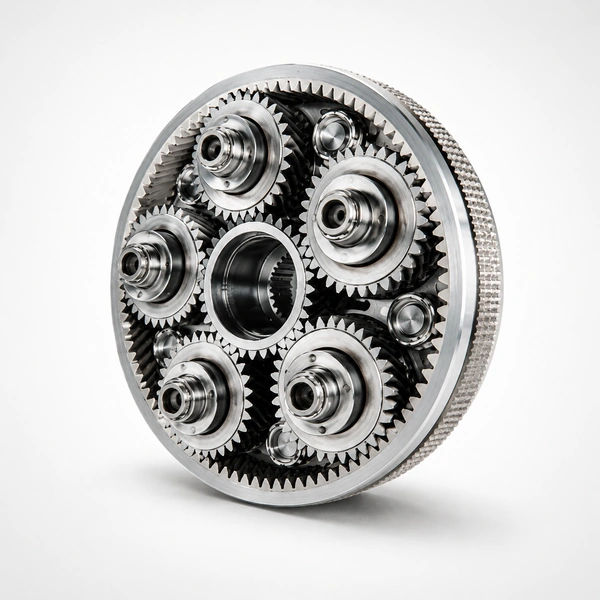
planetary gear food

Planetary Gears

Compact · servo · food line indexer

plastic gear food

Plastic Gears

POM · PEEK · FDA · food-safe

GET A QUOTATION · KOREA EVER-POWER

Need Worm Gears for Food Processing Equipment?

Korea Ever-Power manufactures 316L stainless worm gear assemblies for all food processing applications — meat, poultry, bakery, confectionery, beverage, dairy, and fish processing. NSF H1 pre-filled PAO lubricant, IP69K housing, EPDM seals, EHEDG-compliant geometry, FDA 21 CFR compliance documentation. Centre distance 40–160 mm, ratio 5:1–100:1, self-locking confirmed. Complete assembly supply or worm and wheel sets. ISO 9001:2015 certified.

Request a Quotation →

Editor: Cxm

VR Tour of Our Factory

TAGs:

gear rack

As one of leading gear rack manufacturers, suppliers and exporters of products, We offer gear rack and many other products.

Please contact us for details.

Mail:[email protected]

Manufacturer supplier exporter of gear rack

Recent Posts

en_USEnglish