GEAR APPLICATION GUIDE · SPUR GEAR · S08

Spur Gears for Textile Machinery:
Weaving Looms, Spinning Frames and Knitting Machine Drives

Textile machinery spur gears occupy a demanding niche that combines the precision demands of printing machine gears with the high-cycle fatigue requirements of industrial conveyors — a modern high-speed rapier loom runs at 900 picks per minute, completing nearly 500 million weaving cycles per year, placing every spur gear in its pattern drive and takeup mechanism in the ultra-high cycle fatigue regime where even minor tooth surface defects progressively reduce load-carrying capacity to failure. At the same time, the textile industry imposes unique cleanliness requirements — lubrication must not contaminate the fabric being processed, and in medical textile and food packaging fabric production, the gear oil and housing materials must meet the same regulatory standards as pharmaceutical manufacturing environments. This guide covers spur gear specification, material selection, noise reduction, and fibre contamination prevention for weaving, spinning, knitting, and nonwoven fabric production machinery.

20CrMnTi · C45 · 316L · M1–M8 · DIN 5–7
500M cycles · Fibre-Free Housing · Low Noise
Loom · Spinning · Knitting · Nonwoven

CYCLE RATE

Up to 900 rpm

Rapier weaving loom main shaft speed at maximum production. Air-jet loom main shaft: up to 1,100 rpm. Ring spinning frame spindle: 15,000–25,000 rpm. Warp knitting machine mainshaft: 1,400–2,200 rpm. Ultra-high-cycle fatigue regime applies to all these applications

MODULE RANGE

M1 – M8

Textile machinery spur gear module range. Loom dobby and pattern drive: M1–M2.5. Loom takeup and letoff: M2–M4. Spinning frame delivery rollers: M2–M3. Tufting machine gauge drive: M3–M5. Nonwoven carding and drafting: M4–M8

NOISE LIMIT

<75 dB(A)

Textile mill noise limit at the operator position per EU Machinery Directive and ISO 11688. Spur gear noise in loom and spinning drives is a significant contributor to mill ambient noise. DIN 5–6 quality class and tip relief applied to reduce gear mesh noise contribution below the 75 dB(A) occupational exposure limit

FATIGUE CYCLES

>500 million

Typical tooth load cycles accumulated by a weaving loom spur gear running at 900 rpm for 6,000 hours per year for 2+ years before replacement. The ISO 6336 “long life” or Woehler curve endurance limit applies — tooth bending stress must remain below the endurance limit at this cycle count

Spur Gear Requirements in Textile Machinery — Precision, Speed, and Fabric Cleanliness

The textile machinery industry presents an unusual gear application context — machines that are simultaneously high-precision (the pattern drive of a dobby loom must position the heddle frames with sub-millimetre accuracy at 900 picks per minute), high-speed (air-jet loom main shafts reach 1,100 RPM, placing spur gear pitch line velocities in the 5–15 m/s range for M2–M4 gears), and contamination-sensitive in a way that has no parallel in most industrial gear applications. Fibre contamination of the gear oil — loose fibres from the warp, weft, or pile yarn being woven or spun that enter the gearbox through shaft clearances or breather openings — is the primary cause of premature spur gear and bearing failure in textile machinery drives. A cotton fibre lodged between a tooth flank and its mating tooth face introduces a hard abrasive particle (cotton seed hull fragments have hardness approaching HRC 20) that scores both tooth surfaces and initiates a chain of progressive abrasive wear that shortens gear life from the designed 5+ years to 12–18 months.

Korea Ever-Power’s spur gears for textile machinery are manufactured in 20CrMnTi case carburized (for all high-speed loom and knitting machine drives where the combination of fatigue life and surface hardness is the specification driver), C45 induction hardened (for slower-speed takeup and letoff mechanisms in weaving looms where cost is the primary criterion), and 316L stainless (for medical textile, surgical drape, and food-contact fabric production where oil contamination of the fabric surface would render the product unusable). The production range covers the complete spectrum of textile industry module and quality requirements — from M1 dobby latch gears ground to DIN 5 for the most demanding Belgian rapier loom manufacturers, through M8 carding machine gears for nonwoven production facilities. All textile machine spur gears from Korea Ever-Power are supplied with sealed housing mounting provisions and dual-lip shaft seal compatibility to prevent fibre ingress.

Noise control is the second critical requirement that distinguishes textile machinery spur gears from standard industrial gears. A weaving shed operating 100 rapier looms at 850 picks per minute generates ambient noise levels of 85–95 dB(A) — well above the 85 dB(A) action level that requires hearing protection for workers in the EU and most jurisdictions. Spur gears are a significant contributor to this noise — each loom contains 40–80 spur gears of various sizes, and their combined gear mesh frequency noise at 850 RPM × 20–40 teeth = 283–567 Hz falls in the most hearing-sensitive frequency range of the human ear. The noise reduction benefit of upgrading from DIN 7 to DIN 5–6 quality class in the key loom pattern drive gears is typically 3–5 dB(A) at the operator position — a significant improvement at a cost premium of 20–35% per gear, but justified by the occupational health compliance and the operator comfort and productivity improvement in quieter working conditions.
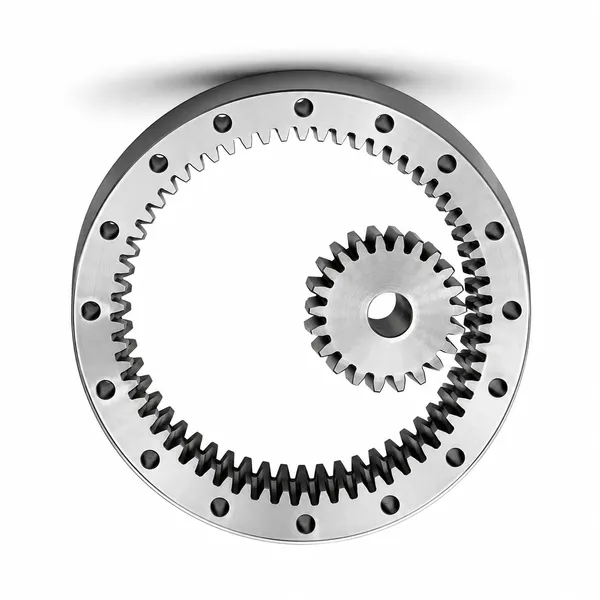
internal spur gear textile machinery loom drive Korea Ever-Power
Korea Ever-Power 20CrMnTi case carburized internal spur gear for weaving loom pattern drive application — M2, 64 teeth internal, bore 80 mm H7, HRC 60–62 tooth surface, DIN 6 quality class, profile tip relief 4 μm applied to reduce mesh impact at 750 RPM operation. The internal spur gear form is used in loom dobby and cam box drives because it provides a larger tooth contact ratio (and therefore lower noise) than an equivalent external gear pair in the same centre distance, and allows a more compact drive arrangement within the loom frame width. Housing: sealed aluminium with double-lip nitrile shaft seals and labyrinth gap on the yarn-side shaft entry to intercept fibre before it reaches the lip seal. Replacement for Stäubli, Grosse, and Bonas positive dobby internal gear sets on rapier and projectile looms.

Textile Machine Application Drive Specifications
APP 01

RAPIER / AIR-JET
WEAVING LOOM

Spur gear specification: M1–M4, 20CrMnTi carburized, DIN 5–6, tip relief applied, fibre-excluding sealed housing, noise target <72 dB(A) gear contribution. Modern rapier weaving looms (Picanol OptiMax, Lindauer Dornier, Itema R9500) and air-jet looms (Toyota JAT810, Tsudakoma ZAX9100) use spur gear trains in three primary locations: the dobby or cam-box pattern drive (which controls the sequence of heddle frame movements to create the fabric pattern), the temple and selvedge drives, and the warp beam letoff and fabric takeup mechanisms. The pattern drive gears are the most noise-critical — they run at main shaft speed (up to 1,100 RPM for air-jet) and their mesh frequencies fall in the 280–550 Hz range. Korea Ever-Power pattern drive spur gears are ground to DIN 5–6 with 4–6 μm tip relief on both driver and driven gears to eliminate the mesh entry impact impulse that generates the fundamental gear mesh noise component. Backlash in loom pattern drive spur gears must be controlled within 0.03–0.05 mm to prevent pattern registration error during the heddle frame direction reversals at each pick — any excess backlash allows the pattern drive to lose a fraction of a tooth pitch at the reversal, causing the fabric pattern to show a “beat” defect at the repeat period of the reversal cycle.

APP 02

RING SPINNING
FRAME

Spur gear specification: M1.5–M3, 20CrMnTi carburized or C45 induction hardened (for slower back roller and draft system gears), DIN 6–7, ultra-high cycle fatigue design with bending stress below endurance limit. Ring spinning frames (the dominant yarn production machine globally, producing the majority of cotton and polyester yarn used in woven and knitted fabrics) use spur gears to drive the drafting system rollers (which attenuate the fibre bundle from the roving to the yarn count), the flyer and bobbin drives, and the ring rail traverse. These gears run at moderate speed but for extremely long periods — a modern ring spinning frame operates 8,000+ hours per year and the drafting roller drive gears accumulate over 500 million load cycles within the first 18 months of operation. The ISO 6336 endurance limit approach to gear fatigue design is mandatory — tooth bending stress must remain below the material’s endurance limit (not just the finite fatigue life at the calculated cycle count) to prevent infinite-life fatigue failure. Korea Ever-Power ring spinning frame spur gears are designed with a bending fatigue safety factor S_F ≥ 1.5 at the endurance limit tooth load, using 20CrMnTi case carburized to achieve the required endurance limit bending stress capacity.

APP 03

WARP KNITTING
MACHINE

Spur gear specification: M1–M3, 20CrMnTi carburized, DIN 5–6 ground, low backlash ≤0.04 mm (for pattern guide bar synchronisation), noise <70 dB(A) gear mesh contribution. High-speed warp knitting machines (Karl Mayer, LIBA, Comez) produce tricot, lace, and technical textiles at 1,400–2,200 courses per minute, making them among the fastest-cycling textile machines. The guide bar drive spur gears must synchronise the lateral displacement of the yarn guide bars (which lay the yarn in the stitch pattern) with the mainshaft needle bar movement at millisecond precision — any deviation from the programmed lateral guide bar position at each course produces a visible pattern defect in the fabric. The spur gear train driving the pattern guide bars must therefore have extremely low transmission error and backlash — Korea Ever-Power guide bar drive spur gears for warp knitting machines are ground to DIN 5 and supplied with individual transmission error measurement below 4 μrad, with matched pairs at the guide bar drive pinion-wheel interfaces to confirm combined TE performance.

APP 04

NONWOVEN
CARDING & DRAFTING

Spur gear specification: M3–M8, 42CrMo4 QT or 20CrMnTi carburized, DIN 7, wide face width for high torque at low speed, sealed housings with synthetic fibre-resistant lip seals. Nonwoven fabric production (spunbond, meltblown, needlepunch, hydroentanglement) uses heavy-duty spur gears in the carding machine and drafting roll drives, where the gear module is larger (M4–M8) and the duty is heavier than in yarn-producing machinery. The carding machine uses spur gears to drive the main cylinder (60–100 RPM, 3–8 kW per metre of working width) and the worker and stripper rolls at precisely controlled speed differentials — the ratio between the main cylinder and worker roll peripheral speed determines the fibre orientation in the web, which directly affects the strength anisotropy of the finished nonwoven fabric. Any speed ratio error from worn or inaccurate spur gears shifts the fibre orientation from the designed proportion, affecting the fabric’s directional strength specification. Korea Ever-Power carding machine spur gears are supplied in matched sets with confirmed pitch accuracy to prevent speed ratio drift from tooth spacing error.

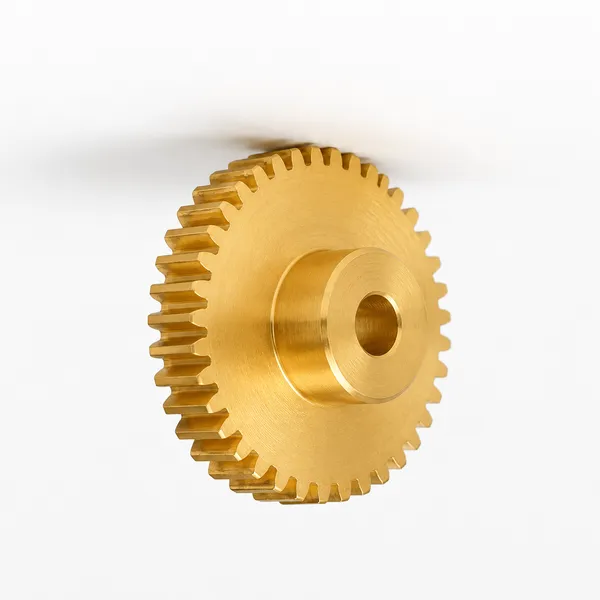
brass spur gear textile machinery precision Korea Ever-Power
Korea Ever-Power precision spur gear set for textile machinery pattern drive and timing applications. Small-module gears (M1–M3) for textile applications are manufactured from brass CuZn39Pb3 for low-duty applications where corrosion resistance and non-magnetic properties are required (for use near fabric sensors and electronic pattern controllers), and from 20CrMnTi carburized steel for all high-cycle fatigue applications. The brass spur gears shown are used in loom dobby latch mechanisms and yarn measurement wheel drive trains where the gear operates in direct contact with yarn and fibre dust — brass is self-lubricating and non-abrasive to synthetic fibres, producing no metallic contamination that would show as a metallic sheen defect on woven white or light-coloured fabrics during subsequent dyeing processes.

Fibre Contamination Prevention and Lubrication for Textile Machine Spur Gears

The prevention of fibre ingress into textile machine spur gear housings is an engineering challenge with no close parallel in other industries — the gear housing is surrounded by airborne fibres, fly, and dust that arise from the yarn and fabric processing, at concentrations that would be considered extreme in any other manufacturing environment. A weaving shed processing cotton fabric at 500 looms generates airborne fibre concentrations of 2–5 mg/m³ in the machine zone — each cubic metre of air in the machine area contains enough fibre to fill the gear housing void of a loom pattern drive gearbox within weeks if the sealing is inadequate. These fibres, once inside the housing, absorb moisture from the oil and form compacted plugs in oil circulation passages, causing localised oil starvation and tooth surface scoring.

TEXTILE MACHINERY SPUR GEAR — FIBRE CONTAMINATION PREVENTION

SHAFT SEALING

  • • Primary seal: double-lip polyacrylate (ACM) or fluorocarbon (FKM) lip seal — ACM tolerates textile sizing agents (starch, PVA) better than NBR. FKM for high-temperature applications above 100°C ambient (near heating elements in yarn sizing)
  • • Secondary exclusion: labyrinth or scraper ring on yarn-side shaft entry to catch long fibres before they reach the lip seal
  • • Positive air purge: optional low-pressure clean air supply to gearbox interior maintains slight positive pressure, preventing fibre-laden air from entering through shaft clearances

LUBRICATION

  • • Loom pattern and cam box gears: ISO VG 68–100 textile machinery oil with anti-sizing agent additive. The anti-sizing agent prevents PVA or starch sizing agents that enter from warp yarn from emulsifying the oil
  • • Spinning and winding: ISO VG 100–150 with rust inhibitor. Humid spinning rooms (65–80% RH) accelerate oil oxidation — oil change every 1,000–1,500 hours
  • • Medical and food-contact textile: NSF H1 synthetic food-grade oil mandatory

HOUSING MATERIAL

  • • Standard loom gearbox: aluminium alloy housing, powder-coated cream or grey (textile industry standard colour)
  • • Medical textile: 316L stainless housing, electropolished, Ra ≤ 0.8 μm, EPDM gaskets, NSF H1 food-grade oil
  • • High-humidity spinning: cast iron with epoxy interior coating to prevent internal rust contaminating the oil with iron particles that would then contaminate white yarn
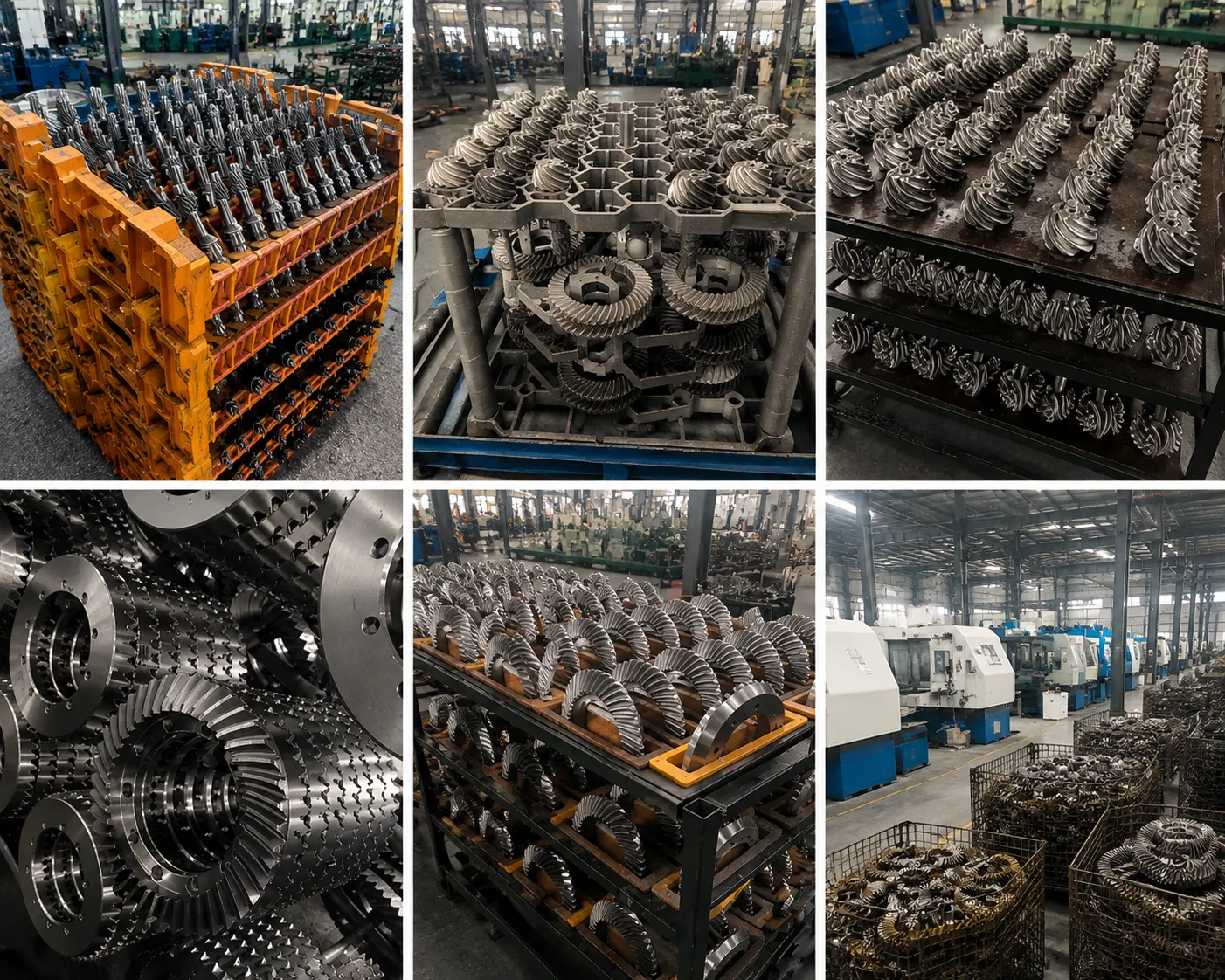
Korea Ever-Power precision gear manufacturing textile machinery spur gear
Korea Ever-Power precision gear manufacturing workshop — small-module textile machinery spur gear production and quality inspection. CNC gear hobbing machines with 0.001 mm pitch accuracy for M1–M4 textile industry gears, followed by profile grinding to DIN 5–6 quality class for loom pattern drive and warp knitting guide bar drive applications. All textile machinery spur gears undergo 100% optical profile inspection before shipment — an important quality control step at M1–M2.5 module where the tooth dimensions are small enough that individual tooth form errors below the DIN grade limit can still significantly affect transmission error in ultra-high-speed loom applications. Korea Ever-Power maintains a cross-reference database of over 400 textile machinery spur gear part numbers from Picanol, Toyota, Tsudakoma, Karl Mayer, and other major textile OEMs for rapid aftermarket supply identification.

Frequently Asked Questions — Textile Machinery Spur Gears

Q 01

Our rapier loom dobby gears are wearing through in 8–10 months instead of the expected 24+ months. The fabric also shows a faint repeat pattern defect. How are these two problems related?

The accelerated gear wear and the fabric repeat defect are almost certainly the same root problem — abrasive contamination inside the dobby gear housing, causing both premature tooth flank wear and increased transmission error that manifests as the pattern defect. The fabric defect pattern analysis confirms this: count the number of picks (weft insertions) between defect repeats. If this matches the gear tooth count of one of the dobby gears (which you can identify from the dobby gearbox schematic), the defect is the transmission error of that specific gear manifesting as a periodic variation in the heddle frame timing. Root cause of the accelerated wear: (1) Fibre ingress — cotton fly and warp sizing particles entering the housing and contaminating the gear oil with abrasive material. Check by draining the oil and filtering it through white cloth — if fine fibre residue is visible on the cloth, the seal has been breached. (2) Oil degradation — sizing agent (PVA or starch from warp sizing) has emulsified the gear oil, eliminating the EHL film and causing adhesive/abrasive wear. Check by oil viscosity measurement — if viscosity has increased by more than 30% from the original specification, the oil is contaminated. Remedies: replace all dobby gear oil, renew the shaft seals on the yarn-side shaft entries, and specify Korea Ever-Power replacement dobby spur gears in 20CrMnTi carburized at DIN 6 quality to restore the original transmission error spec. For the fibre exclusion, add a felt wiper on the rotating shaft 10 mm outboard of the lip seal — the felt intercepts fibres before they reach and wind around the lip seal lip, which is the primary fibre ingress mechanism in loom gearboxes.

Q 02

Can Korea Ever-Power supply spur gears for Picanol GTMax, Lindauer DORNIER rapier and Toyota air-jet looms without original drawings?

Yes — Korea Ever-Power maintains a textile loom spur gear reference database covering the principal gear positions in all major loom models from Picanol (GTMax, GTMax-i, OptiMax), Lindauer DORNIER (rapier and air-jet series), Toyota (JAT710, JAT810, JAT910), Tsudakoma (ZAX9100, ZW8200), Promatech (P4 series), and Itema (R9500, A9500). For the most common pattern drive, takeup, and letoff gear positions, Korea Ever-Power can identify the gear specification from the loom model number and the gear position designation in the loom maintenance manual — no original Picanol or Toyota drawing is required for these positions. Supply modes: (1) Cross-reference supply: provide the loom model, loom year, and the gear part number from the loom spare parts manual — Korea Ever-Power confirms from the database and ships the matched replacement. (2) Measurement-based supply: if the loom manual is unavailable, provide the worn gear for reverse measurement (or submit OD, tooth count, bore diameter, face width measurements) — Korea Ever-Power calculates the module and manufactures to the measured specification. Lead time for cross-reference gears: 8–15 days. For measurement-based: 15–22 days. Minimum order: 1 gear for most sizes; some very small M1 gears have 5-piece minimum from the production run setup cost.

Q 03

What is the correct specification for upgrading loom gearbox spur gears to reduce noise in an existing weaving shed that exceeds the 85 dB(A) action level?

A loom gear noise reduction upgrade programme should focus on the high-speed, large-mesh-frequency gears first — these contribute most to the 280–550 Hz frequency range where both gear mesh noise and human hearing sensitivity are highest. Upgrade specification for noise reduction: (1) Quality class upgrade from DIN 7 to DIN 5–6: reduces transmission error by approximately 50%, cutting the fundamental gear mesh noise component by 3–5 dB(A). This applies particularly to the main drive gear stage at main shaft speed, the dobby input gear, and the temple drive gear. (2) Tip and root relief: 4–6 μm tip relief on both meshing gears eliminates the tooth entry and exit impact pulses that generate the high-frequency gear noise harmonics — these harmonics add to the total noise level but are also the most irritating component of gear noise to the human ear. Relief values must be calculated for the specific gear and load — generic relief values will help at rated load but may worsen noise at part load if incorrectly specified. (3) Face width increase where housing allows: wider face width reduces the load per unit tooth face width, lowering the dynamic mesh force and hence the noise output. A 20% increase in face width reduces noise by approximately 2 dB(A) if the housing can accommodate the wider gear without modification. (4) Case hardening upgrade from C45 induction to 20CrMnTi carburized: the smoother, harder tooth surface of carburized gears reduces the micro-roughness noise contribution at the mesh, contributing an additional 1–2 dB(A) reduction. Korea Ever-Power can provide a free noise-reduction consultation for specific loom models — submit the loom model, current dobby/drive gear specifications, and the measured noise level at the operator position for a targeted upgrade recommendation.

Explore Korea Ever-Power Gear Categories

Seven precision gear product lines for textile machinery, food processing, packaging and industrial applications worldwide.
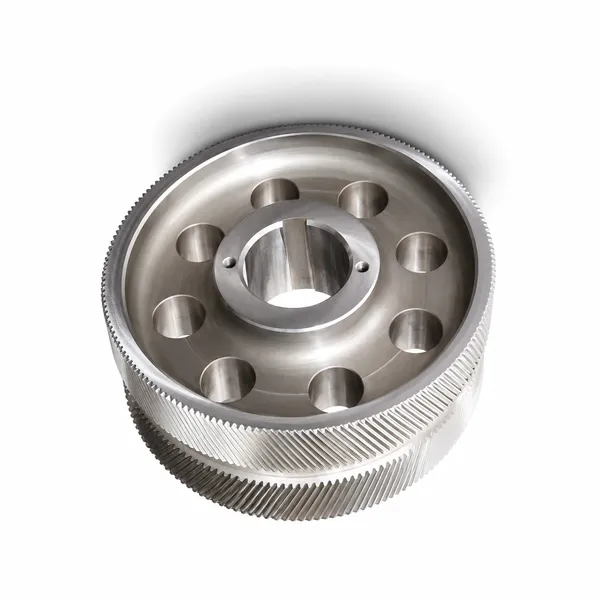
internal spur gear loom

Spur Gears

M1–M8 · DIN 5–7 · loom · spinning

helical gear textile

Helical Gears

Low noise · textile main drive · gearbox

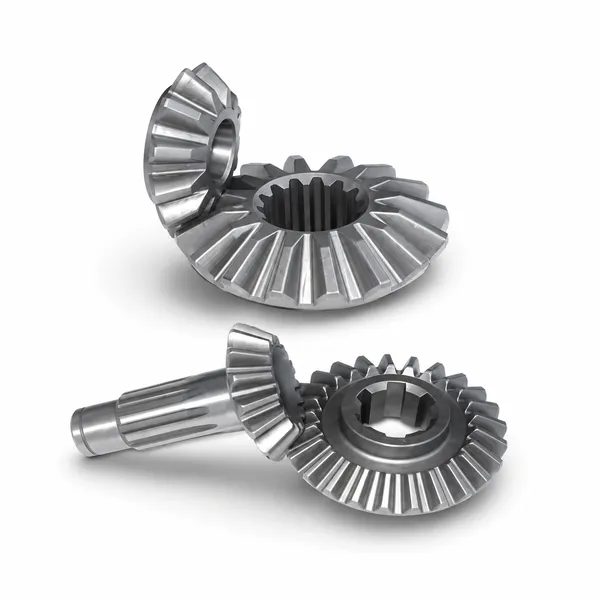
bevel gear textile

Ingranaggi conici

Right-angle · loom auxiliary · temple

worm gear

Worm Gears

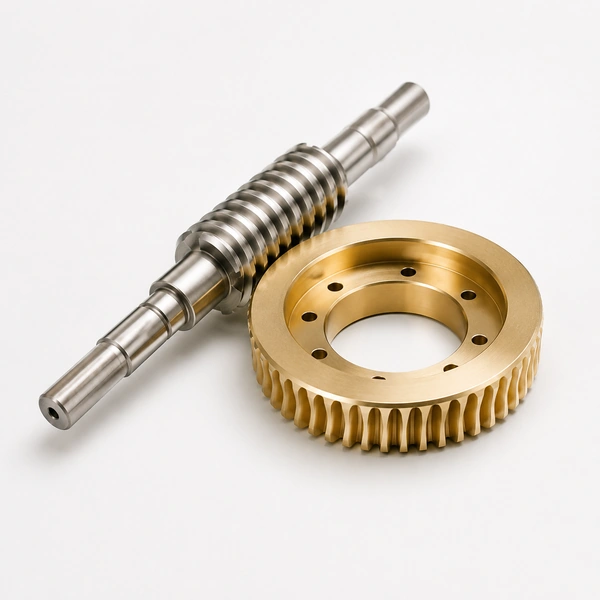
Winding · tensioner · slow speed

ring gear

Ring Gears

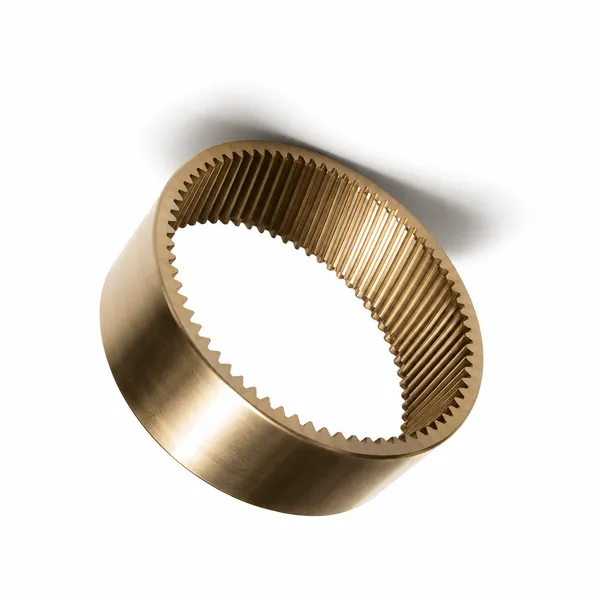
Internal · loom beam drive · windup

planetary gear

Planetary Gears

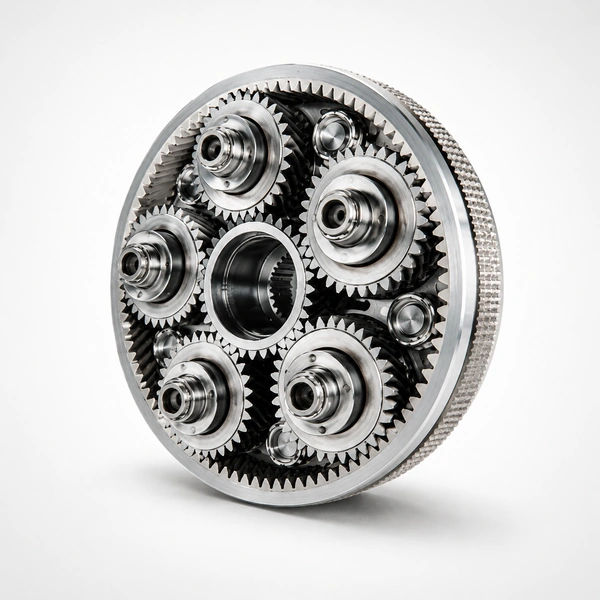
Compact · servo · winding head

plastic gear textile

Plastic Gears

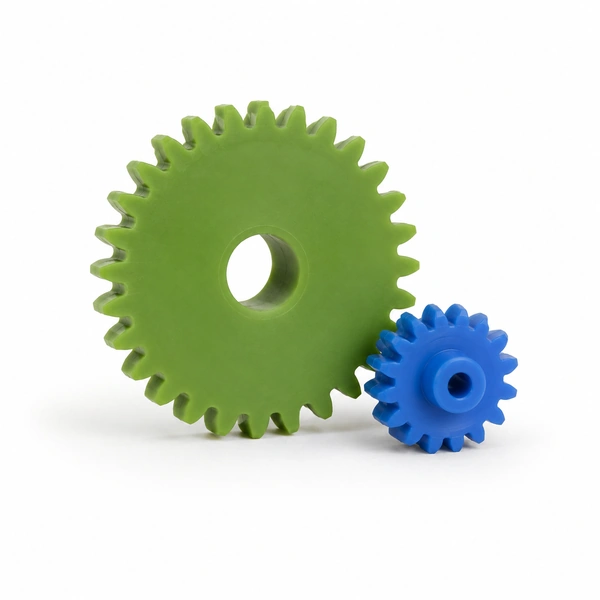
Nylon · POM · loom latch · yarn guide

GET A QUOTATION · KOREA EVER-POWER

Need Spur Gears for Textile Machinery?

Korea Ever-Power manufactures 20CrMnTi, C45, brass, and 316L stainless spur gears for all textile machinery applications — rapier and air-jet loom pattern drives, ring spinning frame drafting gears, warp knitting guide bar drives, and nonwoven carding rolls. Module M1–M8, DIN 5–7, fibre-excluding sealed housing options, NSF H1 lubricant compatibility for medical textiles. Cross-reference for Picanol, Toyota, Tsudakoma, Lindauer DORNIER, Karl Mayer. ISO 9001:2015 certified.

Request a Quotation →

Redattore: Cxm

VR Tour of Our Factory

TAGs:

cremagliera degli ingranaggi

In qualità di uno dei principali produttori, fornitori ed esportatori di cremagliere, offriamo cremagliere e molti altri prodotti.

Vi preghiamo di contattarci per maggiori dettagli.

Posta:[email protected]

Produttore, fornitore ed esportatore di cremagliere

Articoli recenti

it_ITItalian