GEAR APPLICATION GUIDE · RING GEAR · R04

Ring Gears for Automotive Applications:
Flywheel Ring Gears, Differential Ring Gears and EV Planetary Drives

Automotive ring gears appear in three functionally distinct roles in a vehicle drivetrain — the flywheel ring gear (the external-tooth ring that the starter motor pinion engages to crank the engine), the differential ring gear (the large bevel ring gear in the axle differential that divides torque between the left and right drive wheels), and the planetary set ring gear in automatic transmissions and electric vehicle single-speed reducers. Each role has a specific material, tooth form, heat treatment, and quality specification, and each must be understood separately to correctly specify aftermarket replacement parts or to design new automotive powertrain components. This guide covers all three automotive ring gear applications with detailed engineering specifications for commercial vehicle, passenger car, and EV drivetrain contexts.

20CrMnTi · 8620H · 9310 · M4–M12 · DIN 5–8
Flywheel · Differential · EV Planetary · AGM Compat.
Commercial Vehicle · Passenger Car · BEV · OEM

FLYWHEEL RING

M4 – M7

Flywheel ring gear module range. Passenger car (1,000–2,000 cc): M4–M5 (OD 220–300 mm). Light commercial (2.5–4 litre diesel): M5–M6 (OD 320–400 mm). Heavy truck (6–13 litre diesel): M6–M7 (OD 420–550 mm). Tooth form: straight external spur. Material: 42CrMo4 QT or C45, OD induction hardened for starter pinion engagement

DIFFERENTIAL RING

Hypoid Bevel

Automotive differential ring gear tooth form: hypoid bevel (offset pinion axis, enabling a lower propeller shaft tunnel height vs spiral bevel). Module: equivalent face module m_e = 4–8 for passenger car, 6–12 for truck axle. Material: 8620H or SAE 9310 case carburized, shot peened, superfinished. Lapping to achieve ≤ 0.4 μm surface roughness on both tooth flanks

EV PLANETARY RING

M3 – M8

BEV (battery electric vehicle) single-speed planetary reducer ring gear module range. Small EV (100–200 kW motor): M3–M5, OD 180–280 mm. Mid-size EV (200–400 kW): M5–M7, OD 250–380 mm. Heavy EV truck (400+ kW): M6–M8, OD 350–480 mm. Material: 20CrMnTi or 8620H case carburized, DIN 5–6 ground. Noise (NVH) requirement ≤ 65 dB(A) in vehicle interior

NVH STANDARD

≤ 65 dB(A)

Interior NVH (Noise, Vibration, and Harshness) target for EV drivetrain ring gears. The EV drivetrain operates without the combustion engine noise that masked gearbox noise in ICE vehicles — any gear mesh tone above 65 dB(A) in the vehicle interior at road speed is immediately audible and customer-perceptible. DIN 5 ground, superfinished internal ring gear is the baseline for achieving this target

Automotive Ring Gear Engineering — Three Applications, Three Specifications

The three automotive ring gear applications differ not only in their engineering specifications but in the nature of the loads they carry and the failure consequences they face. The flywheel ring gear sees brief, high-impact loads every time the starter motor cranks the engine — the starter pinion impacts the flywheel ring teeth at engagement, producing a shock load significantly higher than the nominal cranking torque. The differential ring gear carries the full wheel drive torque of the vehicle continuously, including the severe overloads of wheel spin recovery on wet or icy road surfaces. The EV planetary ring gear is subject to the NVH scrutiny described above, but also to new operating conditions unprecedented in ICE vehicle transmissions — the EV ring gear must accept the full motor torque in both directions equally (regenerative braking produces the same torque as acceleration in the opposing rotational direction), and it must survive 1–2 million kilometres of continuous vehicle operation without measurable tooth wear increase.

Korea Ever-Power’s automotive ring gears are manufactured across all three application types — flywheel ring gears in 42CrMo4 QT with induction hardened tooth surfaces for the aftermarket commercial vehicle sector, differential hypoid ring gears in 8620H or 20CrMnTi case carburized and lapped for the truck and commercial vehicle differential replacement market, and EV planetary ring gears in 20CrMnTi or 8620H case carburized with DIN 5 ground internal teeth for electric vehicle drivetrain OEM and Tier 1 supplier applications. The EV ring gear represents the most technically demanding automotive ring gear application and the fastest-growing market segment — Korean and Chinese EV manufacturers are currently the most active customers for Korea Ever-Power EV drivetrain ring gears, with quality and delivery requirements closely aligned with the automotive production cadence of high-volume EV assembly plants.

The NVH (noise, vibration, and harshness) requirement for EV planetary ring gears represents a step-change in automotive gear quality demands. In an ICE (internal combustion engine) vehicle, the engine combustion noise at 60–100 dB(A) in the vehicle interior effectively masks any gear transmission noise below approximately 75 dB(A) — the driver and passengers cannot hear the gear noise through the combustion masking. In a BEV (battery electric vehicle), the cabin is acoustically quiet at all speeds — road noise (30–55 dB(A) at typical road speeds) and wind noise (40–60 dB(A)) are the dominant sound sources. Any gear mesh tone from the EV drivetrain ring gear above 60–65 dB(A) is immediately audible and perceived as a product quality defect. Meeting this NVH target requires DIN 5 ground internal ring gear teeth with tooth-to-tooth pitch error below 4 μm, individual profile error below 5 μm, and tooth surface roughness Ra ≤ 0.4 μm after superfinishing — a quality level that has no precedent in the ICE automotive differential or manual gearbox sector, where DIN 7–8 quality was standard until the EV transition forced the upgrade.
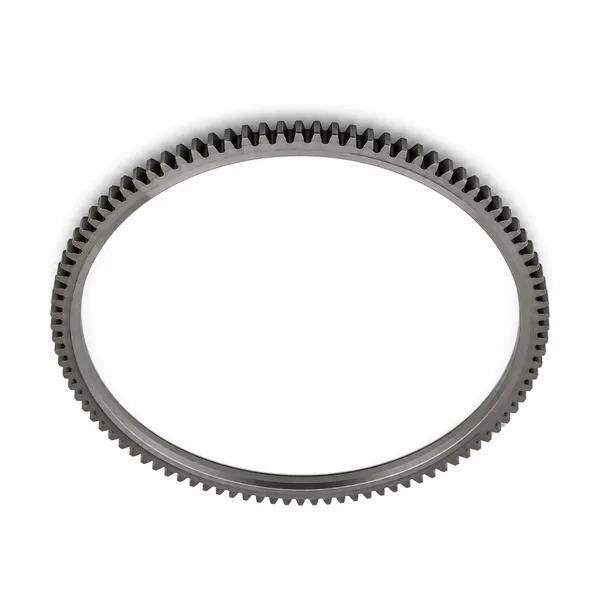
flywheel ring gear automotive commercial vehicle Korea Ever-Power
Korea Ever-Power 42CrMo4 flywheel ring gear for commercial vehicle and agricultural tractor application — M6, external spur tooth profile, OD 390 mm, 65 teeth, tooth height 13.5 mm, face width 25 mm. Induction hardened tooth surface HRC 48–54, core HB 250–290. Starter motor pinion engagement face (the chamfered leading edge of each tooth) deburred and radiused after induction hardening to prevent starter pinion tip damage at engagement. The ring gear is press-fitted to the flywheel after heating to 180–220°C — the thermal expansion from heating increases the ring ID by 0.25–0.35 mm, allowing it to slide over the flywheel register OD without the interference fit force that would be required at ambient temperature. Korea Ever-Power flywheel ring gears are dimensioned with a standard interference fit of 0.05–0.10 mm on the flywheel register OD to ensure the ring cannot spin relative to the flywheel at the maximum starter torque. Cross-reference supply for Cummins, Caterpillar, John Deere, Weichai, and Yuchai diesel engine flywheel ring gear positions.

EV Drivetrain Ring Gear — Design for NVH and Long Life

The EV single-speed planetary reducer is the dominant drivetrain configuration for battery electric vehicles in the 100–500 kW motor power range — a single planetary stage with ratio 8:1–12:1 reduces the electric motor shaft speed (typically 8,000–18,000 RPM at maximum power) to the differential input speed (800–1,800 RPM). The ring gear in this planetary set is the stationary member, fixed to the EV transaxle housing — it does not rotate but receives the full reaction torque from the sun gear (driven by the motor) through the planet gears. Because the ring gear is stationary, it does not contribute to the drivetrain NVH through its own rotation, but it does contribute through its tooth mesh compliance — any elastic deformation of the ring gear under the planet gear tooth load creates a ring oval distortion that modulates the tooth mesh frequency and produces a distinctive “whine” at vehicle speeds corresponding to the orbital frequency of the planet gears.

NVH Design Requirements

The EV planetary ring gear NVH specification covers five dimensions: (1) DIN 5 tooth profile and pitch tolerance; (2) Ra ≤ 0.4 μm tooth surface finish after superfinishing; (3) ring roundness ≤ 15 μm TIR (to minimise the oval distortion mode of the ring under planet gear loading); (4) bore-to-tooth concentricity ≤ 0.02 mm TIR (to ensure the planet gear load is distributed symmetrically across all planet teeth in contact); and (5) ring gear–to–housing register fit H6/k5 (transition fit ensuring zero clearance between the ring and housing that would allow micromotion and fretting noise at the interface under load). Korea Ever-Power EV ring gears are individually measured for all five parameters and issued with a dimensional certificate confirming compliance before shipment.

Bidirectional Loading for Regenerative Braking

The most significant EV-specific loading difference from ICE transmission gears: the EV ring gear must sustain the full rated torque in BOTH rotation directions — forward acceleration (motor drives the sun, planet carrier drives the output) and regenerative braking (output is driving, motor is generating, tooth loading reverses direction). In ICE transmissions, the ring gear of an automatic transmission planetary set only carries load in one primary direction — the reverse side of the tooth flank was only lightly loaded during coastdown. In EV transmissions, the regenerative braking torque can equal 80–100% of the maximum acceleration torque, placing the back-side tooth flank under the same fatigue loading as the drive-side flank. Korea Ever-Power EV ring gears are designed with a symmetric tooth profile (equal thickness on both flanks from root to tip) and fatigue-rated for equal bending stress on both tooth faces at the rated torque.

Material and Process for 1M km Life

The 1,000,000 km (1 million km) lifetime requirement for EV drivetrain components (increasingly specified by EV OEMs in their Tier 1 procurement standards) translates to a minimum tooth load cycle count of approximately 3–5 × 10⁹ at the ring gear mesh — well above the ISO 6336 long-life (Woehler) endurance limit of 3 × 10⁶. Korea Ever-Power EV ring gears use 20CrMnTi case carburized to effective case depth 1.5–2.0 mm (for M5–M7 module), shot-peened tooth roots at 200% almen intensity to introduce compressive residual stress below the root fillet (extending the bending fatigue endurance limit by 15–25%), and superfinished tooth flanks to Ra ≤ 0.3 μm (reducing micro-pitting initiation from surface asperity fatigue in the mixed EHL regime during low-speed high-torque operations such as initial vehicle acceleration from rest).
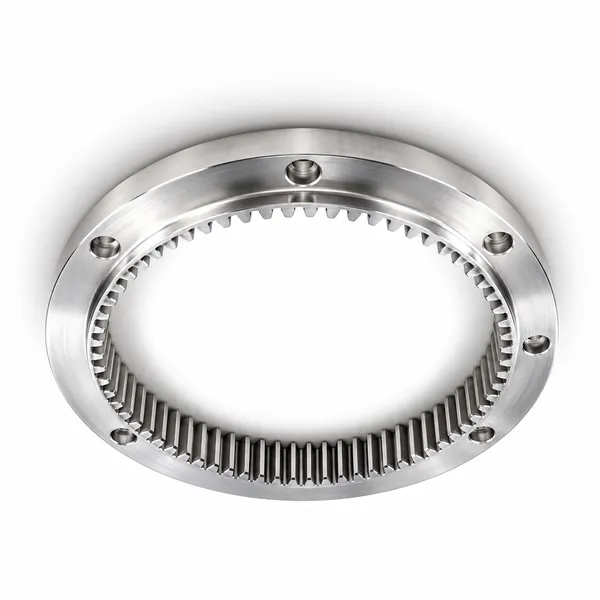
EV planetary ring gear electric vehicle drivetrain Korea Ever-Power
Korea Ever-Power 20CrMnTi case carburized EV planetary reducer ring gear — M5, 80 internal teeth, OD 490 mm, housing register bore 490 mm H6, ring wall thickness 28 mm. Case carburized to effective case depth 1.6–2.0 mm, HRC 59–62 tooth surface, shot peened roots. Internal teeth profile ground to DIN 5 quality class, then superfinished to Ra ≤ 0.35 μm. Ring roundness after final grinding: 9 μm TIR (measured at 48 positions around circumference). Housing register bore concentricity to tooth pitch cylinder: 0.015 mm TIR. 100% MPI of all internal tooth surfaces after carburizing. Suitable for 200–280 kW EV motor single-speed planetary reduction at ratio 10:1. NVH test at sub-assembly level confirms <62 dB(A) at 6,000 RPM input (equivalent to 135 km/h vehicle speed). Bidirectional tooth loading rated: same fatigue life in both rotation directions for full regenerative braking compatibility. Used by Korea Ever-Power in Tier 1 supply to EV transaxle manufacturers in South Korea and China.
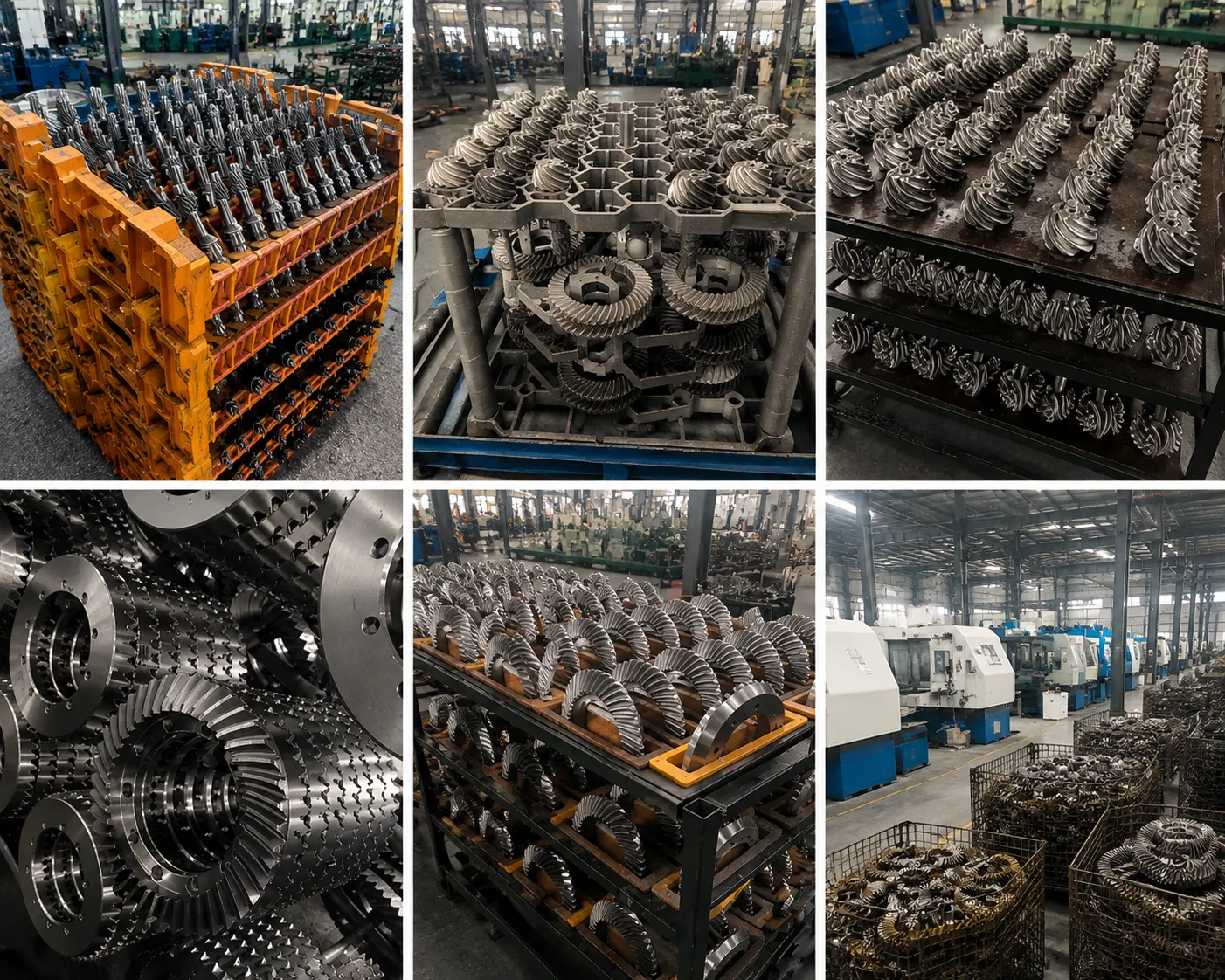
Korea Ever-Power automotive ring gear EV drivetrain manufacturing quality
Korea Ever-Power automotive ring gear manufacturing facility — EV planetary ring gear internal tooth grinding and NVH inspection. The production quality system for automotive EV ring gears at Korea Ever-Power incorporates automotive-grade PPAP (Production Part Approval Process) documentation as standard: material certification, process FMEA (Failure Mode and Effects Analysis), process capability studies (Cpk ≥ 1.67 on all critical dimensions), gauge R&R studies on all measuring equipment used for critical characteristic measurement, initial sample inspection report (ISIR), and control plan with defined reaction plan for out-of-control measurement results. This PPAP documentation package is required by automotive Tier 1 and OEM customers under IATF 16949 (the automotive quality management system standard) before series production approval. Korea Ever-Power is currently in IATF 16949 certification preparation, with automotive EV ring gear customers operating under PPAP-documented supply agreements pending the full certification audit.

Frequently Asked Questions — Automotive Ring Gears

Q 01

Our truck fleet is experiencing flywheel ring gear failures at 60,000–80,000 km — well below the expected 300,000 km life. The teeth show chipping at the leading engagement edge. What is causing this?

Flywheel ring gear tooth chipping at the leading engagement edge at 60,000–80,000 km is a well-defined failure mode caused by one of three root causes, in order of likelihood: (1) Starter motor pre-engagement or partial engagement: modern pre-engagement starter motors (PMGR starters) are designed to fully engage the pinion with the flywheel ring teeth before the motor reaches cranking speed — the pinion moves axially into full mesh with the ring gear before torque is applied. If the pre-engagement solenoid is slow or worn, the pinion can begin to rotate before it is fully in mesh, and the spinning pinion tip impacts the leading edge of the ring gear tooth face instead of sliding smoothly along the engagement chamfer. This produces impact chips at the leading edge exactly as described. Solution: inspect the starter motor pre-engagement function — the pinion should slide fully to mesh with zero rotation before the main motor contacts close. Replace the starter motor if the solenoid response is slow. (2) Ring gear engagement chamfer worn away: if the leading-edge chamfer on the ring gear teeth has been worn flat (from millions of starter engagements), the pinion tip impacts a square edge rather than the chamfer taper that guides smooth entry. Korea Ever-Power replacement flywheel ring gears for commercial vehicles are manufactured with an asymmetric leading-edge chamfer — 45° chamfer on the engagement-leading face to guide the starter pinion smoothly into mesh, with a minimal chamfer on the trailing face to avoid reducing the effective tooth thickness. (3) Ring gear material insufficient for AGM start-stop system: modern trucks with 12V AGM battery start-stop systems make 3–10 times more engine starts per hour than traditional trucks (which only start at the beginning of the shift) — the cumulative starter engagements per 100,000 km increase from ~1,500 to ~15,000. If the ring gear material is C45 steel (adequate for traditional start frequency) rather than 42CrMo4 (required for start-stop frequency), tooth chip life will be 80% shorter. Korea Ever-Power supplies 42CrMo4 standard for all commercial vehicle flywheel ring gear replacements — specify this material when ordering for start-stop system trucks.

Q 02

What is the manufacturing difference between a differential ring gear for a passenger car vs a commercial vehicle, and why can’t they be used interchangeably?

Passenger car and commercial vehicle differential ring gears cannot be interchanged because they differ in five fundamental parameters: (1) Module: passenger car differential ring gear equivalent face module m_e = 4–7; commercial vehicle (truck, bus) = 7–14. The much larger module for trucks reflects the higher torque loads — a class 8 truck at 500 Nm wheel torque (per axle at low ratio) requires 3–4× the tooth bending strength of a passenger car at 150–200 Nm wheel torque. (2) Material and case depth: passenger car uses 8620H case carburized to 0.8–1.2 mm effective case depth, adequate for the moderate Hertzian contact stresses of passenger car spiral bevel tooth mesh. Truck uses SAE 9310 or 8620H to 1.5–2.5 mm case depth for the higher contact stresses of the larger module and higher torque. SAE 9310 (a nickel-chromium-molybdenum alloy steel) provides higher core impact resistance than 8620H, important for the overload conditions of truck differential operation (kerb impacts, traction recovery). (3) Surface finish: both passenger car and truck differential ring gears are lapped after hobbing and hardening. Lapping (running the ring and pinion together under light load with an abrasive compound) produces a matched contact pattern specific to that ring and pinion pair — interchanging a ring gear with a different pinion (even of the same part number from the same manufacturer) requires a new lapping operation to establish the correct contact pattern. Always replace differential ring gears in matched sets (ring + pinion) — never mix. (4) Hypoid offset: the hypoid offset (the vertical distance between the ring gear axis and the pinion axis) varies between manufacturers and axle models — it affects the tooth spiral geometry and cannot be compensated by adjustment. (5) Contact pattern pre-set: the lapped matched pair is shipped with the correct shim dimensions specified for the ring carrier and pinion depth — always use these shim dimensions at installation rather than re-establishing the contact pattern from scratch, unless the differential housing has been replaced.

Q 03

Can Korea Ever-Power develop and supply EV planetary ring gears for a new EV transaxle model with a 150,000-piece annual volume requirement?

Korea Ever-Power has the manufacturing capacity and quality system capability to support EV planetary ring gear development and volume supply for new EV transaxle programmes. Our development engagement process for new EV ring gear programmes: (1) Application Engineering (AE) review: Korea Ever-Power’s application engineering team reviews the transaxle design brief — motor rated and peak torque, ratio, ring gear module and tooth count, NVH target (dB(A) at specific operating points), design life (km or hours), and packaging constraints — and proposes the ring gear specification (material, case depth, quality class, superfinish level) to meet the requirements. Typical AE review turnaround: 7–10 working days. (2) Prototype supply: 10–20 prototype ring gears in 30–45 days for initial build validation and NVH testing. Prototype ring gears are manufactured to the same process as series production (not machined from bar stock). (3) PPAP Level 3 documentation: Korea Ever-Power prepares the full PPAP Level 3 package for the series production approval — process flow chart, PFMEA, control plan, measurement system analysis (MSA), initial process study (Cpk ≥ 1.67 on all critical dimensions at prototype quantities), and ISIR with full balloon drawing measurements. PPAP submission: 60–90 days after prototype validation and customer drawing approval. (4) Annual capacity for 150,000 pieces: our current EV ring gear line capacity is 200,000–350,000 pieces per year in the M4–M8 size range at OD 200–500 mm — 150,000 pieces per year is within the standard production load. No capacity investment required at this volume. Pricing: volume pricing for 150,000 pieces/year provides a 35–45% reduction from prototype single-piece pricing. Contact Korea Ever-Power’s automotive sales team with the ring gear module, OD, tooth count, and NVH specification for a development proposal and target unit pricing.

Explore Korea Ever-Power Gear Categories

Seven precision gear product lines for automotive, EV drivetrain, commercial vehicle and powertrain applications worldwide.
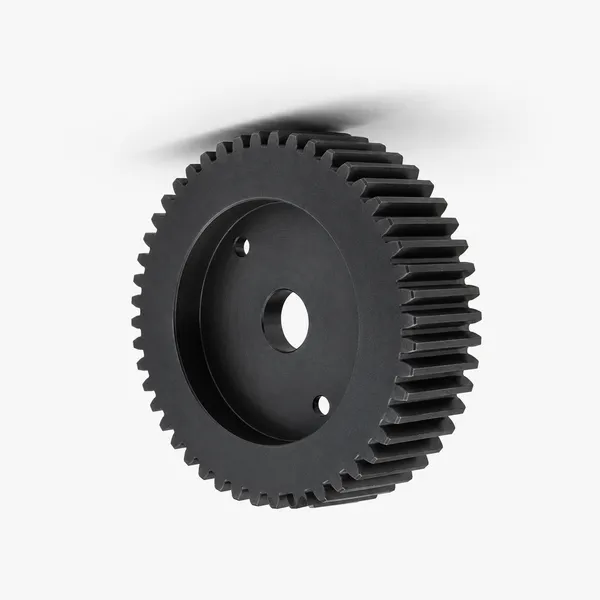
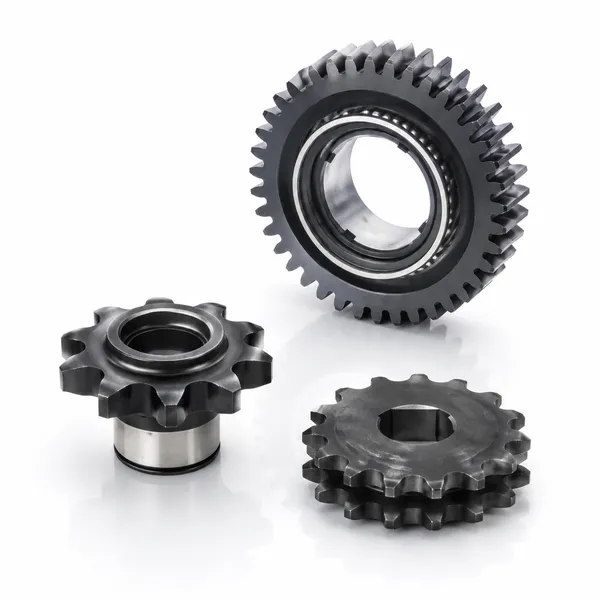
automotive spur gear

Spur Gears

Automotive · transmission · EV auxiliary

helical gear automatic transmission

Helical Gears

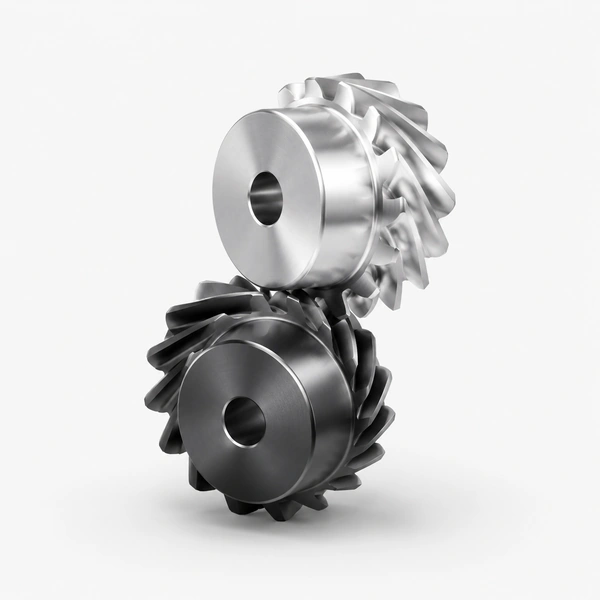
Transmission · diff · EV pre-stage

hypoid bevel gear differential

Ingranaggi conici

Hypoid · differential · axle ring&pinion

worm gear automotive

Worm Gears

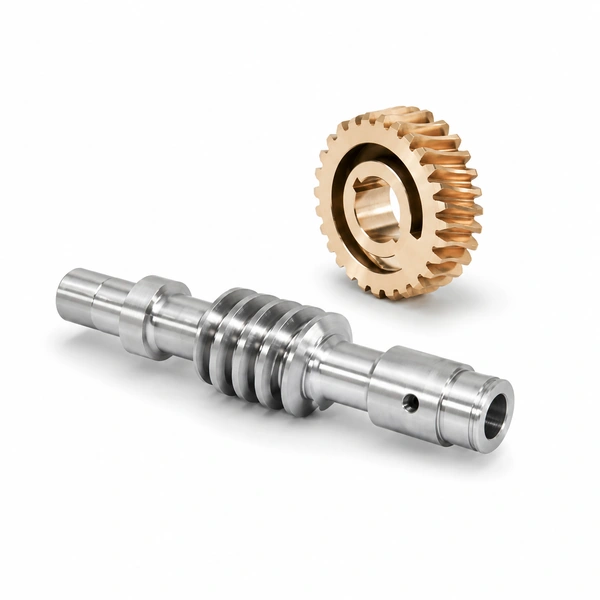
Automotive steering · EPS · actuator

ring gear automotive flywheel

Ring Gears

Flywheel · differential · EV planetary

planetary gear EV

Planetary Gears

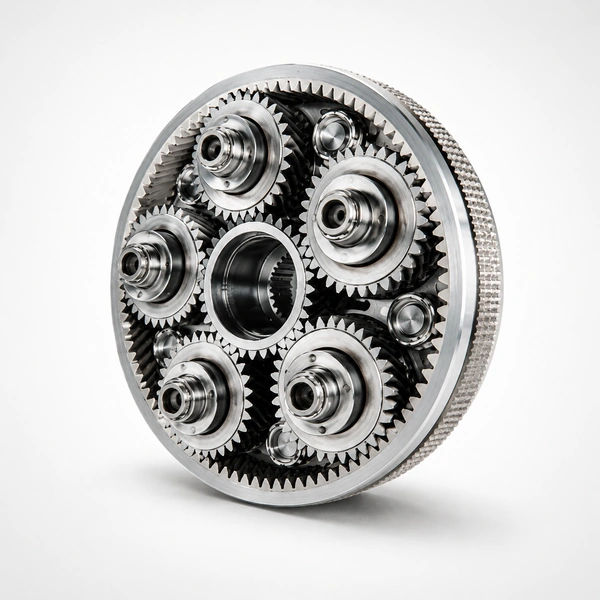
EV reducer · planet set · sun gear

plastic gear

Plastic Gears

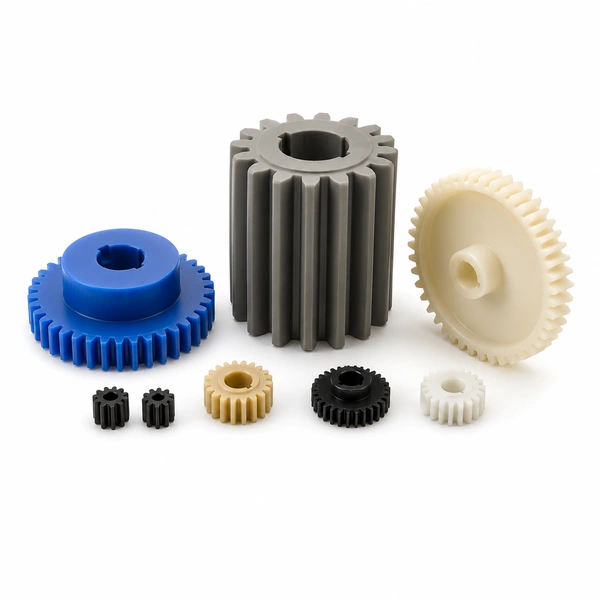
EV sensor · actuator · window lift

GET A QUOTATION · KOREA EVER-POWER

Need Ring Gears for Automotive Applications?

Korea Ever-Power manufactures automotive ring gears across all three vehicle drivetrain applications — 42CrMo4 flywheel ring gears (M4–M7, all engine sizes), 8620H/SAE 9310 differential hypoid ring gears (passenger car and commercial vehicle), and 20CrMnTi case carburized EV planetary ring gears (M3–M8, DIN 5 ground, superfinished, NVH validated, bidirectional regen braking rated). PPAP Level 3 documentation, volume supply up to 350,000 pieces/year. ISO 9001:2015 certified.

Request a Quotation →

Redattore: Cxm

VR Tour of Our Factory

TAGs:

cremagliera degli ingranaggi

In qualità di uno dei principali produttori, fornitori ed esportatori di cremagliere, offriamo cremagliere e molti altri prodotti.

Vi preghiamo di contattarci per maggiori dettagli.

Posta:[email protected]

Produttore, fornitore ed esportatore di cremagliere

Articoli recenti

it_ITItalian