
GEAR APPLICATION GUIDE · PLASTIC GEAR · PL02
Nylon Gears for Agricultural Machinery:
PA6, PA66 and MC Nylon Agricultural Drive Applications
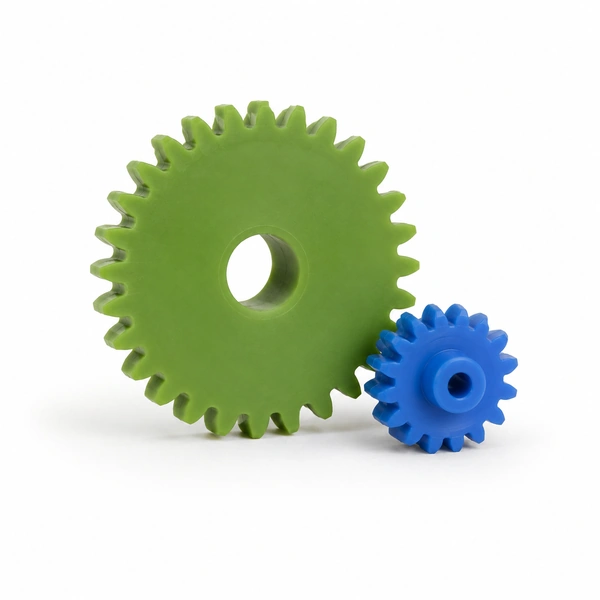
Agricultural machinery nylon gears occupy a unique position in the materials selection landscape — they must withstand outdoor temperature extremes from −30°C winter storage to +70°C summer field operation, sustained exposure to soil dust, agrochemicals (herbicides, fungicides, insecticide sprays), fertiliser pellets, diesel fuel, and hydraulic oil, and the shock and impact loading that characterises all agricultural implement drives where unpredictable field conditions (rocks, roots, clods, wet headland soil) transmit sudden overloads to the gear train. Nylon gears in agricultural equipment address a different need than steel gears: not to carry higher loads, but to provide overload protection through controlled tooth deformation and failure that absorbs shock energy and protects the steel shaft and housing from damage, or to operate without lubrication (dry running) in sealed agricultural implement gear cases where access for oiling is impractical, or to reduce inertia and noise in high-cycle-rate metering mechanisms where the gear operates millions of cycles per season.
−30°C to +70°C · Agrochemical Resistant · Dry Run
Seeder · Spreader · Harvester · Sprayer · PTO
Nylon Gear Advantages in Agricultural Machinery — Shock, Dry Running, and Weight
The selection of nylon gears over steel gears in agricultural machinery is driven by three distinct engineering rationales that each apply to different machine subsystems. The first rationale is shock absorption and overload protection — a nylon gear at M5 in a rotary mower drive has approximately 15–20% of the tooth stiffness of the equivalent steel gear. When the mower blade hits a buried rock, the impact load is absorbed by the elastic deformation of the nylon gear teeth and, in a worst-case event where the nylon gear teeth shear, the controlled failure of the nylon gear prevents the steel gearbox housing, shaft, and bearing assembly from being damaged. The nylon gear is designed as the weak link in the drive chain — a sacrificial element that absorbs the impact energy and can be replaced in the field in minutes, rather than sending the gearbox back to a repair workshop. The cost of a replacement nylon gear is typically 5–15% of the cost of a replacement steel gearbox, making the nylon gear overload protection philosophy economically very attractive for agricultural equipment where field stone impacts are unavoidable.
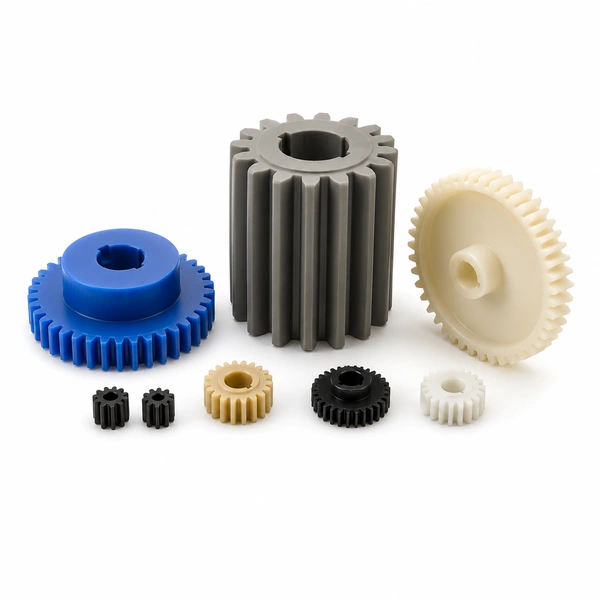
The second rationale is dry-running capability in sealed gear cases where lubrication access is impractical. Korea Ever-Power’s nylon gears for agricultural machinery include MoS₂-filled PA6 and PA66 grades for dry-running applications — seeder seed metering gears, fertiliser spreader rate gears, and grain cart drive gears where the sealed gear case is filled once at manufacture and cannot be re-lubricated in the field. The MoS₂ particles in the nylon matrix act as a solid lubricant, coating the mating steel or nylon gear tooth surface with a continuous MoS₂ film that reduces the boundary friction coefficient from 0.35–0.45 (dry PA6 against steel) to 0.15–0.20, extending the gear wear life by 3–5× compared to unfilled PA6 in the same dry-running agricultural application. The third rationale is reduced inertia in high-cycle metering mechanisms — a seeder seed metering wheel that cycles 200 times per minute over a 10-hour working day accumulates 120,000 cycles per day and perhaps 3 million cycles per season. The reduced inertia of a nylon gear (density 1.14 g/cm³ vs 7.85 g/cm³ for steel — nearly 7× lower) means the metering drive servo motor or ground-wheel drive must supply significantly less torque for the acceleration phase of each metering cycle, reducing the drive energy consumption and wear on the metering mechanism over the season.
The moisture absorption behaviour of nylon is the most important limitation that must be understood before specifying PA6 or PA66 gears for outdoor agricultural use — nylon absorbs atmospheric moisture and this moisture absorption causes dimensional swelling and a reduction in the gear’s modulus of elasticity and yield strength. A PA6 gear tooth that is machined or moulded to its specification tooth thickness at 50% relative humidity (the standard conditioning condition for nylon gear design) will have a tooth thickness approximately 0.3–0.5% larger at 100% RH (fully conditioned, outdoor storage in rain) due to moisture absorption expansion. This swelling increases the tooth thickness and reduces the backlash at the gear mesh — in a steel housing with tight backlash design, the swollen nylon gear can jam against its mating gear after outdoor storage in wet conditions, producing a jammed drive mechanism when the operator first uses the equipment at the start of the season. Korea Ever-Power agricultural nylon gears are dimensioned with a moisture absorption allowance — the tooth thickness is machined to the driest expected condition (typically 40% RH at the design temperature) with sufficient backlash to accommodate the full-wet expansion at 100% RH without jamming. The moisture swelling allowance is calculated and stated in the gear design documentation for each agricultural application.
Agricultural Nylon Gear Application Specifications
Frequently Asked Questions — Nylon Gears for Agricultural Machinery
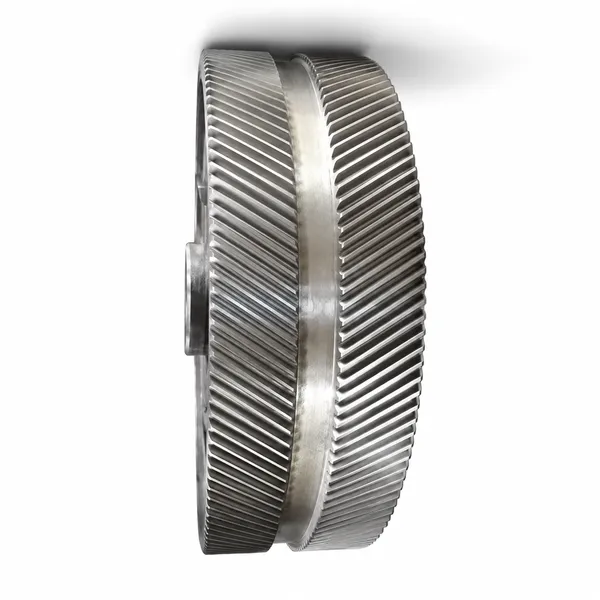
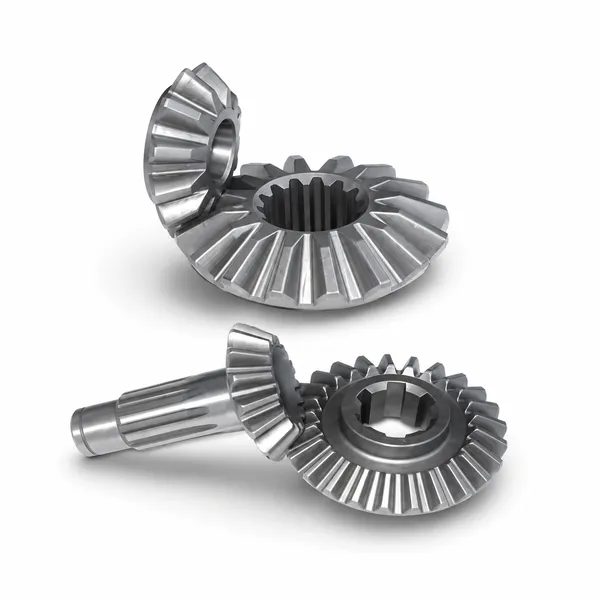
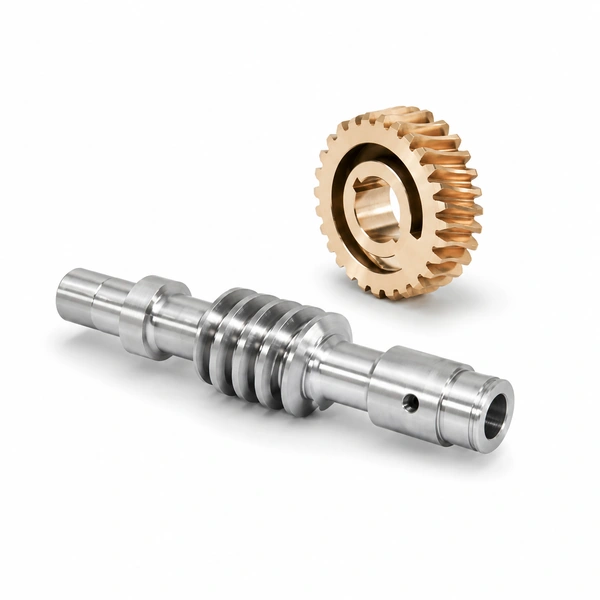
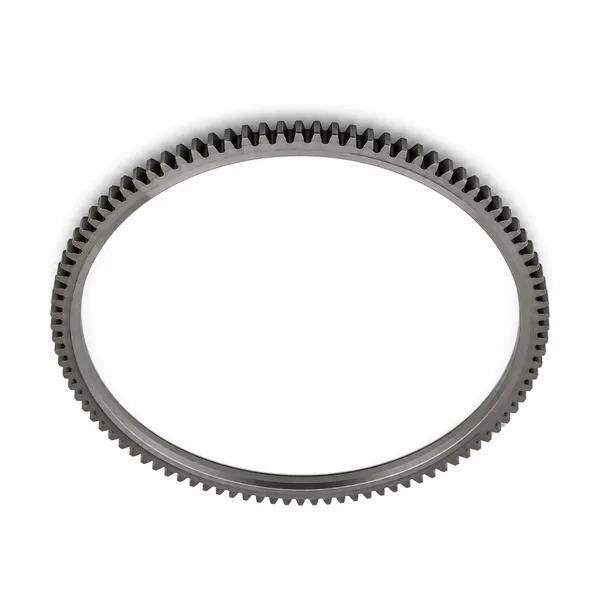
Explore Korea Ever-Power Gear Categories
Seven precision gear product lines for agricultural machinery, seeding, spreading, harvesting, mowing, and precision farming equipment worldwide.
編集者: Cxm
 Japanese
  English
  Italian
  Korean
  French