GEAR APPLICATION GUIDE · PLANETARY GEAR · P07

Planetary Gears for Printing Machines:
Register Accuracy, Zero-Backlash Drives and High-Speed Web Offset Printing

Printing machine planetary gear drives operate at the intersection of the highest speed, the most stringent register (positional accuracy) requirements, and the most vibration-sensitive process of any industrial gear application — a web offset press running at 80,000 impressions per hour must maintain cyan, magenta, yellow, and black colour registration within ±0.05 mm across the full press width, while operating multiple printing units at identical surface speeds with the web (paper or substrate) under a controlled tension that would be disturbed by any speed variation at any single printing unit. The planetary gearbox driving each printing cylinder in a modern web offset press must deliver not merely adequate torque at the rated speed, but zero speed variation under the full range of printing loads, gear mesh excitations, and dynamic coupling forces from the interlinked multi-unit press drive train.

20CrMnTi · DIN 4–5 · Zero-Backlash · M2–M6
±0.05 mm Register · 80,000 iph · Torsional Stiffness
Web Offset · Sheetfed · Flexo · Digital Press

MODULE

M2 – M6

Printing machine planetary gear module range. Digital press servo drive: M2–M3, DIN 4–5. Sheetfed offset main drive: M3–M5, DIN 5. Web offset press unit drive: M4–M6, DIN 5. Flexographic press: M3–M5, DIN 5–6. Gravure press main drive: M4–M6, DIN 5. All grades require profile grinding for press register quality

REGISTER ACCURACY

±0.05 mm

Maximum colour-to-colour misregister on a 4-colour web offset press at rated speed. This tolerance is achieved through the combination of the planetary gearbox backlash (≤1 arc-min at the planetary output), the printing cylinder bearing clearance (≤0.01 mm radial), and the web tension control accuracy (±2 N across the full web width). The planetary gearbox backlash is the dominant controllable parameter

BACKLASH TARGET

≤ 1 arc-min

Maximum planetary gearbox backlash for web offset press unit drives. 1 arc-minute at the planetary output shaft corresponds to 0.007 mm at the printing cylinder OD for a typical 190 mm diameter cylinder — well within the ±0.05 mm register allowance. This backlash target requires DIN 4–5 grade planet gears with matched ring/sun geometry and pre-loaded bearings to eliminate bearing radial play contribution to effective backlash

STIFFNESS

Torsional Nm/arc-min

Torsional stiffness of the planetary gearbox — the ratio of output torque to output angular deflection under that torque. For printing press planetary drives, high torsional stiffness (expressed as Nm per arc-minute of angular deflection) is as important as low backlash — a torsionally soft gearbox will allow the printing cylinder to lag or lead the command position under the variable torque of ink splitting and substrate tension changes, producing the same register error as backlash

Planetary Gear Engineering for Printing Machines — Register, Stiffness, and Speed

The planetary gearbox in a modern web offset or digital printing press must satisfy a combination of performance requirements that no other type of gearbox meets as well: it must simultaneously provide a large speed reduction ratio (typically 5:1–40:1 from the servo motor to the printing cylinder) in a very compact axial space (the printing cylinder is flanked by its impression cylinder and blanket cylinder, leaving minimal room for the drive mechanism), transmit the torque without any angular backlash that would cause the cylinder to overshoot or undershoot a commanded position change, and maintain these properties under the thermal load of a press running at 30–80 m/s paper web speed for 20 hours per day without measurable increase in backlash from thermal expansion of the gear mesh clearances. These requirements collectively drive the printing press planetary gearbox to the highest precision and stiffness specification of any non-robotic industrial planetary drive application.

Korea Ever-Power’s planetary gear sets for printing machines are manufactured to DIN 4–5 quality class with all planets in each stage matched to ±2 μm pitch deviation and the ring/sun gear combination individually tested for transmission error below 3 μrad at the output before assembly clearance. The ring gear internal tooth profile is ground (not only hobbed) to DIN 4 to achieve the profile accuracy required for sub-arc-minute backlash — the internal ring gear is the most difficult component to achieve DIN 4 on, because the grinding wheel must reach inside the ring bore with a spindle that is necessarily longer and therefore less rigid than the equivalent external gear grinding setup. Korea Ever-Power uses a dedicated internal gear grinding machine with a short-reach grinding spindle and active vibration damping for all printing press ring gears at M3 and above. For customers requiring complete planetary gearbox assemblies for printing press applications, our planetary gearbox range includes press-specific configurations with servo motor flanges, output shaft configurations compatible with printing cylinder couplings, and torsional stiffness certificates.

The torsional stiffness requirement for printing press planetary drives is often underspecified by press builders — the focus on backlash (which is measurable and specified in every planetary gearbox datasheet) can cause the torsional stiffness to be overlooked, even though a torsionally compliant gearbox produces register errors that are indistinguishable from backlash errors in the printed product. The torsional stiffness of a planetary gearbox is determined primarily by the planet gear tooth mesh stiffness (the ratio of the tangential mesh force to the tooth deflection), the number of planets in simultaneous mesh, and the design of the output shaft coupling — each element in the torsional stiffness chain must be considered. Korea Ever-Power specifies the torsional stiffness of each printing press planetary gear set as the measured output angular deflection (in arc-minutes) under the rated output torque, applied and released quasi-statically in both rotation directions to confirm that the stiffness is the same in both directions (which it must be for a zero-backlash press drive — a difference in CW and CCW stiffness would produce asymmetric register errors at direction reversals during press jog mode or makeready).
planetary gear kit printing machine press drive Korea Ever-Power
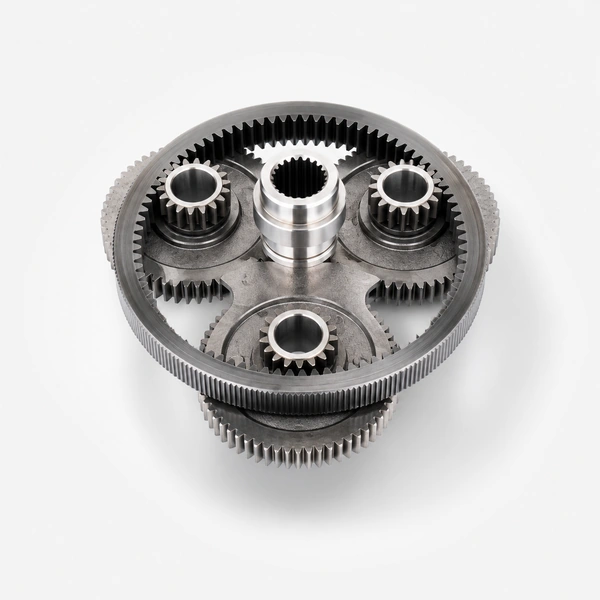
Korea Ever-Power DIN 5 planetary gear kit for web offset printing press unit drive — 2-stage: stage 1 sun M3 12T, planet ×3 M3 24T, ring M3 60T (ratio 6:1); stage 2 sun M4 10T, planet ×3 M4 22T, ring M4 54T (ratio 6.4:1); total ratio 38.4:1. All gears 20CrMnTi carburized HRC 60–62, profile ground to DIN 5 (planets and sun), DIN 4 (internal ring gears — ground on dedicated internal grinding machine). Planet pitch matching: all 6 planets matched within ±2 μm of the batch pitch mean. Individual transmission error test per stage: TE ≤ 2.5 μrad. Torsional stiffness measured at rated torque: 185 Nm/arc-min (CW) and 188 Nm/arc-min (CCW) — asymmetry below 2%, confirming the gear set is suitable for bidirectional press operation without register error from stiffness asymmetry. Output backlash: measured 0.7 arc-min at the assembled 2-stage output. Compatible with Koenig & Bauer, Heidelberg, and manroland web press printing unit drive retrofit.

Printing Press Type Planetary Drive Specifications

Web Offset Press (Heatset / Coldset)

Specification: M4–M6, DIN 5, 20CrMnTi carburized, 2-stage planetary, ratio 20:1–50:1, torsional stiffness ≥ 150 Nm/arc-min, backlash ≤ 1.0 arc-min, servo motor flange IEC B5 or IEC B14. Web offset presses run continuously at speeds of 40,000–80,000 impressions per hour, with the printing cylinder rotating at 500–1,500 RPM. The planetary gearbox must maintain sub-arc-minute backlash over the full press run (which may be 4–12 hours continuously without speed change on long runs), including the thermal cycle from cold startup to steady-state operating temperature. Korea Ever-Power web offset planetary gear sets are individually run-tested at rated speed for 2 hours at the factory before shipment to confirm the backlash remains within specification after thermal stabilisation — cold assembly backlash and hot running backlash can differ by 0.3–0.5 arc-min due to differential thermal expansion of the steel gears and aluminium housing.

M4–M6 · DIN 5 · ≤1.0 arc-min · 2-stage · run-tested

Sheetfed Offset Press

Specification: M3–M5, DIN 5, 20CrMnTi carburized, 1 or 2-stage planetary, ratio 5:1–25:1, low noise ≤ 68 dB(A) at rated speed (sheetfed presses operate in production halls where operators are present at the feeder and delivery continuously), backlash ≤ 0.8 arc-min. Sheetfed offset presses (Heidelberg, Komori, Manroland, KBA) print on individual cut sheets rather than a continuous web — the printing speed is 10,000–18,000 sheets per hour, and the planetary drives are typically smaller than web press drives. The noise requirement for sheetfed press planetary drives is stricter than for web offset — the typical sheetfed press room is a quieter environment than a web press room, and the operator spends a higher proportion of their time near the press (at the feeder or delivery) making the gear noise contribution to ambient more significant. Korea Ever-Power sheetfed press planetary gear sets are measured for sound power level per ISO 3746 and issued with a noise certificate confirming compliance with the press OEM’s specification.

M3–M5 · DIN 5 · ≤68 dB(A) · 1–2 stage · noise cert

Flexographic Press (Label / Packaging)

Specification: M3–M5, DIN 5–6, 20CrMnTi or 17-4 PH stainless (for food packaging label printing where the press operates in a food-adjacent environment), 1-stage or 2-stage, ratio 4:1–20:1, corrosion-resistant housing for solvent-based ink environments, backlash ≤ 1.5 arc-min. Flexographic presses for label and flexible packaging printing use planetary drives on the print station roller drives, the anilox roller drive, and the tension control zone nip roller drives. The register requirement for flexo label printing is tighter than for publication offset because label printing often requires precise registration of very fine features (barcodes, fine-line artwork) on substrates that stretch slightly under web tension — the planetary drive must be stiff enough to prevent register loss from substrate stretch variation causing dynamic load changes at the print station. Korea Ever-Power flexo press planetary gear sets for food packaging applications are specified in 17-4 PH stainless steel housing and 316L stainless steel output shaft for full washdown resistance in the hygienic labelling zone of food production lines.

M3–M5 · DIN 5–6 · stainless option · food-adjacent
Korea Ever-Power planetary gear printing press precision measurement
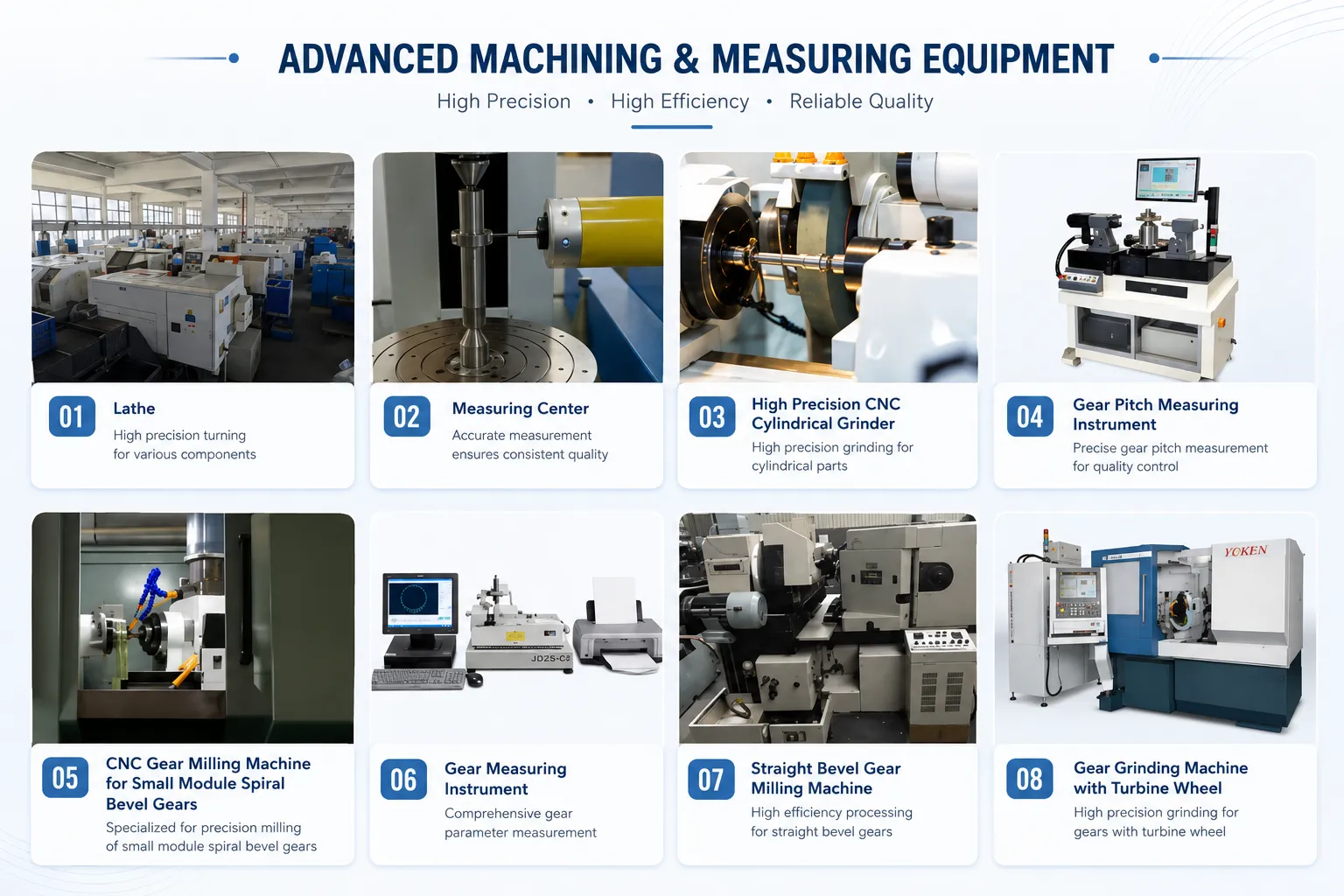
Korea Ever-Power precision measurement for printing press planetary gear sets — transmission error (TE) measurement on a gear test machine at the component level, before assembly into the stage kit. TE measurement at the sun-planet and planet-ring meshes individually allows the error contribution of each mesh to the total stage TE to be identified and controlled — if the sun-planet mesh shows excessive TE (above 3 μrad), that specific planet can be replaced from the matched batch before assembly, rather than scrapping the entire stage kit. Korea Ever-Power issues a two-level measurement certificate for printing press planetary gear sets: (1) the component-level TE measurement for each gear in the matched set, and (2) the assembled-stage TE measured at the output shaft with all planets engaged simultaneously. The assembled TE should be below 1/√(number of planets) of the worst individual planet TE — for 3 planets, assembled TE ≤ 58% of the worst individual planet TE, since the planet TE contributions are partially cancelled by the geometric averaging effect of multiple planet engagement.
Korea Ever-Power precision planetary gear printing press manufacturing DIN5
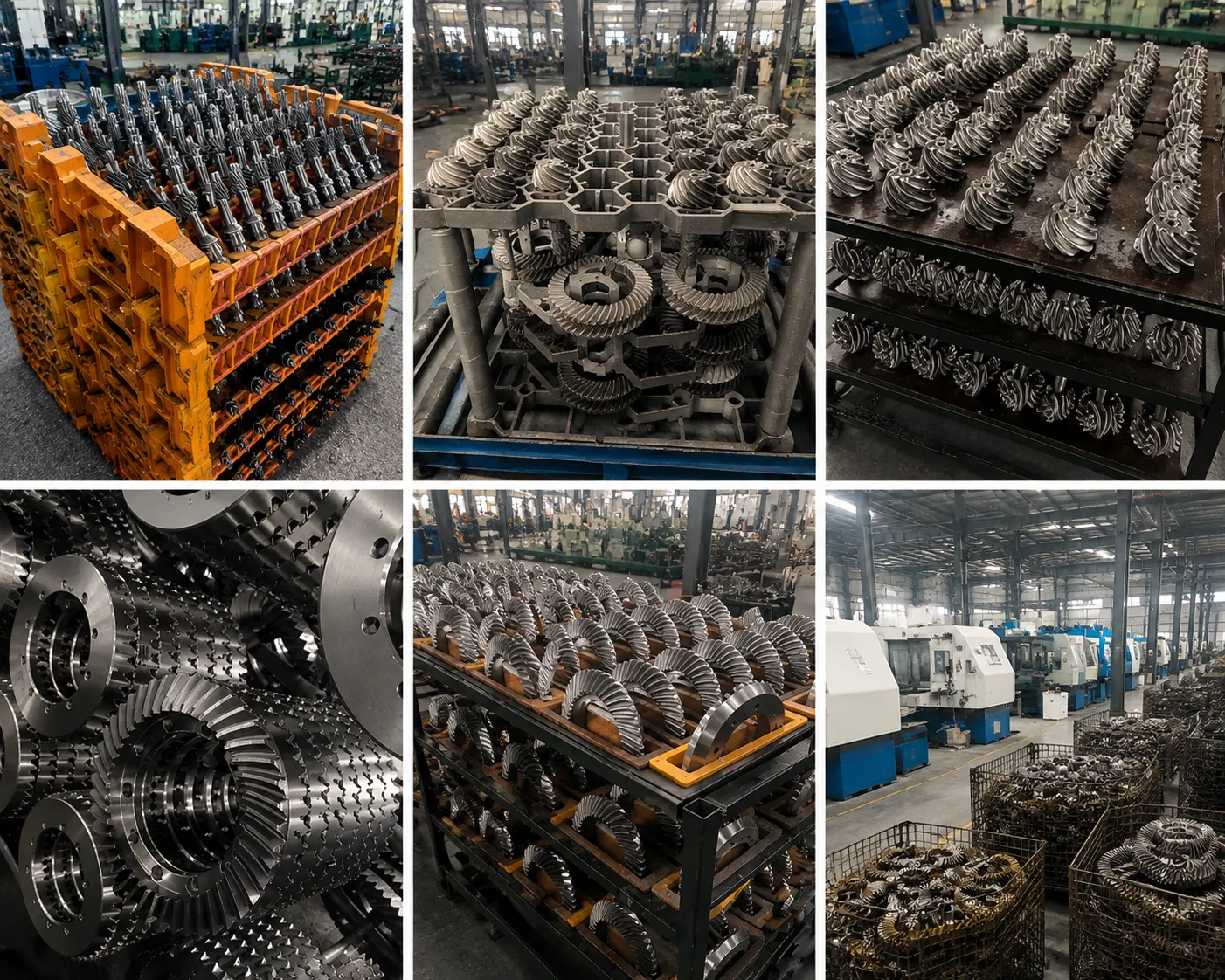
Korea Ever-Power precision planetary gear manufacturing facility for printing press applications — profile grinding of planet gears at DIN 5 on a dedicated gear grinding machine. The grinding machine setup for DIN 5 printing press planet gears requires absolute cleanliness of the workholding fixture and the grinding wheel dresser — a single metallic chip between the planet gear bore and the arbor locating taper causes a centering error that directly translates into a pitch position error on the ground tooth profile, degrading the tooth profile form error from the DIN 5 target to DIN 6 or 7. Korea Ever-Power dedicates separate gear grinding machines to printing press planetary gears (DIN 4–5) versus industrial planetary gears (DIN 6–7) — the two product lines never share machines, eliminating the cross-contamination risk from machine setup changes. The printing press planetary machine is in a climate-controlled grinding room at 20 ± 0.5°C — thermal stability is essential for DIN 4–5 gear grinding because a 1°C temperature difference between the gear blank and the grinding wheel fixture produces a dimensional change of 0.011 mm/m (steel thermal expansion), which at a planet gear pitch cylinder diameter of 60 mm amounts to 0.0007 mm pitch diameter change — detectable at DIN 4 quality level.

Frequently Asked Questions — Planetary Gears for Printing Machines

Q 01

Our Heidelberg Speedmaster sheetfed press is showing consistent misregister of 0.12 mm between the 1st and 4th colour unit after 15 years of service. The press has been recently serviced. Could the planetary gearboxes be the cause?

A 0.12 mm misregister between units 1 and 4 on a 15-year Heidelberg Speedmaster that has recently been serviced but not had the planetary gearboxes inspected is a strong indicator of accumulated gearbox wear. The diagnostic sequence: (1) Check if the misregister is unit-specific or cumulative: check registration between units 1–2, 2–3, and 3–4 separately. If the error is 0.03–0.04 mm per unit and accumulates to 0.12 mm across 4 units, each unit’s planetary drive has developed a small but consistent angular error. If the error is concentrated between specific units (e.g. 0.10 mm between units 3 and 4 only), the problem is localised to one unit. (2) Measure planetary gearbox backlash on each unit: lock the press cylinder with a dial indicator at the cylinder circumference, reverse the motor direction by hand, and measure the dead-band rotation in mm at the cylinder OD before the cylinder follows. New specification backlash: approximately 0.005–0.01 mm at the cylinder OD (0.5–1.0 arc-min at the gearbox output). After 15 years of operation: backlash increases due to tooth wear on the planet gears (which are the highest-stressed, most frequently reversed component) — values above 0.04 mm at the cylinder OD (4–6 arc-min) are likely in worn press planetary gearboxes and will produce the observed 0.12 mm unit-to-unit register deviation under the combined effect of all 4 units. (3) Replacement specification: Korea Ever-Power can supply matched replacement planet gear sets for the Heidelberg Speedmaster CD and XL press planetary gearboxes — specify the press model (SM52, SM74, XL75, SM102) and the drive type (standard or interdeck) for an exact cross-reference. New Korea Ever-Power DIN 5 planet gear sets for Heidelberg presses restore backlash to the new specification and typically extend the register life by 12–18 years compared to the original-specification press gearboxes.

Q 02

What is the lead time and minimum order for printing press planetary gear replacement kits at DIN 5 quality for a 4-unit web offset press with 2-stage planetary gearboxes per unit?

Supply parameters for a 4-unit web offset press planetary gear kit replacement (2-stage per unit = 8 stage kits total): Delivery from stock of matched planet sets: Korea Ever-Power maintains a stock of matched planet gear sets in M3, M4, and M5 module (the most common web offset press planetary gear modules) for the major press brands (Koenig & Bauer Rotoman, Goss Community, manroland 800, Komori System 38). For these catalogue cross-reference sizes, matched planet sets can be dispatched within 3–5 working days. Non-catalogue or unusual press models: if the press planetary gears are a non-standard size or a less common brand, Korea Ever-Power manufactures to order — lead time 18–25 working days for DIN 5 profile ground matched planet sets in M3–M5. Minimum order: 1 stage kit (sun + 3 matched planets + ring gear), though purchasing a complete press supply (8 stage kits for a 4-unit 2-stage per unit press) is significantly more cost-efficient because the setup, heat treatment batch, and planet matching costs are amortised across 24 planets rather than 3 per batch. Complete press kit pricing: a complete 8-kit web offset press planetary gear replacement (24 planet gears + 8 sun gears + 8 ring gears) at DIN 5 represents a significant investment but typically extends press register life by 12–20 years — Korea Ever-Power can provide a cost-per-year-of-press-life calculation comparing the gear kit replacement cost against the current misregister defect rate and press idle time during makeready. Provide the press make, model, and year, plus a sample worn planet gear (or photograph with a scale reference) for quotation.

Q 03

Why do printing press planetary gears fail at the planet gear specifically — not the sun or ring gear — and what design feature of the planet makes it the critical wear component?

Planet gears in printing press planetary drives fail before the sun or ring gear because of two compounding factors that are specific to the planet’s role in the planetary system: (1) Higher tooth load cycle frequency: the planet gear meshes with both the sun gear and the ring gear simultaneously — every revolution of the planet carrier (which rotates with the output shaft) causes the planet to rotate (360° × ring gear tooth count / planet gear tooth count) times relative to the sun, and to make the same number of meshes with the ring gear. For a typical 3-planet printing press stage with sun 12T, planet 24T, ring 60T (ratio 6:1): for every revolution of the output shaft, each planet makes 60/24 = 2.5 tooth contact cycles with both the sun and ring gear. Meanwhile, the sun gear makes 6 tooth cycles (the full ratio) and the ring gear makes 1 tooth cycle. The planet tooth load cycle rate is 2.5 per output revolution — the intermediate load cycle rate — but because the planet simultaneously meshes with both sun and ring, each tooth on the planet alternates between the sun-side contact (on the drive flank) and the ring-side contact (on the coast flank) with every half-revolution of the planet about its own axis. This means both tooth flanks on each planet tooth experience contact fatigue, unlike the sun and ring gear teeth which predominantly load only one flank. (2) Smaller size, higher tooth stress: the planet gear is smaller than the sun and ring for any standard planetary ratio — a smaller diameter gear at the same tangential force has a higher tooth root bending stress (because the tooth module is smaller relative to the force). Korea Ever-Power prints press planetary gear sets specify a minimum planet gear bending fatigue safety factor of S_F ≥ 2.0 (vs the standard ISO 6336 minimum of S_F ≥ 1.5) to compensate for the dual-flank fatigue loading and smaller size — this additional safety margin is the key design difference between Korea Ever-Power printing press grade planetary gears and standard industrial planetary gear sets of the same module.

Explore Korea Ever-Power Gear Categories

Seven precision gear product lines for printing machines, press drives, packaging equipment and precision motion control worldwide.
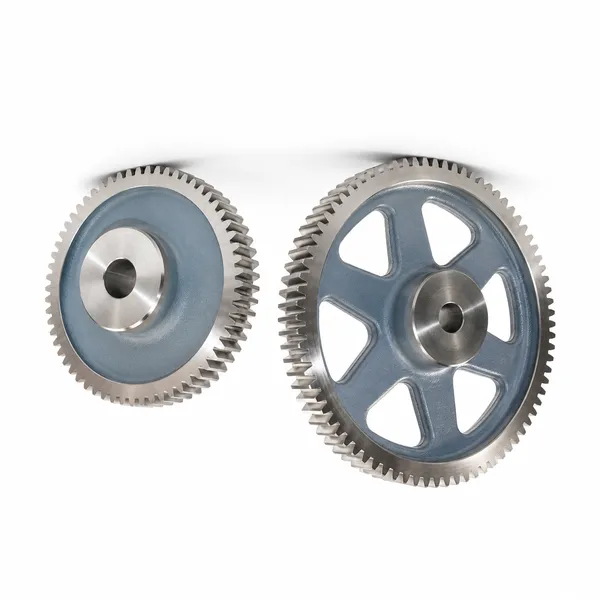
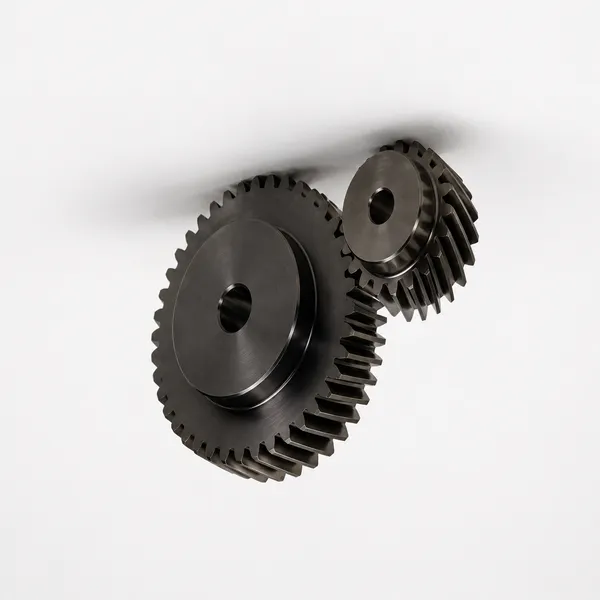
spur gear printing

Spur Gears

DIN 5 · press auxiliary · M2–M6

helical gear printing

Helical Gears

Low noise · press main drive · DIN 5

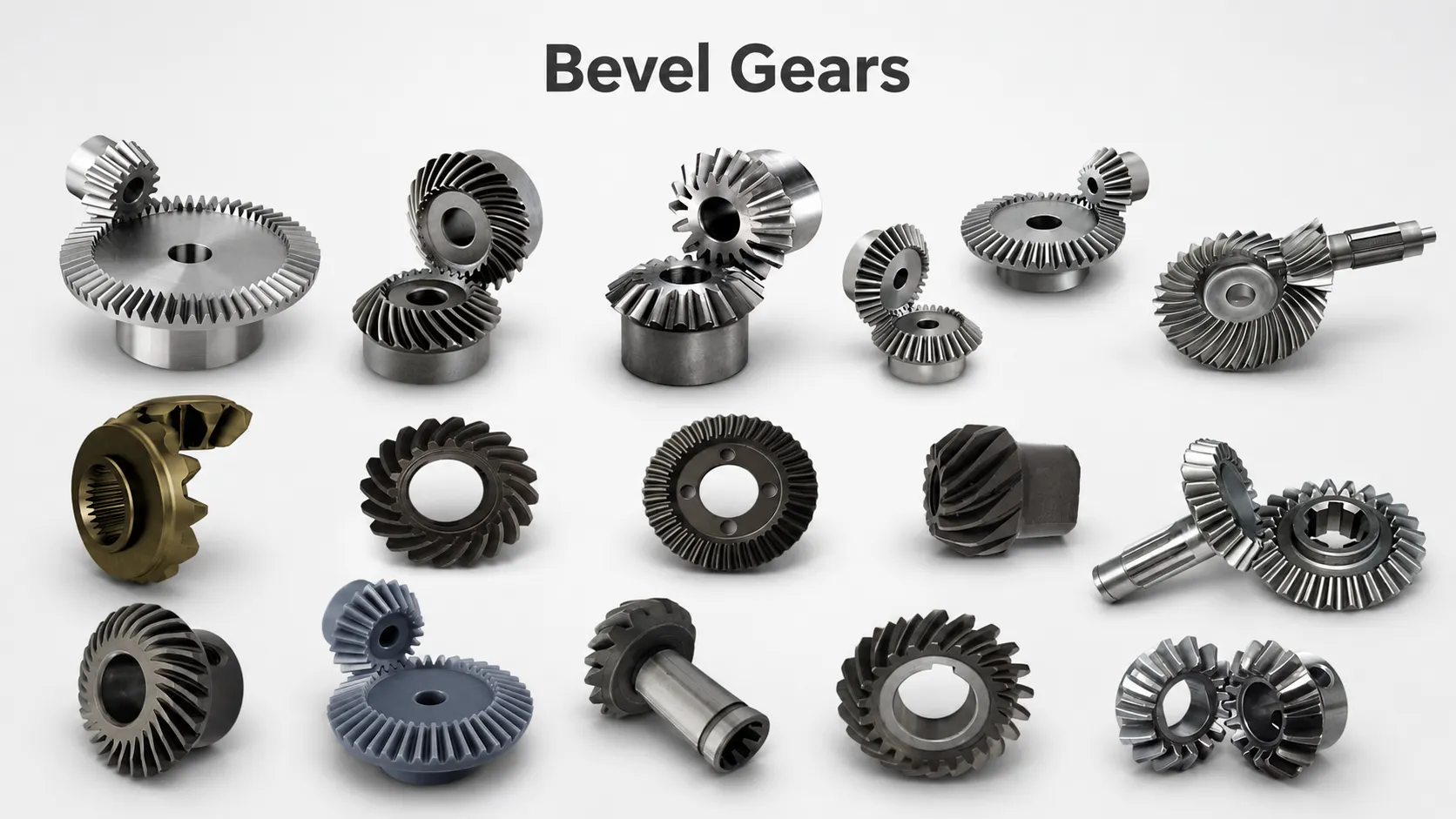
bevel gear printing

Ingranaggi conici

Press angle drive · feeder · delivery

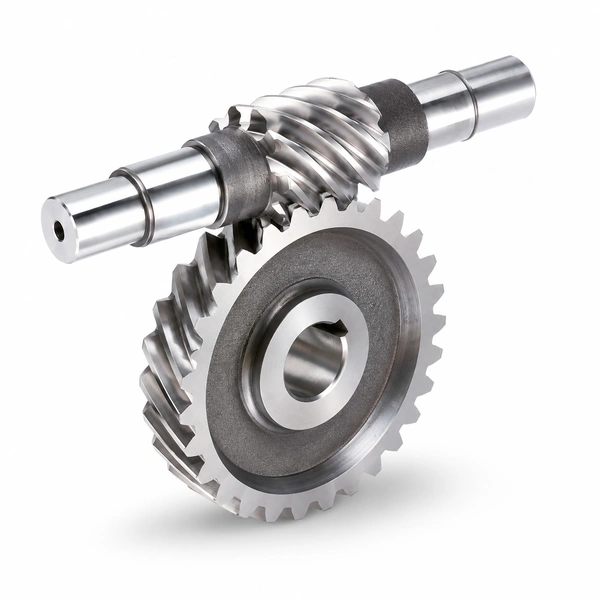
worm gear press

Worm Gears

Registration adjust · slow axis

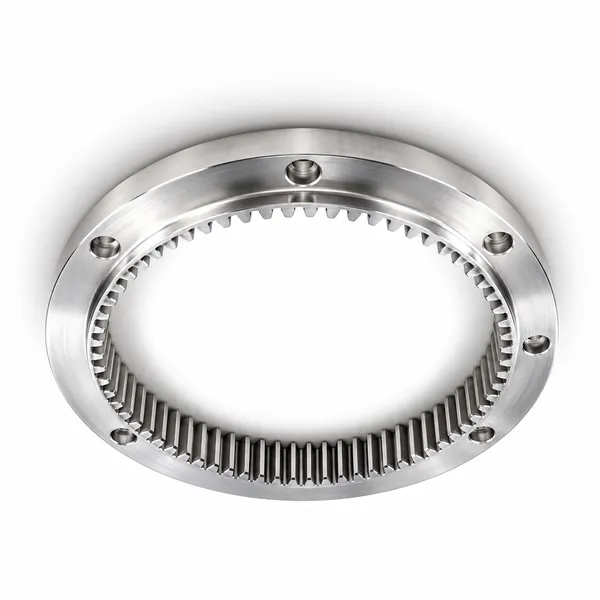
ring gear press

Ring Gears

Planetary ring · DIN 4 ground · press

planetary gear printing

Planetary Gears

DIN 4–5 · press unit drive · ±0.05mm

plastic gear press

Plastic Gears

Sensor · encoder · press control

GET A QUOTATION · KOREA EVER-POWER

Need Planetary Gears for Printing Machines?

Korea Ever-Power manufactures DIN 4–5 planetary gear sets for printing press drives — web offset, sheetfed offset, flexographic, and gravure. Matched planets ±2 μm pitch, individual TE measurement per gear, assembled-stage TE certificate, torsional stiffness measurement, hot-run backlash test at factory. Cross-reference for Heidelberg, KBA, manroland, Goss, Komori, and other major press brands. M2–M6, 1-stage and 2-stage. ISO 9001:2015 certified.

Request a Quotation →

Redattore: Cxm

VR Tour of Our Factory

TAGs:

cremagliera degli ingranaggi

In qualità di uno dei principali produttori, fornitori ed esportatori di cremagliere, offriamo cremagliere e molti altri prodotti.

Vi preghiamo di contattarci per maggiori dettagli.

Posta:[email protected]

Produttore, fornitore ed esportatore di cremagliere

Articoli recenti

it_ITItalian