GEAR APPLICATION GUIDE · RING GEAR · R07

Ring Gears for Aerospace and Satellite Systems:
Actuator Ring Gears, Satellite Antenna Drives and Aerospace Gear Train Applications

Aerospace ring gears operate under a set of constraints that differ categorically from all other industrial ring gear applications — every gram of mass matters in a flight structure, every micron of dimensional deviation affects the attitude control accuracy of a satellite positioning system, every material choice must comply with a qualification programme that can cost more than the hardware itself, and the gear must function reliably across a lifetime measured in decades without any possibility of maintenance after launch. The aerospace ring gear is simultaneously the most demanding and the most rewarding engineering challenge in the gear industry, requiring the convergence of precision manufacturing, exotic materials, and system-level design thinking that no other sector demands in the same combination.

Ti-6Al-4V · 15-5 PH · 17-4 PH · Inconel · M1–M6
DIN 3–5 · −65°C to +150°C · Vacuum MoS₂
Satellite · UAV · Helicopter · Actuator · Antenna

MODULE RANGE

M1 – M6

Aerospace ring gear module range. Satellite attitude control reaction wheel drive: M1–M2, DIN 3–4. UAV flight control actuator: M2–M3, DIN 4. Helicopter tail rotor pitch actuator: M3–M4, DIN 4–5. Satellite antenna pointing drive: M2–M4, DIN 3–4. Aircraft landing gear actuator: M4–M6, DIN 4–5. Ground-based aerospace test equipment: M4–M6, DIN 5

MATERIAL

Ti / 15-5 PH / 17-4 PH

Aerospace ring gear materials. Ti-6Al-4V: highest specific strength (strength/density), used where mass is the primary constraint — satellite ring gears, UAV structural gear elements. 15-5 PH stainless (H900): higher hardness (HRC 38–43) than 17-4 PH at the same heat treatment, preferred for high-load aerospace ring gears where corrosion resistance and strength both matter. Inconel 718: extreme temperature (−200°C to +650°C), used in turbine actuator ring gears exposed to engine bay temperatures

TEMPERATURE RANGE

−65°C / +150°C

Standard aerospace ring gear operating temperature range (MIL-SPEC qualification range). Satellite equipment in LEO: −60°C to +120°C (eclipse to sunlit cycle). Aircraft flight control: −55°C to +125°C. Helicopter main rotor actuator: −40°C to +90°C. Turbine fan actuator: −55°C to +260°C (near-engine zone). All ring gears must maintain specified backlash and load capacity across the full thermal range

LUBRICATION

Vacuum MoS₂ / PFPE

Aerospace ring gear lubrication systems. Vacuum / space: MoS₂ ion-beam-deposited coating (1–3 μm dry film, 10⁸ cycle endurance) or sputtered gold/silver for ultra-long life. Aircraft (sealed unit): PFPE (Perfluoropolyether) grease — compatible with −65°C to +200°C, non-flammable, no vapour pressure issue in high altitude. Aviation mineral gear oil (MIL-PRF-23699): for fully enclosed helicopter and aircraft gearboxes with oil circulation

Aerospace Ring Gear Engineering — Mass, Precision, and Life Assurance

The fundamental engineering difference between an aerospace ring gear and an industrial ring gear of the same module and tooth count is not primarily a question of dimension or load — it is a question of design philosophy. Industrial ring gears are designed to a reliability target that accepts a small probability of in-service failure that can be addressed by planned maintenance or unplanned repair. Aerospace ring gears — particularly those in flight-critical actuators (flight control surface drives, helicopter rotor pitch control) and in space systems (satellite attitude control reaction wheels, satellite antenna pointing drives) — are designed to a reliability target that accepts no in-service failure, because repair is either impossible (a satellite in geostationary orbit, 36,000 km above the Earth) or involves the loss of a manned aircraft with potentially catastrophic consequences.

Korea Ever-Power’s ring gears for aerospace and satellite applications are manufactured in Ti-6Al-4V (Grade 5 titanium, the standard aerospace structural alloy), 15-5 PH stainless (H900 condition), 17-4 PH stainless (H900 and H1025 conditions), and Inconel 718 for high-temperature actuator applications. The manufacturing quality class is DIN 3–5 (compared to DIN 6–8 for standard industrial ring gears) — achieving DIN 3 on an internal ring gear is one of the most challenging precision machining tasks in the gear industry, requiring a fully temperature-controlled grinding room, CBN internal grinding wheels, and a measurement machine with sub-micron resolution to confirm the tooth profile against the DIN 3 tolerance band. For applications requiring complete planetary gearbox assemblies with aerospace-specification ring gears, Korea Ever-Power’s planetary gearbox range includes configurations designed for integration into flight-heritage planetary drive mechanisms in UAV and aircraft actuator systems.

The mass constraint in aerospace ring gear design forces a different approach to material and geometry selection than in industrial design. In a satellite attitude control actuator, the ring gear must provide the load capacity and life for the pointing drive while adding as little mass as possible to the spacecraft — every kilogram of additional mass translates directly into launch cost (currently USD 2,000–10,000 per kilogram to LEO depending on the launch vehicle). The mass optimisation of an aerospace ring gear starts with material selection — Ti-6Al-4V has a specific strength (ultimate tensile strength ÷ density) of approximately 260 kN·m/kg, compared to 125 kN·m/kg for 20CrMnTi carburized steel. This means a titanium ring gear can carry the same load at approximately half the mass of an equivalent steel gear. However, titanium has a lower surface hardness than carburized steel (HRC 36 for Ti-6Al-4V in the aged condition, vs HRC 60–62 for carburized 20CrMnTi), which reduces the tooth contact fatigue resistance and requires the designer to increase the module or tooth face width to compensate — partially offsetting the mass advantage. The optimum aerospace ring gear material is determined case-by-case from the load, life, mass, and temperature requirements of each specific application.
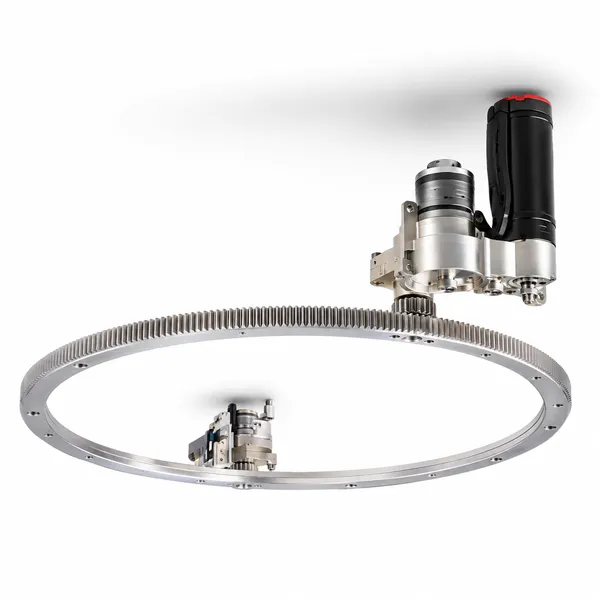
ring gear aerospace satellite antenna drive Korea Ever-Power
Korea Ever-Power Ti-6Al-4V aerospace internal ring gear for satellite antenna pointing drive — M2, 72T internal teeth, ring OD 160 mm, bore 148 mm, wall thickness 6 mm, face width 18 mm, DIN 4 quality (CBN-ground internal profile). Ti-6Al-4V material in the annealed + aged condition: UTS 950 MPa, yield strength 880 MPa, density 4.43 g/cm³ (43% lighter than 20CrMnTi steel at equivalent section). Tooth surface treatment: MoS₂ ion-beam-deposited dry film, 2 μm thickness — the MoS₂ coating eliminates the need for liquid lubricant in the satellite’s vacuum environment where conventional grease would outgas volatile components that could contaminate the satellite’s optical or RF sensors. Mass: 82 grams for the complete ring gear — 53% lighter than the equivalent 20CrMnTi steel ring gear at the same module and tooth count. Qualification testing: 10⁷ tooth contact cycles at rated load in vacuum chamber at −60°C and +120°C (simulating LEO eclipse and sunlit thermal cycles), confirming tooth profile within the DIN 4 band after thermal-cycle-induced dimensional change.

Aerospace Ring Gear Application Specifications
APPLICATION 01

SATELLITE ATTITUDE
CONTROL DRIVE

Ring gear specification: Ti-6Al-4V aged or 15-5 PH H900, M1–M3, DIN 3–4, MoS₂ ion-beam-deposited coating or sputtered MoS₂ for vacuum operation, zero-outgassing requirement per ASTM E595 (TML ≤ 1.0%, CVCM ≤ 0.1%), qualified for 10⁸ cycles in vacuum (10⁻⁶ Pa) at −60°C to +120°C, 100% dimensional inspection. Satellite attitude control systems use a variety of actuators — reaction wheels (spinning flywheels whose angular momentum provides attitude stabilisation), control moment gyroscopes (CMGs, which tilt a spinning flywheel to produce a gyroscopic torque), and direct-drive attitude thrusters — but all eventually require a precision ring gear in the planetary gear train that couples the brushless DC motor to the wheel or gimbal output. The ring gear in a reaction wheel planetary drive is the highest-cycle component in the entire satellite — at 5,000 RPM motor speed with a 5:1 planetary gear ratio, the ring gear accumulates 2.16 billion tooth contact cycles per year. Over a 15-year satellite design life, the ring gear must sustain 32 billion tooth contact cycles — beyond the commonly cited ISO 6336 material endurance limit (10⁹ cycles), requiring special material qualification at the ultra-long-life regime where material properties below the conventional endurance limit are needed.

APPLICATION 02

UAV FLIGHT
CONTROL ACTUATOR

Ring gear specification: 17-4 PH H900 or 15-5 PH H900, M2–M4, DIN 4–5, PFPE grease lubrication (−55°C to +125°C), ratio 20:1–80:1 (2-stage planetary), backlash ≤ 2 arc-min at the actuator output, mass-optimised hollow ring (minimum wall thickness for the stress requirement). UAV (Unmanned Aerial Vehicle) flight control actuators — the electromechanical drives that move the control surfaces (ailerons, elevators, rudder, flaps) and landing gear doors on military and commercial UAVs — use compact planetary gearboxes with precision ring gears to reduce the high-speed torque of a brushless DC motor to the low-speed, high-torque output needed to move a control surface against aerodynamic load. The ring gear in a UAV actuator must simultaneously meet the precision (backlash ≤ 2 arc-min for control surface position accuracy), temperature (−55°C cold soak before first flight, +125°C in solar heating on the ground), and mass (every gram must be justified against the UAV payload budget) requirements that define flight-quality hardware. Korea Ever-Power UAV actuator ring gears are 100% individually measured (not sample inspection) for profile form error, total pitch deviation, and radial runout before being accepted for flight use — any single gear outside the DIN 4 tolerance band at any measurement point is scrapped, not reworked.

APPLICATION 03

HELICOPTER ROTOR
PITCH ACTUATOR

Ring gear specification: 15-5 PH H900 or 17-4 PH H900, M3–M5, DIN 4–5, aviation mineral oil lubrication (MIL-PRF-23699) in sealed housing, qualification per DO-160 (environmental) and MIL-G-45204 (gear manufacturing), proof load test at 3× rated torque before installation, 100% MPI after heat treatment. Helicopter tail rotor pitch actuators and swashplate actuators for main rotor collective pitch control are among the most demanding aerospace actuator applications — the ring gear must transmit the full rotor pitch control torque (which can be several hundred Newton-metres for a large civil helicopter) while operating in the highly corrosive, vibration-intensive environment of the tail boom or rotor head, where gearbox access for inspection is limited and replacement in the field requires specialised tooling and training. The planetary ring gear in a helicopter pitch actuator is typically a 2-stage design (for the high ratio needed to step down from a 3,000–6,000 RPM brushless DC motor to the slow-speed, high-torque actuator output), with the ring gear as the fixed element (non-rotating ring) in the standard planetary arrangement to maintain a compact cylindrical envelope that fits within the constrained space of a helicopter control system mounting bracket.

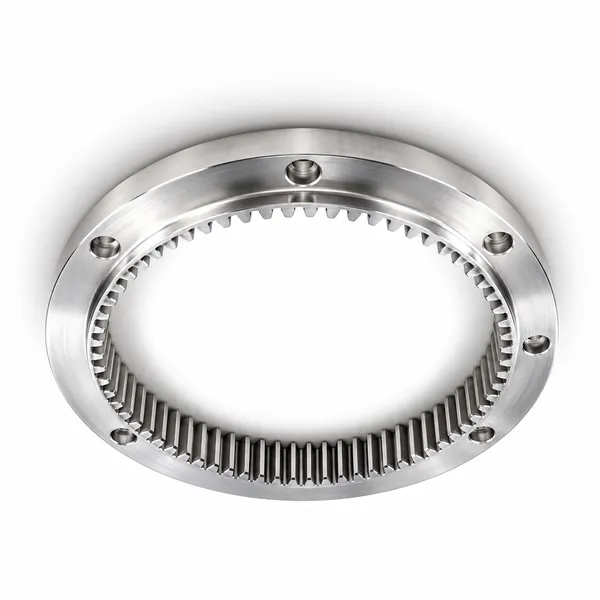
precision planetary ring gear aerospace actuator Korea Ever-Power
Korea Ever-Power precision internal ring gear for aerospace planetary actuator — 17-4 PH H900 stainless, M3, 54T internal, OD 175 mm, bore 162 mm, DIN 4 ground. 17-4 PH in H900 condition: yield strength 1,170 MPa, UTS 1,310 MPa, corrosion resistance (PREN 15.5 — adequate for mild aircraft atmospheric corrosion but not seawater), non-magnetic. The H900 heat treatment (solution anneal + 480°C age for 1 hour) provides the maximum strength of the 17-4 PH precipitation hardening sequence, making it the preferred condition for high-load aerospace ring gears where mass minimisation is critical. The MoS₂ dry film lubrication on the ring gear internal tooth surface (2 μm ion-beam-deposited) is applied after all machining and before dimensional inspection — the dry film must not alter the tooth profile outside the DIN 4 band, which requires the film thickness uniformity to be controlled within ±0.3 μm. Korea Ever-Power applies the MoS₂ coating in-house using a Teer Coatings closed-field unbalanced magnetron sputtering (CFUBMS) system, and verifies the coating thickness by profilometer measurement on a companion coupon coated in the same batch as the ring gear.

Aerospace Gear Material Comparison and Selection Guide
MATERIAL UTS (MPa) Density (g/cm³) Max Temp (°C) Primary Application
Ti-6Al-4V (aged) 950 4.43 ← lightest 315 Satellite, low-load UAV
15-5 PH (H900) 1,310 ← strongest 7.78 350 High-load actuators, helicopter
17-4 PH (H900) 1,310 7.78 315 UAV actuator, antenna drive
Inconel 718 1,240 8.19 650 ← highest Near-engine, cryogenic/hot
20CrMnTi (carburized) 1,100 7.85 — heaviest 200 Industrial only
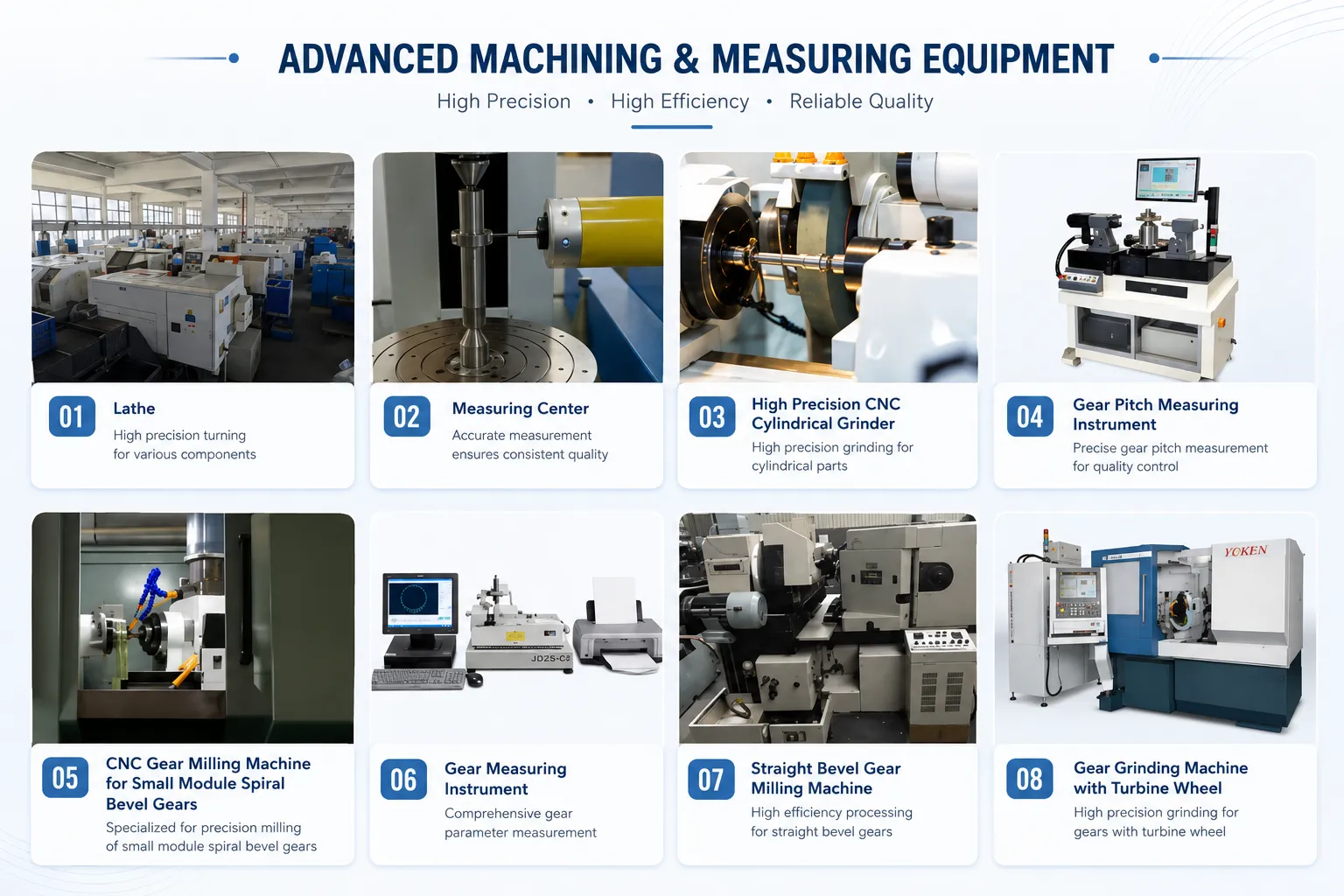
Korea Ever-Power aerospace ring gear DIN3 precision measurement CMM
Korea Ever-Power DIN 3–4 aerospace ring gear precision measurement — CMM gear measurement with a 1 μm resolution stylus on a thermally stabilised granite datum, confirming the internal gear tooth profile against the DIN 4 tolerance band for the total profile form error (Fα), slope deviation (fHα), and crowning at each measured tooth. The DIN 4 tolerance for a M2 internal ring gear tooth is: total profile form error Fα ≤ 2.4 μm, total slope deviation fHα ≤ 2.0 μm, total helix slope fHβ ≤ 3.8 μm, and single pitch deviation fp ≤ 2.4 μm. Each of these tolerances is smaller than a typical surface roughness Ra value on a lapped steel surface — measuring them requires a measurement machine resolution better than 0.1 μm and a temperature-controlled measurement room to prevent thermal drift during the 45–90 minute measurement cycle for a complete aerospace ring gear. Korea Ever-Power’s aerospace-dedicated measurement room is maintained at 20°C ± 0.2°C, with the gear blanks equilibrated to room temperature for a minimum of 4 hours before measurement begins.

Frequently Asked Questions — Ring Gears for Aerospace

Q 01

We are designing a new satellite antenna pointing mechanism and need a ring gear for a 2-stage planetary drive at M2, 72T. What documentation and testing will Korea Ever-Power provide for a space-qualified component?

Korea Ever-Power’s standard documentation and testing package for satellite planetary ring gears: (1) Material certification (EN 10204 Type 3.2 for space applications): mill certificate for the Ti-6Al-4V or PH stainless billet, confirming alloy composition to AMS 4928 (Ti-6Al-4V) or AMS 5659 (15-5 PH), mechanical properties (UTS, yield, elongation, reduction of area) from a companion test piece cut from the same forging or billet as the gear blank, and heat treatment record. Type 3.2 certification is independently witnessed by a third-party inspection body, which most satellite prime contractors require. (2) 100% individual dimensional inspection report: every aerospace ring gear is measured individually on the CMM — not by sample inspection. The report covers profile form error at 6 teeth equally spaced around the ring, total pitch deviation, radial runout, bore diameter and roundness, face parallelism, and thread or flange mounting feature dimensions. (3) MoS₂ coating process record and coupon test report: for vacuum-service gears, the ion-beam-deposited MoS₂ coating thickness (measured on a companion coupon) and adhesion (scratch test per ASTM C1624) are documented for each coating batch. (4) ASTM E595 outgassing test report: for satellite use, confirming TML ≤ 1.0% and CVCM ≤ 0.1% — all materials (gear alloy, dry film coating, any adhesive or sealant) must individually pass this test. Korea Ever-Power maintains current ASTM E595 test data for all aerospace gear materials and coatings used in standard production. (5) Qualification test protocol (if required by the satellite prime): for new designs, Korea Ever-Power can design and conduct a component-level qualification test programme — typically 10⁷ cycles at rated torque in a vacuum chamber at the specified thermal range, with dimensional inspection before and after to confirm the gear remains within specification after the simulated service life. The qualification test is conducted at Korea Ever-Power’s facilities or at a third-party test laboratory as specified by the customer’s quality plan.

Q 02

Why does titanium ring gear tooth contact fatigue life require a different design approach than steel, and what safety factor should we use for a 15-year satellite design life?

Titanium alloys present two specific contact fatigue behaviour differences from steel that require modification of the standard ISO 6336 gear design approach: (1) No clearly defined endurance limit: steels (including carburized 20CrMnTi) have a well-defined contact fatigue endurance limit (σ_H,lim) — the contact stress below which fatigue cracks do not initiate, confirmed by test data plateauing beyond 10⁷–10⁹ cycles. Titanium alloys (including Ti-6Al-4V) do not have a clear endurance limit — the S-N curve (stress vs cycles to failure) continues to slope downward well beyond 10⁸ cycles, meaning the allowable contact stress must continue to be reduced as the design life increases beyond 10⁸ cycles. For a satellite ring gear accumulating 3 × 10¹⁰ contact cycles over 15 years, the allowable contact stress at this cycle count is determined from extrapolated test data (typically at 30–50% of the conventional 10⁷ cycle allowable stress), not from the endurance limit. (2) Fretting susceptibility: titanium gears in contact are prone to fretting at the tooth contact zone under the micro-slip motion that occurs at each mesh cycle — the fretting produces a local titanium oxide abrasion product (TiO₂) that acts as an abrasive at the contact zone, accelerating wear. The MoS₂ dry film on the gear tooth surface prevents titanium-to-titanium fretting by interposing the low-shear-strength MoS₂ layer between the contact surfaces. Design approach for 15-year satellite life: Korea Ever-Power uses an extended S-N curve for Ti-6Al-4V (derived from available literature data at cycle counts up to 10¹⁰) combined with a contact fatigue safety factor S_H ≥ 1.8 at the 15-year cycle count — significantly higher than the S_H ≥ 1.2 used for industrial ring gears at conventional cycle counts. The higher safety factor compensates for the uncertainty in the extrapolated S-N data beyond the test database’s upper cycle limit and for the potential for fretting damage accumulation over the satellite’s lifetime.

Q 03

What is Korea Ever-Power’s minimum order quantity and lead time for aerospace prototype ring gears, and can the same specification be supplied for flight hardware production?

Aerospace prototype and flight production supply parameters: Prototype (engineering model / qualification model): minimum 2 pieces (to provide one spare for test); lead time 28–45 days from drawing approval, depending on material availability and DIN class. DIN 4 internal Ti-6Al-4V ring gears have a longer lead time than DIN 5 steel due to the CBN internal grinding setup time and the temperature conditioning required for dimensional stability. Flight hardware production (low-rate initial production, LRIP): minimum 5 pieces per order; lead time 35–55 days from drawing confirmation. Flight hardware is manufactured under a separate production plan that requires all tooling, fixturing, and process parameters to be locked (no changes without formal deviation or engineering change order) — this process lock is the key difference between prototype and flight production manufacture. Documentation level: prototype hardware can be supplied with the full dimensional inspection report without the third-party witnessed Type 3.2 material certificate (substituting Type 3.1); flight hardware requires Type 3.2 as standard. Qualification data support: Korea Ever-Power retains manufacturing process records (heat treatment charts, CBN grinding programme parameters, coating batch records, individual measurement data) for 20 years for all flight hardware production — enabling post-flight anomaly investigation and providing the design heritage data needed for future upgrades or re-orders. Enquiries for aerospace ring gear prototypes should include the drawing (or equivalent dimensional specification), material and heat treatment specification, quality class, MoS₂ or other coating requirement, and the acceptance test requirements — Korea Ever-Power responds with a technical review and quotation within 5 working days.

Explore Korea Ever-Power Gear Categories

Seven precision gear product lines for aerospace, satellite, UAV, defence and high-precision industrial applications worldwide.
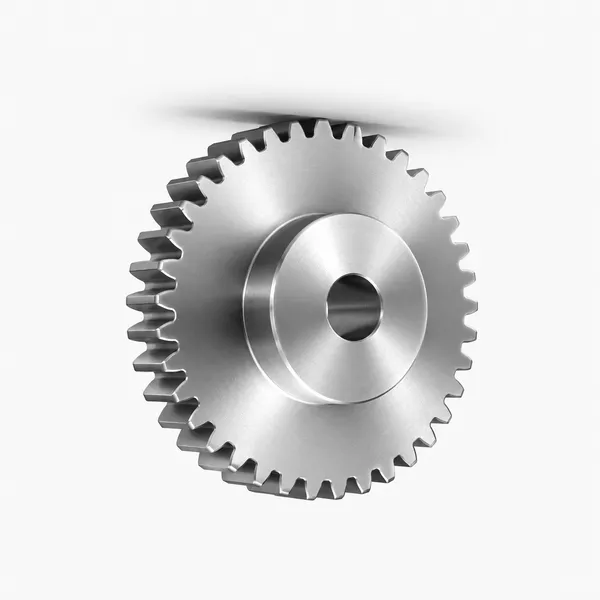
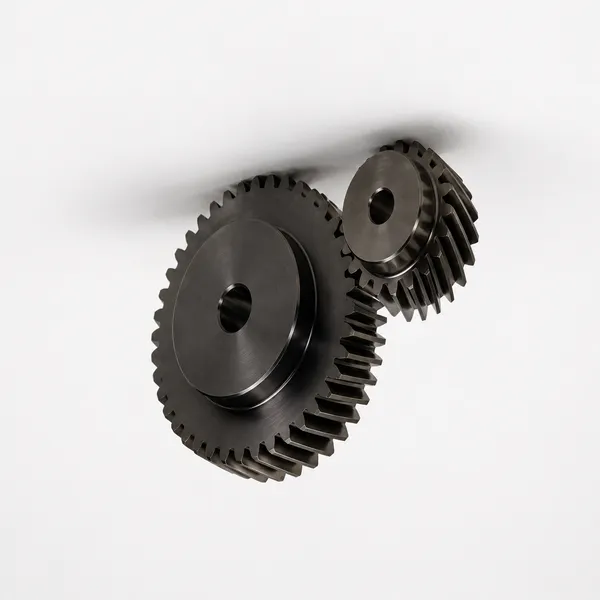
aerospace spur gear precision

Spur Gears

Ti · PH stainless · DIN 3–5 · space

precision helical gear aerospace

Helical Gears

Aerospace reducer · DIN 4 · low noise

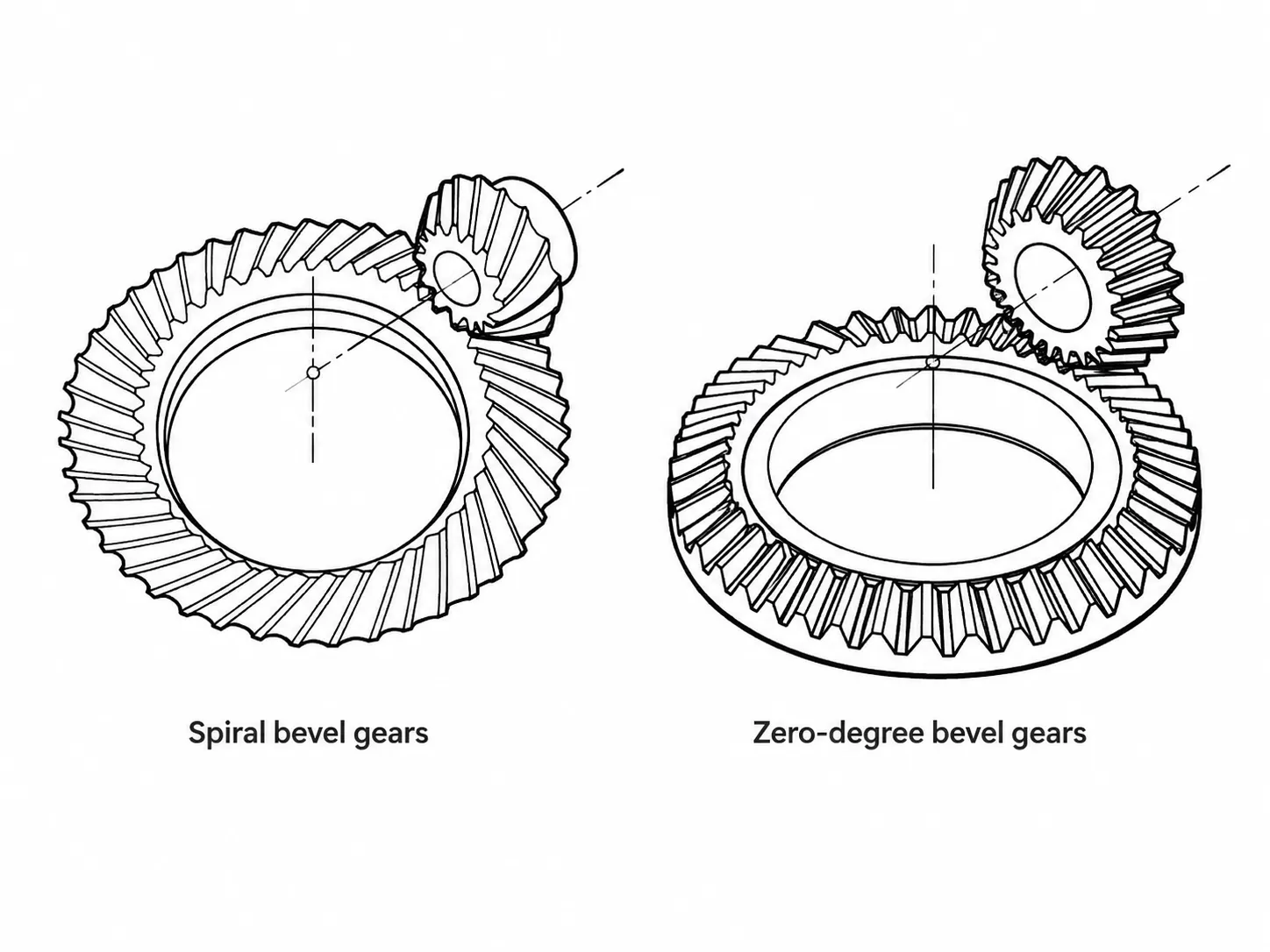
bevel gear aerospace

Ingranaggi conici

Ti-6Al-4V · 15-5 PH · angle drive

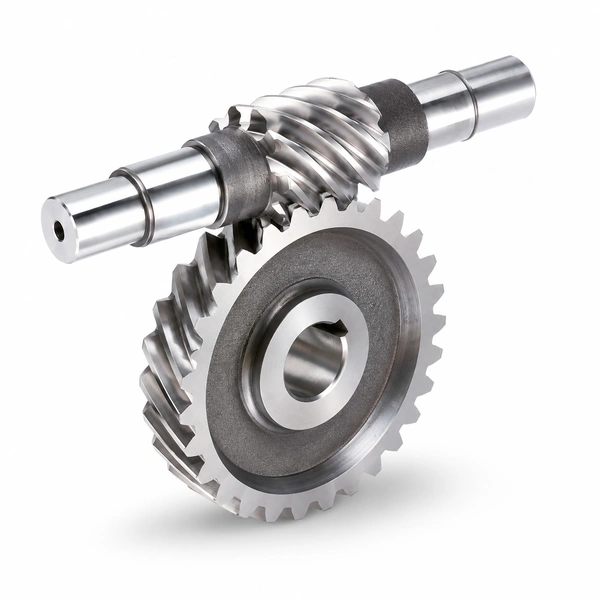
worm gear aerospace

Worm Gears

Self-lock actuator · antenna Az/El

aerospace satellite ring gear

Ring Gears

Aerospace · satellite · DIN 3–5 · Ti

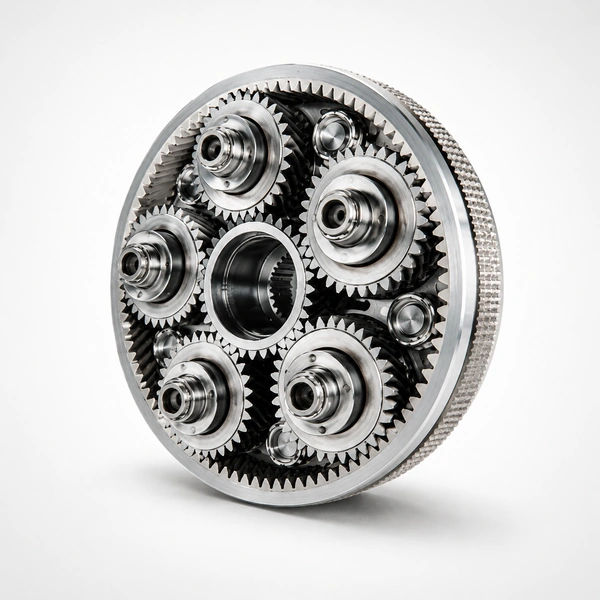
aerospace planetary gear

Planetary Gears

Reaction wheel · actuator · Ti · DIN 4

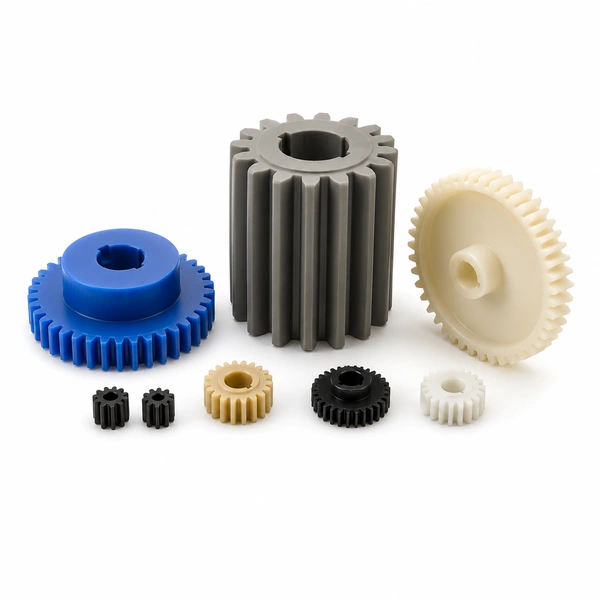
plastic gear aerospace

Plastic Gears

PEEK · low-outgas · sensor gear

GET A QUOTATION · KOREA EVER-POWER

Need Ring Gears for Aerospace Applications?

Korea Ever-Power manufactures aerospace ring gears in Ti-6Al-4V, 15-5 PH, 17-4 PH, and Inconel 718 — DIN 3–5 CBN-ground internal profile, M1–M6, MoS₂ ion-beam-deposited dry film for vacuum service, PFPE grease for aviation use. 100% individual CMM inspection, EN 10204 Type 3.2 material certification, ASTM E595 outgassing compliance, qualification test programme support. Minimum 2 pieces prototype. ISO 9001:2015 certified.

Request a Quotation →

Redattore: Cxm

VR Tour of Our Factory

TAGs:

cremagliera degli ingranaggi

In qualità di uno dei principali produttori, fornitori ed esportatori di cremagliere, offriamo cremagliere e molti altri prodotti.

Vi preghiamo di contattarci per maggiori dettagli.

Posta:[email protected]

Produttore, fornitore ed esportatore di cremagliere

Articoli recenti

it_ITItalian